#ikea-havback
#ikea-havback
[ follow ]
#ikea #interior-design #home-decor #architecture #furniture-design #sustainability #storage-solutions #design

#furniture-design
Design
fromYanko Design - Modern Industrial Design News
2 days agoOne Week Design's Squares Furniture Is Built on a Bricklayer's Memory - Yanko Design
The Squares collection by Xiaoya Wang and Jian Ni embodies personal memory and design restraint, creating furniture that resonates emotionally.

#product-design
UX design
fromYanko Design - Modern Industrial Design News
2 weeks agoFlakt Just Redesigned the Air Purifier as Furniture - Yanko Design
Flakt reimagines air purifiers as intentional furniture pieces by combining sustainable materials, living plants, and considered design rather than treating them as purely functional appliances.
#ikea-furniture
E-Commerce
fromApartment Therapy
2 weeks agoIKEA's New Sofa Is Giving Major Designer Style on a Budget (It's So Chic!)
The IKEA LILLESÄTER collection offers modern, pill-shaped sectional sofas in multiple sizes with performance fabric, combining stylish design with practical functionality at affordable prices starting at $899.
E-Commerce
fromApartment Therapy
1 month agoSolid Wood? Say Less! These Under-the-Radar IKEA Dining Chairs Are Totally Timeless
The IKEA SKANSNÄS Dining Chair offers Scandinavian design with solid beech wood construction and woven seats at $125, rivaling designer chairs costing five to six times more.
#interior-design

UX design
fromBusiness Insider
1 month agoI'm an interior designer. Here are 6 things I'd buy at Ikea and 6 I'd probably skip.
An interior designer selectively purchases from Ikea, recommending photo frames, dressers, and outdoor decking while avoiding outdoor lanterns, bedding, and mirrors due to quality and aesthetic concerns.
UX design
fromBusiness Insider
1 month agoI'm an interior designer. Here are 6 things I'd buy at Ikea and 6 I'd probably skip.
An interior designer selectively purchases from Ikea, recommending photo frames, dressers, and outdoor decking while avoiding outdoor lanterns, bedding, and mirrors due to quality and aesthetic concerns.
Fashion & style
fromYanko Design - Modern Industrial Design News
3 weeks agoIKEA's SOLUPPGANG Turns Outdoor Living Into a Design Statement - Yanko Design
IKEA's SOLUPPGÅNG camping collection offers minimalist, aesthetically considered outdoor gear at affordable prices, challenging the expensive outdoor equipment market.

fromYanko Design - Modern Industrial Design News
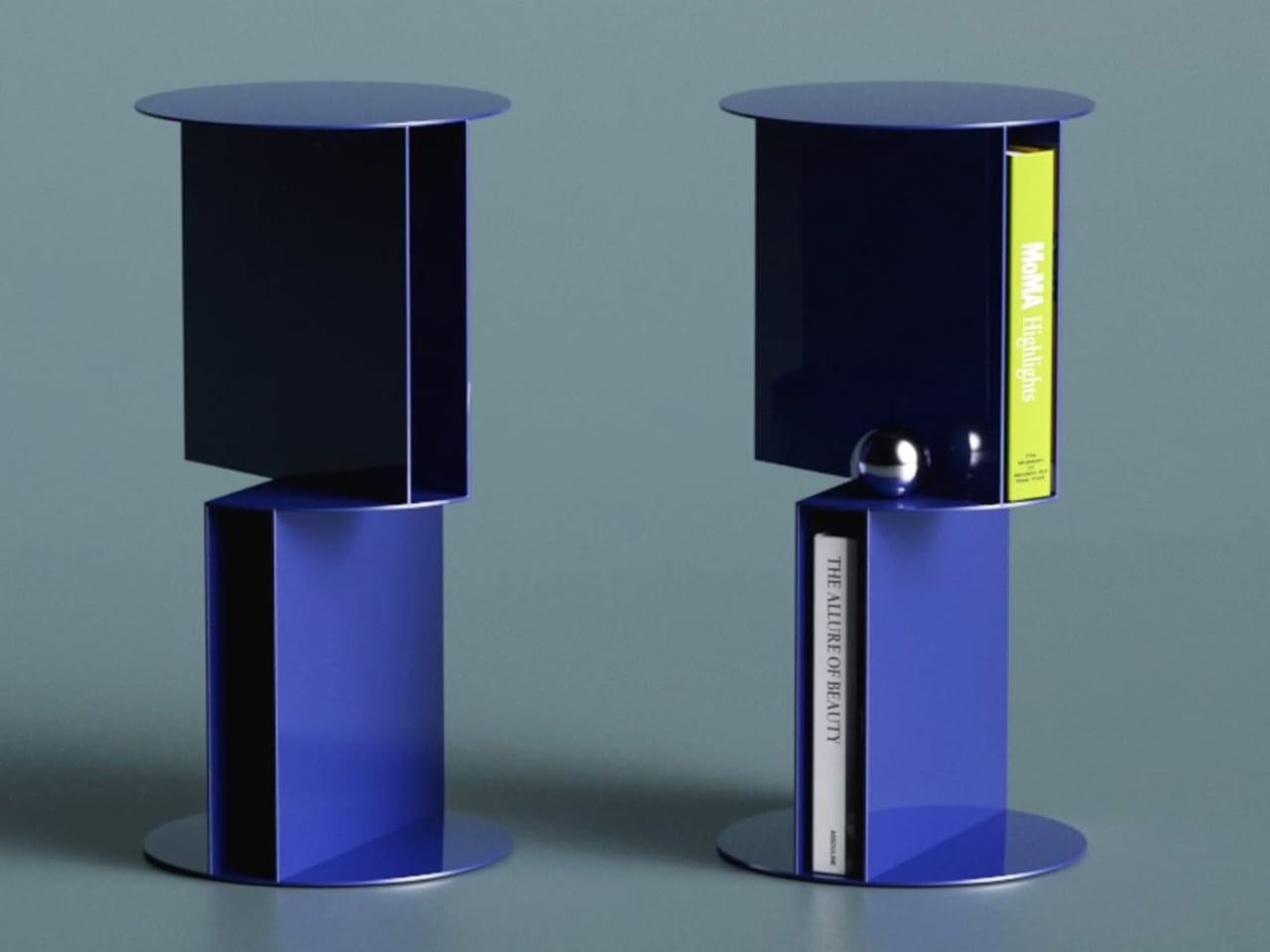
5 days agoThe Side Table That Folds a Bookshelf Into Its Own Top - Yanko Design
The Boca table by designer Deniz Aktay is not interested in that conversation at all. At first glance, it reads as a straightforward piece: a circular metal top, slim tubular legs bent into a smooth C-shaped base, a warm terracotta finish.
Design
#scandinavian-design
Design
fromYanko Design - Modern Industrial Design News
1 week ago5 Scandinavian Product Trends That Will Make Your Home Instantly Feel Like Hygge - Yanko Design
Scandinavian design emphasizes clean lines, natural materials, and functionality, creating a harmonious balance between aesthetics and practicality.

Design
fromYanko Design - Modern Industrial Design News
1 week ago5 Scandinavian Product Trends That Will Make Your Home Instantly Feel Like Hygge - Yanko Design
Scandinavian design emphasizes clean lines, natural materials, and functionality, creating a harmonious balance between aesthetics and practicality.
fromArchitectural Digest
3 years agoThese 7 Clothing Racks That Turn Storage Into an Art Form
Ferm Living's Bridge system is one part coat rack, one part display piece for your most-worn pieces. Built for versatility, the slim oak beams provide two tiers of storage space, whether you need room for hangers or just a place to hang your hat at the end of the day. It's nearly five feet high, meaning none of your beloved coats will sweep the floor. Its vertical branches would also make sense as a place to display fabrics or hang towels to dry.
Fashion & style
fromApartment Therapy
1 month agoIKEA's "Last Chance" Chair Is the Secret to Making Neutral Rooms Look Expensive
When designing a neutral space, you might initially assume you're working with a limited color palette. And while using a select group of more subdued hues might be the key to achieving that calming effect, it doesn't mean the room has to be boring or one-dimensional. That's where texture (think: the "70-20-10" rule) comes into play. Texture was a major part of Chloe Livington's design plan when mapping out her organic-modern Jersey City studio apartment.
Design
fromYanko Design - Modern Industrial Design News
2 months ago5 Furniture Trends That Just Made IKEA Look Obsolete in 2026 - Yanko Design
Furniture is now understood as a core architectural component rather than a purely functional addition to a space. In 2026, instead of sharp, rigid forms, current design directions favor softer, organic silhouettes that promote comfort and visual calm. These shapes help create interiors that feel more balanced and human-centred, supporting everyday use while enhancing the emotional quality of the environment.
Remodel
fromArchitectural Digest
4 years agoThe Best Coffee Tables With Storage for a Clutter-Free Living Room
Wood: Arguably the most common material for a coffee table, whether packed with storage or not, solid wood can be a durable and style-agnostic choice. A deeper hue, like a mahogany or cherry, can lean mid-century, while a natural oak or teak feels distinctly Scandinavian. Opt for a material that's white washed or stained for a farmhouse look. Metal: Aluminum and stainless steel are common choices for the modernist or more minimal design aesthete.
Design
[ Load more ]