#ikea-minnen-bed
#ikea-minnen-bed
[ follow ]
#ikea #home-decor #storage-solutions #interior-design #furniture-design #design #home-organization #diy
#furniture-design
fromApartment Therapy
5 days agoEmma Chamberlain's West Elm Collab Is Giving Vintage Energy (It's Made for Small Spaces!)
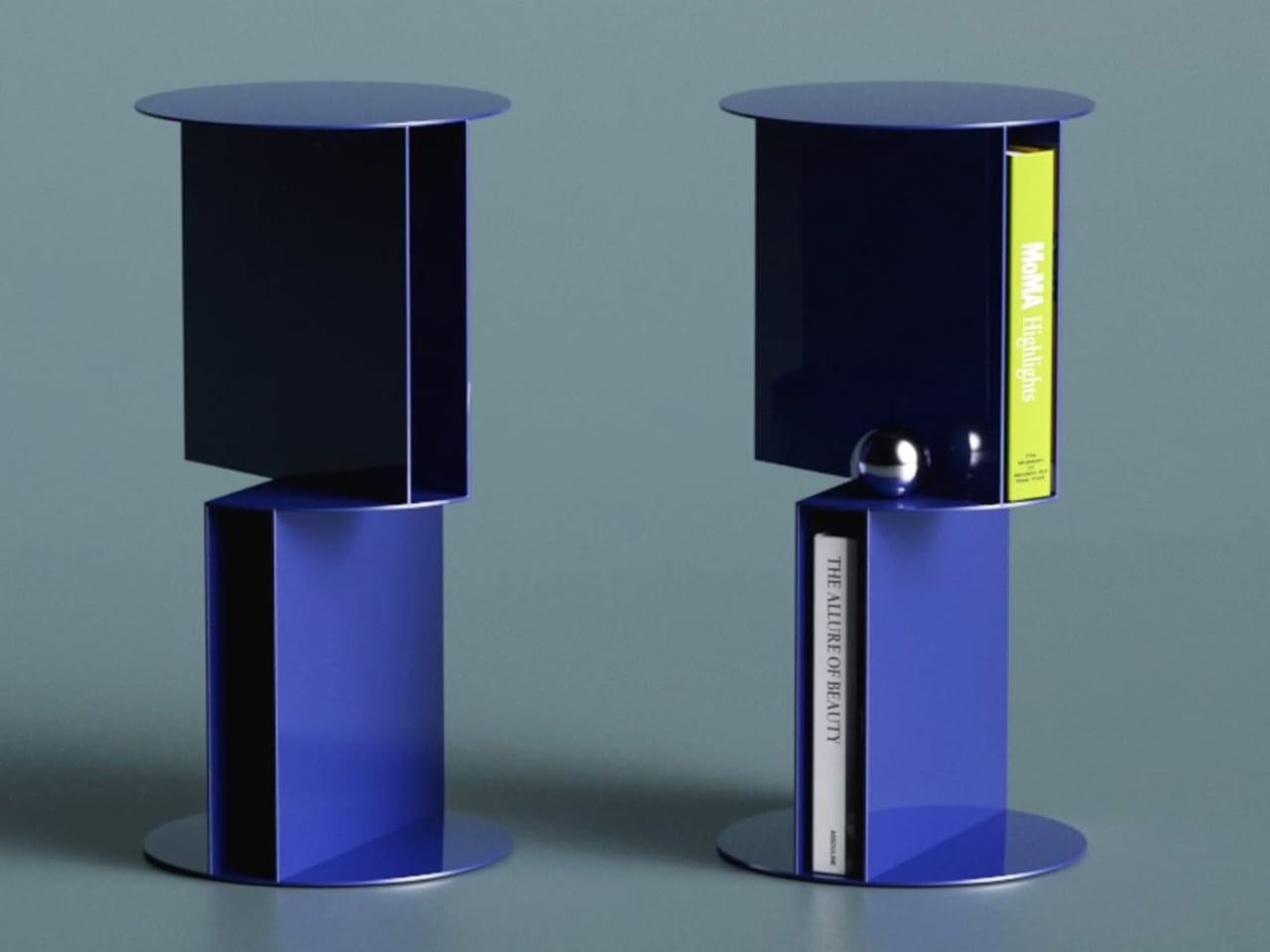
The collection spans several categories in the home, featuring smart storage pieces like the electric lime Lacquer Entryway Storage Pillar and a crescent moon-shaped chair and ottoman set.
E-Commerce




E-Commerce
fromApartment Therapy
2 weeks agoIKEA's New Sofa Is Giving Major Designer Style on a Budget (It's So Chic!)
The IKEA LILLESÄTER collection offers modern, pill-shaped sectional sofas in multiple sizes with performance fabric, combining stylish design with practical functionality at affordable prices starting at $899.
fromBusiness Insider
1 month agoI'm an interior designer. Here are 6 things I'd buy at Ikea and 6 I'd probably skip.
As an interior designer, I know pieces don't need to cost a lot to make a space feel fantastic. However, sometimes you get the look you pay for. When it comes to Ikea, some of the Swedish retailer's low-cost and minimalist pieces feel like fantastic value, while others won't be making it to my cart.
UX design
fromYanko Design - Modern Industrial Design News
5 days agoThe Side Table That Folds a Bookshelf Into Its Own Top - Yanko Design
The Boca table by designer Deniz Aktay is not interested in that conversation at all. At first glance, it reads as a straightforward piece: a circular metal top, slim tubular legs bent into a smooth C-shaped base, a warm terracotta finish.
Design
Fashion & style
fromYanko Design - Modern Industrial Design News
3 weeks agoIKEA's SOLUPPGANG Turns Outdoor Living Into a Design Statement - Yanko Design
IKEA's SOLUPPGÅNG camping collection offers minimalist, aesthetically considered outdoor gear at affordable prices, challenging the expensive outdoor equipment market.
#scandinavian-design
Design
fromYanko Design - Modern Industrial Design News
1 week ago5 Scandinavian Product Trends That Will Make Your Home Instantly Feel Like Hygge - Yanko Design
Scandinavian design emphasizes clean lines, natural materials, and functionality, creating a harmonious balance between aesthetics and practicality.

Design
fromYanko Design - Modern Industrial Design News
1 week ago5 Scandinavian Product Trends That Will Make Your Home Instantly Feel Like Hygge - Yanko Design
Scandinavian design emphasizes clean lines, natural materials, and functionality, creating a harmonious balance between aesthetics and practicality.
fromApartment Therapy
1 month agoIKEA's Best Productivity Tool Is Hiding in the Kids' Aisle, and It Looks like It Belongs in a Cartoon House
The IKEA HUMLESJON timer almost looks like a light switch for a cartoon house, a big marshmallow, or even a kid toy. The pale turquoise exterior is chunky and pleasantly rounded, containing two circular holes. The inside is filled with a fine orange sand, and the sand steadily drains from the upper circle down to the lower one, like a flatter and more unique version of an hourglass.
Gadgets
fromYanko Design - Modern Industrial Design News
1 month agoIKEA Just Made a Mouse-Shaped Speaker That Kids Can Actually Carry - Yanko Design
IKEA's GREJSIMOJS collection started with a dog-shaped lamp that dims when you hold its head for bedtime, turning a light switch into something closer to petting a sleepy puppy. The limited collection is more than just about cute animals, but also about playful behavior baked into everyday objects. That same thinking now shows up in a tiny Bluetooth speaker shaped like a mouse, with four stubby legs and a braided tail that doubles as a carry loop.
Gadgets
Design
fromDesign Milk
1 month agoVARMBLIXT by Sabine Marcelis for IKEA Expands Further
IKEA's iconic VARMBLIXT donut lamp evolves into a smart version with matte white glass and customizable lighting through 40+ colors, maintaining its sculptural form while shifting from warm amber to fluid atmospheric experiences.
fromArchitectural Digest
3 years agoThese 7 Clothing Racks That Turn Storage Into an Art Form
Ferm Living's Bridge system is one part coat rack, one part display piece for your most-worn pieces. Built for versatility, the slim oak beams provide two tiers of storage space, whether you need room for hangers or just a place to hang your hat at the end of the day. It's nearly five feet high, meaning none of your beloved coats will sweep the floor. Its vertical branches would also make sense as a place to display fabrics or hang towels to dry.
Fashion & style
fromApartment Therapy
2 months agoThis IKEA Daybed Solves Multiple Small-Space Problems at Once
My spouse and I have lived in our house for five years, and in that time, we've basically played Jenga in nearly every room. It's almost like a design challenge to see how many spaces can serve dual functions: Can we make this room into a gym? What about a gym/office? What about a guest room/office? Right now, we are transforming our office/gym into an office/guest room (the Peloton now lives in the makeshift sunroom downstairs).
Remodel
fromYanko Design - Modern Industrial Design News
2 months agoThis 1970s Kids' Desk Flatpacked Before IKEA Even Existed - Yanko Design
Here's something to blow your mind: decades before IKEA convinced us all that assembling furniture with an Allen wrench was somehow fun, a visionary designer named Luigi Colani was already flatpacking children's furniture in the 1970s. And get this, it wasn't just about convenience. His Tobifant desk and chair set was actually genius problem-solving at its finest. If you know anything about Luigi Colani, you know he was the king of curves and organic shapes.
Design
fromYanko Design - Modern Industrial Design News
2 months ago5 Furniture Trends That Just Made IKEA Look Obsolete in 2026 - Yanko Design
Furniture is now understood as a core architectural component rather than a purely functional addition to a space. In 2026, instead of sharp, rigid forms, current design directions favor softer, organic silhouettes that promote comfort and visual calm. These shapes help create interiors that feel more balanced and human-centred, supporting everyday use while enhancing the emotional quality of the environment.
Remodel
fromArchitectural Digest
4 years agoThe Best Coffee Tables With Storage for a Clutter-Free Living Room
Wood: Arguably the most common material for a coffee table, whether packed with storage or not, solid wood can be a durable and style-agnostic choice. A deeper hue, like a mahogany or cherry, can lean mid-century, while a natural oak or teak feels distinctly Scandinavian. Opt for a material that's white washed or stained for a farmhouse look. Metal: Aluminum and stainless steel are common choices for the modernist or more minimal design aesthete.
Design
[ Load more ]