#independence-economics
#independence-economics
[ follow ]
#venezuela #cuba #us-sanctions #us-cuba-relations #us-foreign-policy #us-intervention #monroe-doctrine

fromThe Cipher Brief
3 days agoTaking a Stand on Adversaries' Influence in the Western Hemisphere
The January 3rd Operation Absolute Resolve ousted Venezuelan Dictator Nicholas Maduro, marking a significant shift in US policy towards countering adversarial influence in the western hemisphere.
World politics



fromHarvard Business Review
2 weeks agoHow To Deliver on ESG Initiatives in Emerging Market
Multinational firms are under rising pressure-from investors, regulators, and employees-to demonstrate positive societal impact in the places where they do business. With ESG-focused institutional investments projected to reach nearly $34 trillion this year and roughly 90% of large U.S. companies now disclosing ESG reports, these pressures are now a central part of corporate strategy.
Business
World news
fromThe Washington Post
2 weeks agoRubio says Cuba's efforts to improve its economy are failing
Cuba's centralized economy cannot be fixed through current reforms, which are insufficient, as the U.S. applies economic pressure through sanctions and an embargo while banking on economic collapse and regime change.
Bootstrapping
fromEntrepreneur
2 weeks agoEconomic Outlook: What's in Store for Small Business in 2026
Small businesses adopting digital-first models, optimizing cross-border payments, managing cash flow strategically, and investing in cybersecurity will build resilience and achieve sustainable growth in 2026.
Canada news
fromFortune
1 month agoEconomist Eswar Prasad warns a 'motley group' of middle powers can't stop the 'doom loop' threatening the global economy | Fortune
The rules-based international order faces rupture as great powers weaponize economic integration, tariffs, and supply chains, forcing middle powers to form strategic alliances or risk marginalization.
Business
from24/7 Wall St.
3 weeks agoThe Latin American Stock Delivering Monster Growth at a Record-Low Valuation
MercadoLibre's stock fell 36% from its peak despite 50% revenue growth, creating historically low valuations as competitive pressures and margin compression from strategic investments weigh on near-term profitability.
Bootstrapping
fromLondon Business News | Londonlovesbusiness.com
2 weeks agoBuilding a diversified portfolio with limited capital - London Business News | Londonlovesbusiness.com
Diversification reduces risk by spreading investments across different assets, sectors, and regions rather than concentrating capital in single holdings.
fromwww.aljazeera.com
2 weeks agoCuba's lights begin to return, but its crisis is far from over
Power cuts started in Cuba back in 2019, when the first Trump administration started hammering the country with so-called maximum-pressure sanctions. They aimed to gouge the country's economy of billions of dollars a year, and, as a result, the communist government had to drastically cut fuel imports because it simply did not have the cash.
World news
#cuba-economic-reform
World news
fromwww.mediaite.com
2 weeks agoCuba Reportedly Seeking Investments From Cuban Descendants Living Abroad as Trump Plots Friendly Takeover'
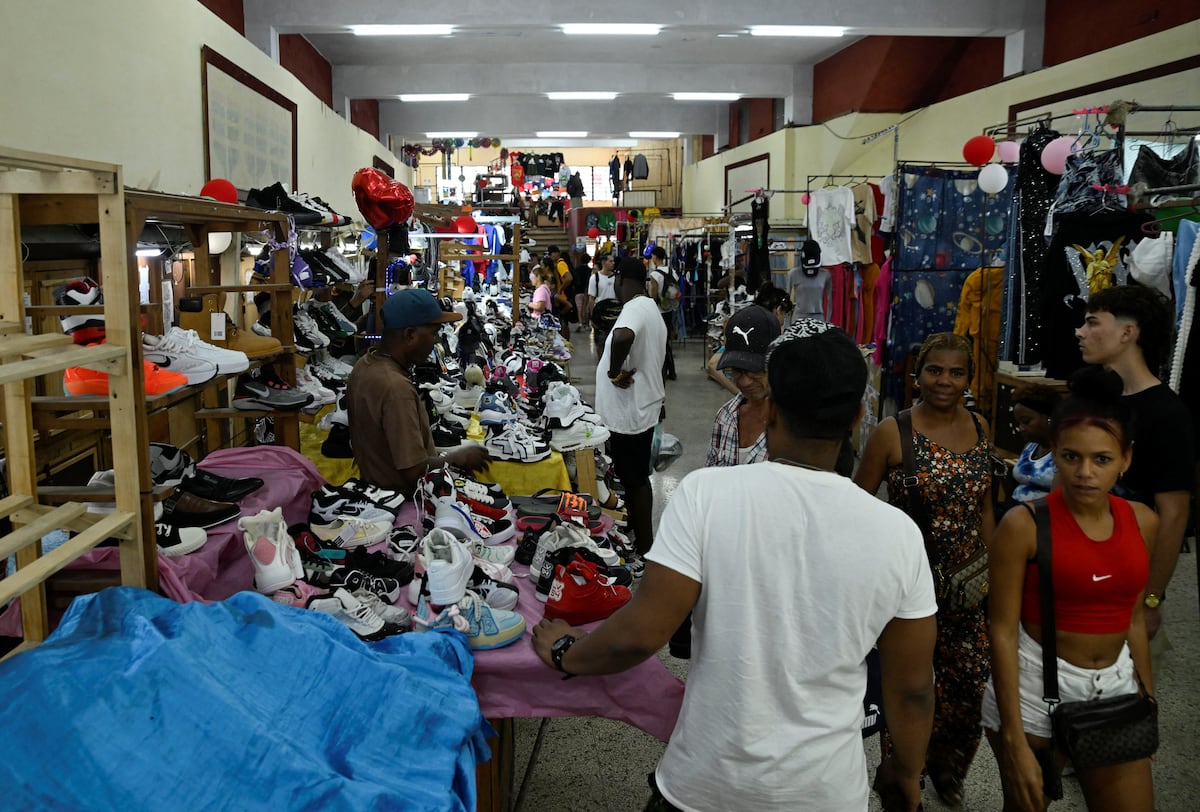
Cuba is opening its economy to foreign investment from Cuban descendants abroad and U.S. companies to revitalize its struggling economy across mining, tourism, and infrastructure sectors.
World news
fromwww.mediaite.com
2 weeks agoCuba Reportedly Seeking Investments From Cuban Descendants Living Abroad as Trump Plots Friendly Takeover'
Cuba is opening its economy to foreign investment from Cuban descendants abroad and U.S. companies to revitalize its struggling economy across mining, tourism, and infrastructure sectors.
World politics
fromwww.aljazeera.com
1 month agoIn a bid to counter China, Trump hosts a summit for Latin America leaders
Trump administration seeks to counter China's economic dominance in Latin America through diplomatic engagement and promised economic incentives at the Shield of the Americas summit.
Venture
from24/7 Wall St.
1 month agoArgentina's Reform Bet Comes With One ETF and No Safety Net
ARGT provides concentrated, high-conviction exposure to Argentine equities for investors with specific views on Argentina's economic trajectory, delivering 223% five-year returns but with extreme volatility and significant concentration risk.
World politics
fromenglish.elpais.com
1 month agoHow the war in Iran is affecting the main economies of Latin America
Latin American oil-producing nations face mixed impacts from Middle East tensions, with Venezuela potentially benefiting from higher crude prices while managing geopolitical complications from reduced Iranian ties.
US politics
fromFortune
1 month agoTrump brags that America is 'winning so much.' Without tariffs, "we could have seen more of the good news," IMF director says. | Fortune
The U.S. economy shows strong growth and resilience, but chronic budget deficits and tariff-based trade policies threaten its long-term fiscal health.
World news
fromwww.aljazeera.com
3 weeks agoEcuador prepares for attack on criminal economy' with Trump backing
Ecuador's government launches a military offensive against criminal networks starting this weekend, shifting focus from targeting cartel leaders to dismantling the criminal economy through illegal mining and drug trafficking operations.
fromDefector
2 months agoIt's Nice To Have A Process, But It's Better To Have Money | Defector
This is not an argument against continuing to line things up just so, of course. It just means that the very orderly person will over time become a very familiar face to the people at The Container Store, to the point where they might remark to each other during their breaks about having seen him, again, purchasing more of those stackable, breakable containers that he's always getting.
New York Mets
fromFast Company
2 months agoWhy inclusion is the new standard for economic growth
In places where inclusion is part of the infrastructure of their economy-supply chains, procurement processes, capital access, or business ownership-people thrive. Inclusive economies create more resilience by expanding the base of potential business owners who can build, own, innovate, and hire. They allow more opportunities for homeownership and investing in the longevity of communities. As our economy becomes increasingly stratified and volatile, we need as much resiliency as we can get.
Social justice
fromFast Company
1 month ago5 lessons for building up an industry, not just a company
But if you're innovating within your industry, it's a problem you should expect and prepare for because it means having to operate in two realities-the internal reality where you know the challenges in your industry and how you're going to solve them, and the external reality where nobody else has recognized the problem that needs to be solved. In a highly regulated industry like healthcare, safety, and stability create an inertia that often works against innovation.
Startup companies
#us-cuba-relations

World news
fromFortune
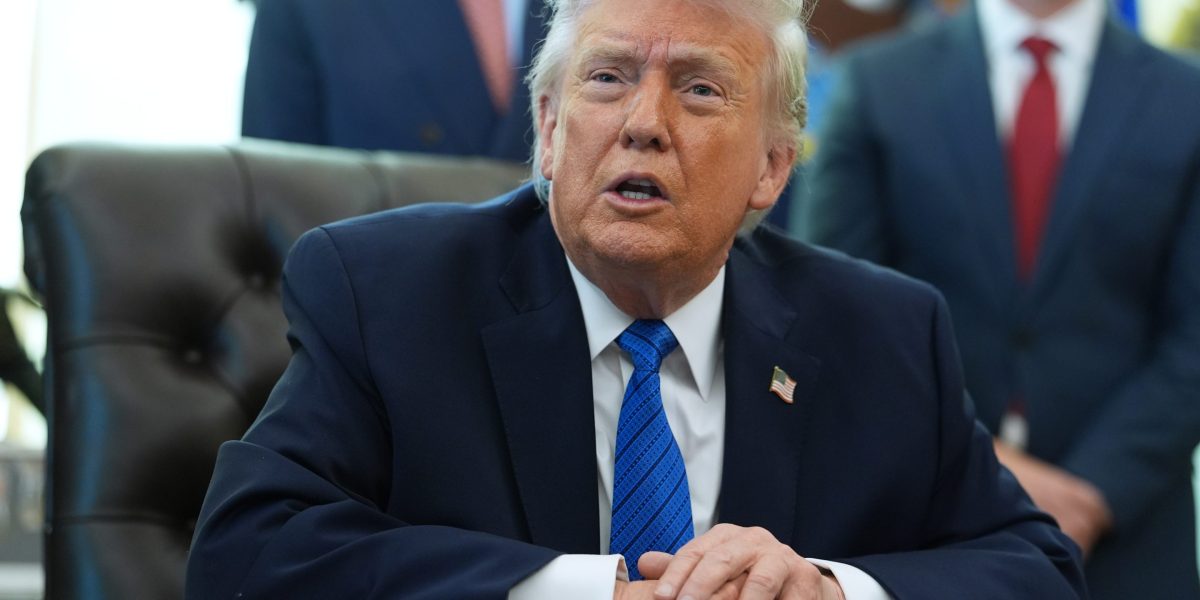
1 month agoTrump says Cuba has 'no money' and 'maybe we'll have a friendly takeover' | Fortune
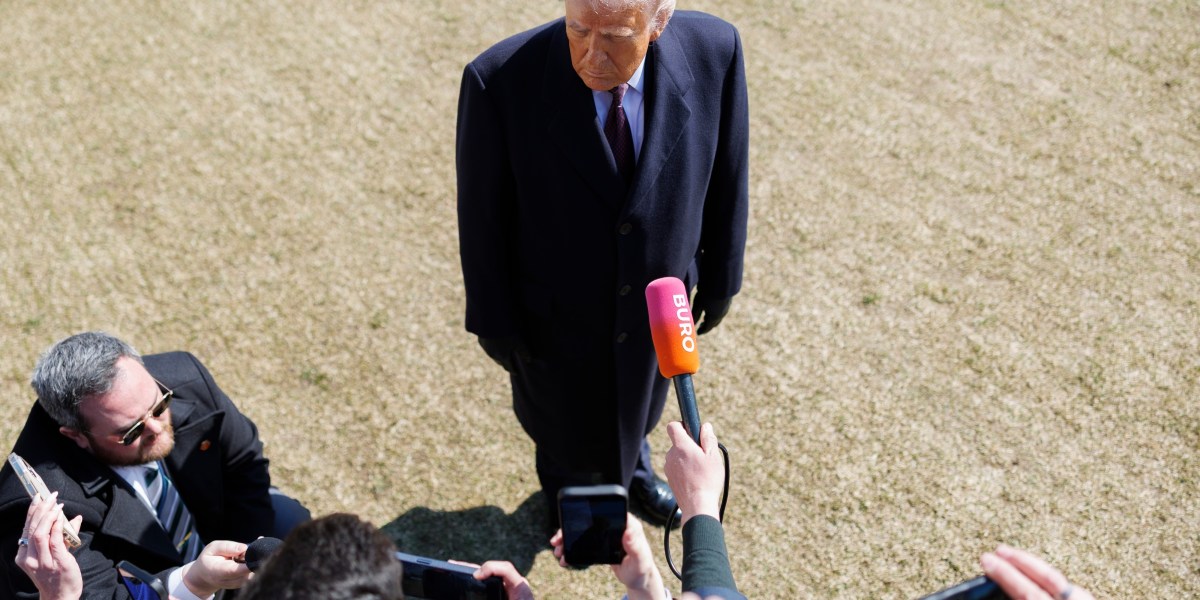
President Trump stated the U.S. is in talks with Cuba and suggested a possible 'friendly takeover' of the island nation, citing its economic collapse and willingness to seek American assistance.
fromSilicon Canals
1 month agoIf you do these 7 things to save money, you have a level of financial discipline most people lack - Silicon Canals
Let me get straight to the point: Three years ago, I was spending $200 a month on coffee shop visits while telling myself I couldn't afford to max out my retirement contributions. The irony wasn't lost on me when I finally sat down with a spreadsheet and saw where my money was actually going. That wake-up call came right after watching my dad get passed over for yet another promotion, despite working harder than anyone else in his department.
Retirement
fromwww.aljazeera.com
1 month agoLatin America: In the Shadow of the US | Ep 2 Wars
The 1980s bring revolutionary wars, CIA-backed conflict and the violent birth of a new democratic era. Episode 2: Wars begins with Nicaragua's Sandinista revolution, which promised egalitarian transformation through literacy crusades. But civil war erupted as United States President Ronald Reagan's administration covertly backed the Contra rebels, plunging the nation into turmoil and suffering. Panama transitioned from Omar Torrijos's diplomatic triumphs over the Panama Canal to Manuel Noriega's sinister collaboration with both the CIA and drug cartels.
US politics
fromenglish.elpais.com
2 months agoFrom the Panama Canal standoff to Honduras: Trump reasserts Washington's grip on Central America
It was not just another bombastic statement in the Republican's provocative style it was the first visible sign of a policy that once again places the region under U.S. oversight. Trump revived old interventionist instincts by interfering in Honduras's presidential election and threatening to cut aid to Central American governments as leverage to force them into agreements aimed at curbing migration.
US politics
fromLondon Business News | Londonlovesbusiness.com
1 month agoOwner dependence is one of the biggest hidden risks undermining business value - London Business News | Londonlovesbusiness.com
New analysis published today (6 February 2026) reveals a structural issue that is eroding valuations, limiting exits, and trapping founders in their businesses, with around 80% of UK private companies failing to sell. The White Paper, The Owner Dependence Problem in UK SME Businesses, published by Exit Factor, highlights how excessive reliance on founders is undermining business value across the UK SME sector. The White Paper analyses businesses with annual revenues between £3m and £30m and demonstrates how owner dependence materially restricts strategic options for owners.
Business
fromThe Nation
2 months agoReport From the Progressive International's Nuestra Summit
"Don't go!" more than one voice could be heard shouting in the packed Teatro Colón on January 24. The plea was in response to Colombian senator María José Pizarro Rodríguez's declaration that Colombia's President Gustavo Petro would be traveling to the White House on February 3 "in an act of courage." While the popular Pacto Histórico senator was mostly met with cheers and chants of the Chilean protest song, " El pueblo unido jamás será vencido,"
World politics



fromAxios
2 months agoTrump challenges where America fights and how it arms itself
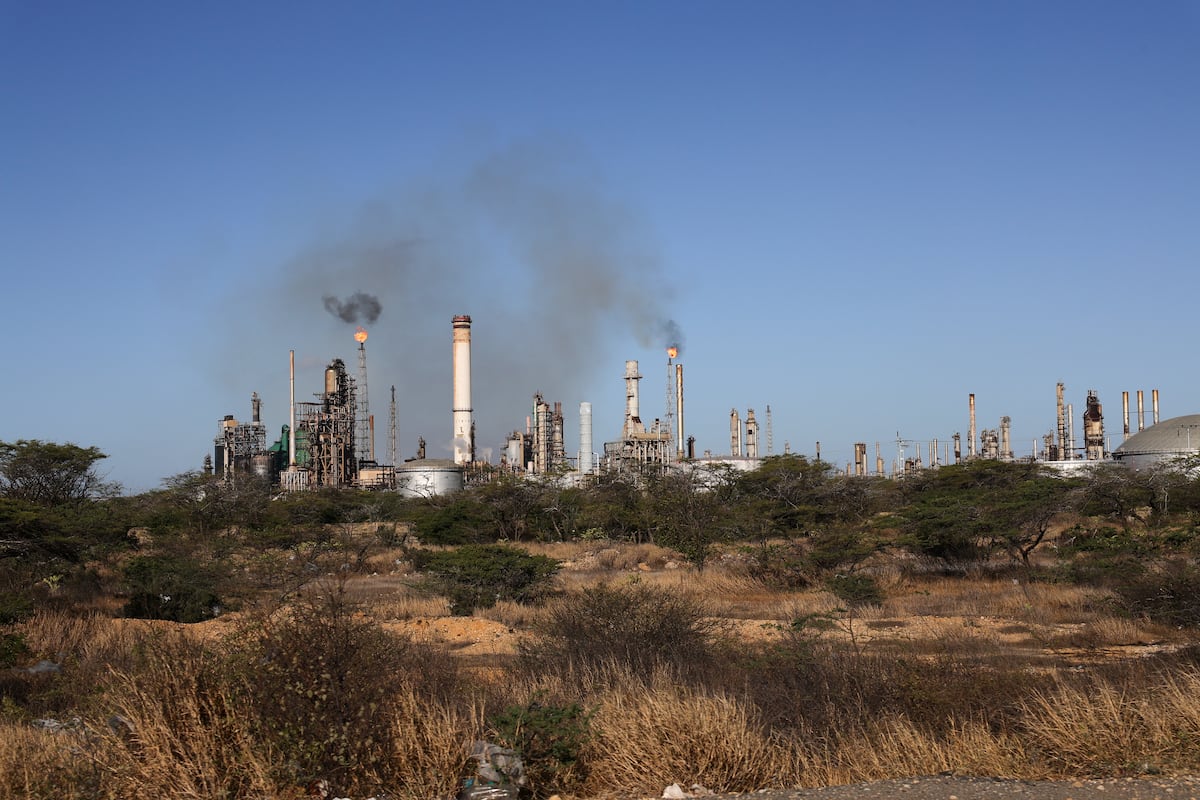
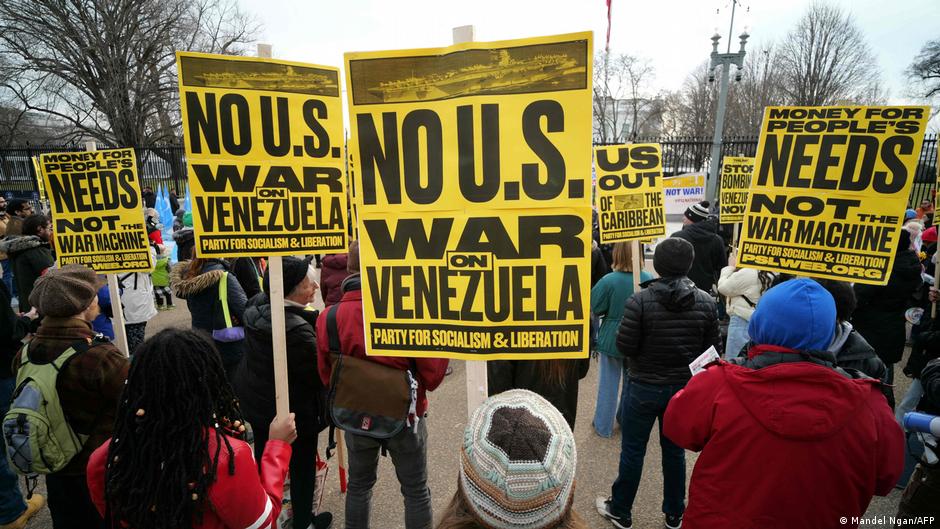
He also hinted at another round of action in Iran, a symptom of his growing affinity for military force. Another sign: Nigeria was the seventh country bombed in less than a year. Asked about guardrails to global power, Trump told the New York Times: "My own morality. My own mind. It's the only thing that can stop me." "I don't need international law," he added. "I'm not looking to hurt people."
US politics
fromwww.theguardian.com
2 months agoIMF warns tariffs and geopolitical tensions threaten markets and global growth
The International Monetary Fund has warned mounting geopolitical tensions and an escalation of Donald Trump's tariff war could hit global economic growth and trigger a backlash in financial markets. In an update as Trump threatens to impose tariffs on Nato allies opposed to his ambitions in Greenland, the Washington-based fund said a renewed eruption in trade tensions was among the biggest risks to global growth in 2026.
World news
fromwww.dw.com
2 months agoWhat 'banana republic' means and why its history matters
In the coastal city of Trujillo, he'd observed how the US-owned United Fruit Company dominated the city's railways and docks and wielded significant political influence. This inspired his novel "Cabbages and Kings" (1904), in which he wrote about the fictional republic of Anchuria — a 'small, maritime banana republic' whose government bent to the interests of a powerful foreign corporation.
World news
[ Load more ]