#india-internet-blocking
#india-internet-blocking
[ follow ]
#social-media #internet-censorship #india #cybersecurity #iran #censorship #russia #internet-blackout #ai-regulation



#data-privacy

Privacy professionals
fromBBC News
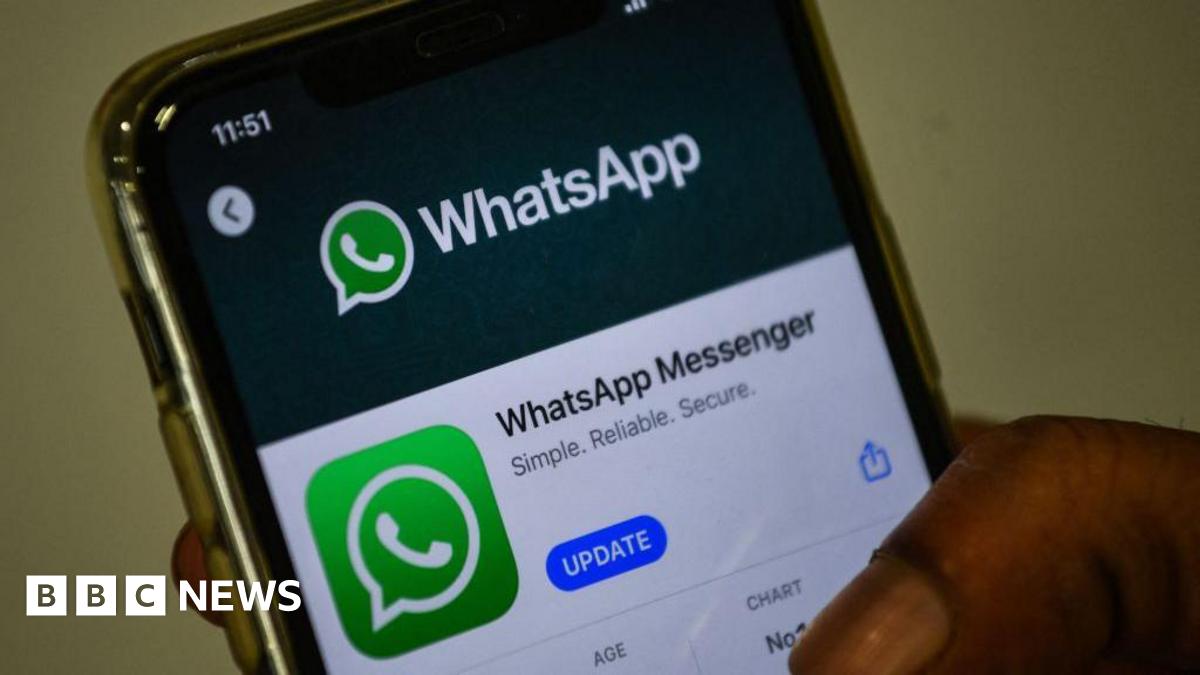
1 month agoWhatsApp: Why is the messenger's privacy policy in India facing a legal challenge?
WhatsApp commits to end-to-end encryption protection, implements CCI data-sharing remedies, and prohibits conditioning service access on data sharing with Meta companies in India.
fromElectronic Frontier Foundation
1 week agoDigital Hopes, Real Power: From Revolution to Regulation
66% of internet users live where political or social sites are blocked, and 78% are in countries where people have been arrested for online posts. New social media regulations have emerged in dozens of countries in the past year alone.
World politics
#internet-censorship
World news
fromwww.theguardian.com
1 month agoInternet blackout is tool of desperate regime to isolate Iranians, say experts
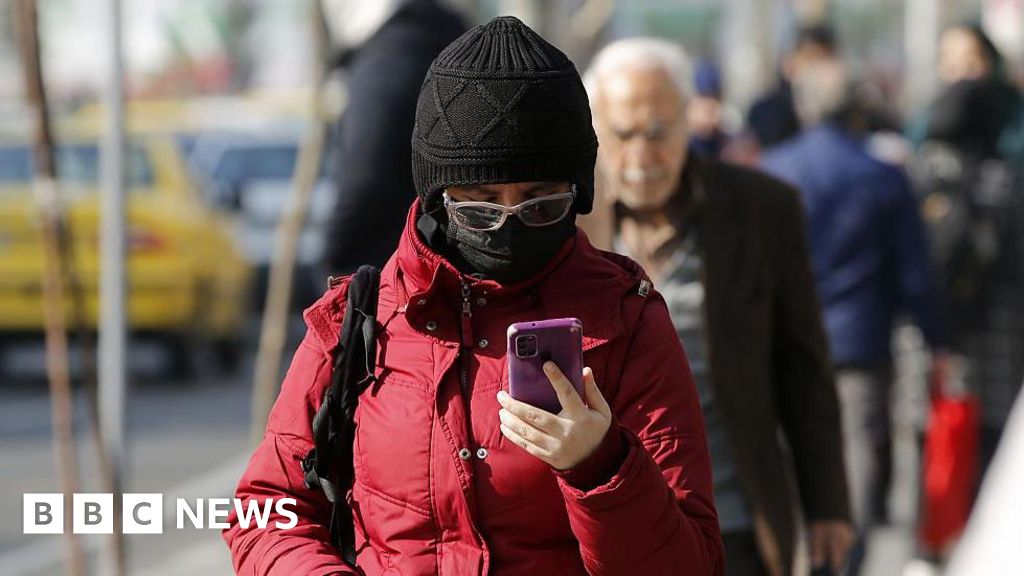
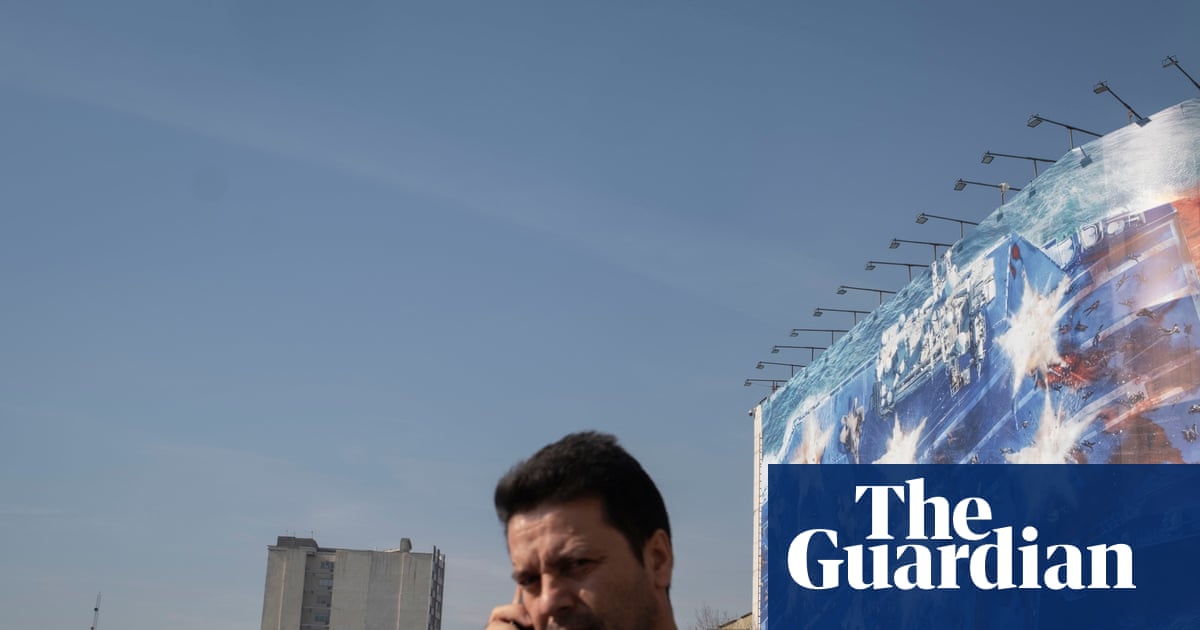
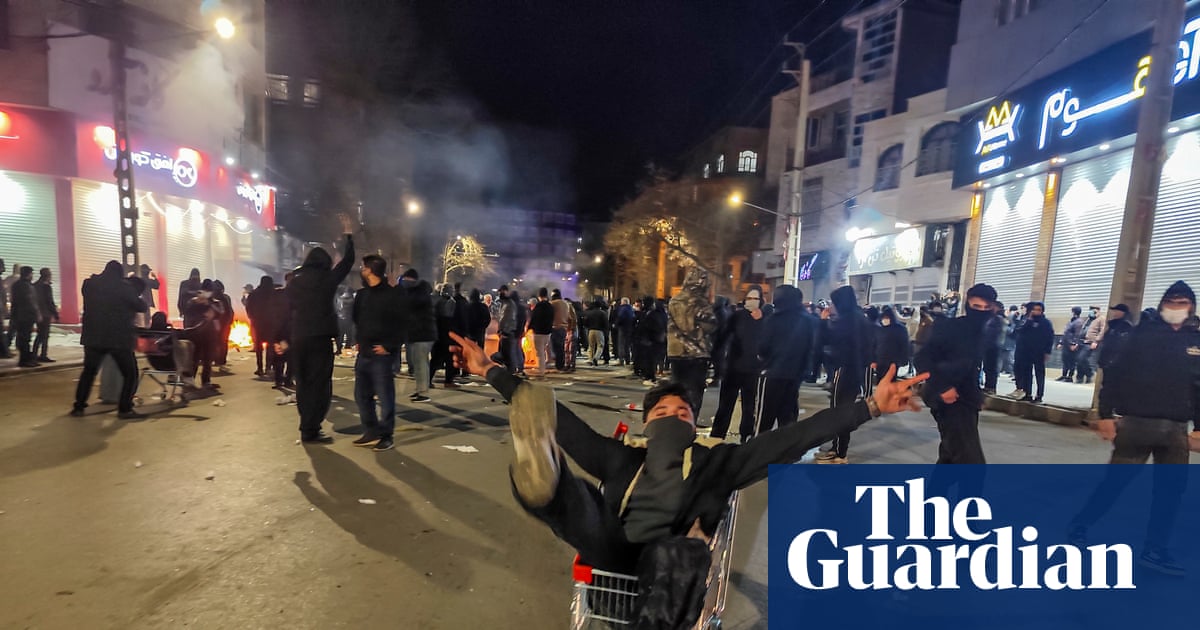
Iran implemented a near-total internet blackout following military strikes, primarily through intentional government action rather than infrastructure damage, to prevent coordinated opposition and maintain regime control.
World news
fromwww.theguardian.com
1 month agoInternet blackout is tool of desperate regime to isolate Iranians, say experts
Iran implemented a near-total internet blackout following military strikes, primarily through intentional government action rather than infrastructure damage, to prevent coordinated opposition and maintain regime control.



fromwww.dw.com
2 weeks agoThe internet was supposed to be free. What went wrong?
When Guatemalan computer scientist Luis von Ahn first proposed the idea of "games with a purpose" (GWAPs) in 2004, his goal was to harness human brainpower so that computers could learn from it. His idea was simple: Get humans to solve tasks that are trivial to us but difficult for computers back then, like labeling images, transcribing text or classifying data.
Games
fromPinkNews | Latest lesbian, gay, bi and trans news | LGBTQ+ news
3 weeks agoPornhub blocks access for users in Australia as new rules take effect
Aylo, the parent company of Pornhub, RedTube, YouPorn and Tube8, has begun limiting access for Australian users, with Pornhub remaining partially accessible and showing only non-explicit content. The restriction comes ahead of new rules introduced by Australia's eSafety Commissioner to reduce children's exposure to harmful material taking effect.
Public health


Russo-Ukrainian War
fromBusiness Insider
2 weeks agoInside the race to cut Russia off from the global internet
Russian military communications face severe disruption as SpaceX cuts Starlink access and authorities restrict Telegram, forcing troops to seek unreliable alternatives while the Kremlin systematically blocks major communication platforms.
#privacy-rights

Privacy professionals
fromwww.bbc.com
1 month agoWhy is WhatsApp's privacy policy facing a legal challenge in India?
India's Supreme Court is scrutinizing WhatsApp's 2021 privacy policy, requiring the platform to give users greater control over data sharing with Meta and allow continued app use without sharing data for advertising.
Privacy professionals
fromwww.bbc.com
1 month agoWhy is WhatsApp's privacy policy facing a legal challenge in India?
India's Supreme Court is scrutinizing WhatsApp's 2021 privacy policy, requiring the platform to give users greater control over data sharing with Meta and allow continued app use without sharing data for advertising.
World politics
fromRadioFreeEurope/RadioLiberty
1 month agoIran Plunged Into Digital Darkness as Internet Blocked Amid US, Israeli Air Strikes
Iran experiences near-total internet blackout to 4% connectivity during coordinated US-Israel aerial bombing campaign targeting missile and nuclear infrastructure.
Digital life
fromTechCrunch
4 weeks agoIndia's Karnataka signals intent to ban social media for under-16s | TechCrunch
Karnataka plans to ban social media for children under 16, joining a global movement to restrict young people's platform access amid concerns over effectiveness and enforcement challenges.
Miscellaneous
fromTechCrunch
1 month agoIndia disrupts access to popular developer platform Supabase with blocking order | TechCrunch
India's government blocked Supabase under Section 69A of the Information Technology Act on February 24, causing widespread access disruptions across multiple internet providers without publicly stating a reason.
fromwww.dw.com
1 month agoIndia's AI governance push takes center stage at summit
However, even if India is not developing frontier AI models, the summit showed New Delhi wants its voice heard about the impacts of AI on developing countries and on whose terms AI is built and deployed. AI is a transformative power. If directionless, it becomes a disruption; if the right direction is found, it becomes a solution, he said, adding the summit was focused on "how to make AI from machine-centric to human-centric; how to make it sensitive and responsive?"
Artificial intelligence
fromwww.dw.com
1 month agoUS and EU battle over online censorship
Recent revelations from news agency Reuters that the US is "developing an online portal that will enable people in Europe and elsewhere to see content banned by their governments including hate speech and terrorist propaganda," as a method to counter what it sees as excessive censorship in other parts of the world is troubling to the EU. Even if the plans appear to have been delayed and detail is thin, the US position is clear.
Miscellaneous
fromwww.theguardian.com
1 month agoThe splinternet: how online shutdowns are getting cheaper and easier to impose
During the height of Iran's blackout in January, people could still access a platform that, in some senses, was like the internet. Iranians could message family members on a government-monitored app and watch clips of Manchester United on a Farsi-language video-sharing site. They could read state news and use a local navigation service. What they couldn't do was check international headlines about thousands of people being killed by government forces during one of the bloodiest weeks in recent Iranian history.
World news
World news
fromFortune
1 month agoIndia's ban on an unflattering BBC documentary about Prime Minister Modi sparks resistance and illicit screenings | Fortune
Indian authorities blocked a BBC documentary on Narendra Modi's role in 2002 anti-Muslim riots, suppressing campus screenings and online sharing, prompting arrests and protests.
Privacy professionals
fromBusiness Insider
1 month agoThe Chinese government's ChatGPT account revealed a global operation to silence dissidents
China operates large-scale coordinated inauthentic campaigns using hundreds of staff and thousands of fake accounts across social media platforms to silence political critics globally.
fromComputerworld
2 months agoIndia may require smartphone manufacturers to disclose source code
According to information provided to Reuters, India is considering a new security requirement that could require smartphone manufacturers to share their source code with the state. The proposal is part of a package of 83 security standards designed to strengthen protection against data breaches and fraud. The requirements include that manufacturers must allow Indian authorities to review the source code in special test labs and notify the government before major software updates are released.
World news
Privacy technologies
fromTechCrunch
1 month agoIndia makes Aadhaar more ubiquitous, but critics say security and privacy concerns remain | TechCrunch
India is expanding Aadhaar's everyday use via a new app, offline verification, and mobile-wallet integration, raising security, consent, and database-use concerns.



World news
fromRadioFreeEurope/RadioLiberty
2 months agoIran Remains In Digital Darkness As Trump Mulls US Action Over Deadly Crackdown On Protesters
Iranian authorities have imposed an internet blackout while security forces violently suppress widespread anti-government protests, with thousands killed, detained, and threatened with execution.
fromTechCrunch
2 months agoIndian states weigh Australia-style ban on social media for children | TechCrunch
India could become the next major test case for age-based social media bans, as states weigh Australia-style restrictions on children's access to platforms amid a growing global regulatory push. The push has begun at the state level, with the western state of Goa becoming the latest to study whether to bar children under 16 from social media platforms. "Australia has brought in a law ensuring a ban on social media for children below the age of 16,"
World news
[ Load more ]