#indigenous-livelihoods
#indigenous-livelihoods
[ follow ]
fromSmithsonian Magazine
1 day agoNative Nations Fought in the American Revolution to Protect Their Ancestral Lands. After the War, Settlers Seized Their Territory Anyway
"Once the Declaration of Independence is issued by Congress, then it kind of changes the calculus. Then, both sides are putting pressure on Native people to join one side or the other."
History
Environment
fromwww.theguardian.com
1 day agoIf they pollute our rivers, what will become of us?': the town divided between hope and fear in Brazil's Amazon oil rush
Oiapoque, Brazil, is poised for development through oil production, raising concerns about environmental impacts and Indigenous rights amid a global energy transition.
fromReadWrite
3 days agoTribal leaders fight federal oversight of sports prediction markets
"Today, our Board took decisive action to protect what generations before us fought to build. These so-called prediction markets are an attempt to bypass tribal authority and recast gambling as a financial product. We will not allow that. We will stand united to defend tribal sovereignty and the integrity of Indian gaming."
Poker
#indigenous-land-reclamation

East Bay real estate
fromwww.berkeleyside.org
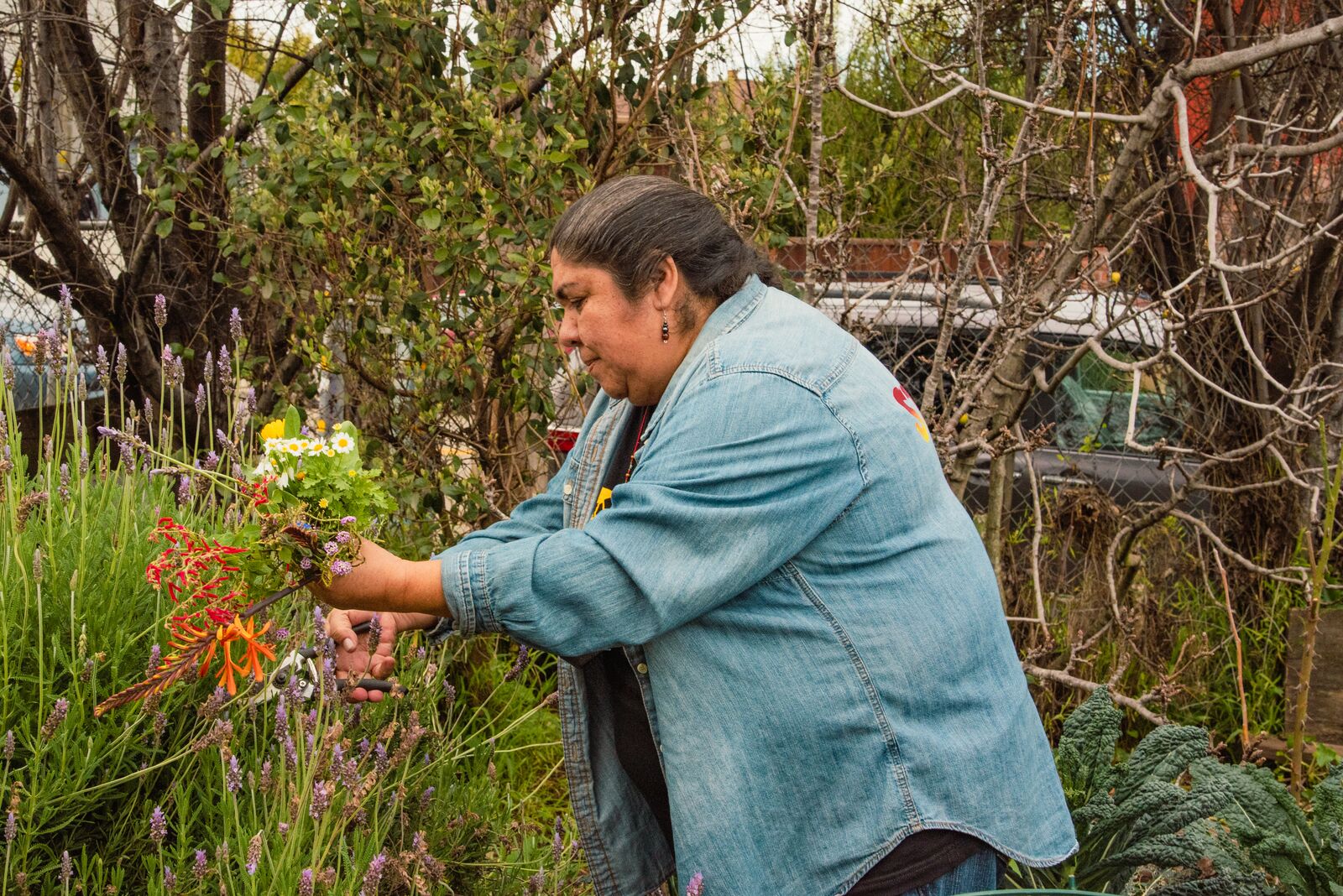
2 weeks agoHow an Ohlone nonprofit quickly became one of the wealthiest Indigenous land trusts in the nation
Sogorea Te' Land Trust is removing 80+ years of asphalt from a Fourth Street parking lot to restore it as an Indigenous-controlled green space honoring Ohlone history and culture.
Mission District
fromABC7 San Francisco
2 weeks agoTribal members to help shape Bay Area open space as historic Juristac lands are reclaimed by deal
The Amah Mutsun tribe successfully reclaimed Juristac, a sacred ancestral landscape near Gilroy, California, after community opposition halted mining plans and the Peninsula Open Space Trust purchased over 6,000 acres.
Canada news
fromwww.cbc.ca
2 weeks ago'We've had enough secrets': First Nations group opposes Ontario move to limit freedom-of-information laws | CBC News
First Nations oppose Ontario's proposed FOI law changes that would exempt premier and cabinet records from public access, citing reduced transparency for decisions affecting Indigenous rights and lands.
fromNew York Post
2 weeks agoCalifornia plots return of 7.5 million acres of land and coastal waters to Indigenous tribes
When California became a state in 1850, officials signed 18 treaties setting aside millions of acres for tribal reservations. Congress killed the deals in secret after pressure from state leaders. Many tribes had already moved, trusting the promises. Now California wants to make good.
SF politics
fromArchDaily
3 weeks agoBuilding with Earth: Traditional Knowledge in Contemporary Architecture
Rather than representing a simple return to the past, this renewed interest reflects a broader reconsideration of how architecture engages with materials, local resources, and environmental conditions.
Renovation
fromOregon ArtsWatch * Arts & Culture News
2 weeks agoTribal sovereignty and civil rights focus of free 250th anniversary discussion on March 19 * Oregon ArtsWatch
The issue is really relevant now because the issue is being argued again in terms of things like states being able to pass rules to suppress votes that have been used before. For example, if a physical address is required to vote, many Indian lands have only recently gotten streets with addresses.
Social justice
History
fromHigh Country News
3 weeks agoHow Montana tribes are using sovereignty to restore their waterways - High Country News
The 2015 CSKT-Montana Compact Water Rights settlement restores tribal water rights from the 1855 Hellgate Treaty while enabling river restoration and shared management of the Jocko River watershed.
fromLos Angeles Times
2 weeks agoCalifornia pledges to open 7% of its land and waters to Indigenous tribes - a step toward healing a 175-year-old broken promise
That number represents roughly 7% of the state's land and waters. It also corresponds with the amount of land the federal government promised it would hold as reservations for Indigenous tribes after California joined the union in 1850. Congress ultimately rejected these treaties in a secret meeting - after pressure from the state - and failed to notify tribes, many of whom upheld their end of the agreement to relocate.
Agriculture
Environment
fromTruthout
2 weeks agoGrowing Presence of AI Data Centers Prompts Debate on Native Lands
AI data center expansion creates environmental and cultural challenges for Native American tribes, sparking debates over tribal digital sovereignty and regulatory needs for data infrastructure control.
Online Community Development
fromABC7 Los Angeles
1 year agoPowwows: Celebrating the culture and community of Indigenous people
The Dix Park Inter-Tribal Powwow brings together Indigenous communities from North Carolina's eight state and federally recognized tribes for cultural celebration, competition dancing, and traditional music.
Canada news
fromwww.cbc.ca
1 month agoThey found Indigenous ancestral remains on their property. They say doing the right thing shouldn't cost them | CBC News
A couple's property renovation in Ontario halted after discovering ancestral Indigenous remains, potentially costing them hundreds of thousands of dollars in unexpected expenses.
fromwww.theguardian.com
1 month agoWays to Traverse a Territory review documenting an ancient and disappearing way of life
Here dwells the indigenous Tzotzil community which has kept a pastoral way of life against the march of time. Apart from the odd forest ranger and passerby, Ruvalcaba's film focuses almost entirely on the Tzotzil women. Together, they tend herds of sheep which they still shear by hand, and use traditional tools for spinning yarns and natural dye for fabrics.
Film
fromenglish.elpais.com
1 month agoRobin Wall Kimmerer, scientist and writer: Capitalism is not a natural phenomenon; it's a choice'
Kimmerer proposes kindness as an act of resistance. We need to equip ourselves with a new language, she explains, something that affirms that this is what it means to be human. In a world where kindness breeds distrust or is scorned, kindness, she affirms, is becoming a militant gesture. When you're kind to someone, it's not universally expected that they'll respond with kindness, but if that seed is planted, both people feel better,
Books
Food & drink
fromenglish.elpais.com
2 months agoA recipe for resistance: Indigenous peoples politicize their struggles from the kitchen
Indigenous food cultures preserve biodiversity, seed sovereignty, and traditional techniques, resisting homogenizing Western diets through communal knowledge, cultivation, fishing, and shared recipes.

fromTruthout
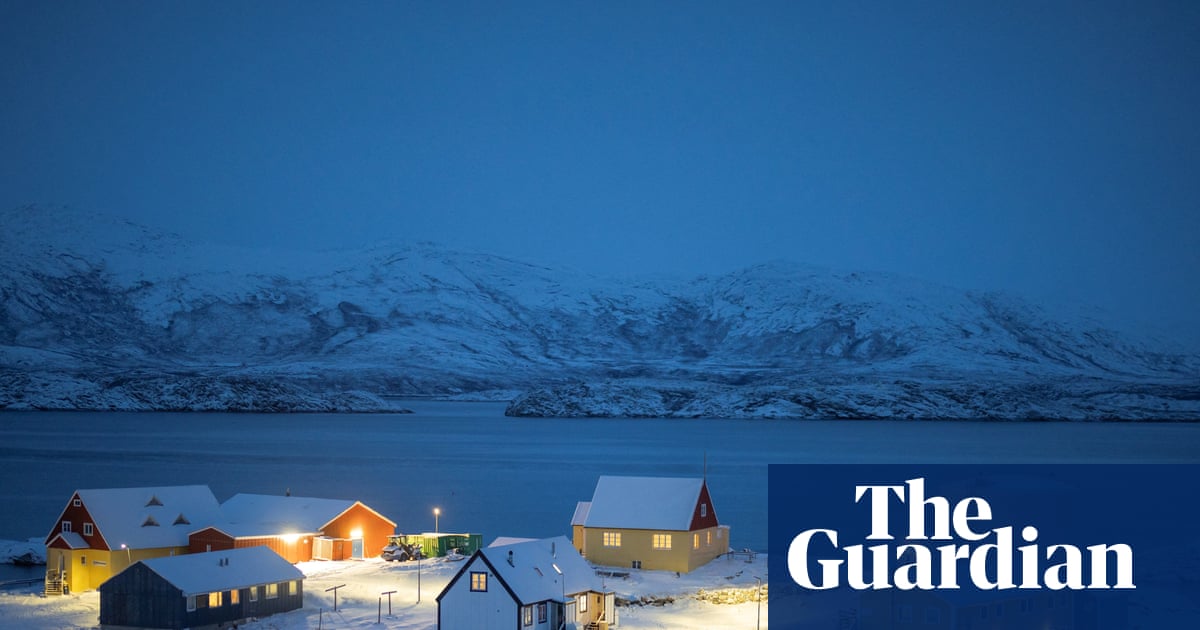
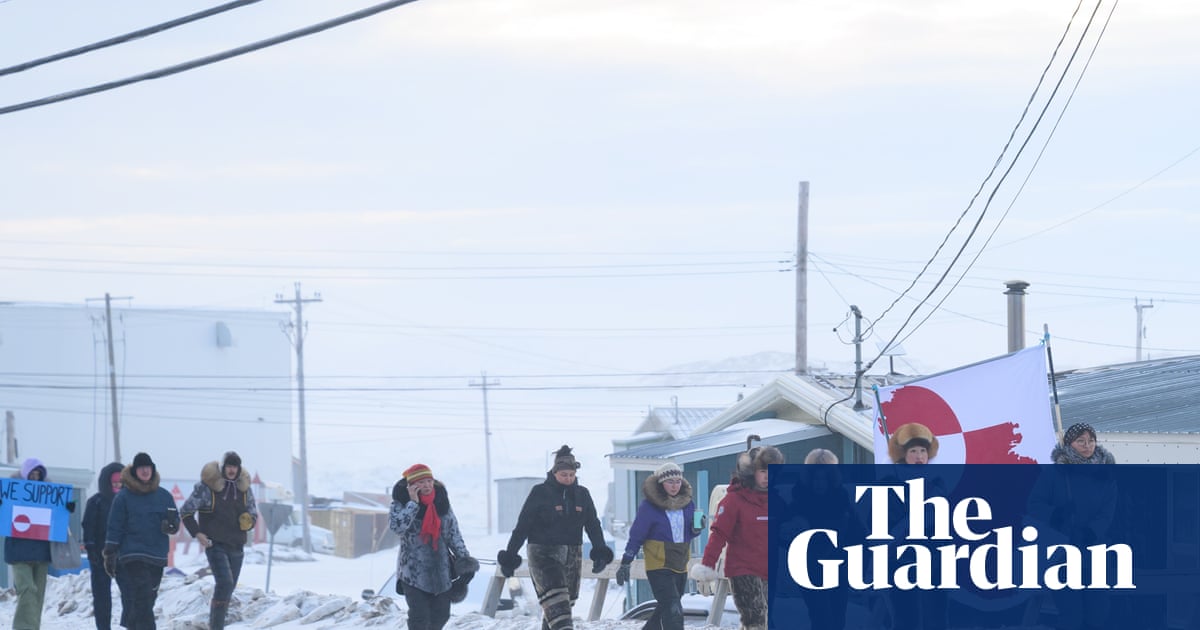
2 months agoThis Tribal News Agency Shows How to Defend a Free Press at the Grassroots
To say press freedoms in the U.S. have taken a knock during the first year of Donald Trump's second term would be a gross understatement. Perhaps the most glaring example is the Department of Defense's new policy requiring journalists covering the Pentagon to sign a pledge promising not to use any information that hasn't been explicitly authorized. But the Trump administration's attacks on a free press have also included other tactics, like the effort to dismantle Freedom of Information Act processes across federal departments.
US politics
fromHigh Country News
1 month agoIt's time to rethink how we care for our public lands and waters - High Country News
Wildlife populations are in decline. Recreation sites are crowded and often underfunded. Wildfires are larger, more destructive and harder to control. Climate change is reshaping natural systems, from ocean fisheries to mountain snowpacks, faster than institutions can respond. At the same time, communities are being asked to host new energy projects, transmission lines and mineral development - often without clear processes, adequate resources or trust that decisions are being made in the public interest.
Environment
fromKqed
1 month agoMaidu Tribe Returns to Its Roots of Ancestral Fire | KQED
The Maidu tribe of Butte County-Berry Creek, Mechoopda, Mooretown, Enterprise and Konkow Valley, come together to conduct CAL-TREX prescribed burn training to relearn how to put helpful fire back on their native lands that have been devastated by recent catastrophic wildfires. Organizers say the training camp is designed to help restore fire-scarred lands and people. While other Northern California tribes have been reintroducing cultural fire for decades,
California

fromApaonline
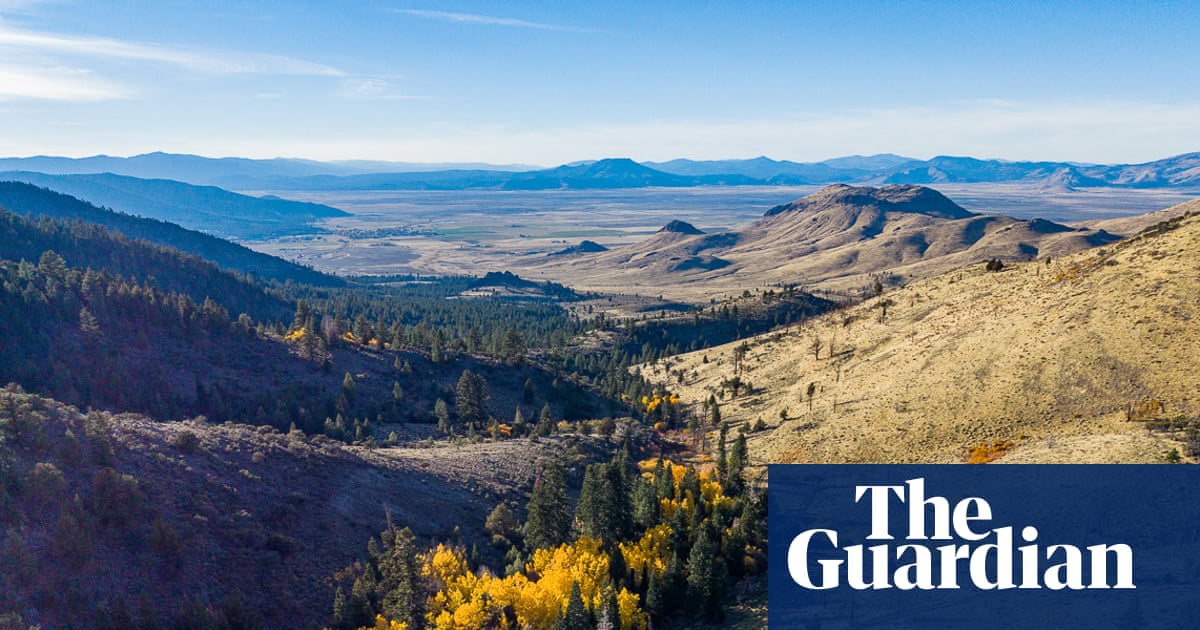
2 months agoThreading the Needle: Can We Respect Local Knowledge While Resisting Misinformation?
It's common knowledge that we are awash in misinformation that can have severe negative consequences for society. When people hold false beliefs about the safety of vaccines, the outcomes of elections, or the causes of climate change, it is much more difficult for them to make responsible decisions on behalf of their families and communities. It is tempting to respond to this challenge by insisting that expert scientists know best and to dismiss those who challenge the experts.
Philosophy
fromArchDaily
1 month agoWorld Monuments Fund Backs 21 Locally Led Heritage Projects Addressing Climate Risks and Indigenous Knowledge Loss
On February 10, WMF announced a $7 million commitment to support 21 heritage preservation projects launching in 2026. These investments advance work at sites included on the 2025 World Monuments Watch, WMF's nomination-based advocacy program, while also supporting new phases of conservation, planning, and training at additional heritage sites across five continents. The selected sites reflect a wide chronological and geographic range, from ancient cultural landscapes to modern architectural landmarks.
World news
fromHigh Country News
2 months agoWhat does 'time immemorial' really mean? - High Country News
Natives have been told our whole lives - in classrooms, through academic research and in popular myth - that humans first migrated into North America around 12,000 years ago. Native histories consistently disagree, however, asserting that humans were here much earlier than that. Using the phrase time immemorial is a way to push back; it succinctly communicates longevity without quibbling over exact numbers and dates.
History
US politics
fromFortune
2 months agoNative Americans, literally the furthest thing from immigrants, fear deportation amid unprecedented ICE actions | Fortune
Many Native Americans are securing tribal ID cards as proof of U.S. citizenship and protection from ICE raids while tribes ease access to those IDs.
fromKqed
2 months agoMaidu Tribes Reignite Ancestral Fire Stewardship in the Sierra Foothills | KQED
Before burning the meadow, Herrera urged everyone to think about those who would gather materials in the coming months. "It's going to be a place where our people can gather food, fibers and medicines," she said. "We want to make sure all of that stuff stays really clean." Basket weavers often hold materials in their mouths, and it's long been a challenge to find plants free of fuel or herbicides. Here, the tribe can tend its garden as it chooses.
Environment
Environment
fromOregon ArtsWatch * Arts & Culture News
2 months agoAn Oregon tribal attorney's quest to save the Klamath River * Oregon ArtsWatch
Yurok tribal attorney led legal effort removing four Klamath River dams, restoring salmon runs and tribal rights; public talk at Ashland Public Library Jan. 10.
fromHigh Country News
2 months agoAn EPA proposal would make it harder for tribes to protect their water - High Country News
Developers seeking to build dams, mines, data centers or pipelines must navigate a permitting process to do so. One requirement in the process is obtaining certification from a tribe or state confirming that the project meets federal water quality standards. Currently, tribes and states conduct holistic reviews of projects, known as " activity as a whole ", evaluating all potential impacts on water quality, including spill risks, threats to cultural resources, and impacts on wildlife. This approach was established under the Biden administration in 2023.
Environment
fromSFGATE
2 months ago10,000 acres along the Klamath River purchased by Indigenous land trust
The Klamath Indigenous Land Trust recently purchased 10,000 acres along the Klamath River, signifying one of the largest Indigenous-led private land purchases in U.S. history as salmon continue to make their historic return to the newly revived watershed. The expansive property, located mostly in California and extending into Oregon, includes the sites of reservoirs that existed up until the removal of four of the Klamath's dams in 2023 and 2024.
Environment
Environment
fromwww.berkeleyside.org
2 months agoRemembering Nancy Gorrell, artist and activist who helped make Indigenous Peoples Day a holiday in Berkeley
Nancy Elizabeth Gorrell was a Berkeley-based artist, environmentalist, activist, and educator who led local and national efforts for Indigenous Peoples Day and zero-waste initiatives.
[ Load more ]