Design
fromPsychology Today
6 hours agoThe Future of Brain Health Is Architecture
The built environment significantly influences mental health, mood, and performance, with neuroscience guiding design for improved well-being.
Lachlan Turczan's practice sits in the space between physics, optics, and environmental art, as he works with lasers, water, mist, and custom-built lenses to produce sculptures made entirely from light.
Meininger, who grew up in Germany but now lives in London, likes making things. So when he saw how much his young sons enjoyed the jungle gym and play forts at the local park, he made an indoor treehouse for them.
When you design your home with intentionality, you are essentially 'hard-coding' healthy behaviors into your daily rhythm. Health outcomes are the result of thousands of micro-decisions—so in his own home, he prioritized spaces like the kitchen, whose open layout makes cooking a pleasure, and the gym, centrally located.
The regeneration plan includes over 10,000 apartments, new transportation links, and commercial and civic spaces, forming a comprehensive urban redevelopment strategy aligned with 15-minute city principles.
The original intent of pilotis was to create a sense of lightness that would allow circulation and light to flow beneath a structure, but contemporary requirements render thin columns insufficient for large-scale civic projects.
Cities around the world share a common goal: to become healthier and greener, supported by civic infrastructure that restores ecosystems and strengthens public life. The question is how to reach this. Global climate targets, local building codes, and municipal standards increasingly guide designers and planners toward better choices. Still, many cities struggle to translate these frameworks into everyday, street-level comfort and long-term ecological protection.
Decades of research in environmental psychology and building science reveal that indoor conditions can profoundly affect human health and behavior. Lighting influences circadian rhythms and sleep patterns. Air quality impacts cognitive performance and respiratory health. Temperature and acoustics shape comfort and concentration.
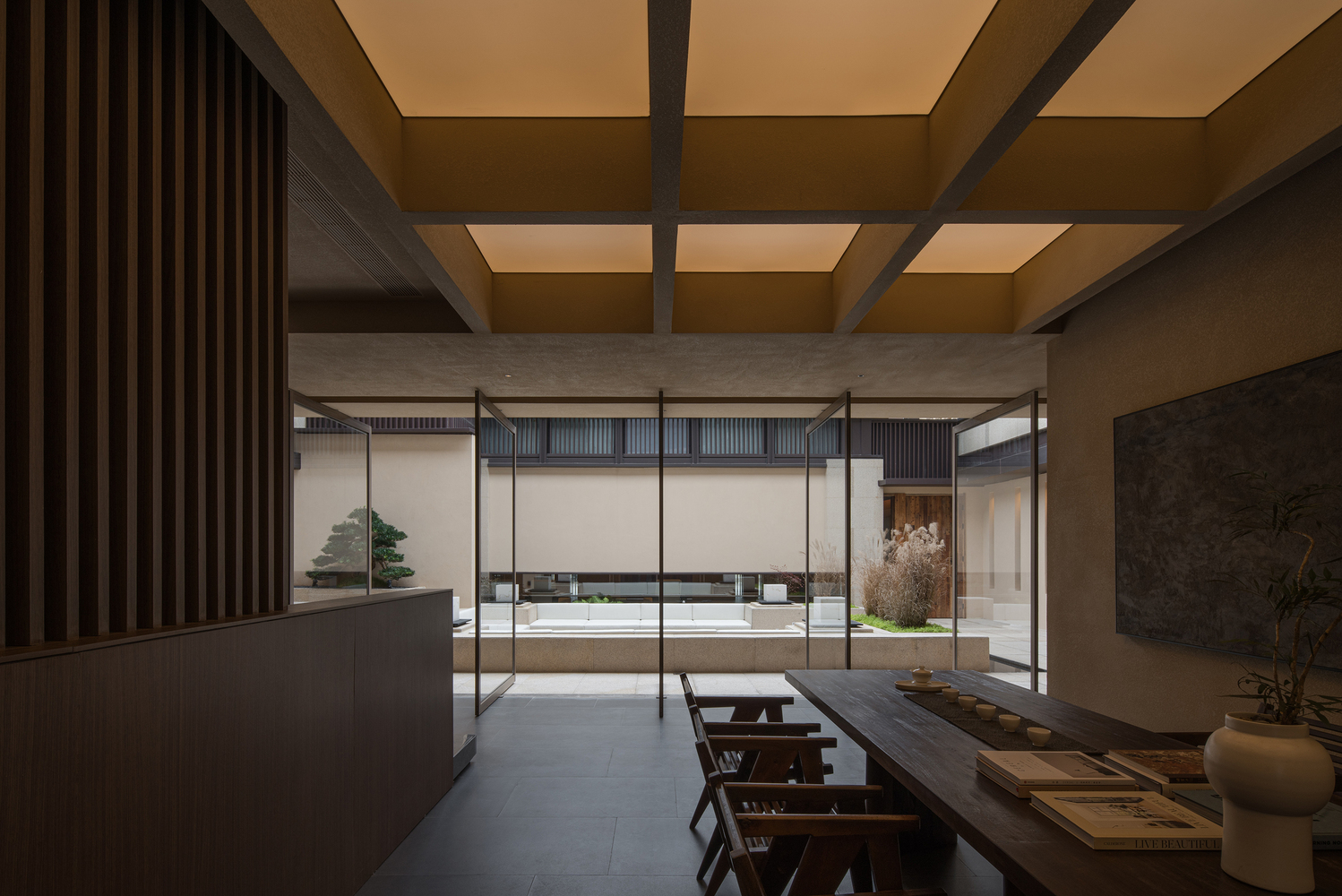
From the large industrial roofs and galleries of the 19th century to the contemporary atriums of museums and public buildings, glass has been a recurring material in shaping large and monumental interior spaces. More than a technological or engineering solution, these horizontal glazed planes introduce a distinct luminous quality: light that comes from above. Unlike lateral daylight entering through façades, zenithal light is more evenly distributed, reduces harsh shadows, and lends spaces a sense of continuity and openness that is difficult to achieve otherwise.