#infrastructure-relocation
#infrastructure-relocation
[ follow ]
#new-york-city #infrastructure #transportation #urban-planning #housing-development #sustainability #remote-work
fromwww.theguardian.com
1 day agoHow Paris swapped cars for bikes and transformed its streets
Corentin Roudaut, who once felt overwhelmed by Paris's traffic, found renewed confidence in cycling after the establishment of a segregated bike lane on Boulevard Voltaire. He now actively participates in promoting cycling in the city, witnessing a remarkable transformation in urban mobility and safety over the last decade.
Paris food



fromTime Out New York
5 days agoHow realistic is it to move Madison Square Garden to fix Penn Station? Here's the not-so-simple answer.
The Grand Penn proposal would move Madison Square Garden across Seventh Avenue, onto or near the former Hotel Pennsylvania site, and use the freed-up space above Penn Station to build a much grander, roomier train hall.
New York Knicks
fromwww.cbc.ca
4 days agoSeen a tow truck zone expansion sign? Here's what it means | CBC News
The province is expanding its tow truck zones starting April 1 to restrict more sections of Ontario's highways to contracted companies approved by the Ministry of Transportation. This change aims to improve safety and streamline the towing process.
Toronto startup
#urban-development
Business intelligence
fromLondon Business News | Londonlovesbusiness.com
6 days agoWhy GIS matters in modern infrastructure and urban planning: Building smarter, future-ready cities - London Business News | Londonlovesbusiness.com
GIS is essential for effective urban planning, enabling data-driven decisions that enhance infrastructure and quality of life in rapidly growing cities.

Business intelligence
fromLondon Business News | Londonlovesbusiness.com
6 days agoWhy GIS matters in modern infrastructure and urban planning: Building smarter, future-ready cities - London Business News | Londonlovesbusiness.com
GIS is essential for effective urban planning, enabling data-driven decisions that enhance infrastructure and quality of life in rapidly growing cities.

fromwww.amny.com
2 days agoAOC urges Hochul to scrap plan that would widen Cross Bronx Expressway | amNewYork
Ocasio-Cortez emphasized the need to protect the community, stating, 'On behalf of my constituents and nearly 64,000 local residents impacted by this project, I am requesting that your administration reject any plans to expand the Cross Bronx Expressway beyond its current footprint.'
NYC politics
fromFast Company
5 days agoHow Paris redesigned itself to be a city of bikes-not cars
"This project is symbolic of what we've done over the last 12 years, reshaping the streets and the city," Christophe Najovski, the city's deputy mayor in charge of green spaces, stated during the opening ceremony.
Paris food
fromStreetsblog New York City
3 days agoFriday's Headlines: Margin For Terror Edition - Streetsblog New York City
The first three months of 2026 were among the three safest first-three-month periods since records started being kept at the dawn of the Automobile Age, with only 42 fatalities from car crashes in New York City.
Alternative transportation

Real estate
fromInc
2 weeks agoWhy Connectivity Is the New 'Location' in Commercial Real Estate
Digital infrastructure and connectivity now rival or surpass traditional location as the primary factor determining real estate value for business properties, with 96% of U.S. business leaders willing to pay premium prices for reliable connectivity.


fromwww.housingwire.com
2 weeks agoHow Public Financing Wins Projects Before You Build
Through Community Facilities Districts (CFD), Municipal Utility Districts (MUD), Public Improvement Districts (PID), Community Development Districts (CDD) and reimbursement districts (RD), builders can potentially shift infrastructure costs off their balance sheets and onto special districts that homebuyers ultimately absorb through property taxes without potentially adding debt to the builder's books.
LA real estate
Boston real estate
fromwww.amny.com
2 weeks agoExpert Analysis
Cities can unlock 100,000+ housing units by leveraging 50+ million square feet of unused development rights on municipal properties and transit facilities through strategic air-rights deployment and alternative ownership models beyond traditional ground leases.

Alternative transportation
fromStreetsblog
2 weeks agoWhy Some Congresspeople Want to Go Big on Greenways - Streetsblog USA
The Parks to People Act proposes $300 million in federal funding for walking and biking infrastructure as essential transportation tools, despite political opposition dismissing them as distractions.

fromArchDaily
3 weeks agoMobility Justice: Urban Equity in an Era of Innovation
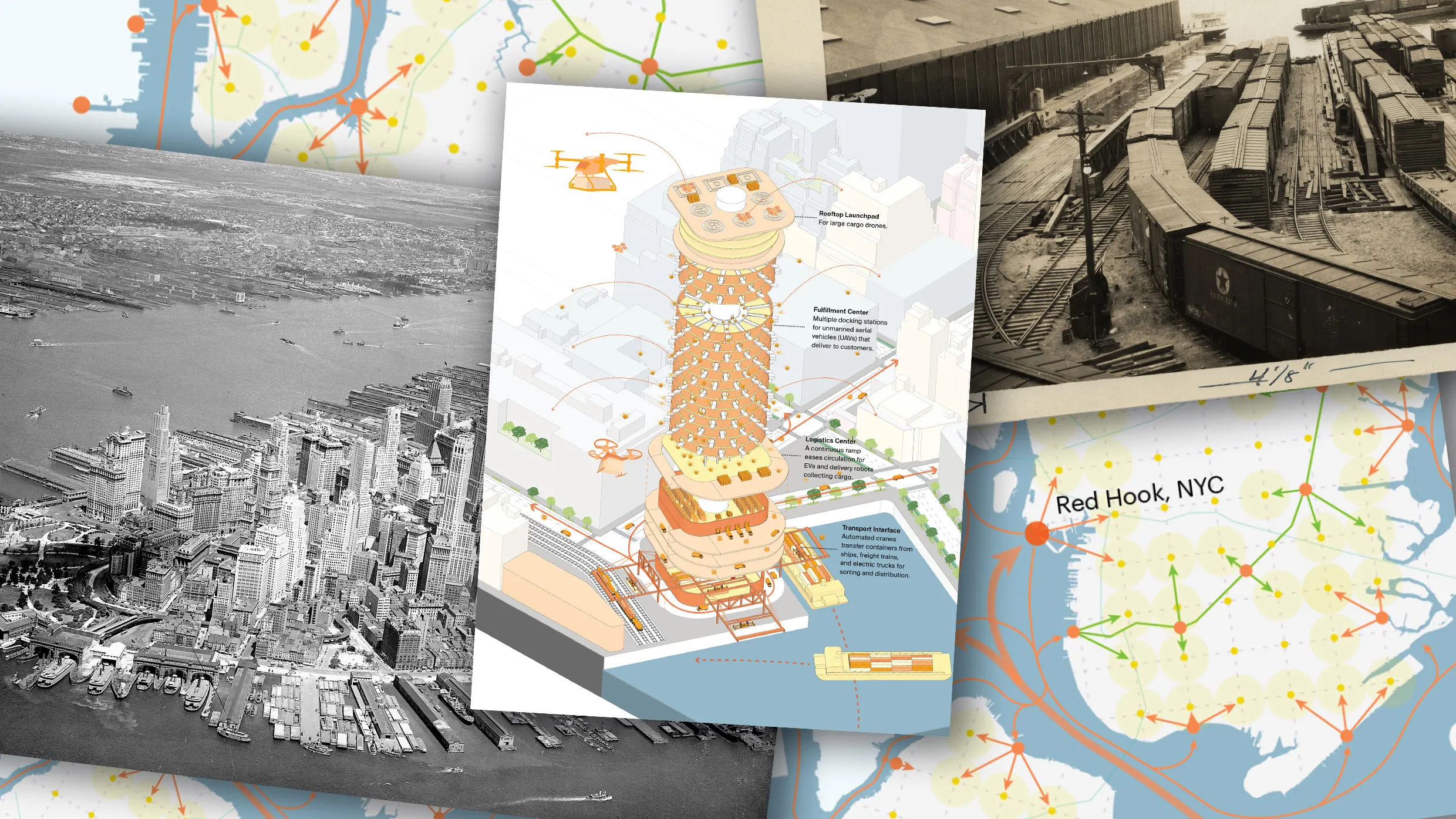
Every city contains two transportation systems. One is the visible network of roads, rail lines, sidewalks, and bus routes mapped in planning documents. The other is the invisible geography of privilege and exclusion embedded within it: the neighborhoods that received highways instead of parks, the communities whose bus routes were cut, the sidewalks that abruptly end at the edge of a district.
Alternative transportation
fromArchDaily
1 month agoMoving Capitals Across Global Contexts: From Strategic Planning to Environmental Necessity
Across history, the relocation of capital cities has often been associated with moments of political rupture, regime change, or symbolic nation-building. From Brasília to Islamabad, new capitals were frequently conceived as instruments of centralized power, territorial control, or ideological projection. In recent decades, however, a different set of drivers has begun to shape these decisions. Rather than security or representation alone, contemporary capital relocations are increasingly tied to structural pressures such as demographic concentration, infrastructural saturation, environmental risk, and long-term resource management.
World news
fromBusiness Matters
1 month agoThe impact of road signs on economic development
When routes are well organized, there are clear directional signs, and speed limits become reasonable. The early installation of warning signs allows transport companies to plan deliveries more accurately and avoid delays. For businesses, time is money. When a truck carrying goods does not spend hours detouring due to an unclear traffic scheme or stuck in traffic where it could have been avoided thanks to competent traffic management, fuel costs, driver wages, and vehicle maintenance costs are reduced.
Alternative transportation
fromArchDaily
1 month agoHealth, Habitat, and Civic Infrastructure: Designing the City as a National Park
Cities around the world share a common goal: to become healthier and greener, supported by civic infrastructure that restores ecosystems and strengthens public life. The question is how to reach this. Global climate targets, local building codes, and municipal standards increasingly guide designers and planners toward better choices. Still, many cities struggle to translate these frameworks into everyday, street-level comfort and long-term ecological protection.
Environment
Alternative transportation
fromFast Company
1 month agoThe 'time is money' mantra is a terrible starting point for planning and designing infrastructure
Using productivity and time-as-money frameworks to justify transportation planning decisions is economically flawed and oversimplifies the complex nature of traffic congestion and urban mobility.
fromtherealdeal.com
2 months agoBuilders get their remedy, and some cities tweak their defenses
Cedar Street just came out victorious in a multi-year saga with the city of La Canada Flintridge, winning the first successful builder's remedy case in California Superior Court for its 80-unit mixed-use project at 600 Foothill Boulevard and setting a path for other developers to build. But the fight may have left its scars, in time, stress and now soured relationships with some officials.
Real estate
[ Load more ]