#intersection-design
#intersection-design
[ follow ]
#architecture #design #sustainability #community-engagement #public-spaces #urban-design #ai #urban-planning

fromSan Jose Inside
1 day agoCounty and Partners Celebrate Completion of Unique Affordable Housing Project
"To address housing affordability in our community, we need all types of affordable housing options, including affordable ownership opportunities that allow individuals and families an opportunity to build equity alongside housing stability," said Santa Clara County Supervisor Betty Duong.
East Bay real estate


fromdesignboom | architecture & design magazine
1 day agoROOM FOR DREAMS: immersive installations, cinema and talks at milan design week 2026
ROOM FOR DREAMS becomes a living manifesto for utopian optimism, creative courage, and the power of imagination through a multilayered approach where large scale installations, cinematic storytelling, live conversations, and ritual-driven encounters converge.
Berlin
fromwww.theguardian.com
4 days agoEvery child wants to find joy': the scheme designing playground equipment for disaster zones
Meininger, who grew up in Germany but now lives in London, likes making things. So when he saw how much his young sons enjoyed the jungle gym and play forts at the local park, he made an indoor treehouse for them.
Parenting
#urban-development
Business intelligence
fromLondon Business News | Londonlovesbusiness.com
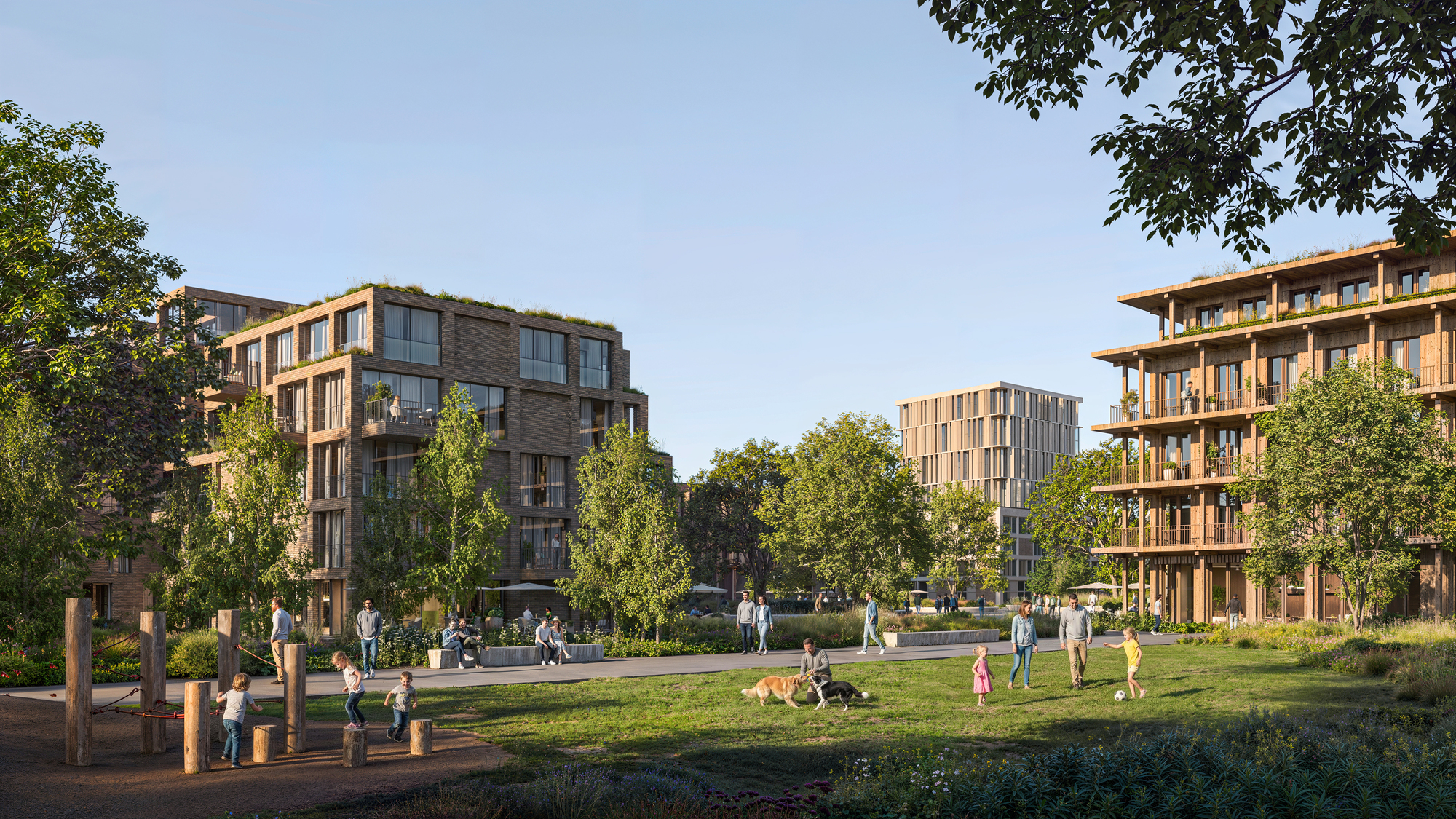
4 days agoWhy GIS matters in modern infrastructure and urban planning: Building smarter, future-ready cities - London Business News | Londonlovesbusiness.com
GIS is essential for effective urban planning, enabling data-driven decisions that enhance infrastructure and quality of life in rapidly growing cities.
Business intelligence
fromLondon Business News | Londonlovesbusiness.com
4 days agoWhy GIS matters in modern infrastructure and urban planning: Building smarter, future-ready cities - London Business News | Londonlovesbusiness.com
GIS is essential for effective urban planning, enabling data-driven decisions that enhance infrastructure and quality of life in rapidly growing cities.
fromArchDaily
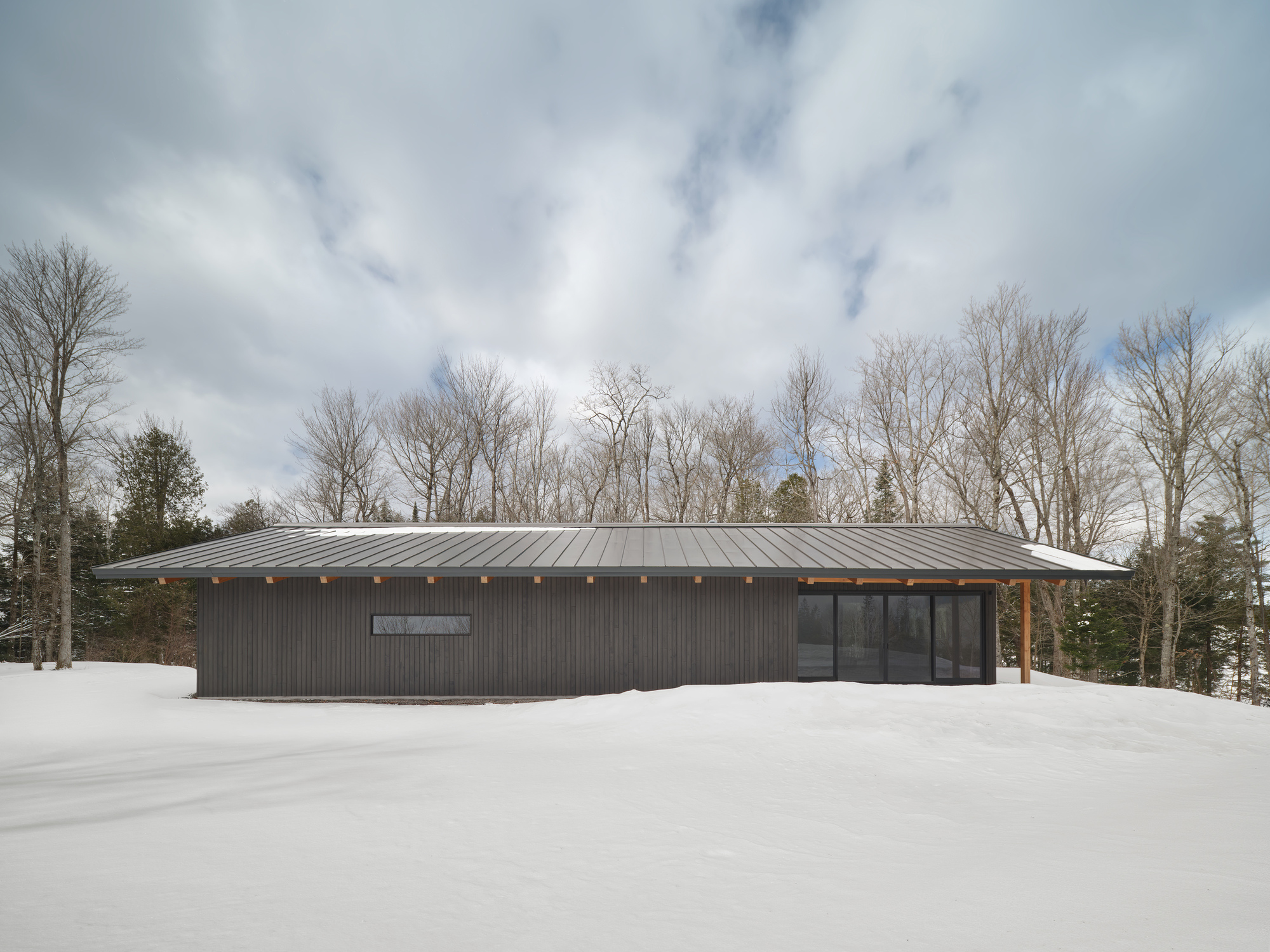
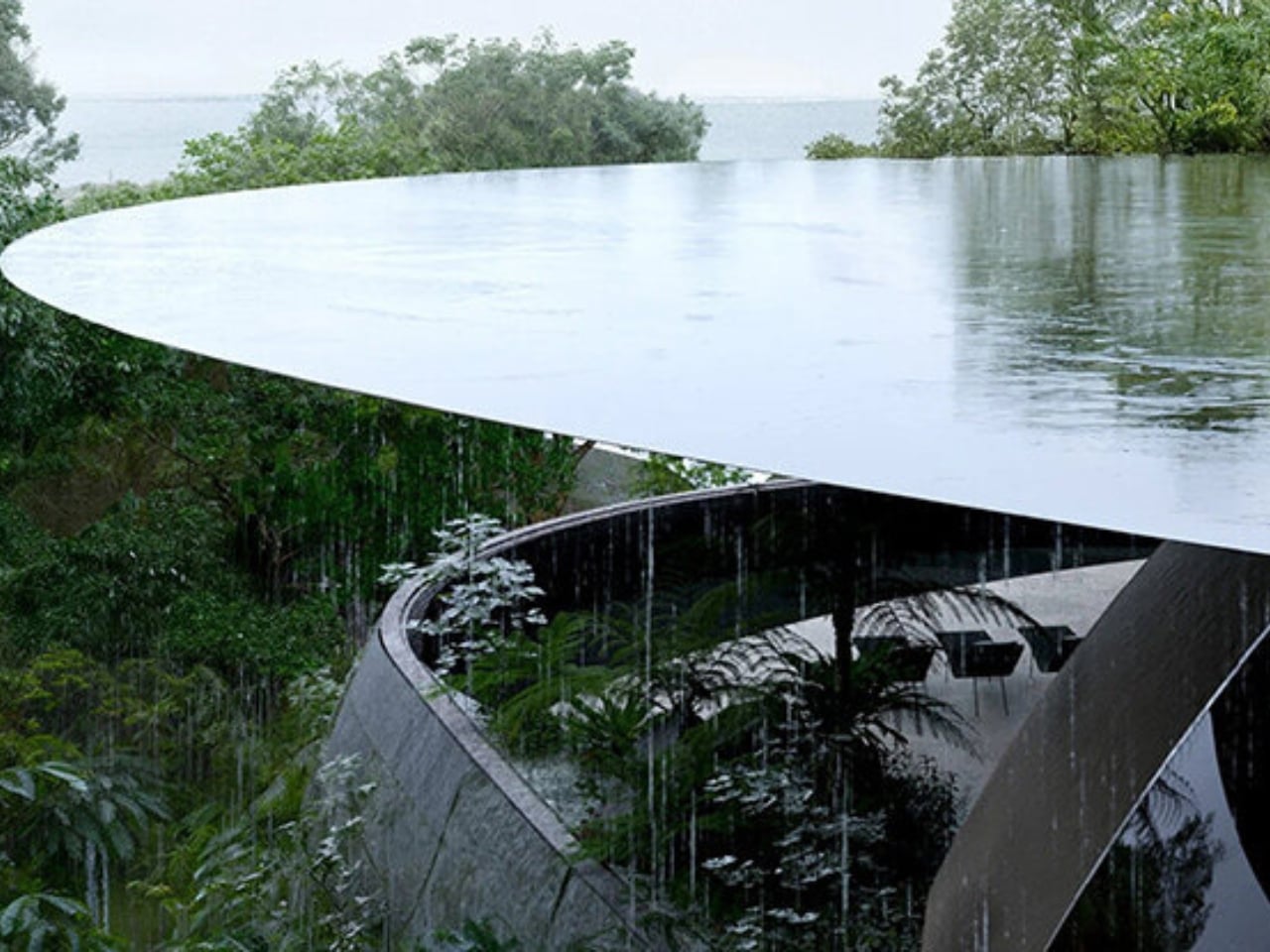
2 days agoThe Illusion of Lightness: Designing Civic Voids for Public Life
The original intent of pilotis was to create a sense of lightness that would allow circulation and light to flow beneath a structure, but contemporary requirements render thin columns insufficient for large-scale civic projects.
Renovation




#design
UX design
fromMedium
3 days agoDesigners finally have a say in the product they design.
AI empowers designers by restoring their decision-making authority in the design process.

Design
fromdesignboom | architecture & design magazine
1 day agoreversible cultural pavilion activates public space in frankfurt 2026
Spain's pavilion for World Design Capital 2026 emphasizes reversible cultural infrastructure and sustainable design through innovative materials and construction methods.
fromdesignboom | architecture & design magazine
2 weeks agocritical futures: how superflux draws upon speculative designs to transform our present
The most effective way to change what people do today is to make them experience what tomorrow can look like. They illustrate details backed by data, science, and facts, allowing their imagined futures to no longer stand as theories but as actionable methods. Where forecasting extends from data, speculative design builds from imagination, supported by research.
Graphic design
Miscellaneous
fromArchDaily
1 month ago7 Unbuilt Masterplans Reimagining Urban Futures Through Ecology and Collective Space
Unbuilt urban masterplans explore adaptive spatial frameworks that recalibrate mobility, ecology, and collective life through climate-responsive design and public space integration across diverse global contexts.
fromFast Company
1 month agoWhy urban planners should strive for 'the photo album standard'
My family had Slide Show Night when I was growing up. Not every Saturday, but a whole bunch of Saturdays. Either my sister or I would be in charge of setting up the projector, the screen, and loading the carousel. During the show, there'd be a few landscapes or skylines taken during vacations, but almost all the shots were up close. Like most dads, mine wasn't a professional photographer, but he did a good job of capturing memory triggers: faces, gestures, and decorations.
Photography
Design
fromYanko Design - Modern Industrial Design News
3 days agoBiomimetic Architecture Reaches New Heights With This Bird-of-Paradise Yoga Space - Yanko Design
Thilina Liyanage's architecture translates animal gestures into functional designs, exemplified by the Rifle Bird Yogashala inspired by the Victoria's riflebird's courtship display.
Design
fromdesignboom | architecture & design magazine
4 days agoartwork uses floating fabric corridor and bodily movement to visualize climate change
Ryo Yamada's Perception Corridor is an immersive installation in Edinburgh that explores perception and environmental awareness through a 40-meter fabric corridor.
Typography
fromItsnicethat
1 month agoWork-Form's practice has its roots in participatory design and place-making
Work-Form combines teaching and studio practice to produce research-led, community-centered graphic design emphasizing immersive processes, participatory methods, and playful typographic experimentation.
fromArchDaily
1 month agoHealth, Habitat, and Civic Infrastructure: Designing the City as a National Park
Cities around the world share a common goal: to become healthier and greener, supported by civic infrastructure that restores ecosystems and strengthens public life. The question is how to reach this. Global climate targets, local building codes, and municipal standards increasingly guide designers and planners toward better choices. Still, many cities struggle to translate these frameworks into everyday, street-level comfort and long-term ecological protection.
Environment
fromArchDaily
1 month agoThe Machine in the Age of Collective Practice
Every architectural epoch has been defined by its instruments. The compass, the drawing board, the camera, and the computer have each altered how architects think and produce. Yet the current moment feels qualitatively different.
Design
fromArchDaily
1 month agoDesigning With, Not For: CatalyticAction's Participatory Practice
Architecture is often evaluated through finished forms, yet some practices operate in a different register, one where design unfolds through relationships, time, and use rather than through a single outcome. For CatalyticAction, participation is not a parallel social activity, but the means through which spaces are conceived, constructed, and sustained over time. Based between Beirut and London, the practice has worked across the Middle East and Europe, developing public spaces, schools, playgrounds, and everyday urban infrastructures through long-term collaboration with local communities.
Design
fromArchDaily
2 months agoDesigning Streets Through the Lens of Care
Jane Jacobs was also one of the voices that challenged this predominantly rationalist logic, arguing that truly vibrant streets are those capable of sustaining the diversity of everyday life, its informal exchanges, and the forms of care and natural surveillance that emerge from them. What these authors share is a fundamental insight: streets are not merely infrastructures for circulation, but social ecosystems, shaped by the relationships, uses, and encounters that take place within them.
Design
[ Load more ]