#iraq-war-legacy
#iraq-war-legacy
[ follow ]
#iran #trump #us-foreign-policy #israel #iraq #us-military #iran-war #middle-east-conflict #middle-east #hezbollah
#iraq
World news
fromenglish.elpais.com
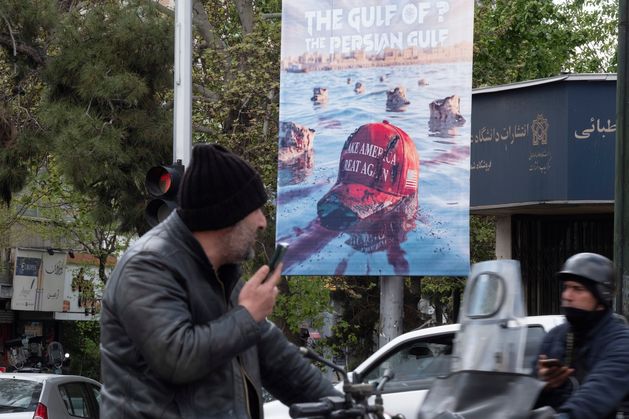
1 week agoIraq mourns its dead after worst strike against its army since the start of the war: Why did the Americans attack us?'
A U.S. airstrike on an Iraqi army base in Habbaniyah resulted in seven deaths and numerous injuries, raising tensions between Iraq and the U.S.


fromwww.npr.org
2 weeks agoAs overseas terrorists regroup, is the Iran war increasing danger in the U.S.?
Increasingly we are seeing less indicators of large-scale organized, complex threats or attacks, and instead [have seen] efforts focused on individuals either who have been radicalized by Islamist propaganda and may not have ever had contact with ISIS or al-Qaida, for example; and others who have had contact, of which we are able to have more indications of.
Right-wing politics
fromwww.aljazeera.com
4 days agoIsrael says four soldiers killed as army pushes deeper into south Lebanon
The Israeli military has said four soldiers were killed in combat in southern Lebanon, where its forces are clashing with Hezbollah fighters after launching a ground invasion of the country.
France politics
#us-iran-conflict


World news
fromwww.theguardian.com
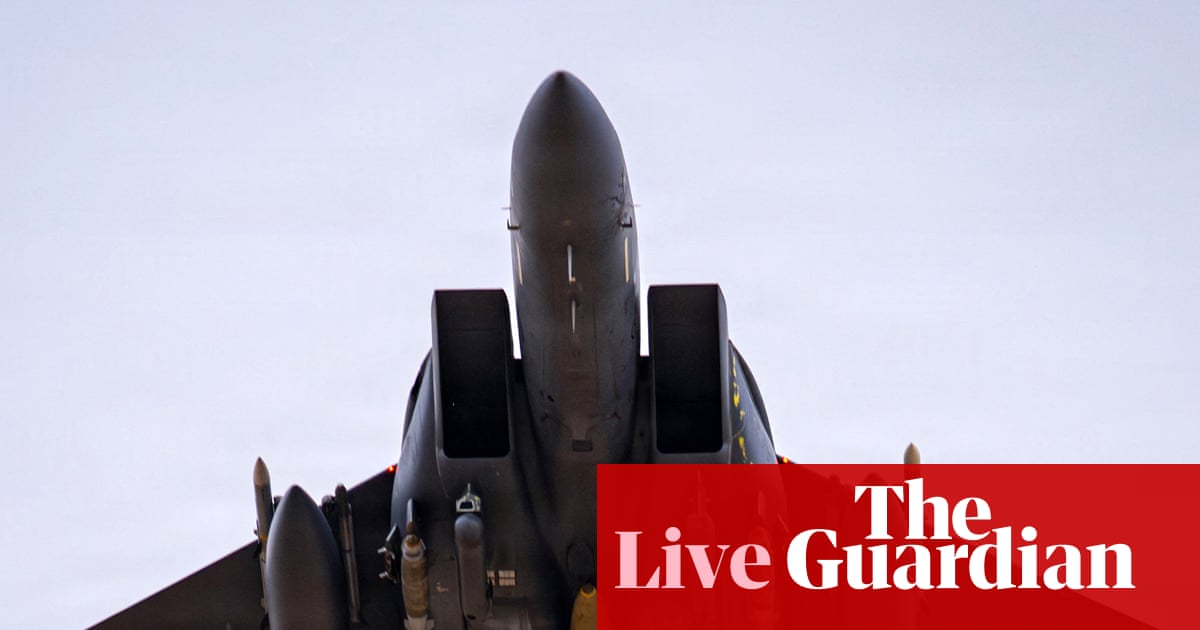
5 hours agoMiddle East crisis live: US and Iranian forces race to recover missing pilot from downed jet; Israel bombards Beirut
The US-Iran conflict escalates with military actions, including downed aircraft and strikes on economic sites, impacting global energy supplies.
fromwww.theguardian.com
3 days agoThe US may send thousands of troops to Iran. Have we learned nothing from the past? | Moustafa Bayoumi
The war has also been launched with magnificently poor planning, as the United States seems shocked by and unprepared for how Iran uses every means at its disposal to restrict shipping in the strait of Hormuz.
World politics

fromLondon Business News | Londonlovesbusiness.com
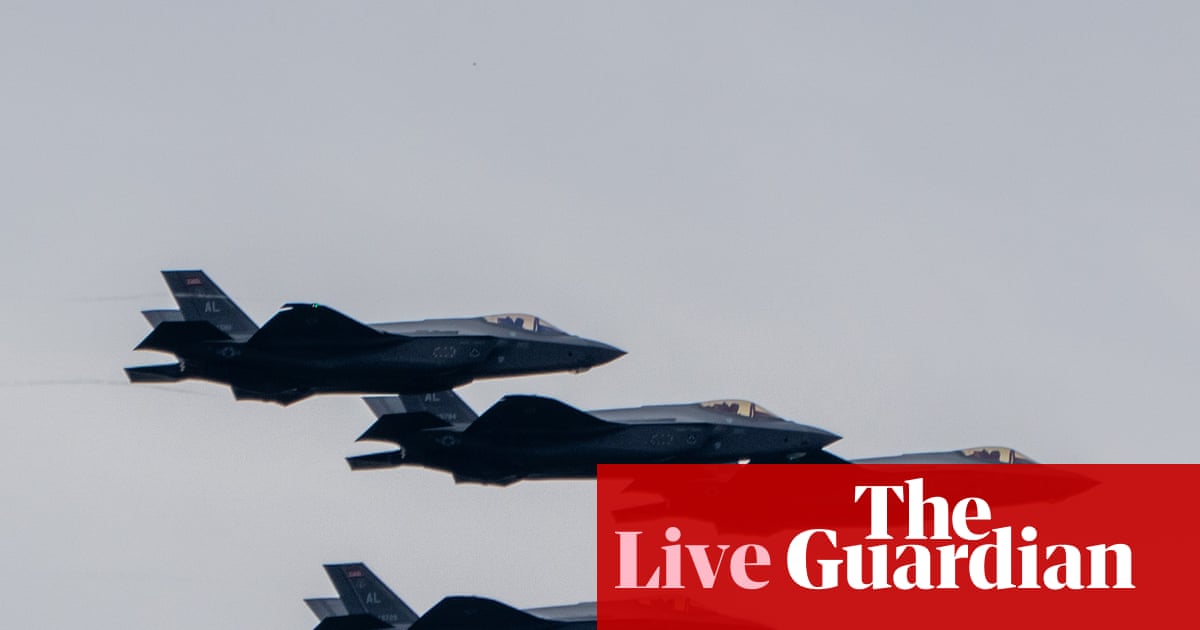
2 days agoUS deploys third aircraft carrier strike group to Middle East - London Business News | Londonlovesbusiness.com
The deployment of the USS George H.W. Bush, along with its supporting warships, is expected to take several weeks before arriving in the Middle East, potentially increasing the total number of carriers to three.
World news
World politics
fromFortune
3 weeks agoHow the Iran War is related to the real winner of the Iraq War 20 years ago | Fortune
Destroying state institutions creates power vacuums filled by the most organized force present, not by better alternatives, as demonstrated by Iran's influence in post-invasion Iraq.
World politics
fromwww.theguardian.com
3 weeks agoFrom Bush Sr to Trump: the risks, lessons and legacy of US interference in the Middle East
The United States has repeatedly intervened in Middle East conflicts since the Cold War, consistently producing unintended consequences and regional instability despite declarations of ending interference.
fromThe Atlantic
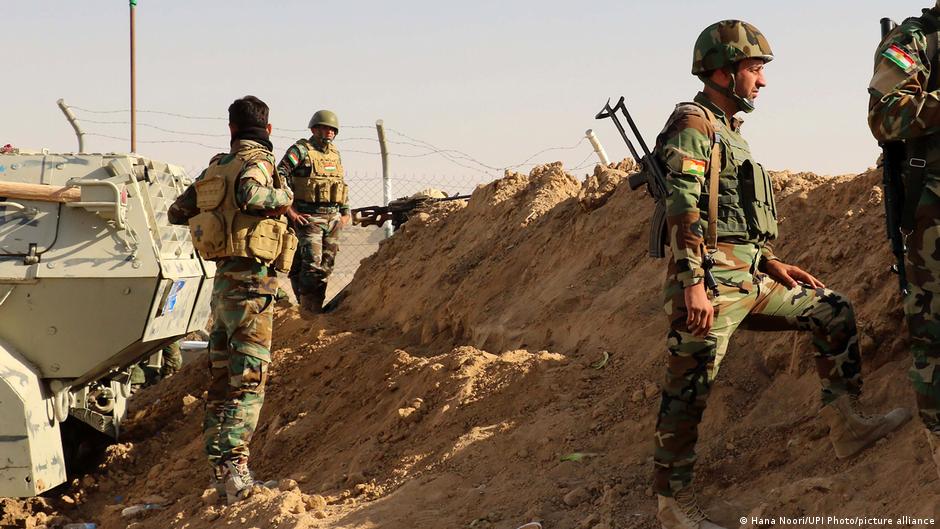
5 days agoThe Kurdish Ground Force Preparing to Fight in Iran
We are on the trigger finger. After 22 years in the movement, we have never been this busy. The American-Israeli effort to bring down the Iranian regime is not likely to succeed without the help of PJAK and other Kurdish armed groups.
World news
World news
fromLondon Business News | Londonlovesbusiness.com
3 days agoBritish troops deployed to Middle East to bolster allies against Iranian attacks - London Business News | Londonlovesbusiness.com
The UK is deploying additional troops and advanced defense systems to the Middle East to enhance regional security and support allies against threats.
fromwww.theguardian.com
4 weeks agoWho are the Kurds and why does Trump want them to join the war on Iran?
Numbering between 30 and 40 million worldwide, most live amid the peaks and valleys straddling the borders of Armenia, Iraq, Iran, Syria and Turkey. The Kurds link their history to that of the Medes, an ancient Middle Eastern people. They were left stateless a century ago when the borders of the modern Middle East emerged from the collapsing Ottoman empire.
World politics
World news
fromenglish.elpais.com
1 week agoThe dilemma of Iraqi Kurds in the face of their Western allies' offensive against Iran: It's not our war'
Iraqi Kurdistan faces danger from ongoing U.S.-Israeli operations against Iran, with increased missile attacks and a tense atmosphere during Nowruz celebrations.
fromwww.aljazeera.com
3 weeks agoAttacks from all sides: Why Iraq was dragged into US-Israel war on Iran
Within hours of the United States-Israeli attacks on Iran, US assets in Iraq's Kurdistan region came under retaliatory attacks from Tehran-backed groups, dragging the country into the conflict that has since expanded across the Middle East and beyond. Since then, US assets located in Iraq have come under multiple attacks from pro-Iran groups and Iran's powerful Revolutionary Guard Corps (IGRC).
World news
World news
fromAxios
4 weeks agoKurds backed by Mossad, CIA could lead next phase of war in Iran
Five Kurdish Iranian dissident groups formed a coalition backed by Mossad and CIA to conduct ground operations against Iran from Iraqi territory, with Israeli officials promising political support for Kurdish autonomy if the regime collapses.
fromwww.aljazeera.com
2 months agoWhat al-Maliki's return would mean for Iraq and the region
By backing al-Maliki, Washington paved the way for the chaos and instability it sought to avert. During his first two terms, al-Maliki established a governance template that deliberately dismantled the post-2003 settlement's vision of inclusive politics. He pursued policies of deliberate exclusion of the Sunni population on the political and social levels under the guise of de-Baathification. While originally intended to remove Saddam Hussein's loyalists, the process was weaponised by al-Maliki as a sectarian tool.
World news
[ Load more ]