#iron-age-hoard
#iron-age-hoard
[ follow ]
#archaeology #roman-archaeology #roman-britain #cultural-heritage #metal-detecting #iron-age #roman-villa
fromThe Local France
2 weeks agoMysterious ancient skeletons discovered sitting upright in France
Similar to four others unearthed nearby earlier this month, it is sitting upright at the bottom of a one-metre-wide pit. The skeleton's hands are resting in its lap. Like the others, its back is against the eastern wall, its face directed westward.
France news
fromArtnet News
1 week agoMassive Cache of 42,000 Pottery Shards Reveals Daily Life in Ancient Egypt
The ostraca show us an astonishing variety of everyday situations. We find tax lists, deliveries, short notes about everyday activities, religious texts, and priestly certificates attesting the quality of sacrificial animals.
Arts
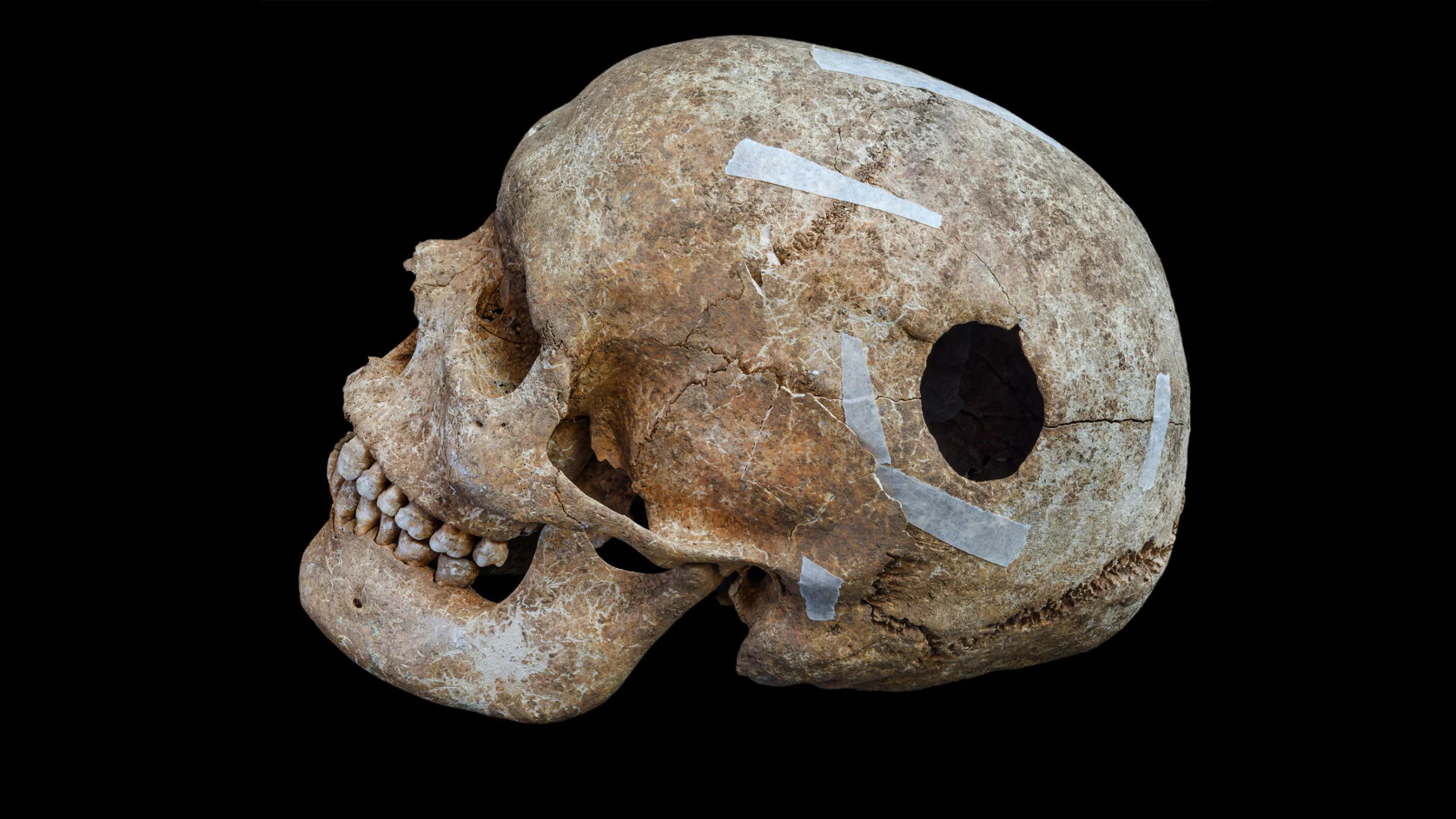

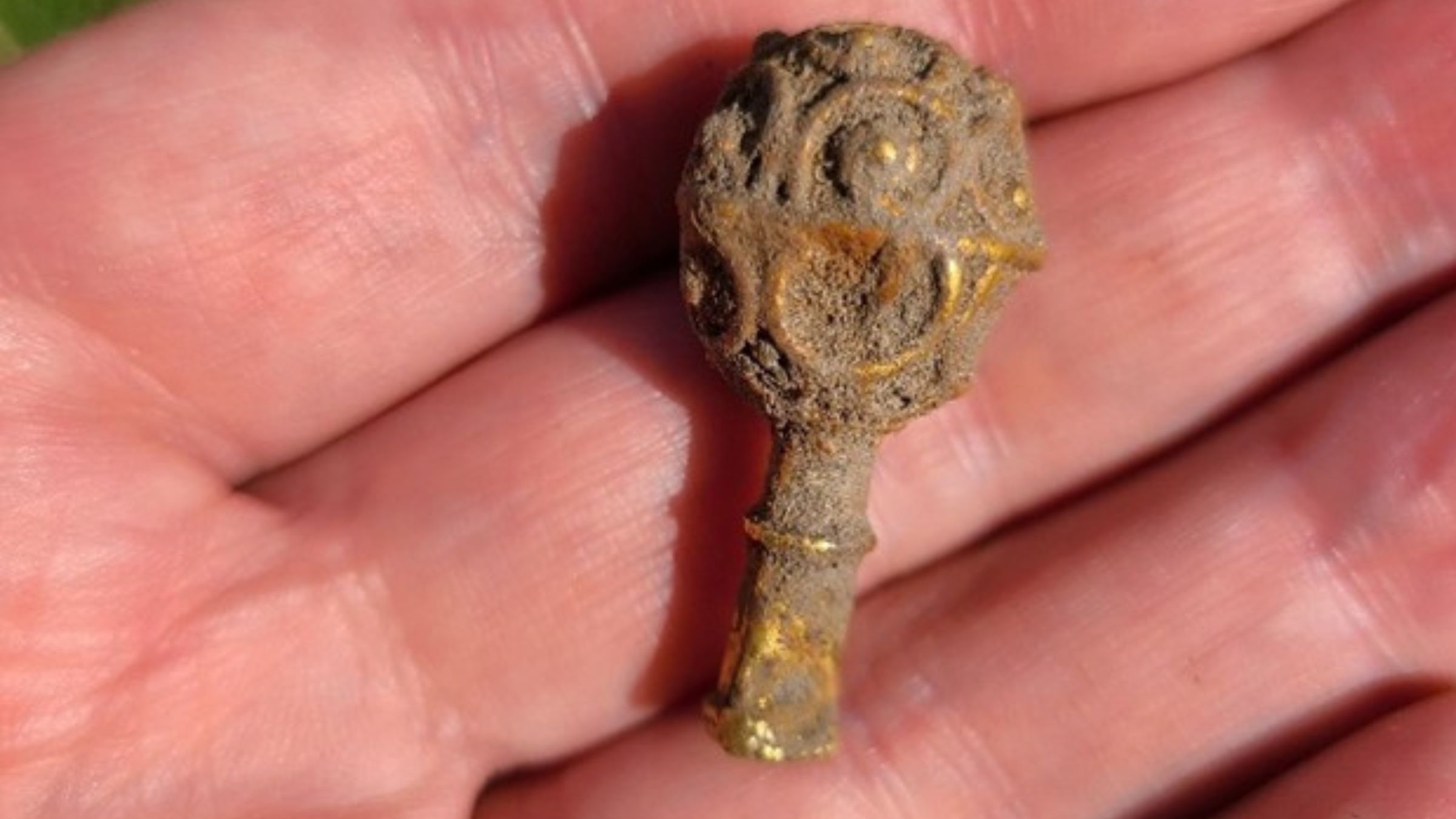

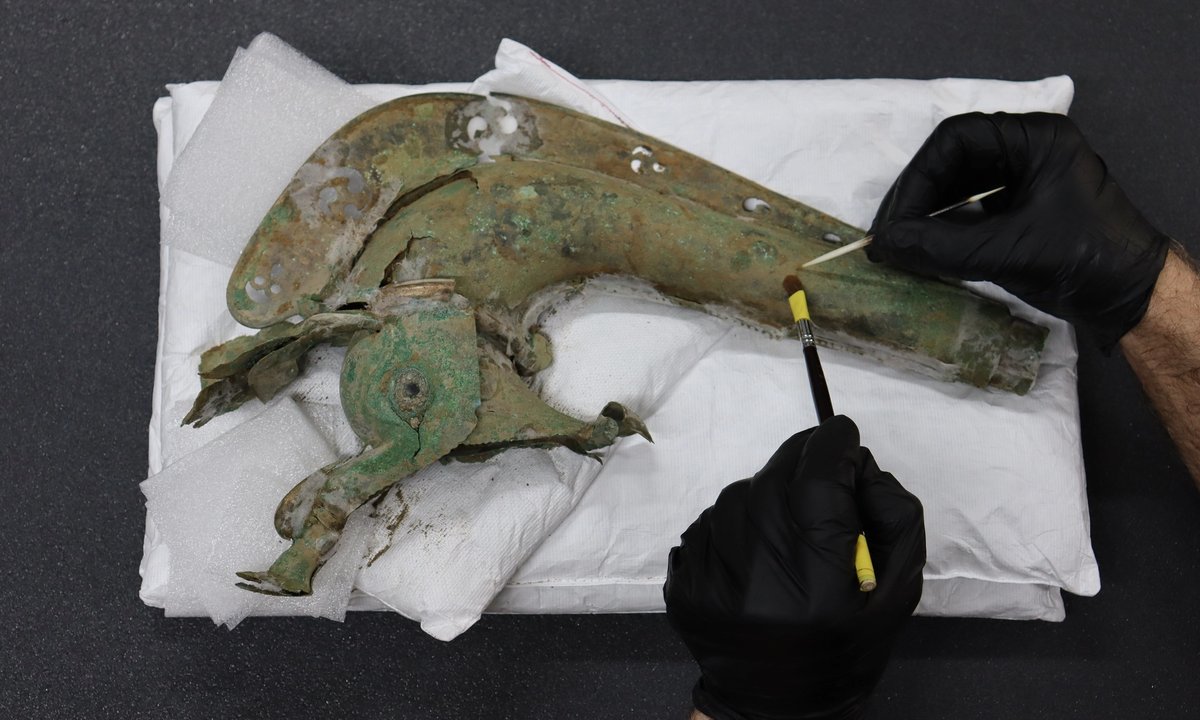
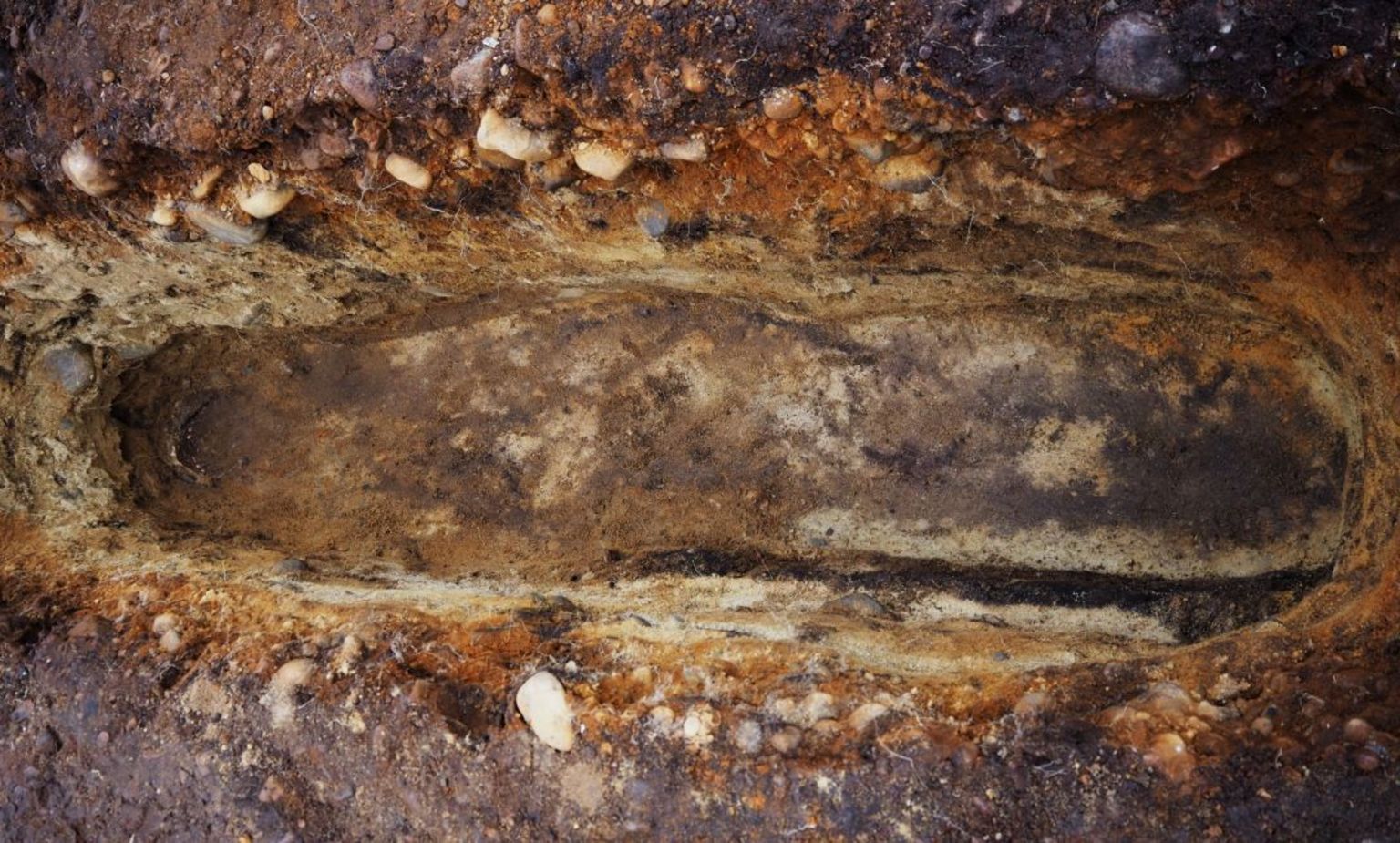
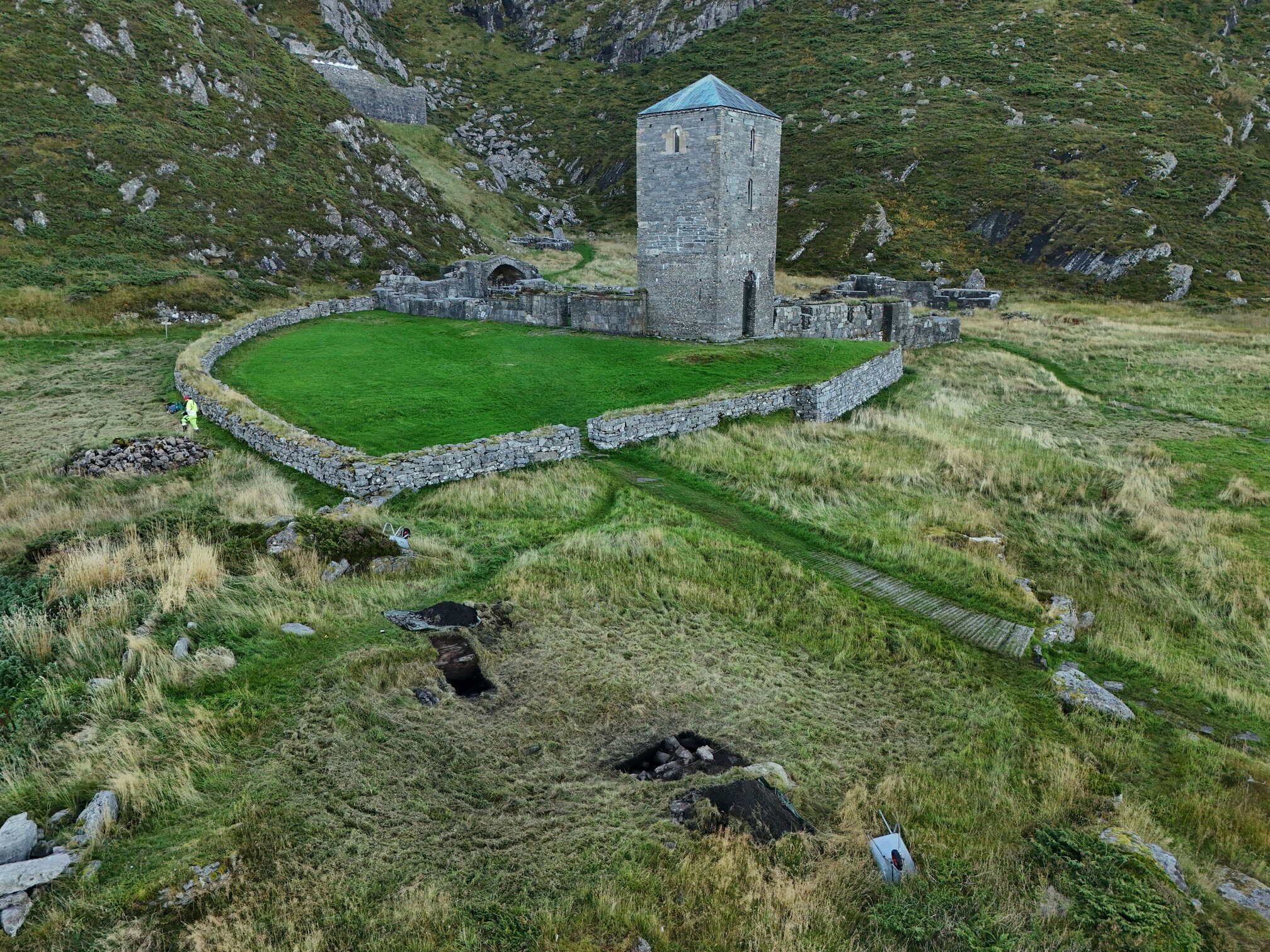

fromArtnet News
3 weeks agoStrange Coin Used on U.K. Bus Turns Out to Be 2,000-Year-Old Relic
An enigmatic coin that someone used to board a British bus seven decades ago is now entering the collection of the Leeds Discovery Centre, following the revelation that it's a bit of 2,000 year old currency from the former Carthaginian trading settlement of Gadir, in modern-day Cádiz, Spain-one of Europe's longest-inhabited cities, settled by Phoenicians around 1,100 B.C.E.
Arts
fromwww.thehistoryblog.com
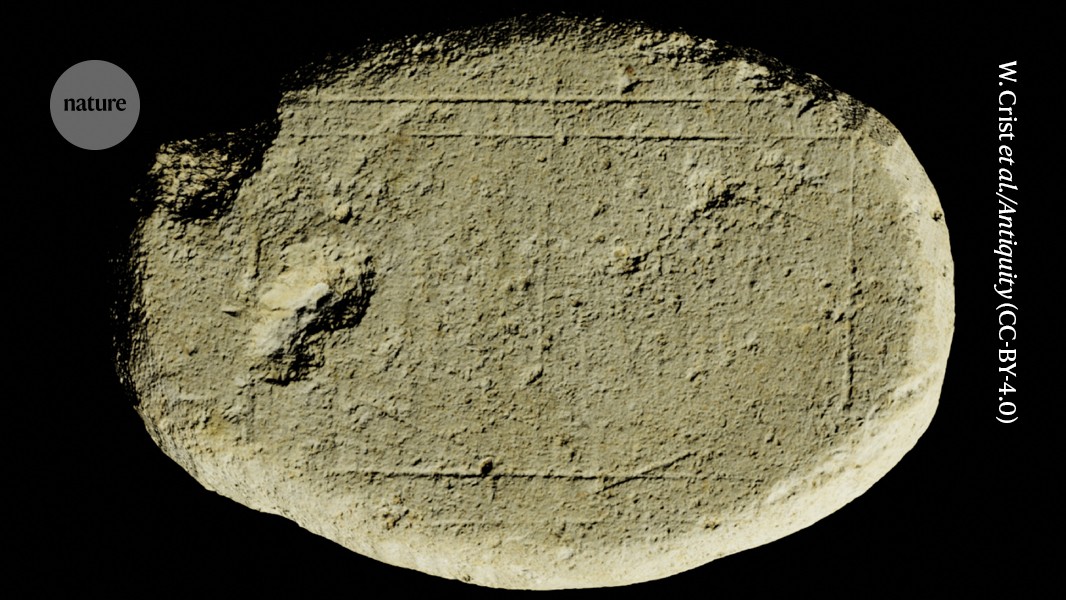
3 days agoNeolithic axe found in Lake Constance
The axe was the most important find in the group and would have been highly valued in the Neolithic community. Experiments with fiddle bows have found that it takes more than a day of work to manufacture an axe like this one.
History


fromMedievalists.net
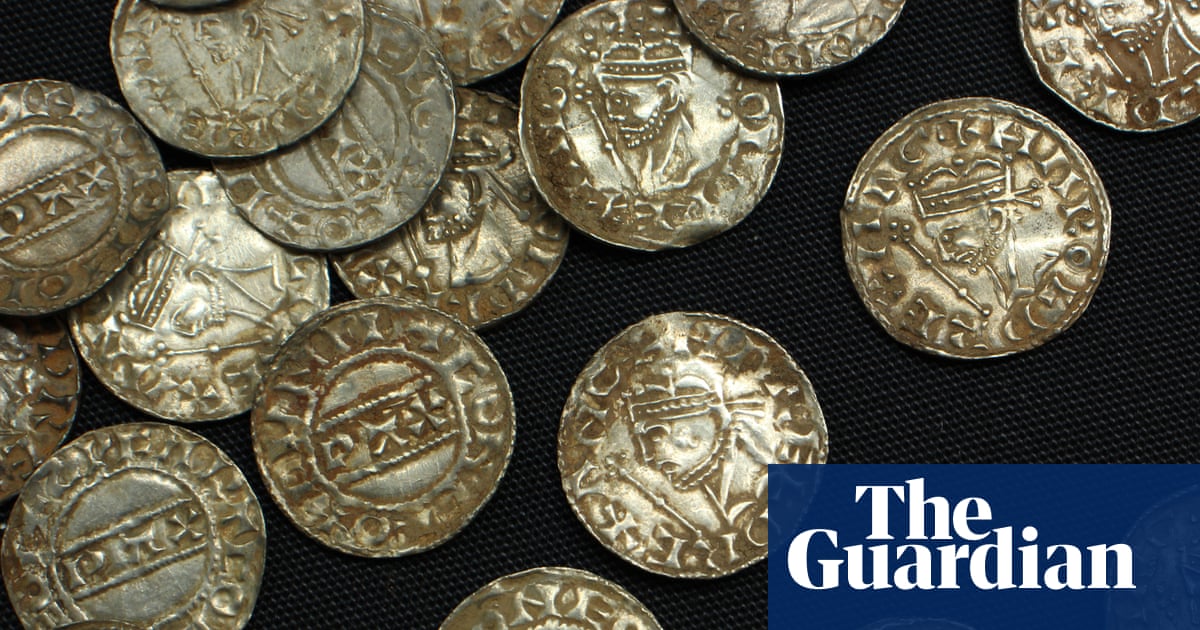
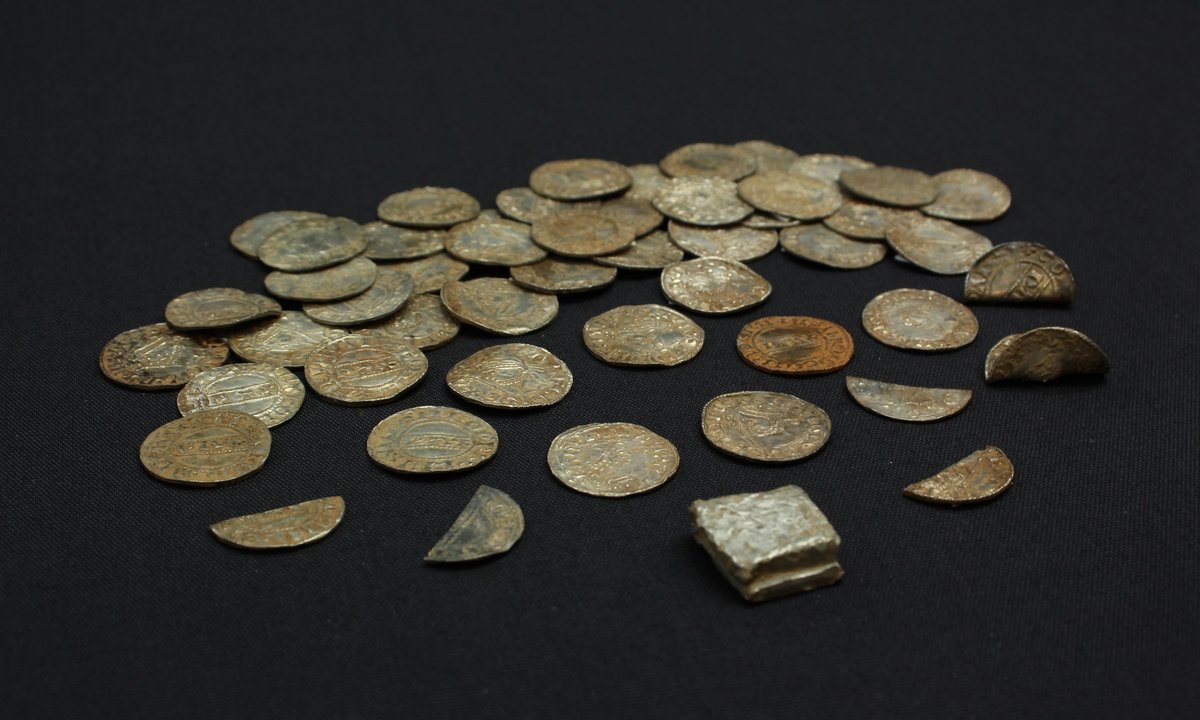
1 week agoWho Lies in Winchester's Medieval Mortuary Chests? - Medievalists.net
This project demonstrates the combined power of science, the study of human remains and historical research to discover new information about the six mortuary chests and their occupants which would not have been available to us a generation ago.
History
fromwww.thehistoryblog.com
2 weeks agoFive more seated Gauls found in Dijon
They were all adult males between 40 and 60 years old when they died, ranging in height from 1.62 to 1.82 meters (5'4-6). They were in good overall health with excellent teeth, but osteoarthritis in the bones, particularly in the legs, attests to them having consistently experienced strenuous physical activity in their lives.
History
fromwww.bbc.com
2 months agoTreasures found on HS2 route stored in secret warehouse
Treasures unearthed by hundreds of archaeologists so far during work on the controversial planned HS2 train line have been shown exclusively to the BBC. The 450,000 objects, which are being held in a secret warehouse, include a possible Roman gladiator's tag, a hand axe that may be more than 40,000 years old and 19th Century gold dentures. It is an "unprecedented" amount and array of items, which will yield new insights into Britain's past, says the Centre for British Archaeology.
London
US politics
fromwww.independent.co.uk
2 months agoInside the hunt for British Museum's missing treasures
The Independent funds on-the-ground, paywall-free investigative reporting while a six-person British Museum team celebrates breakthroughs in tracing missing Greek and Roman treasures with a golden bell.

fromwww.scientificamerican.com
2 months agoHumans Made Poisoned Arrowheads Thousands of Years Earlier Than Previously Thought
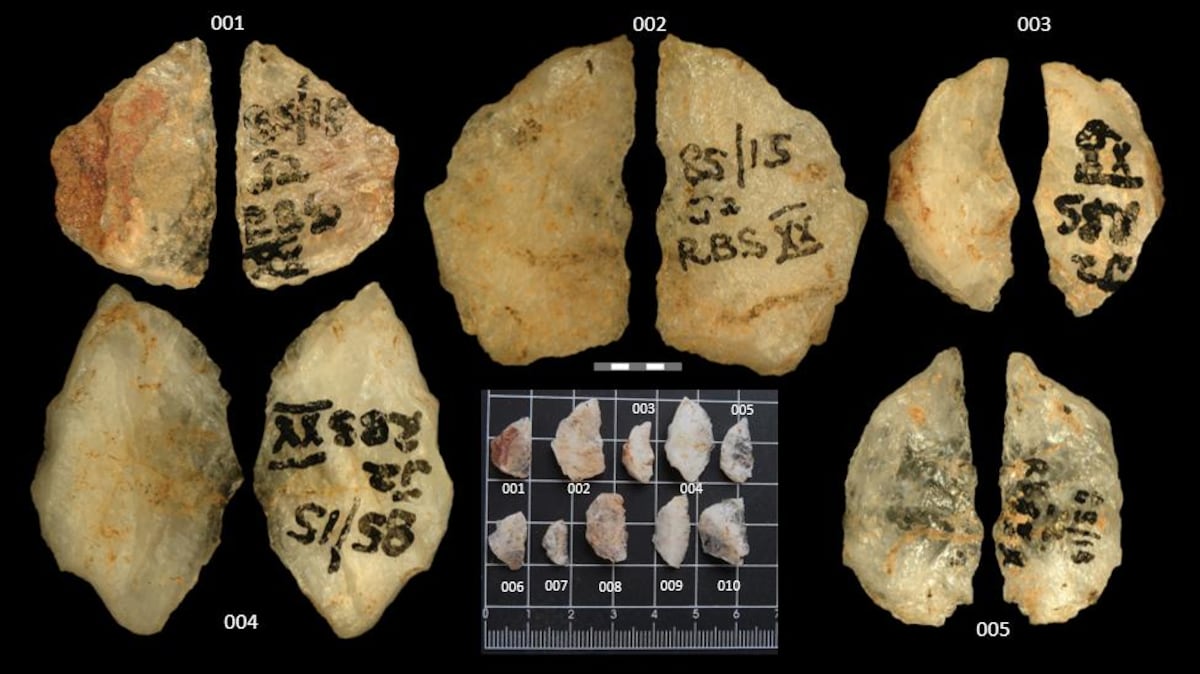
Researchers have found traces of what appears to be plant-derived poison on tiny stone arrowheads from South Africa dated to 60,000 years ago. The finding pushes back the origin of this revolutionary hunting technology by tens of thousands of years. Scientists have long been fascinated by the development of poisoned hunting weapons. For one thing, they would have seriously leveled up our ancestors' foraging game.
Science
fromwww.standard.co.uk
1 month agoBritish Museum raises 3.5million to save Henry VIII-linked pendant found by metal detectorist in field
It was discovered six years ago by a metal detectorist in a field in Warwickshire. Now the Tudor Heart - a gold pendant linked to Henry VIII's marriage to his first wife, Katherine of Aragon - will go on show to millions after the British Museum successfully raised 3.5 million to save it following a four-month fundraising campaign. The London museum launched an appeal in October as it was keen to save the Tudor Heart, which was discovered by a metal detectorist in 2019,
London
History
fromianVisits
3 weeks agoLooted from a royal palace: The medieval jug now on display in London
A medieval English bronze jug looted from Ghana's Asante kingdom reveals how European luxury goods became valued ceremonial objects through trans-continental trade networks before colonial appropriation.
fromwww.thehistoryblog.com
3 weeks agoSamnite burials of children with bronze warrior belts found
The excavation ultimately unearthed 34 burials, 15 of them belonging to children between two and ten years old when they died. The graves are clustered in groups, probably reflecting family nuclei. Most the grave types are earthen pits covered with roof tiles angled against each other.
History



History
fromMedievalists.net
1 month agoDreaming of Owning a Medieval Artefact? Here's Your Chance - Medievalists.net
TimeLine Auctions' March 3 online sale features hundreds of medieval historical objects including a 13th-century Limoges cross, 1224 Chinese armor, Viking silver mount, and Anglo-Saxon brooch.
fromwww.thehistoryblog.com
1 month agoCenturion's tombstone reused in someone else's grave
Both of the cyst graves feature funerary markers reused as building material. One of them contains the partially preserved tombstone of Legio I Italica centurion Gaius Valerius Verecundus was engraved with a wreath of which only traces remain and an inscription that describes him as having been heavily pressed by fate.
History
fromwww.thehistoryblog.com
1 month agoRare Mithraic altars found in Scotland go on display for the first time
Two exceptionally rare and beautifully carved Mithraic altars found in Inveresk, East Lothian, Scotland, are going on display for the first time. They are not just the only Roman altars ever found in Scotland, but are among the finest examples of Roman sculpture in Roman Britain. They are also uniquely early in date, having been made in 140s A.D. during Antoninus Pius' reoccupation of southern Scotland, whereas most other archaeological materials related to the worship of Mithras in Britannia date to the 3rd century.
fromMedievalists.net
2 months agoMedieval gold ring discovered in Norway - Medievalists.net
A gold ring with a deep-blue, oval setting - decorated with fine spirals of filigree and tiny granulated beads - has been recovered from medieval deposits in Tønsberg, a historic town in southeastern Norway. The ring was found during an excavation in the modern town centre, where archaeologists have been investigating layers of urban life preserved beneath today's streets. The discovery was made within the protected archaeological area known as Tønsberg Medieval Town.
History
fromwww.thehistoryblog.com
2 months agoLate Antique necropolis with deliberately broken pottery found in France
Adjacent to the masonry house is a burial ground in use from the 4th century through the first half of the 6th century. Approximately 60 individual inhumation burials have been unearthed, arranged in rows that are increasingly dense with graves as they approach the dwelling. The deceased were buried in cysts formed by reused tegulae (large clay roof tiles) or by rubble walls that supported wooden planks. They were placed in the graves in supine position facing west, north or south.
History
fromMail Online
1 month agoMysterious symbols spanning the globe hint at a lost civilization
His investigation began after identifying recurring giant T-shapes, three-level indents, and step pyramids carved into ancient stones worldwide. 'These specific symbols that are built in different size proportions, and the symbols are found in ancient stones around the world, are not supposed to exist; no cultures are supposed to have any cross-platform,' LaCroix explained. The symbols appear in locations ranging from Turkey's Van region to South America and Cambodia.
History
[ Load more ]