#italian-cuisine--wine
#italian-cuisine--wine
[ follow ]


:max_bytes(150000):strip_icc()/TAL-florence-BUDGETITALY0524-831780e9cdfe40cb8eff46a25aab8c61.jpg)



fromTravel + Leisure
4 weeks ago10 Best Italian Cities for Food Lovers-and the Iconic Eats They're Known For
Italian food products and cuisine have infiltrated just about every corner of the globe, but nothing compares to trying classic Italian dishes at their source-and there's so much more than pizza, pasta, and gelato. Don't expect to find the same dishes on menus all over the country. From carbonara in Rome to the best street food in Palermo, each Italian region has its own recipes.
Berlin food
fromTasting Table
1 month ago8 Expert-Approved Tips For Pairing Non-Alcoholic Drinks With Italian Food - Tasting Table
Everything revolves around the food. Instead of trying to tweak a recipe to fit with a sweet or tangy drink, start with the food and ensure it remains the star of the show. The real purpose of seeking an appropriate drink pairing is to create balance with the food. Sweet with salty, bitter with sweet, etc. In this way, food flavors aren't masked with the addition of a drink, but instead are highlighted.
Miscellaneous

fromTravel + Leisure
1 month agoThese Are the 10 Types of Restaurants You'll Find in Italy-and Why You Need to Know the Difference
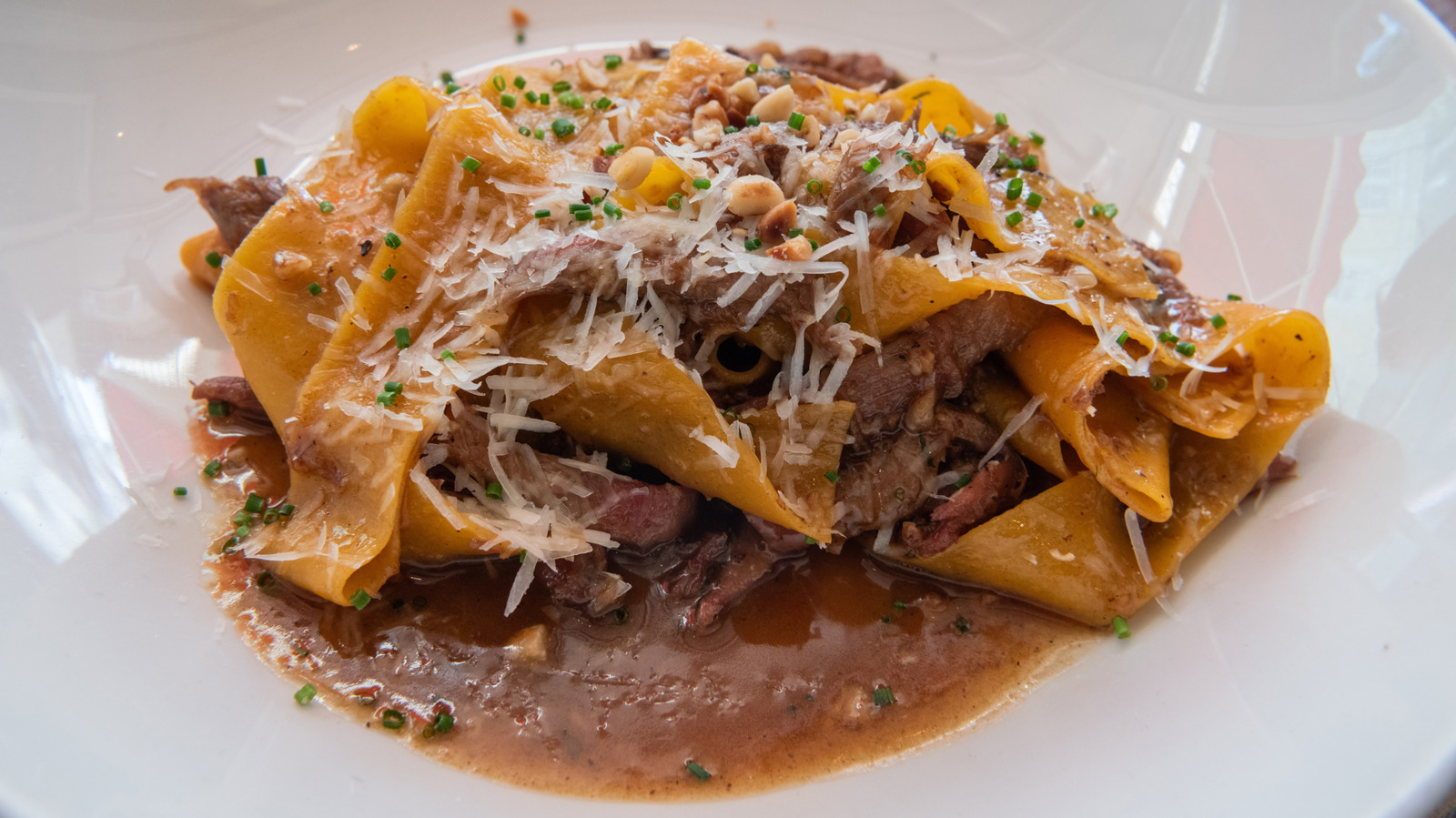
Historically speaking, an osteria was a spartan, no-frills establishment where people would go to have a drink. The original osterias date all the way back to the Roman Empire. If you go to Ostia Antica or Pompeii, you find the osterias of the era. They were like bed-and-breakfasts, with rooms for rent above the dining room where people could listen to music.
Dining
fromwww.theguardian.com
3 weeks agoRachel Roddy's recipe for risotto in bianco | A kitchen in Rome
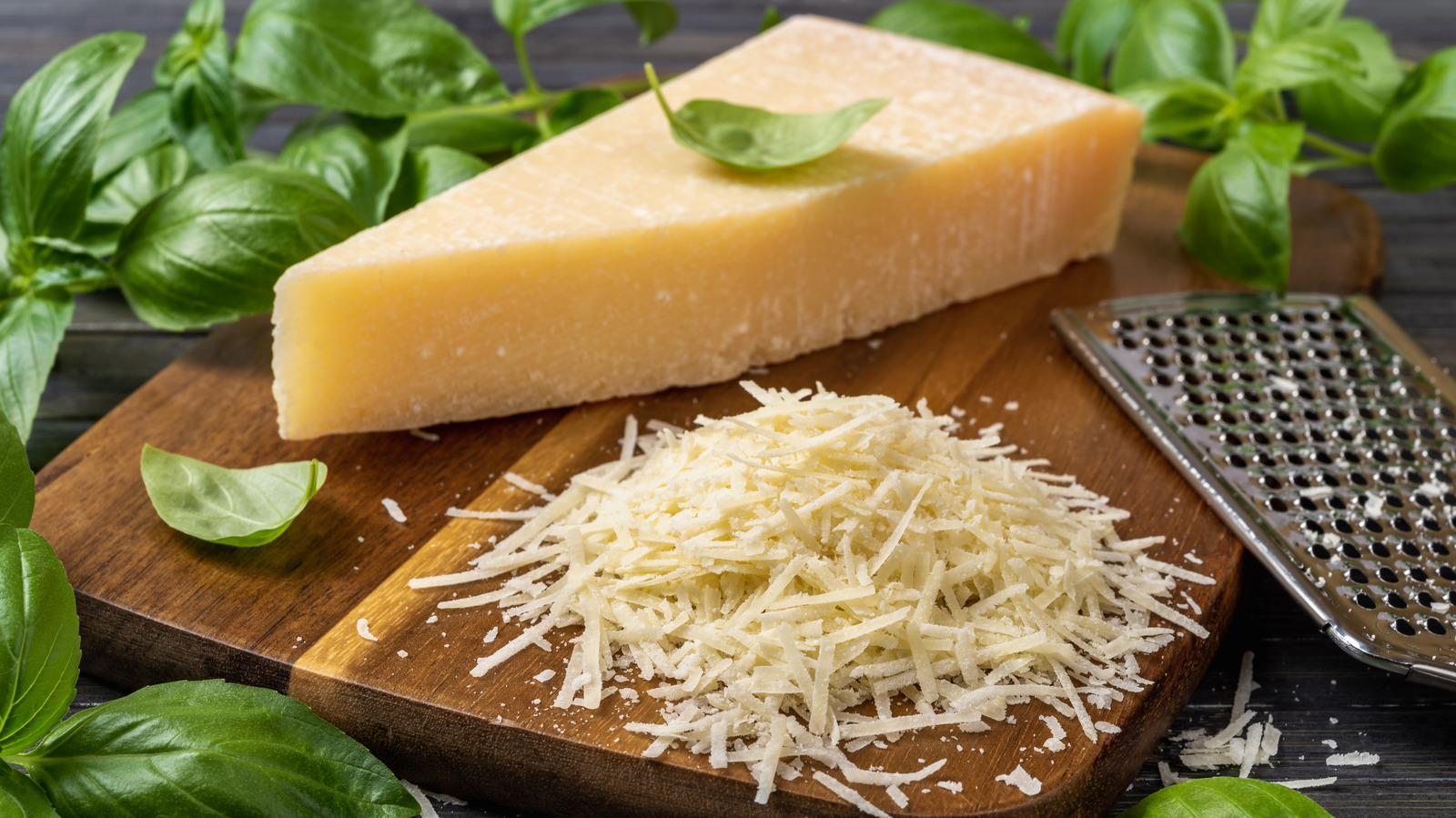
That functions as a sort of highly flavoured and fatty stock cube that can be added to soups and stews. The best place to keep your precious rinds is in a plastic bag or airtight container in the freezer, which also preserves flavour and stops them drying out, until they're pulled out and added directly to whatever needs a boost, or to make one of the nicest, most delicately flavoured and cheesy broths.
Cooking
fromTasting Table
2 months agoThe Best Wine Pairings For 10 Popular Types Of Pasta Sauce - Tasting Table
Of course, pasta is incredibly versatile and can be transformed into dishes showcasing an endless array of flavors. So when you're looking to pair your pasta meal with a glass of wine, it's important to consider what type of sauce you'll be using to ensure the ingredients work well with the wine. While some pasta sauces are more flexible to pair with, others require a bit more care to ensure the flavors aren't overwhelmed, muted, or negatively impacted.
Wine


fromBuzzFeed
1 month ago20 Cozy Northern Italian Recipes To Make During the Winter Olympics
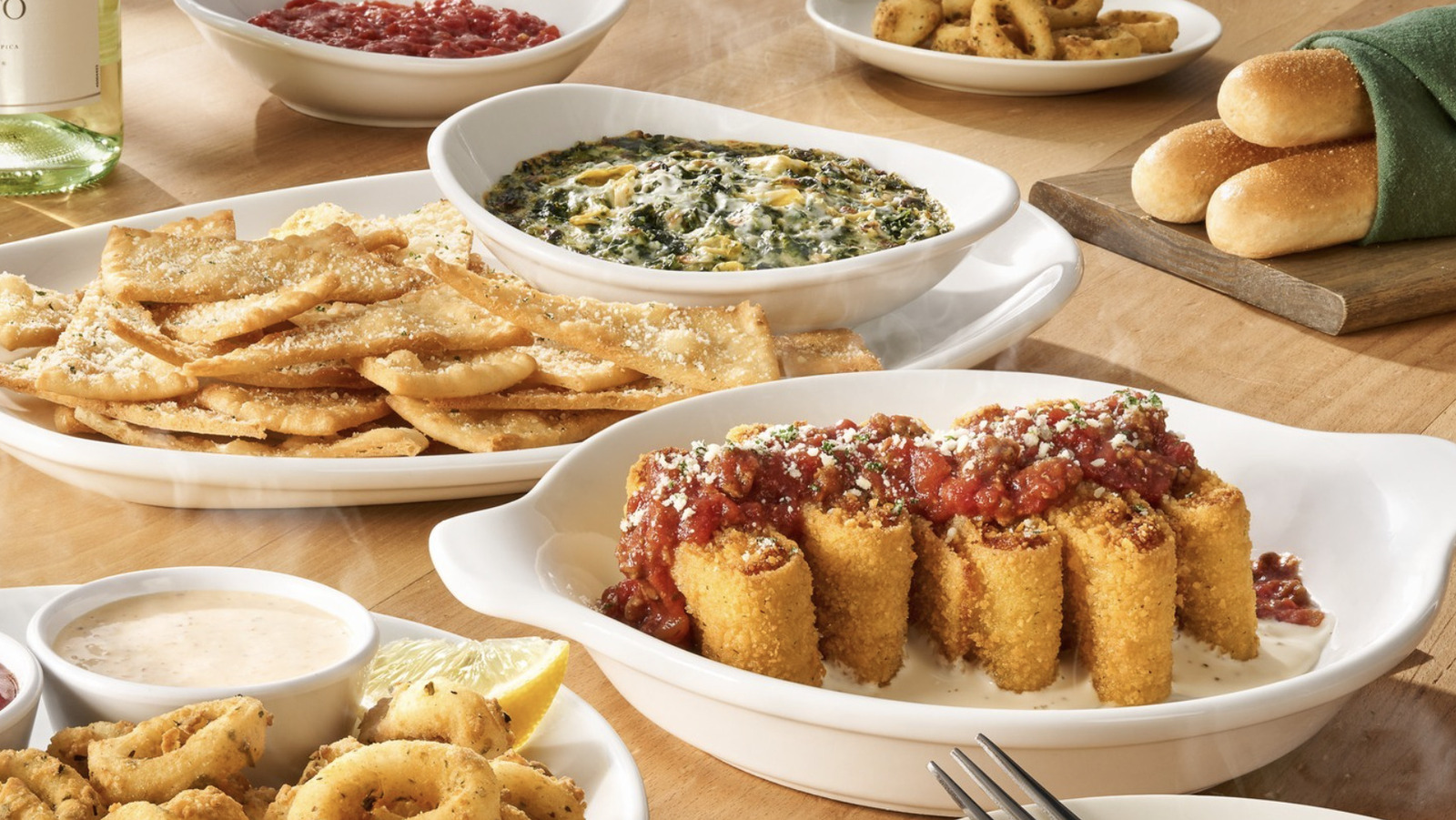
Northern Italian cooking is built for long meals, cold weather, and patience, which is exactly the sort of food you want when settling in for hours of competition. From Lombardy and Piedmont to Emilia-Romagna and Liguria, these regions favor slow braises, creamy risottos, rich broths, and breads meant to be torn and shared. Whether you're feeding a crowd or committing to a cozy afternoon
Food & drink
Food & drink
fromConde Nast Traveler
2 months ago16 Best Restaurants in Sicily for Mount Etna Sunsets, Local Wine, and Next-Level Street Food
Sicily's cuisine blends millennia of cultural influences, offering everything from humble street food to Michelin-starred tasting menus in dramatic coastal and mountain settings.
fromBoston Herald
1 month agoRavioli filled with red beets is the colorful pasta dish of Olympic host Cortina
The ravioli-type dish, also known as casunziei all'Ampezzana, consists of homemade half-moon shaped pasta filled with boiled beets, topped with a sauce of melted butter, Parmesan cheese and poppy seeds. It's a simple dish that harks back to the Alpine region's poorer past - long before Cortina transformed into a winter playground for the international jet set. Even in the coldest days of winter, local families had the ingredients in their cupboards.
Food & drink
Cooking
fromApartment Therapy
1 month agoFor the Most Flavorful Italian Spaghetti Sauce, I Always Add 2 Tablespoons of This to the Pot
Pickled hot cherry peppers provide spicy, slightly sweet, and tart flavor that elevates spaghetti sauce, making them a jarred pantry staple for arrabbiata-style dishes.
[ Load more ]