#itascahowland-island
#itascahowland-island
[ follow ]
#greenland #climate-change #environmental-impact #alaska #environmental-justice #indigenous-sovereignty
Canada news
fromwww.theguardian.com
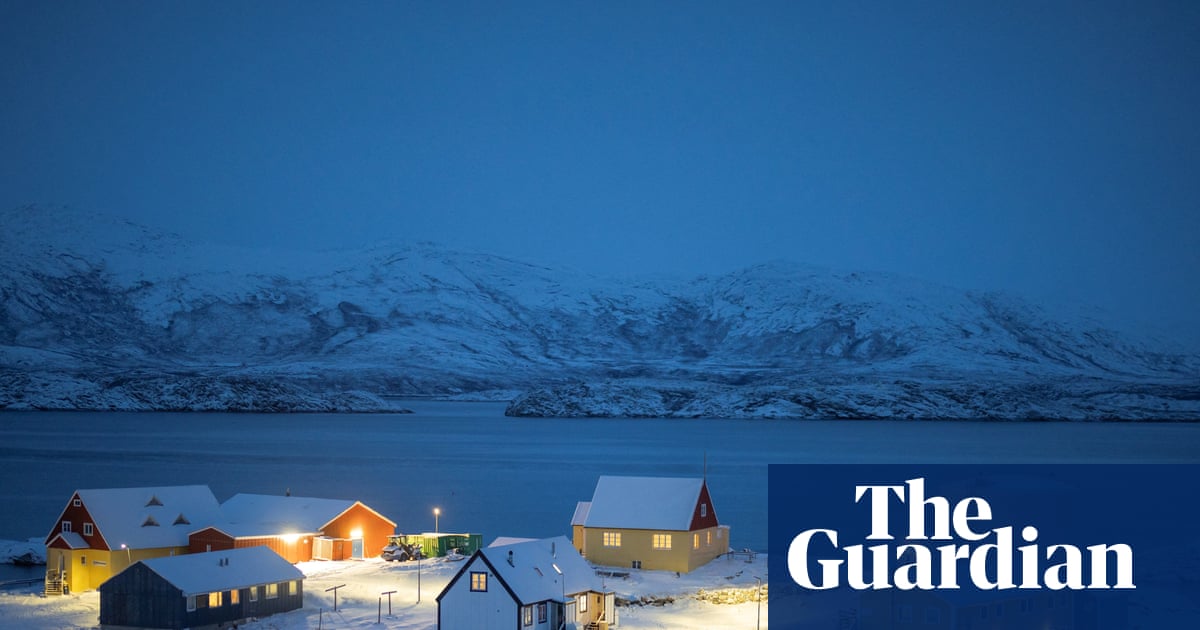
2 weeks agoCanada wants to build up its long-neglected Arctic. The hard question is how
Canada is investing in Arctic infrastructure including roads and ports to develop mining potential, strengthen sovereignty, and counter Trump administration pressures through a nation-building initiative.
fromNew York Post
2 weeks agoCalifornia plots return of 7.5 million acres of land and coastal waters to Indigenous tribes
When California became a state in 1850, officials signed 18 treaties setting aside millions of acres for tribal reservations. Congress killed the deals in secret after pressure from state leaders. Many tribes had already moved, trusting the promises. Now California wants to make good.
SF politics
US Elections
fromHigh Country News
2 weeks agoMontana's wild week in politics could have national consequences - High Country News
Two Montana Republican incumbents unexpectedly withdrew from reelection races days before the filing deadline, opening half the state's congressional seats and potentially shifting the political landscape in Democrats' favor.
Environment
fromTruthout
2 weeks agoGrowing Presence of AI Data Centers Prompts Debate on Native Lands
AI data center expansion creates environmental and cultural challenges for Native American tribes, sparking debates over tribal digital sovereignty and regulatory needs for data infrastructure control.
Travel
fromConde Nast Traveler
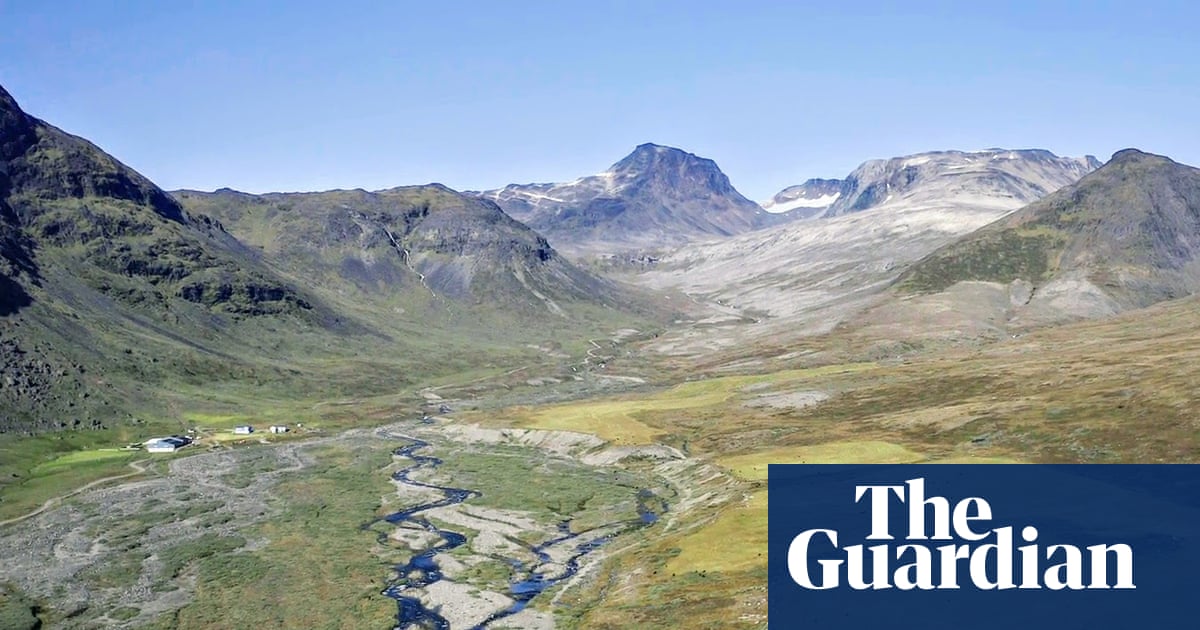
3 weeks agoIn Greenland's Remote Fjords and Tiny Settlements, a New Sense of Connection
Greenland's new airport and developing tourism infrastructure make Arctic exploration increasingly accessible, offering unique cultural experiences with Indigenous and settler communities unavailable in Antarctica.
fromThe Walrus
3 weeks agoChurchill's Famous Polar Bears Left to Eat Trash | The Walrus
In April 2024, Churchill's waste management facility-an old military building known as L5-burned to the ground. Spontaneous combustion in the gaseous garbage pile was the likely cause. The warehouse had been capable of storing up to three years' worth of the town's garbage at a time. Overnight, the town's 900 or so residents were left with nothing.
Canada news
History
fromHigh Country News
3 weeks agoHow Montana tribes are using sovereignty to restore their waterways - High Country News
The 2015 CSKT-Montana Compact Water Rights settlement restores tribal water rights from the 1855 Hellgate Treaty while enabling river restoration and shared management of the Jocko River watershed.
Travel
fromTravel + Leisure
3 weeks agoThis Butterfly Reserve In Mexico Preserves an Important Species-and Indigenous Culture
Eastern Monarch butterflies migrate 3,000 miles annually to Mexico's UNESCO reserve, where tourism supports local communities and forest conservation against illegal logging and deforestation.
Canada news
fromwww.theguardian.com
3 weeks agoWe thought we were doomed': Canadian fishers in dramatic rescue after ice shelf floats away
Unseasonably warm weather and strong winds detached a large ice sheet in Lake Huron, stranding 23 ice fishers who were rescued by helicopters after a two-hour operation.
Chicago Bears
fromHigh Country News
1 month agoCan Alaska save caribou by killing bears? - High Country News
Alaska's Mulchatna caribou herd has collapsed from 200,000 animals in the 1990s to 12,000 in 2022, devastating Indigenous subsistence hunting and prompting controversial wildlife management interventions including hunting bans and aerial predator culling.
Travel
fromTravel + Leisure
1 month agoThis Lakefront City Is a Midwestern Hidden Gem-and It Has Some of the Best Skiing in the Region
Duluth, Minnesota offers year-round adventure, cultural attractions, and outdoor recreation on Lake Superior's shore, transforming from a logging and mining town into a premier Upper Midwest destination.
Canada news
fromwww.cbc.ca
1 month agoThey found Indigenous ancestral remains on their property. They say doing the right thing shouldn't cost them | CBC News
A couple's property renovation in Ontario halted after discovering ancestral Indigenous remains, potentially costing them hundreds of thousands of dollars in unexpected expenses.
fromTravel + Leisure
1 month agoThese Midwestern Ice Caves Opened This Week for the First Time Since 2015
Shouldered by sandstone cliffs, these caves in Bayfield, Wisconsin, form when water-and, notably, waves-that would normally flow through the sandstone freezes instead, birthing icicles, columns, and curtains. During the winter of 2015, the caves attracted just shy of 40,000 tourists within a nine-day period, the Associated Press reported at the time.
US news
fromHigh Country News
1 month agoIt's time to rethink how we care for our public lands and waters - High Country News
Wildlife populations are in decline. Recreation sites are crowded and often underfunded. Wildfires are larger, more destructive and harder to control. Climate change is reshaping natural systems, from ocean fisheries to mountain snowpacks, faster than institutions can respond. At the same time, communities are being asked to host new energy projects, transmission lines and mineral development - often without clear processes, adequate resources or trust that decisions are being made in the public interest.
Environment


fromHigh Country News
1 month agoThe Colorado River rift abides - High Country News
Western water law is based on the prior appropriation doctrine, which gives the first entity to make "beneficial use" of water the right to keep on using that amount, even if that means that upstream "junior" users' spigots will get shut off. By the early 1900s, a rapidly growing California was enthusiastically diverting the Colorado River, with huge irrigation districts gobbling up the senior water rights.
Environment
fromwww.scientificamerican.com
1 month agoAncient seafarers helped shape Arctic ecosystems
In the pristine High Arctic sits the Kitsissut island cluster, also known as the Carey Islands, nestled between northwest Greenland and northeast Canada. The surrounding seas are perilous, and traveling there is difficult even with modern boats. But new archaeological evidence suggests ancient humans managed to sail to the islands, too. Early settlers lived on the islands between 4,500 and 2,700 years ago.
Science
:max_bytes(150000):strip_icc()/TAL-wonder-lake-denali-national-park-alaska-MOSTLAKESAK1125-5fe31c50a4b2409a8110f9433bba8ce5.jpg)


fromEarth911
2 months agoGuest Idea: Finding a Northwest Passage to the Sea
The Northeast Passage was expected to open first due to the Coriolis effect. As the world turns to the east, in the Northern hemisphere, flowing water will veer to the right. Warm, salty Atlantic water flows into the Arctic Ocean through the Barents Sea Opening between Norway and Svalbard, and the Fram Strait between Svalbard and Greenland, then bends right along the Arctic coasts of Norway and Russia.
Science
fromwww.aljazeera.com
2 months agoWho owns the Arctic?
Global warming is thawing the Arctic and igniting a high-stakes race for the riches beneath its ice. Global warming is heating up the Arctic, and global powers like the United States, Russia and China are manoeuvring to stake a claim to the resources under its melting ice. Some experts say the region, once known as an exception an island of international cooperation in the midst of geopolitical struggles is becoming the site of a second cold war.
World news
fromTruthout
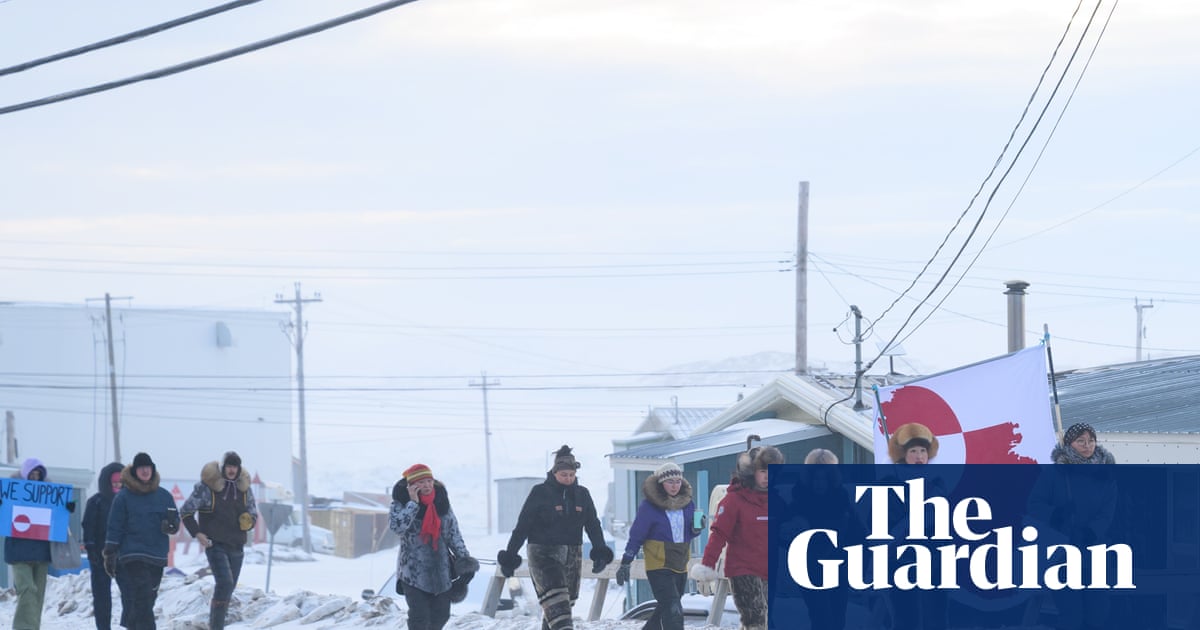
2 months agoTrump's Greenland Plan Would Trample Indigenous Rights, "Militarize the Arctic"
Following the U.S. attack on Venezuela and the abduction of the president, the Trump administration is publicly saying it wants to take over Greenland, which has been controlled by Denmark for over 300 years.
World news
fromHigh Country News
2 months agoThe nation's trails are disappearing - High Country News
Many of them were built for purposes that no longer exist - cattle drives, mining prospecting, early U.S. Forest Service fire patrols - while others were packed by the footprints of the Chumash people well before the colonization of North America. Sections of trail cling to steep slopes that seem to barely resist gravity, shedding soil and stone with each winter storm.
Environment
fromwww.theguardian.com
2 months agoWe're in danger of extinction': can Bolivia's water people' survive a rising tide of salt and migration?
In the small town of Chipaya, everything is dry. Only a few people walk along the sandy streets, and many houses look abandoned some secured with a padlock. The wind is so strong that it forces you to close your eyes. Chipaya lies on Bolivia's Altiplano, 35 miles from the Chilean border. The vast plateau, nearly 4,000 metres above sea level, feels almost empty of people and animals, its solitude framed by snow-capped volcanoes. It raises the question: can anybody possibly live here?
Environment
[ Load more ]