Science
fromThe Cipher Brief
51 minutes agoA Wartime Budget Without an Innovation Strategy
Collaboration between the NSF and defense sectors is essential for national security and innovation, despite proposed budget cuts to NSF funding.
CEO Chris Calio emphasized the urgency of delivering critical products for national security, stating, 'We understand that our products are critical to national security. And I can tell you across the organization, we absolutely feel the responsibility and urgency to deliver more and to deliver it faster.'
The Bank of Japan's loose monetary policy has turned the yen into the world's cheapest and most reliable funding currency, creating a publicly subsidised funding pipeline for bankers.
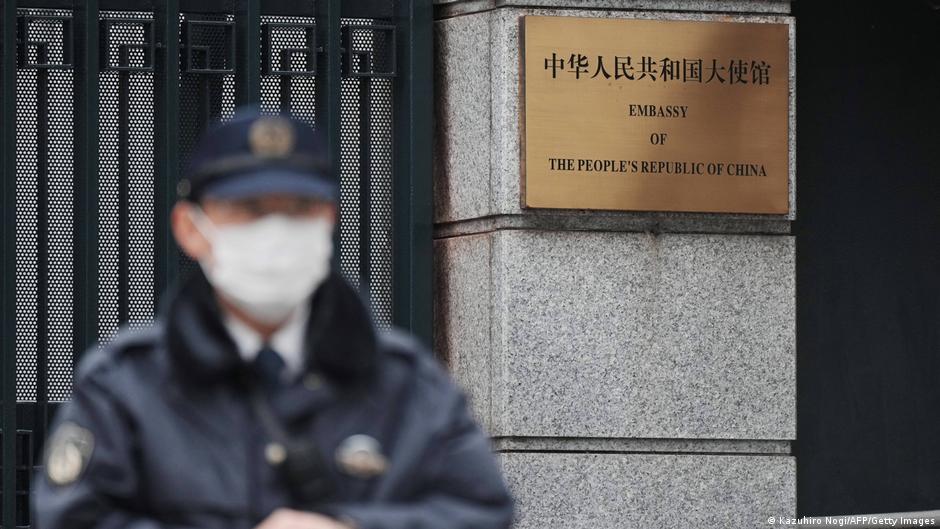
but it originated around 450 miles away at China's main nuclear test site, known as Lop Nur, according to Christopher Yeaw, the assistant secretary for arms control and nonproliferation at the State Department. "There is very little possibility that it is anything other than an explosion, a singular explosion," Yeaw said at an event hosted Tuesday by the Hudson Institute, a conservative think tank in Washington, D.C. "It is quite consistent with what you would expect from a nuclear explosive test."
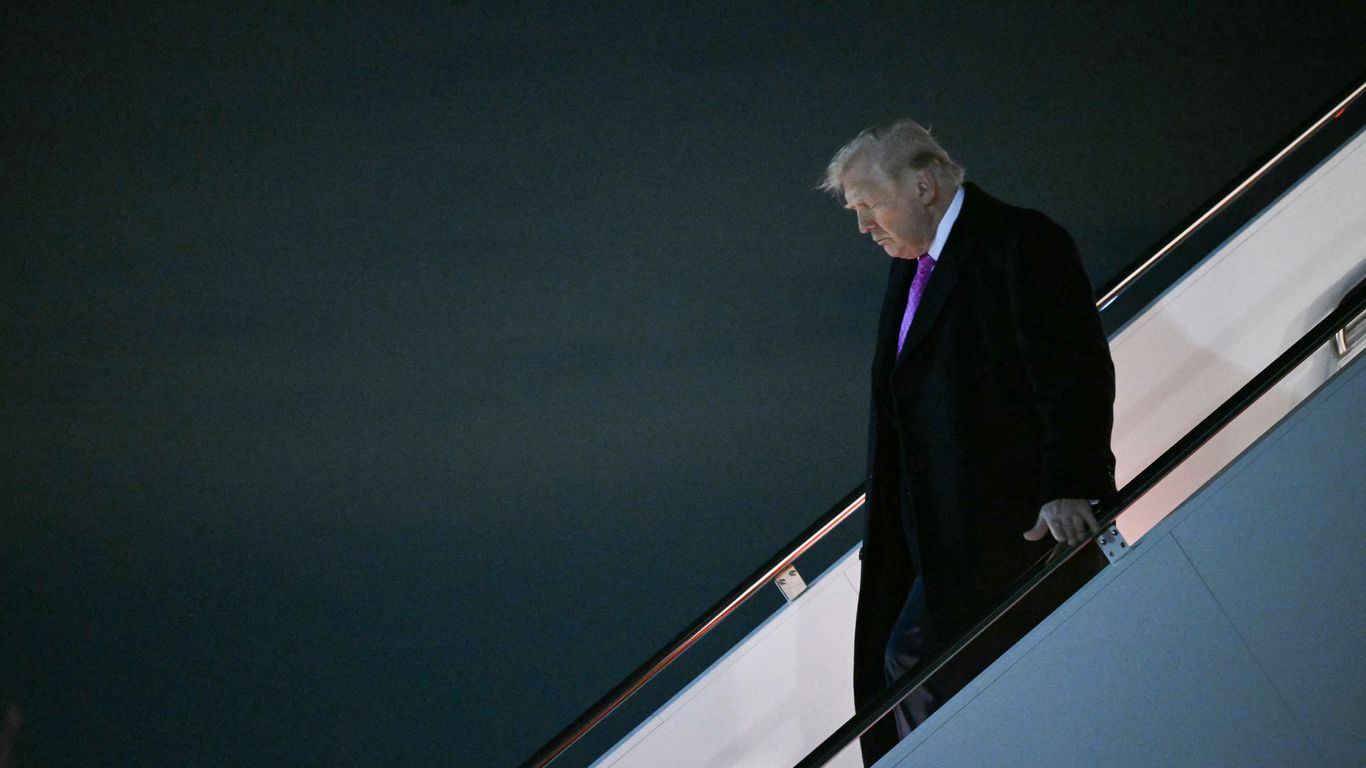
Trump is expected to raise the issue of warships when he meets with Japanese Prime Minister Sanae Takaichi at the White House on Thursday, according to Al Jazeera correspondent Jack Barton. People do expect him to put pressure on Takaichi again to send warships to the Strait of Hormuz. It makes sense in a way because Japan is so dependent on energy supplies from the Middle East.
Taiwan's President Lai Ching-te has spent his first year in office warning that time is running out to prepare for a possible conflict with China. In the past two months alone, he has proposed a sweeping special defense budget and backed a landmark $11 billion U.S. weapons purchase meant to strengthen the island's deterrence. But his commitments are colliding with Taiwan's domestic political reality.
The major shift in the NDS lies in the shifting approach of the US Defense Department, which considers security of the homeland and Western Hemisphere its primary concern. The document noted that the US military would be guided by four central priorities: defend the homeland, push allies around the world away from reliance on the US military, strengthen defence industrial bases and deter China as opposed to a policy of containment.
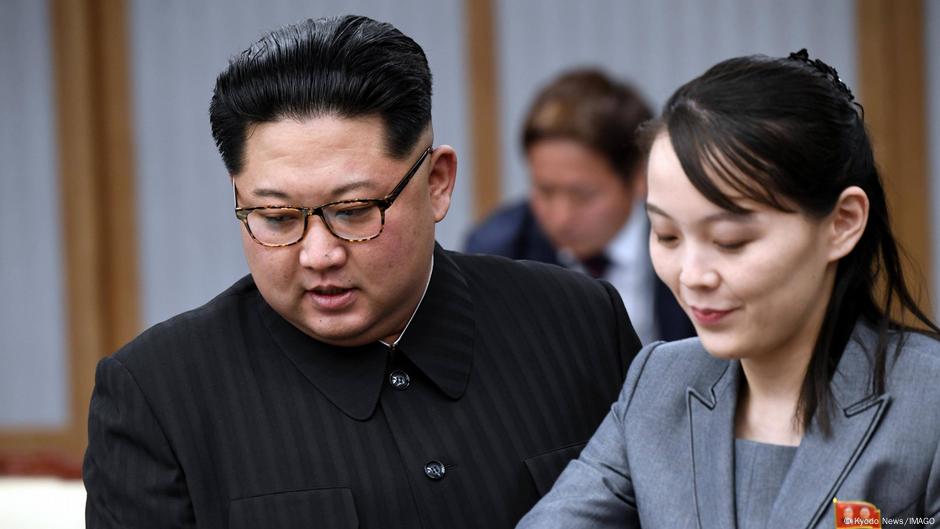
South Korea hosts about 28,500 US troops in combined defence against North Korea's military threat and Seoul has raised its defence budget by 7.5% for this year. South Korea is capable of taking primary responsibility for deterring North Korea with critical but more limited US support, said the National Defense Strategy, a document that guides the Pentagon's policies. This shift in the balance of responsibility is consistent with America's interest in updating US force posture on the Korean Peninsula, the document added.