#jd-museum-shenzhen
#jd-museum-shenzhen
[ follow ]
#architecture #museum-architecture #adaptive-reuse #free-admission #art-experiences #bay-area #public-art



fromdesignboom | architecture & design magazine
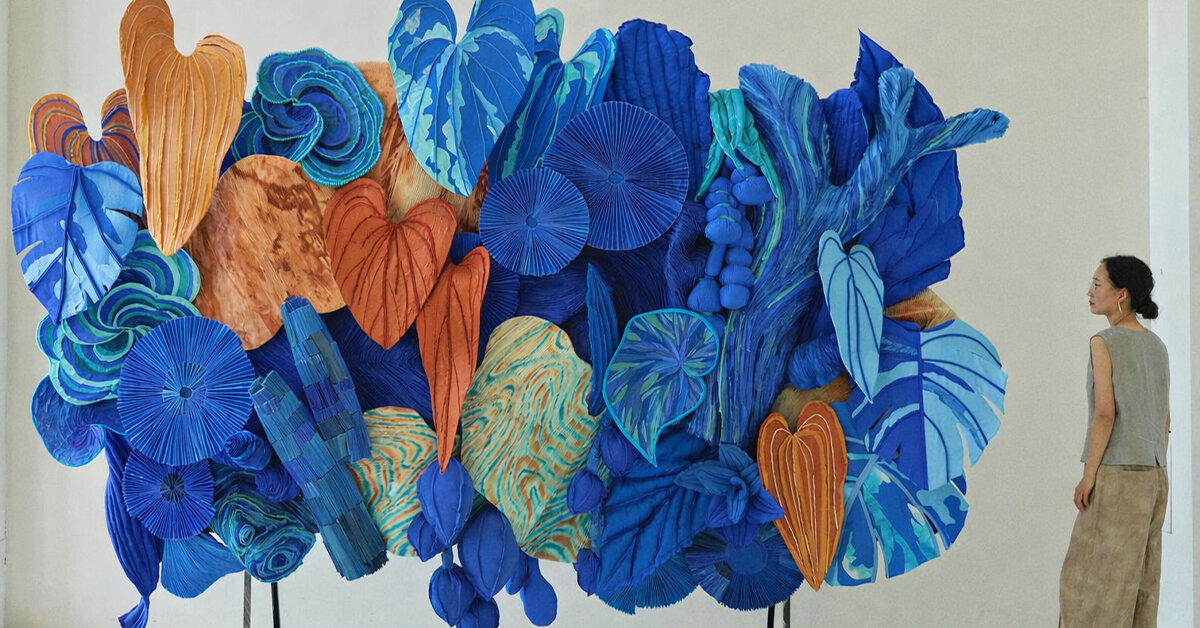
2 days agoblooming graphics and floral installations take over shinsegae department store for spring
The campaign explores the relationship between graphic identity and natural motifs, with the S-check pattern reinterpreted through cherry blossom imagery, establishing a contrast between graphic order and natural variation.
Graphic design
Barcelona
fromArchDaily
6 days agoSANAA, David Chipperfield Architects, and Snhetta Among Five Finalists for Barcelona's New Waterfront Cultural Venue, Liceu Mar
Barcelona selects five finalist teams for the Liceu Mar cultural venue competition at Port Vell, aiming to enhance accessibility and civic engagement.
#hong-kong

London
fromThe Art Newspaper - International art news and events
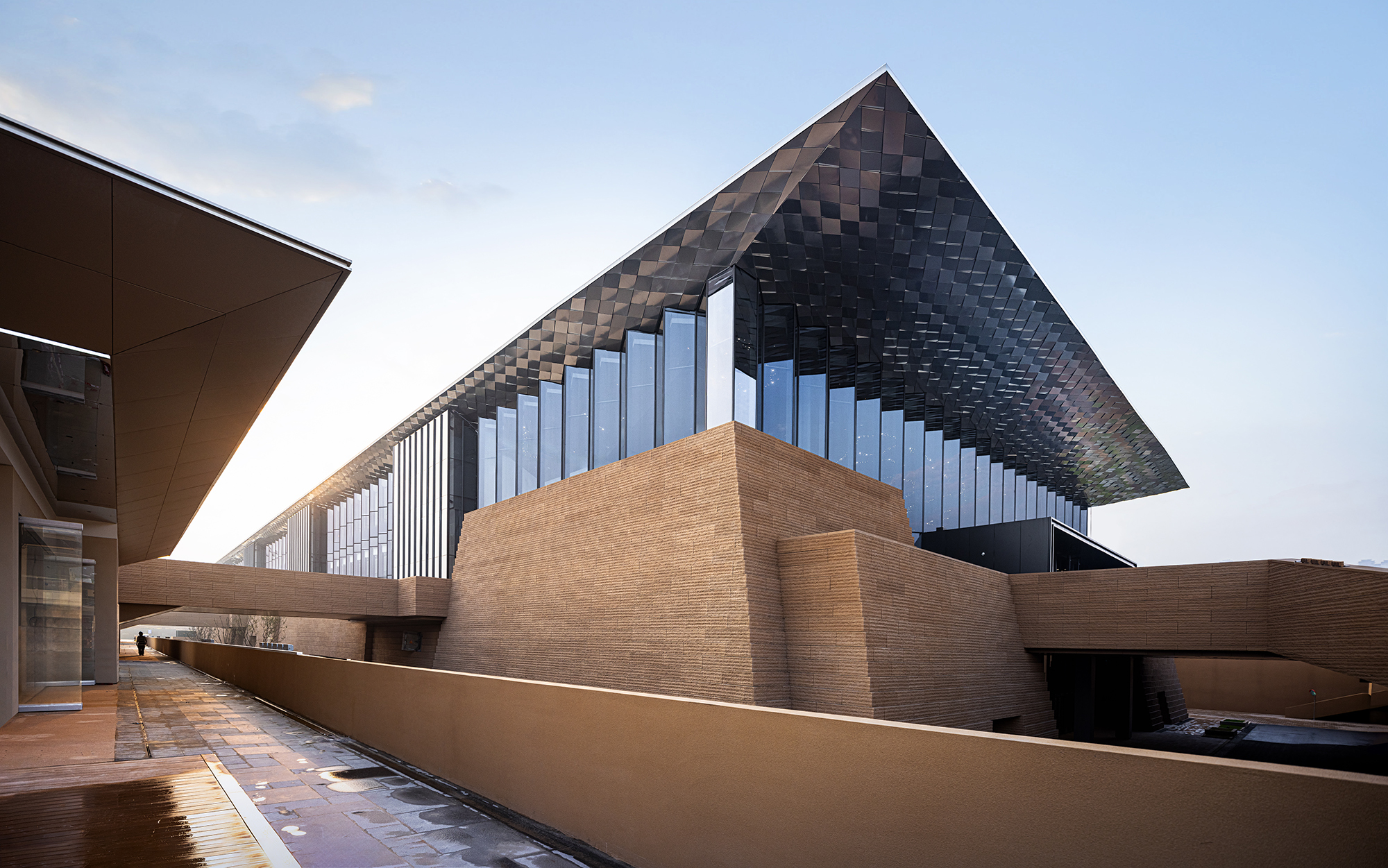
1 week agoMuseums in Shenzhen and Guangzhou are building bridges between Hong Kong and mainland China
Integration of Hong Kong with mainland China has expanded into finance, culture, and infrastructure, fostering new art ecosystems and museums.
London
fromThe Art Newspaper - International art news and events
1 week agoMuseums in Shenzhen and Guangzhou are building bridges between Hong Kong and mainland China
Integration of Hong Kong with mainland China has expanded into finance, culture, and infrastructure, fostering new art ecosystems and museums.

#museum-expansion
Brooklyn
fromThe Art Newspaper - International art news and events
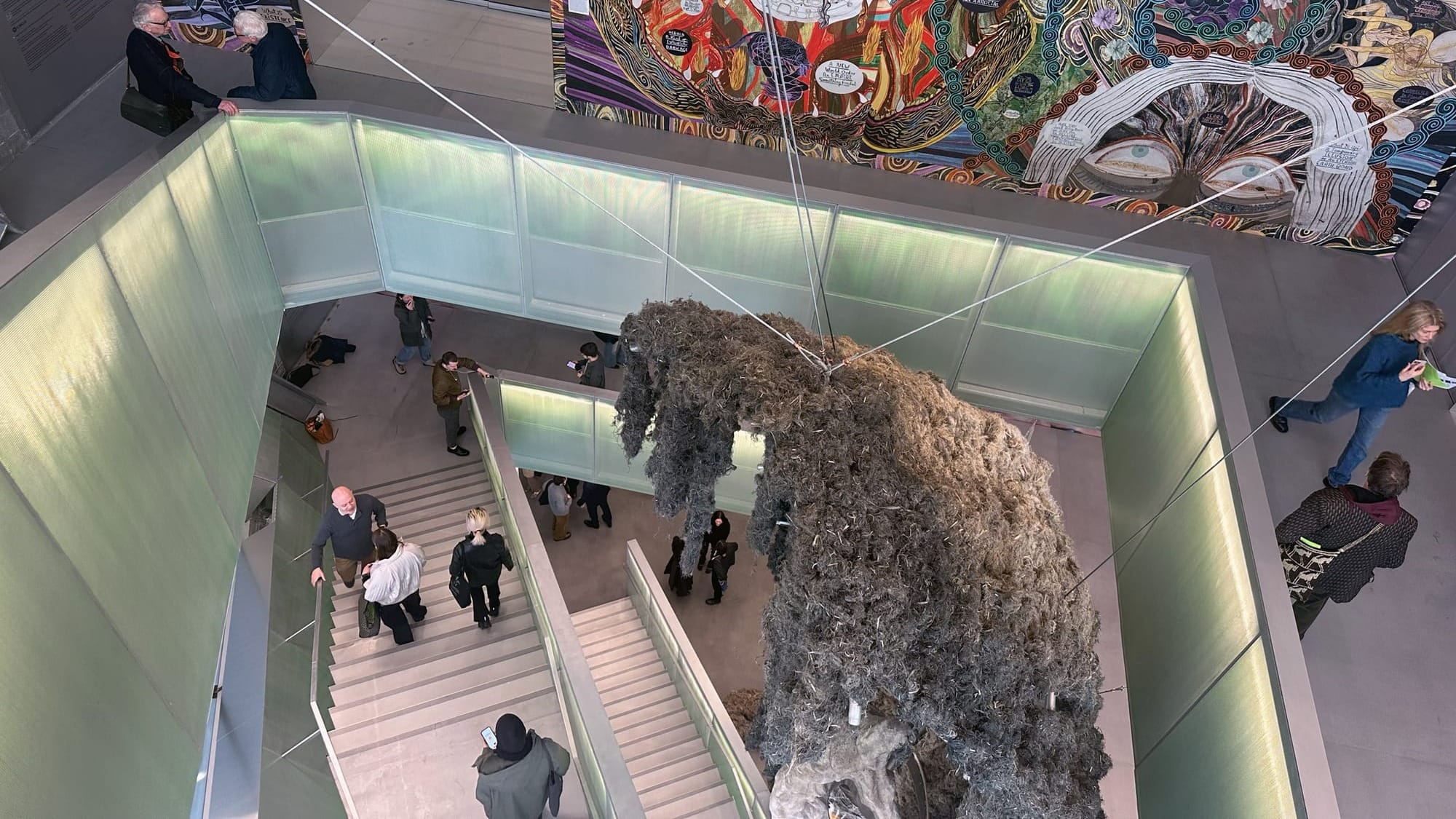
2 weeks agoThe new New Museum: now with twice the space
New York's New Museum opens an $82 million expansion on March 21, doubling its footprint to 120,000 sq. ft with new galleries, artist studios, and public spaces designed by OMA and Cooper Robertson.
Brooklyn
fromThe Art Newspaper - International art news and events
2 weeks agoThe new New Museum: now with twice the space
New York's New Museum opens an $82 million expansion on March 21, doubling its footprint to 120,000 sq. ft with new galleries, artist studios, and public spaces designed by OMA and Cooper Robertson.
fromsfist.com
2 weeks agoContemporary Jewish Museum to Sell Its Downtown SF Building
With an annual operating budget of $7.5 million, the CJM got into major debt during the pandemic, taking out a $28 million loan. In November 2024, the organization announced that the museum would be closing and laying off 80% of its staff, and taking a year-long hiatus to regroup.
Mission District
Design
fromdesignboom | architecture & design magazine
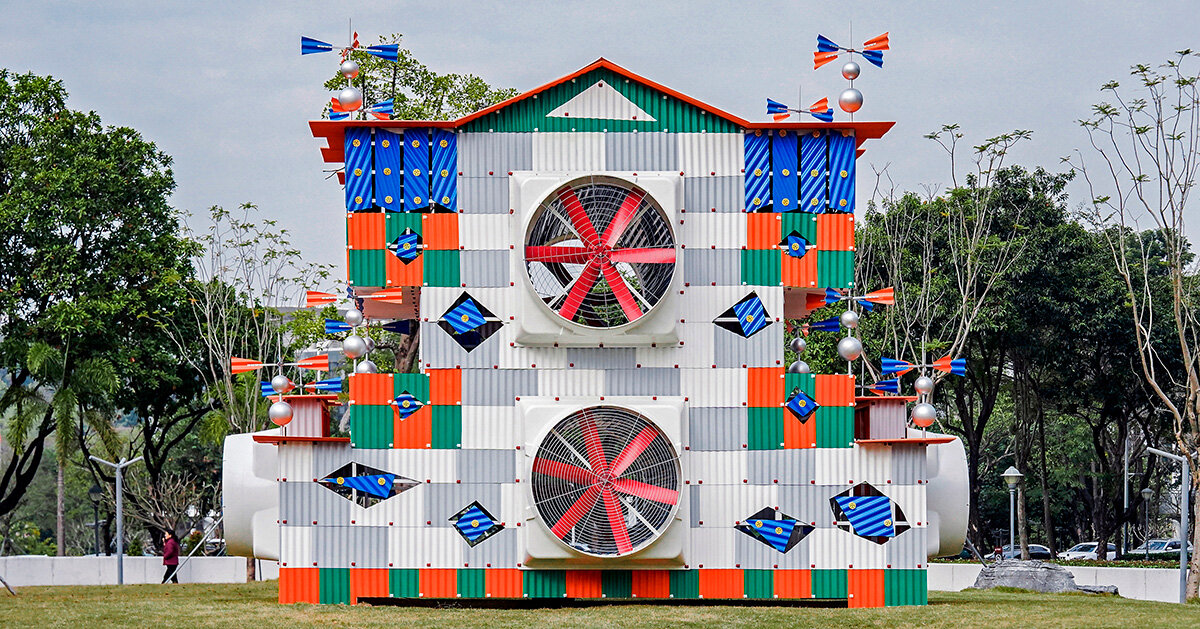
3 days agoreversible cultural pavilion activates public space in frankfurt 2026
Spain's pavilion for World Design Capital 2026 emphasizes reversible cultural infrastructure and sustainable design through innovative materials and construction methods.

Arts
fromThe Art Newspaper - International art news and events
1 week agoContemporary Jewish Museum puts its Libeskind-designed building in San Francisco up for sale
The Contemporary Jewish Museum is selling its building to ensure a sustainable future after low attendance and staff layoffs since the pandemic.
fromdesignboom | architecture & design magazine
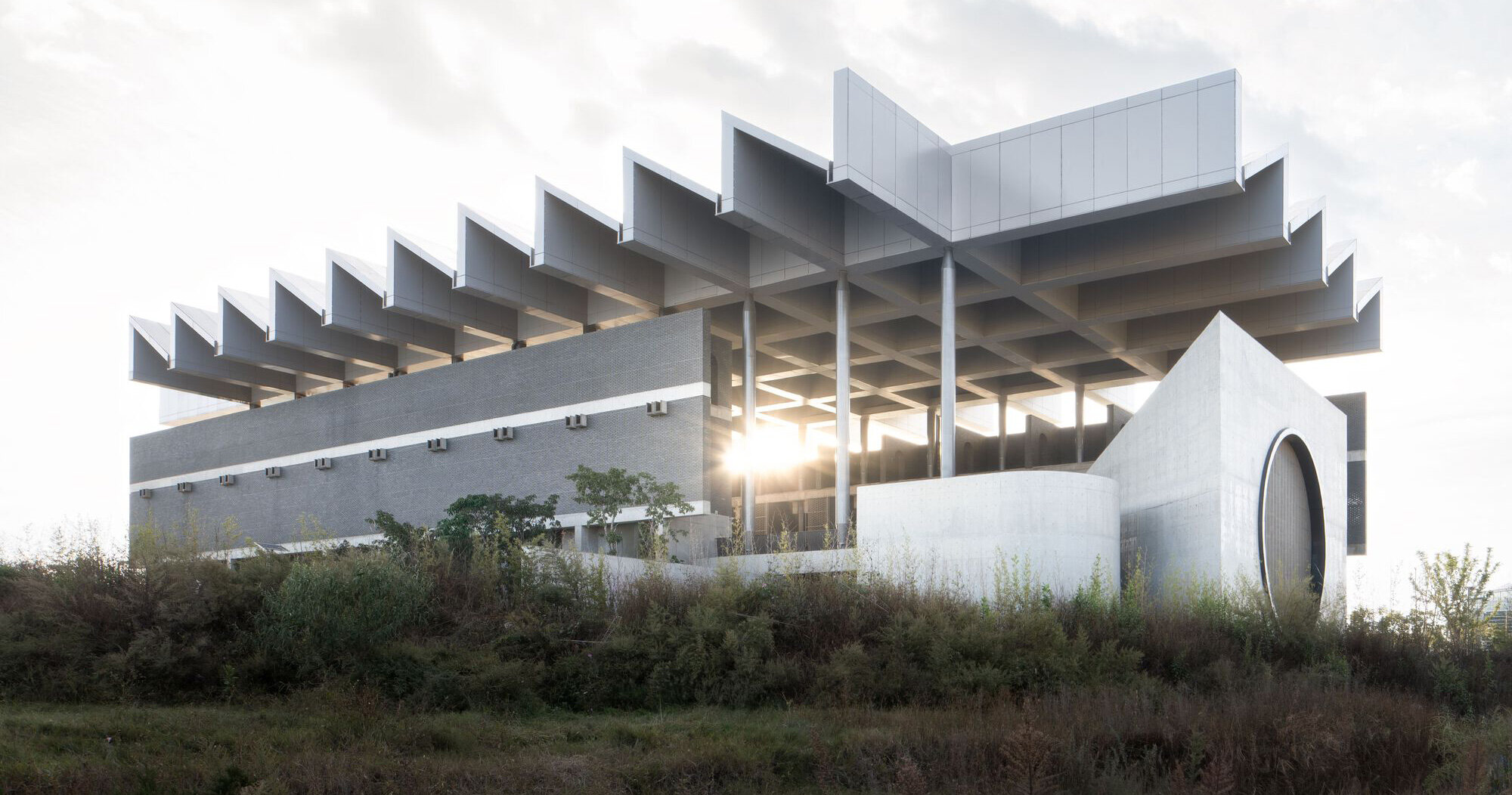
1 month agored and white geometric sports complex emerges along daixi's riverfront
The project is structured around the concept of 'Abstract Landscape,' drawing from principles in Chinese landscape painting that prioritize spiritual interpretation over literal representation. Rather than replicating historical forms, the design translates landscape qualities into geometric compositions and spatial sequences. Abstract volumes reference the condition of distant mountains and nearby waters, while controlled color contrasts establish a clear visual framework.
Miscellaneous
Arts
fromThe Art Newspaper - International art news and events
1 week agoWho owns the seas? Shahzia Sikander's new animation on world trade beamed onto M+ museum facade
Shahzia Sikander's work explores territorial sovereignty and authority through animation, linking historical events like the Opium Wars to contemporary issues.
Arts
fromThe Art Newspaper - International art news and events
1 week agoGoldfish on cars and ceramic flowers: artists take over the Peninsula Hotel in Hong Kong
Art in Resonance features site-specific installations at The Peninsula Hong Kong, showcasing works by Angel Hui, Albert Yonathan Setyawan, and William Lim.

#adaptive-reuse
fromYanko Design - Modern Industrial Design News
1 month agoRenovation
An Abandoned Building Just Became China's Most Reflective Museum - Yanko Design
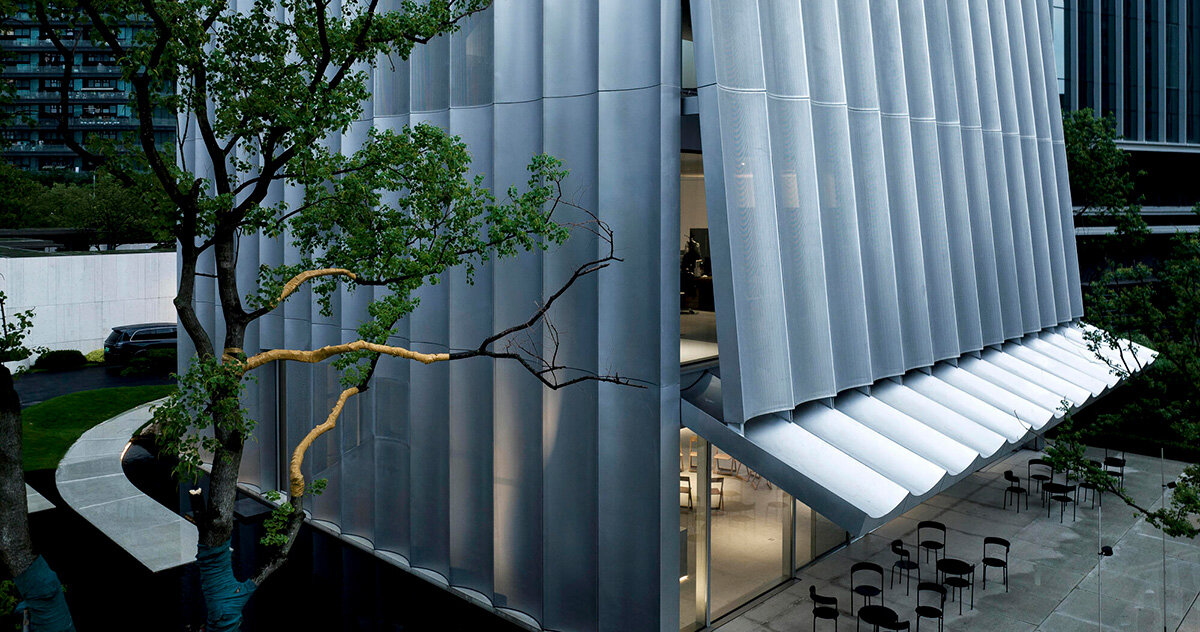
A compact 1,628 m² Hangzhou museum transforms an abandoned project into a light-filled contemporary art space with a wave-like metal facade and basement galleries.
Renovation
fromdesignboom | architecture & design magazine
2 weeks agoexisting residential spaces reconfigure as a flexible community art network in china
Jiadu Art Center transforms residential spaces into a flexible community art hub using adaptable systems and light-touch design strategies within existing structures.
fromdesignboom | architecture & design magazine
2 weeks agocake-like layers stack into a shared motion installation in china, bringing strangers into sync
Turn the circular base, and the whole structure begins to respond, gears catching one another as movement travels upward through its stacked layers. The form borrows from a celebration cake, with layered rings rising one above the other, soft in appearance yet precise in construction. Inside, one tier moves forward, and the next reverses, creating a continuous back-and-forth rhythm.
Design
fromwww.archdaily.com
3 weeks agoGuangdong Brick House / WUWU Atelier, ADINJU
Rural construction is mostly spontaneous, giving rise to a rich diversity of built forms. Within this organic complexity, our strategy is not to assert ourselves through contrast, but to inhabit the context with quiet modesty.
Renovation
fromArchDaily
2 months agoThe Douban Museum / CSWADI
Text description provided by the architects. The Douban museum is located in Ande Town, within the prime irrigation area of Dujiangyan, where traditional farming culture intersects with modern sauce production, echoing the organic texture of the Western Sichuan Linpan. Surrounded by woodlands and bamboo with dotted farmhouses, it possesses a strong ecological foundation. Protecting this ecology became the project's guiding principle.
Environment
fromdesignboom | architecture & design magazine
2 weeks agoopen-air museum revives an industrial past through reclaimed materials and sound
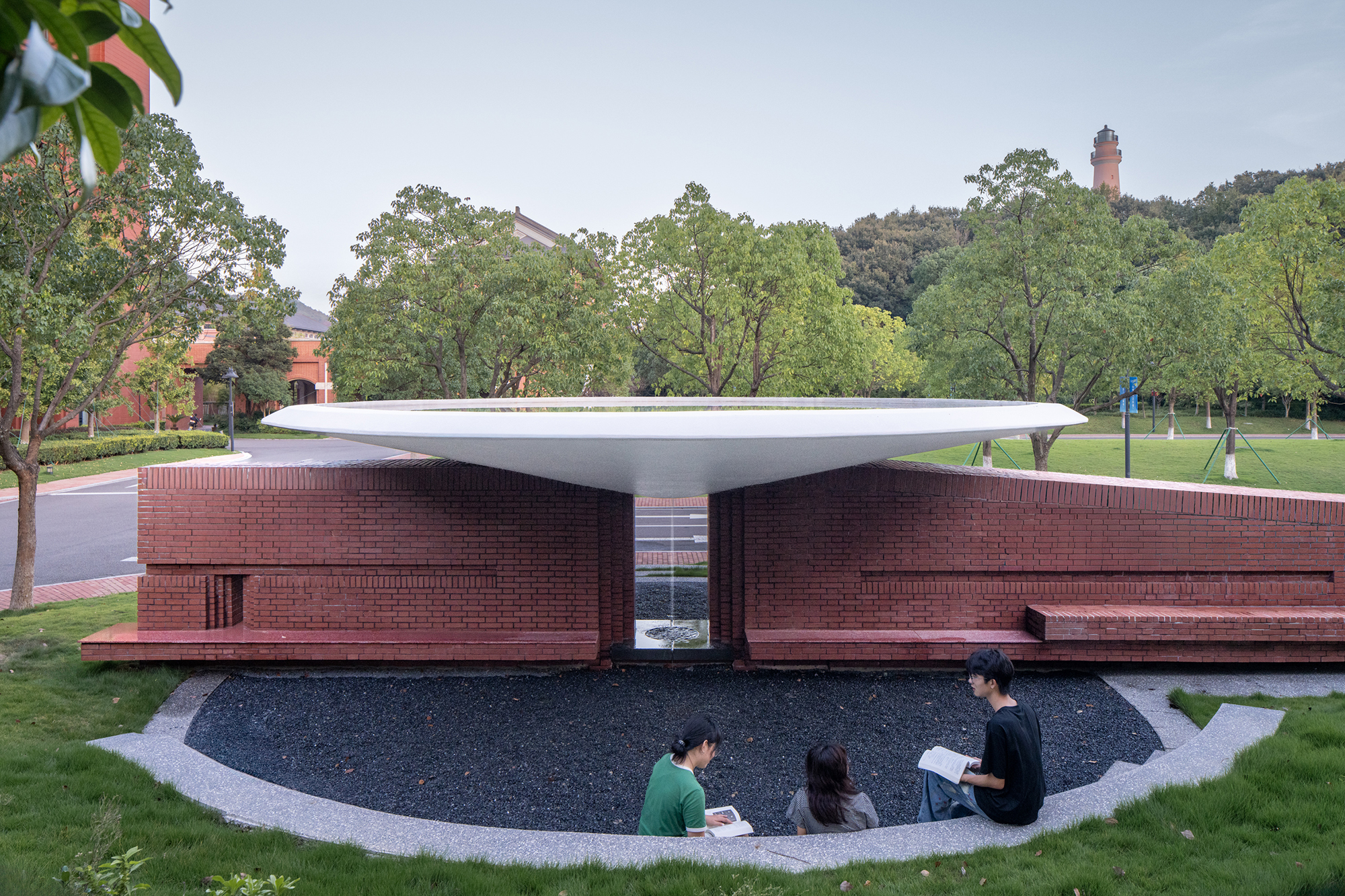
The design by 1Y Architects approaches this silence as material rather than absence. Instead of clearing the debris scattered across the site, the team gathered bricks, concrete fragments, and broken tiles from former factory buildings. These remnants form the structural fabric of the sound museum itself.
Design
fromdesignboom | architecture & design magazine
2 weeks agovernacular bridge craftsmanship informs micro-museum set within bamboo grove in china
Baqiao bridges, including the nearby Shisanba Bridge, typically appear in areas where the difference between river level and embankment is relatively small. Their upstream piers are shaped like tapered spindles with slightly raised tips, creating a distinctive structural profile. Stone slabs span between the piers, forming a bridge deck assembled through interlocking construction methods.
Design
fromdesignboom | architecture & design magazine
2 months agoterraced landscapes anchor hands-on learning at shenzhen elementary school
Wuzhou Elementary School is a public primary located in central , designed by People's Architecture Office (PAO) to support contemporary educational models that emphasize creativity, exploration, and experiential learning. The project responds to Shenzhen's broader transition from an industrial economy to one oriented toward innovation by reconsidering how architectural space can support evolving modes of education. The school is conceived as a three-dimensional 'Learning Landscape,' replacing conventional classroom-and-corridor arrangements with a continuous field of varied spatial conditions.
Education
Renovation
fromwww.archdaily.com
1 month agoJinan Ping An Financial Center Interior Design / Nikken Sekkei
A 62-story, 360-meter skyscraper in Jinan's CBD features landmark interior design by Nikken Sekkei, embodying the 'river' theme within a five-building complex symbolizing natural and urban elements.
fromwww.archdaily.com
2 months agosage MixC Shenzhen / say architects
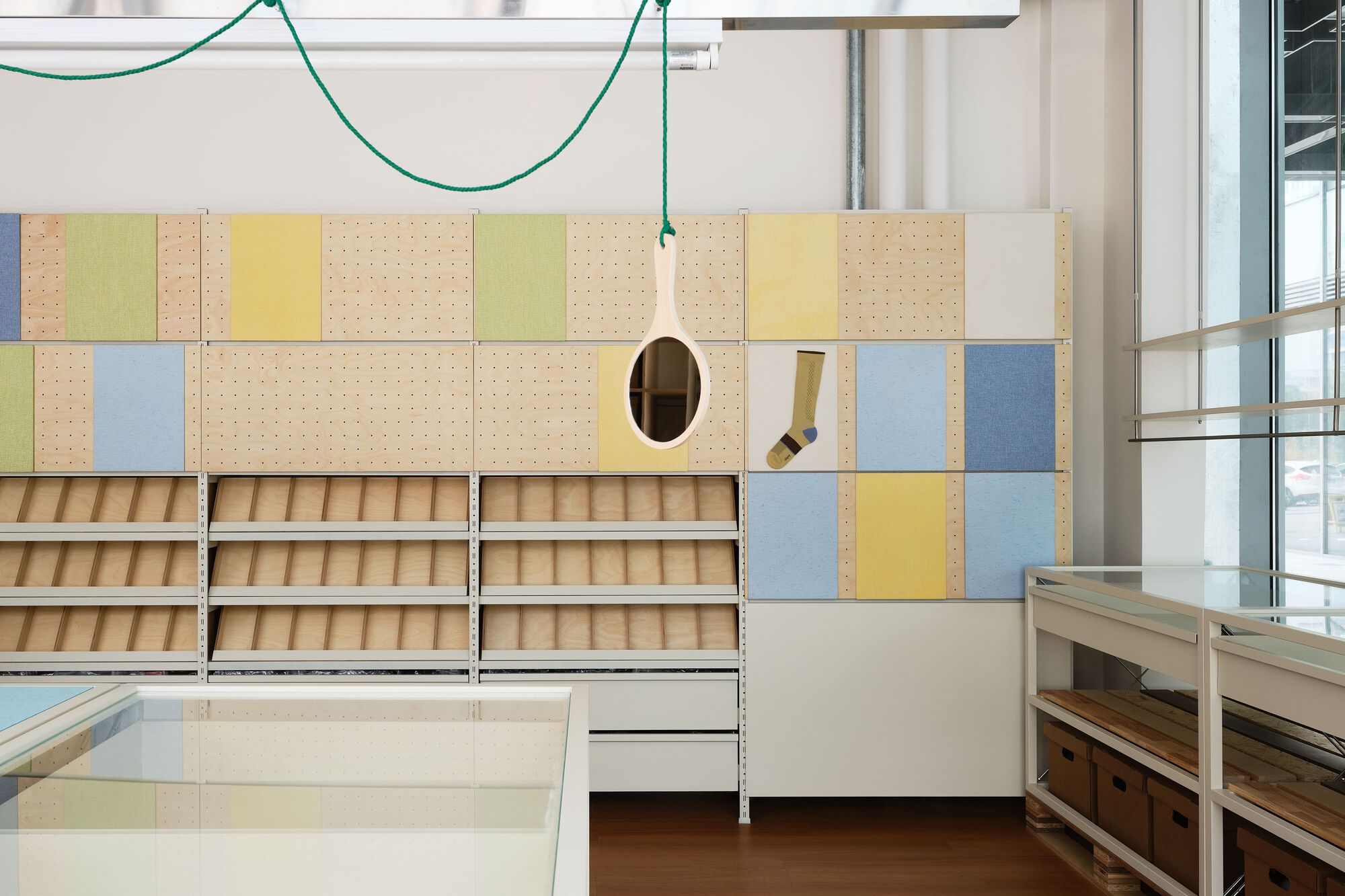
Wen Studio + 16 Interior Designers: say architects Area of this architecture project Area: 247 m Completion year of this architecture project Year: 2025 Photographs:Wen Studio Brands with products used in this architecture project Manufacturers: Kvadrat Lead Architects: Zhang Yan, Shan Jianan Category: Retail, Retail Interiors Design Team: Zhou Yao(Project Manager), Jiao Xinyue Engineering: Zhejiang Nuoyin Furniture Co., Ltd., Lighting: Hangzhou Light Track Lighting Design Co., Ltd.
Design
fromArchDaily
2 months agoJiaxing HRNT Cultural Center / THAD SUP Atelier
Jiaxing High-Speed Rail New Town Cultural Center sits at a key node in the city's water and landscape network, with open waterfronts to the north and west and major roads to the south and east. Conceived as the City Living Room and Eye of the Town, it anchors the community core, surrounded by residences, schools, and the hospital. It aims to provide the public with a high-quality, all-day accessible experience.
Design
fromdesignboom | architecture & design magazine
2 months agogreen marble clads gallery showroom's immersive interiors in shenzhen
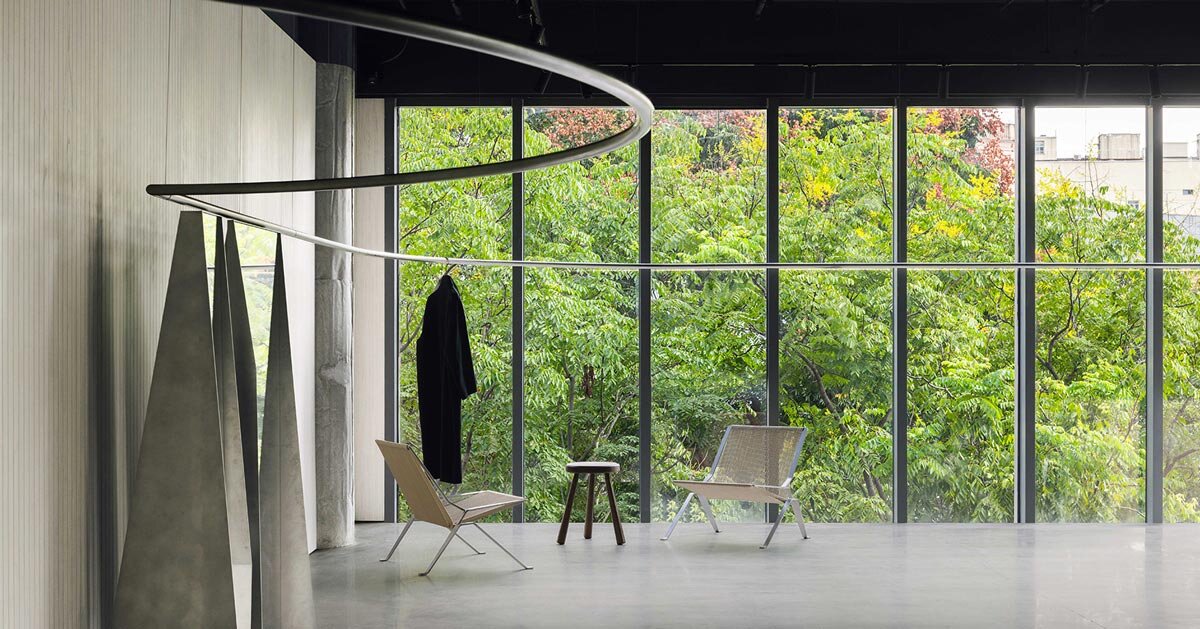
PENG & PARTNERS treats Marble as architectural medium Dreamer Stone House is a spatial project by PENG & PARTNERS that examines as an architectural medium rather than a surface finish or display material. Conceived as an immersive environment in , the project repositions stone as an active element shaping spatial rhythm, atmosphere, and sequence. Instead of presenting marble as a static object, the design integrates it into a continuous architectural narrative that unfolds through movement and perception.
Design
Design
fromdesignboom | architecture & design magazine
2 months agonear figure envisions evolving green concrete museum unfolding along helsinki harbor
A Finland museum explores 'Near Figure' architecture that balances recognizability and abstraction through evolving, deformable forms and spatial ambiguity.
Design
fromdesignboom | architecture & design magazine
2 months agoa 1930s chair is the architectural inspiration for gad's nature experience center in china
A free-form roof floats like a cloud, allowing relaxed, locally adapted architecture that grows from alpine terrain and frames mountain, village, and water landscapes.
Design
fromdesignboom | architecture & design magazine
2 months agosnhetta plans spiraling galleries with curved glass facades for beijing art museum
A radiating, vision-driven Beijing Art Museum by Snøhetta and BIAD organizes galleries radially above a metro, linking interior exhibitions with surrounding public space.
Design
fromdesignboom | architecture & design magazine
2 months agorow of circular red panels lines the facade of cafe on-site by aptdotapt in china
Dual facades use semi-cylindrical volumes and openable rear tracks to filter urban noise and pollution while seamlessly expanding the café into the adjacent park.
Design
fromdesignboom | architecture & design magazine
2 months agotraditional bamboo scaffolding constructs temporary theater along chinese coast
Re-Enchantment Design built an 18-day bamboo-based temporary coastal theater integrating local construction techniques and adaptable public spaces for varied community use.
[ Load more ]