#jose-ruiz
#jose-ruiz
[ follow ]
#contemporary-art #photography #mexico-city #frida-kahlo #public-art #architecture #art-exhibition #illustration



Arts
fromThe Art Newspaper - International art news and events
4 days agoMexico's art community calls for greater transparency in management of treasured collection
The Gelman Collection's future is uncertain, prompting calls for transparency from cultural professionals regarding its management and adherence to heritage laws.
Renovation
fromdesignboom | architecture & design magazine
2 weeks agotwo intersecting volumes of black concrete carve mavra house into the mexican landscape
Casa Mavra in Valle de Bravo features two angular black concrete volumes designed by TAC Taller Alberto Calleja, organized as intersecting forms that connect interior spaces with the surrounding landscape through continuous walls and controlled openings.
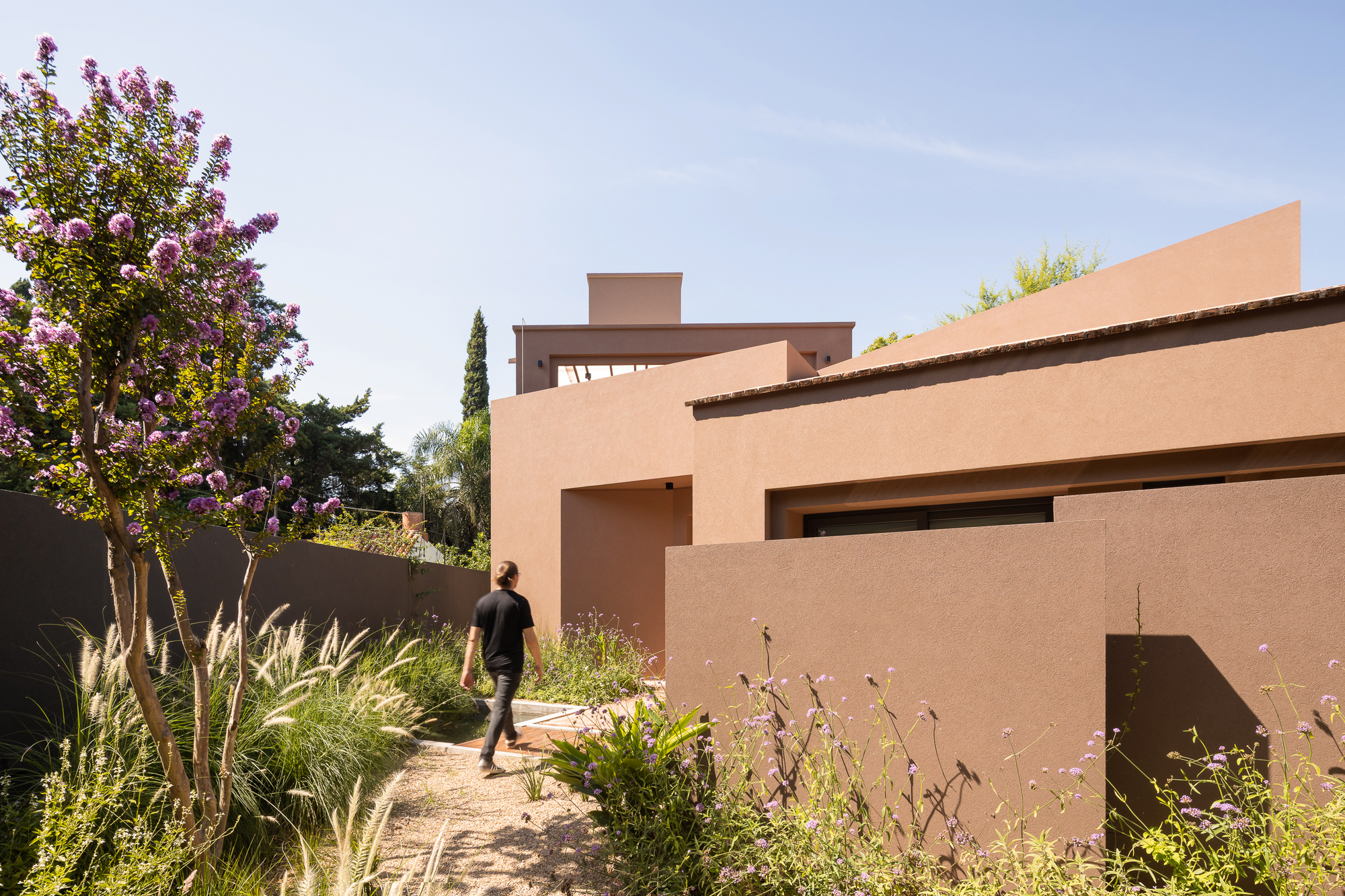
fromABC7 San Francisco
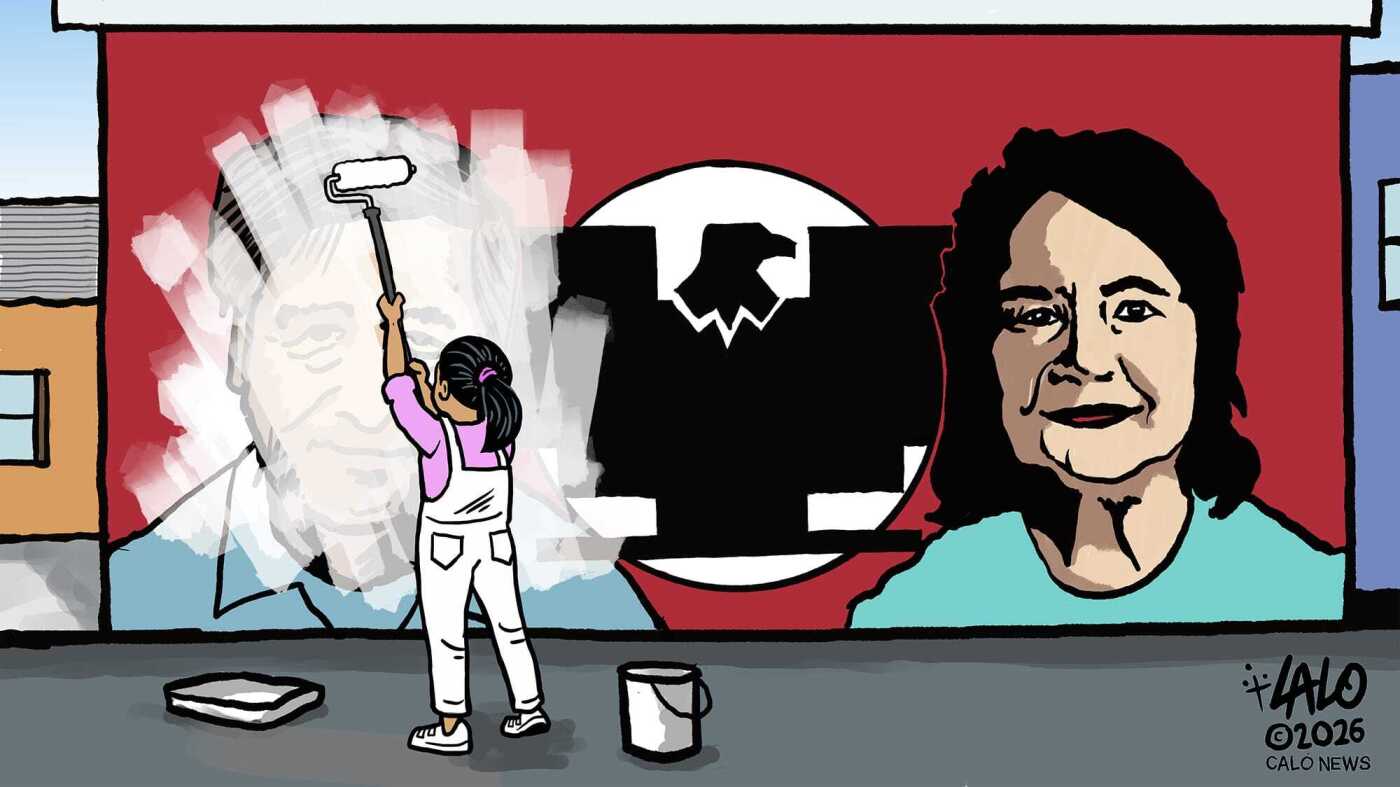
2 weeks agoMural of Cesar Chavez painted over at well-known SF home after allegations of sexual abuse
Homeowner Richard Segovia said the decision to remove Chavez's image came quickly. Segovia, who described himself as a longtime advocate for women and a supporter of young artists, said he contacted the muralist he works with immediately after a New York Times investigation detailed the allegations. UFW cofounder Dolores Huerta claims to be a survivor of Chavez's alleged abuse.
Mission District
Madrid food
fromTravel + Leisure
3 weeks ago20 Best Things to Do in Oaxaca, Mexico-From Savoring Mole and Mezcal to Exploring Indigenous Art
Oaxaca offers Indigenous heritage, world-class cuisine featuring mole and mezcal, colonial architecture, traditional crafts, and legendary street food experiences.
Renovation
fromdesignboom | architecture & design magazine
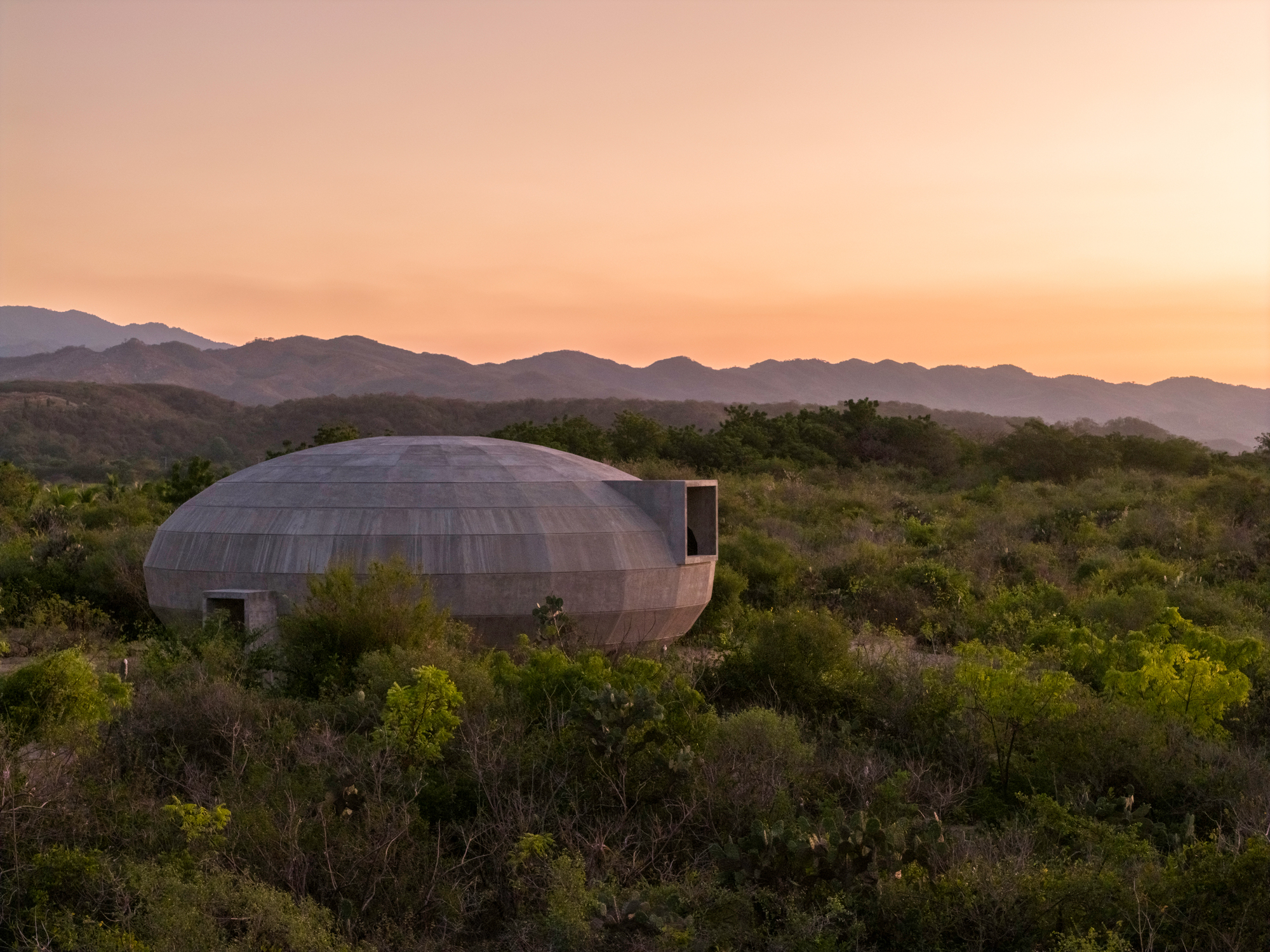
4 weeks agoOMA completes a domed pavilion for both artists and mushrooms at casa wabi
OMA designed an elliptical Mushroom Pavilion at Casa Wabi in Mexico that combines mushroom cultivation with a social gathering space, featuring three functional chambers around a central amphitheater.
Music
fromMetro Silicon Valley | Silicon Valley's Leading Weekly
1 month agoOzomatli Brings 30 Revolutions Tour to The Guild Theatre | Metro Silicon Valley | Silicon Valley's Leading Weekly
Ozomatli, a six-member band fusing Latin rhythms with reggae, funk, hip-hop and jazz, celebrates 30 years of bringing people together through culturally diverse music.
fromdesignboom | architecture & design magazine
1 month agocast in red-pigmented concrete, la cacaotera museum celebrates cacao heritage in mexico
The project was undertaken by the collaborative team of Laboratorio Regional de Arquitectura, Taller | Mauricio Rocha, and Samuele Xompero after the demolition of the building that once housed the National Union of Cacao Producers, and which had suffered severe structural damage. The building's architecture incorporates the formal memory of its predecessor, but with a new program dedicated to showcasing the transformation of cacao into chocolate.
Miscellaneous


Design
fromdesignboom | architecture & design magazine
1 month agoluis barragan's la cuadra san cristobal reopens to the public with two exhibitions in mexico
La Cuadra, Luis Barragán's 1968 equestrian complex, reopens as a public cultural campus under Fernando Romero's direction, launching with exhibitions dedicated to Barragán and Felix Gonzalez-Torres.
Arts
fromJuxtapoz
2 weeks agoJuxtapoz Magazine - Private Nightmares: Francisco Rodriguez @ Baert Gallery, Los Angeles
Rodriguez paints memories of vanished places using flattened compositions and muted palettes informed by historical artistic traditions, exploring contemporary anxieties through figures seeking escape from digital isolation.
fromdesignboom | architecture & design magazine
1 month agorootstudio's oaxaca bus stops feature cut metal panels inspired by local histories
RootStudio proposes an alternative, where the waiting period becomes a spatial condition worthy of design attention. Each intervention is organized around a continuous roof supported by a rhythmic structural frame. The canopy provides shade and shelter from rain while defining a perimeter for waiting without enclosing it. The architecture reads as a measured gesture within an intense urban setting.
Miscellaneous
Music
fromenglish.elpais.com
1 month agoIn the Mexican state of Oaxaca, a music school keeps children away from violence
The Santa Cecilia School of Musical Initiation transformed a garbage-filled community in Oaxaca into a cultural hub offering music education and university opportunities through sustained community effort.
:max_bytes(150000):strip_icc()/TAL-mexico-city-CULTRLYRICHDEST1225-9b03d517b80f4303aec7005290180b50.jpg)
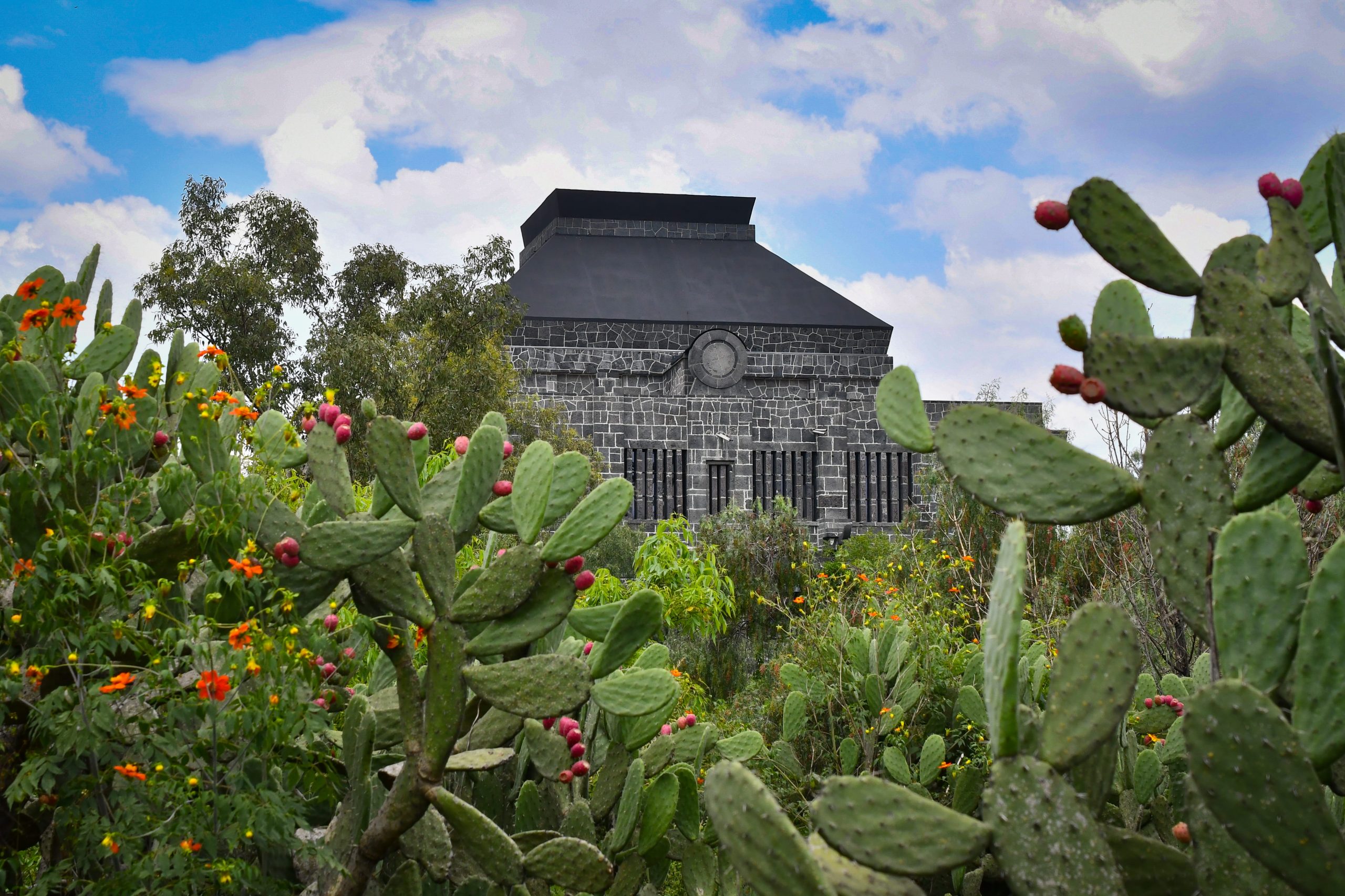
Arts
fromThe Art Newspaper - International art news and events
3 weeks agoPedro Friedeberg, key figure in Mexican art renowned for hand-shaped chair, has died at age 90
Pedro Friedeberg, the Mexican artist renowned for his hand-shaped chair, died at 90, leaving behind a distinctive artistic legacy that blended surrealism, geometric abstraction, and ornamental architecture.
fromArtnet News
3 weeks agoA New Show on Picasso's Religious Roots Opens in a Spanish Cathedral
At first glance, this curatorial oversight is hardly surprising. After all, Picasso was an atheist and Communist supporter whose ever-shifting practice seemed to chafe against centuries of religious art. Indeed, in a well-known episode from the 1940s, Picasso personally confronted Henri Matisse for accepting the Vence chapel commission.
Arts

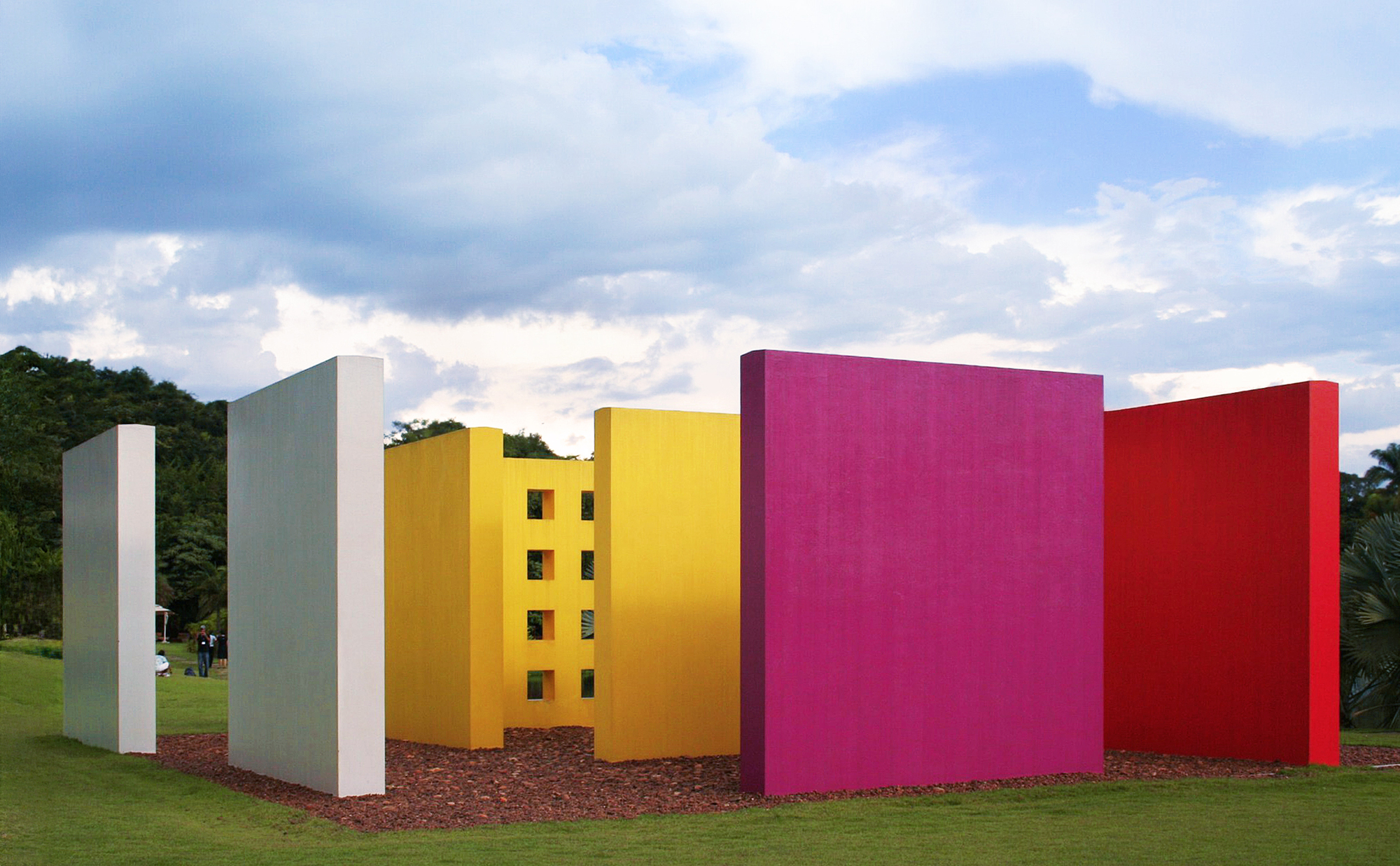
Arts
fromThe Art Newspaper - International art news and events
1 month agoThe many faces and identities Frida Kahlo are explored in exhibition catalogue
Frida Kahlo evolved from obscurity to global icon through posthumous appropriation by diverse movements that identified with her multifaceted persona and art across social, political, and commercial sectors.
fromCN Traveller
2 months agoThis underrated Mexican city's artisans have transformed their home into a shopaholic's paradise
Traveller check into hotels for easy access to historical Mayan sites and the cenotes beyond, with ambles through colourful squares and late, balmy nights digesting feasts over tequila tipples. Between cultural excursions and natural wonders, however, there's much to be said for the artisans in these parts. From crafted perfumes to handmade chocolates, these are the gifts and trinkets to make space for in your luggage.
Food & drink
fromTravel + Leisure
1 month agoYou Can Soon Visit Clase Azul's First-ever Cultural House in Mexico City-Here's What to Expect
Spirits brand Clase Azul México will soon open a brand-new home in the city's Polanco area on Feb. 17, offering guided tastings, rotating art installations, private events, and more. The new address, dubbed "Casa de Los Leones," or House of the Lions, was built in a historic mansion where original elements like stained glassed windows were preserved, juxtaposed with contemporary design.
Travel
fromTasting Table
2 months agoStep Aside Taco Bell, This Dish Is The Real Mexican Pizza - Tasting Table
The Mexican Pizza has been a Taco Bell fan favorite since it was first introduced to the menu back in 1985 - though it went by a different name back then, the Pizzazz Pizza. In its current form at the fast food chain, this dish consists of two layers of crisp flour tortillas with refried beans and seasoned ground beef sandwiched in the middle, and "Mexican Pizza Sauce," melted cheese, and diced tomatoes on top.
Food & drink
fromDesign Milk
1 month agoInside Lee Broom's Latin American Exhibition at Diez Company
Now, he celebrates his first major presentation in Latin America, in congruence with Mexico City Art Week 2026 and ZSONAMACO, showcasing on an ideal stage inside one of the city's most architecturally layered interiors. Titled The Resident, the site-responsive installation, created during a residency at the Diez Company house, transforms the historic showroom into an immersive tableau where more than 50 works negotiate the boundaries between collectible design, contemporary art, and spatial theater.
Design
Arts
fromJuxtapoz
1 month agoJuxtapoz Magazine - Judith F. Baca: Great Wall of Los Angeles: The 1970s- A Decade of Defiance and Dreams @ Jeffrey Deitch, Los Angeles
The Great Wall of Los Angeles expands to depict 1970s Indigenous reclamation, prison and campus uprisings, Chicano antiwar protests, and art's role in testimony.
fromArtnet News
1 month agoDomingo Zapata Is Painting the World's Largest Mural in Saudi Arabia
As an artist, having the freedom to create without boundaries is incredibly rare. That's why I reference the Sistine Chapel-not to compare myself to Michelangelo, but to evoke that moment in history when an artist was entrusted with complete creative freedom to interpret humanity as it was understood at the time,
Arts
fromColossal
2 months agoThrough Tender Paintings and Carvings, Hilda Palafox Revels in Care and Communion
In her manifesto, Borderlands/La Frontera, Anzaldúa presents what she calls a new mestiza consciousness, which advocates for ambiguity and moves "toward a more whole perspective, one that includes rather than excludes." Groundbreaking when it was published in 1987, this theory pushed queer, feminist, and cultural scholars to consider how identity is both fluid and informed by several overlapping factors. It also helped to lay the groundwork for branches of study like ecofeminism,
Arts
fromJuxtapoz
1 month agoJuxtapoz Magazine - Oscar Murillo: "el pozo de agua" @ kurimanzutto, Mexico City
OSCAR MURILLO (b. 1986, La Paila, Colombia) has developed a multifaceted and challenging practice that spans painting, collaborative projects, video, sound and installation. Through each body of work, the artist probes ideas of collectivity and shared culture, demonstrating a commitment to the power of material presence alongside complex meditations on contemporary society. A focus on the social dimension that sits on the border between performance and events is also central to Murillo's practice.
Arts
fromArtnet News
1 month agoHow Wifredo Lam Made Surrealism More Surreal Than the Surrealists | Artnet News
An exhibition of Wifredo Lam is about as safe a bet as the Museum of Modern Art can place and still plausibly say that it's a bet on expanding the canon. The Cuban artist is one of the most famous painters of the 20th century, featured in almost every single key show about Surrealism. MoMA acquired his famous painting The Jungle in 1946, a few years after he made it.
Arts
Arts
fromThe Art Newspaper - International art news and events
1 month agoMexico City's art scene gravitates to Santa Maria la Ribera neighbourhood
Santa María la Ribera has become a growing hub for contemporary Mexican artists, offering affordable studios, large Porfirian-era spaces, and new exhibition venues.
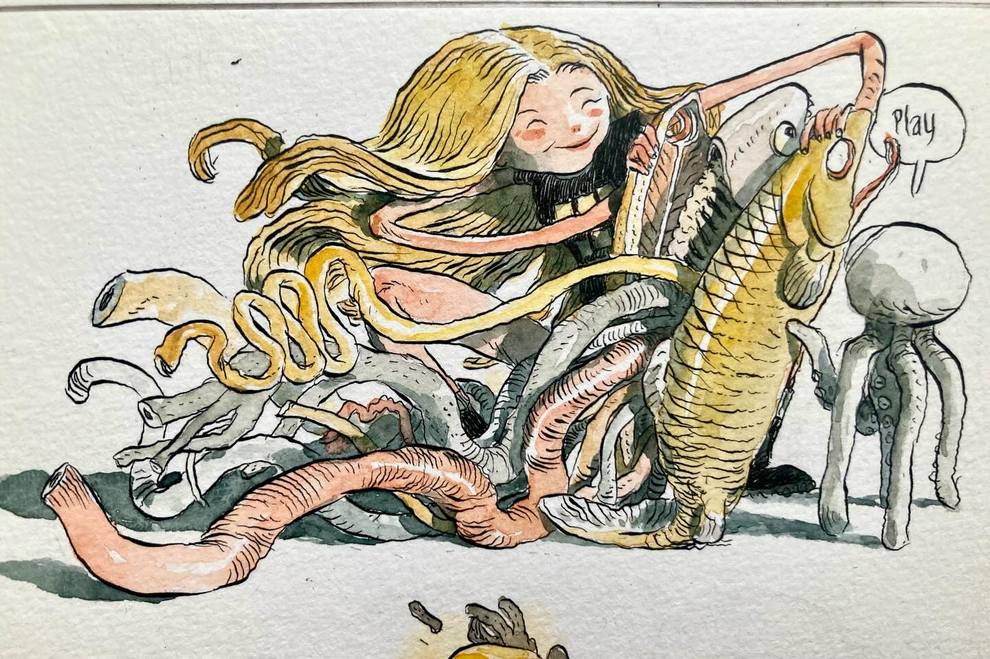
fromCurbed
2 months agoThe Cuban House of Spirits
The artists José Parlá and Claudia Hilda, his wife, live in a former fire station in Fort Greene surrounded by memories of Cuba, which Parlá's ­family fled in 1970 and where ­Hilda lived until recently. "There's a lot of magical realism here, a big mix of Cuban traditions and religion," says Parlá, pointing to an icon of la Caridad del Cobre, the island's patron saint, in the kitchen. "We cannot move her!"
Arts
fromdesignyoutrust.com
1 month agoDark Humor Decals For Everyday Absurdity: Amazing Acrylic Paintings by Javier Mayoral
Handcrafted Artful Embroideries of Everyday Products by Alicja Kozowska Well of Eternity: Stunning Sci-Fi Concept Artworks of Sung Choi Traveller's Joy The Key To The Countryside Beautiful Shell Adverts From The Mid-1950s These Animal Illustrations Accurately Express Our Monday Blues And Friday Feels Dark, Surreal And Moody Photo Works By Simon Kerola Artist Replaces Jurassic Park Dinosaurs With Those From The Show Dinosaurs "Deathmask Divine": The Superb Dark Paintings of Bahrull Marta
Arts


fromCurbed
2 months agoThe Cuban House of Spirits
The artists José Parlá and Claudia Hilda, his wife, live in a former fire station in Fort Greene surrounded by memories of Cuba, which Parlá's family fled in 1970 and where Hilda lived until recently. "There's a lot of magical realism here, a big mix of Cuban traditions and religion," says Parlá, pointing to an icon of la Caridad del Cobre, the island's patron saint, in the kitchen. "We cannot move her!"
Arts
fromThe Art Newspaper - International art news and events
1 month agoAt Mexico City's Material and Salon Acme fairs, artists find hope in nature
"The new venue has allowed us to develop the experience of the fair-it lends itself to being more of a destination," Brett W. Schultz, the co-founder and director of Material, tells The Art Newspaper. The fair features over 70 exhibitors this year, with an especially strong contingent of Mexico City galleries that, like Material, have been around for a little over a decade.
Arts
fromThe Art Newspaper - International art news and events
1 month agoExhibitions to see during Mexico City Art Week
Taking over the colourful Casa Gilardi, Luis Barragán's last commissioned residence, built for the advertising executive Francisco Gilardi in the mid-1970s, the German artist Gregor Hildebrandt transforms the house's stylish rooms with an ever-expanding exhibition of his enigmatic works across various media. Known for transforming outmoded analogue recording media-including audio cassettes, VHS tapes and vinyl records-into paintings, sculptures and large-scale installations, the Berlin-based artist's conceptual works explore themes of memory, nostalgia and the physical representation of intangible sound and sight.
Arts
fromThe Mercury News
1 month agoSan Jose artist brings wind, light to bear in her paintings
Artist Ayelet Gal-On does not just paint; she builds, layering oil, acrylic and plaster on canvas. Gal-On's signature subjects for "Taken by the Wind, Swept by the Light," her upcoming solo exhibition at Gallery 9 in Los Altos, are white dresses that appear to hang on a line, defying the stillness of the canvas. "I love the process of playing with color," says the artist.
Arts
Arts
fromThe Art Newspaper - International art news and events
1 month agoMexico City's Zona Maco fair continues to draw upbeat crowds and eager buyers
Zona Maco in Mexico City drew strong attendance and energetic engagement, highlighting ceramics and material-focused works alongside extended curator-gallery dialogues despite market calendar congestion.
Arts
fromJuxtapoz
2 months agoJuxtapoz Magazine - Preview: Imon Boy's "Un poco distraido" @ Yusto / Giner Gallery, Madrid
Imon Boy's solo exhibition transforms diary-like, graffiti-rooted imagery into playful visual narratives blending street energy with gaming, internet culture, cinema, travel, humor and identity.
Arts
fromThe Art Newspaper - International art news and events
1 month agoCelebrations at Mexico's Museo Experimental El Eco
Museo Experimental El Eco, designed by Mathias Goeritz, reopened twenty years ago and is now gaining national heritage recognition while showcasing new commissions and performances.
fromJuxtapoz
2 months agoJuxtapoz Magazine - Misfits: Daniel Nunez Explores a New Freedom @ GR Gallery, New York
"The four large-scale canvases that constitute the core of ' Misfits' maintain the fundamental elements of the artist's visual lexicon while radically reconfiguring compositional structure and spatial organization. These works advance a design freedom that is simultaneously forceful and controlled, achieving a balance between expressive intensity and formal restraint. As such, the series marks a decisive moment in Nuñez artistic evolution and possibly an initial step toward a more profound and transformative reorientation of his practice."
Arts
fromColossal
2 months agoAbsurd Scenarios Stretch Across Paco Pomet's Uncanny Canvases
From figures with multiple legs and noodles for arms to frolicking trees, Paco Pomet summons the absurd. Known for his uncanny oil paintings rendered mostly in monochrome and enlivened by colorful details of overly stretchy limbs or celestial objects, a sense of nostalgia greets surreal scenarios. The artist often derives his imagery from vintage black-and-white photographs, adding an absurd dimension to history.
Arts
[ Load more ]