#justin-anderson
#justin-anderson
[ follow ]
#contemporary-art #art #whitney-biennial #sculpture #photography #art-exhibition #whitney-biennial-2026
fromHi-Fructose Magazine - The New Contemporary Art Magazine
1 day agoKyle Cobban Draws From The Unknown - Hi-Fructose Magazine
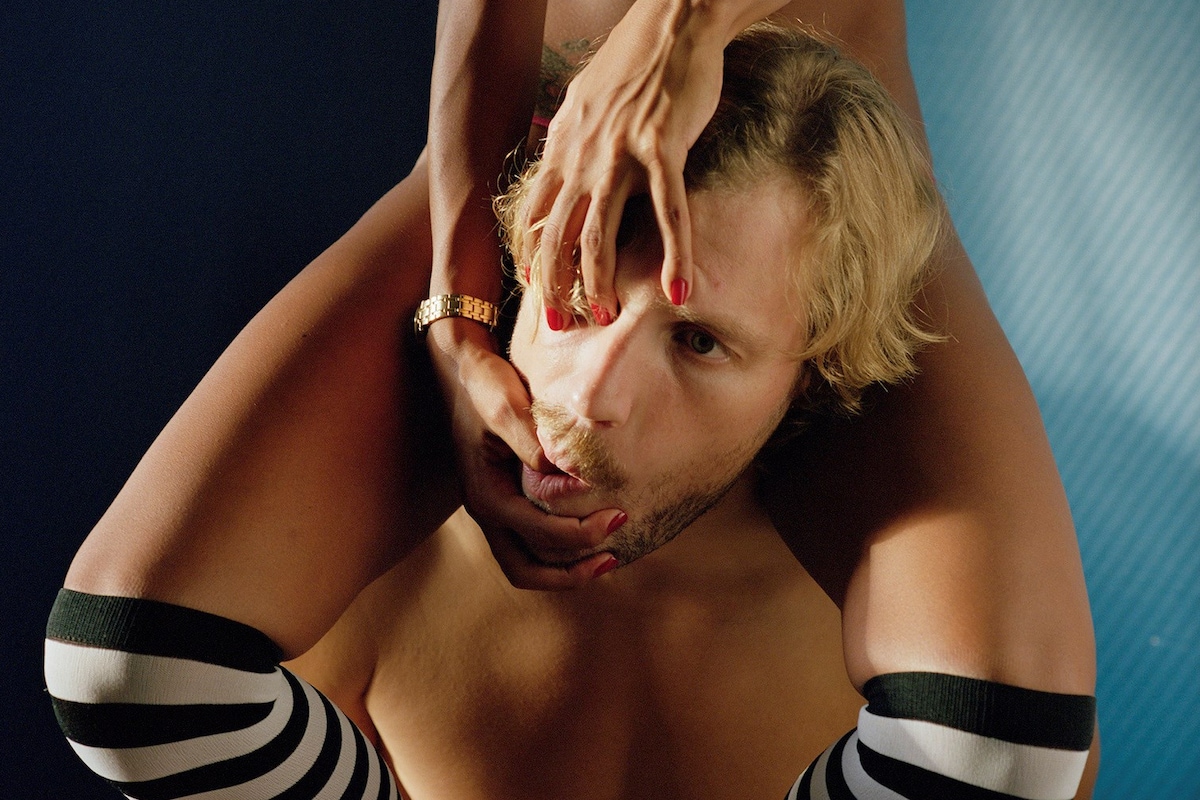
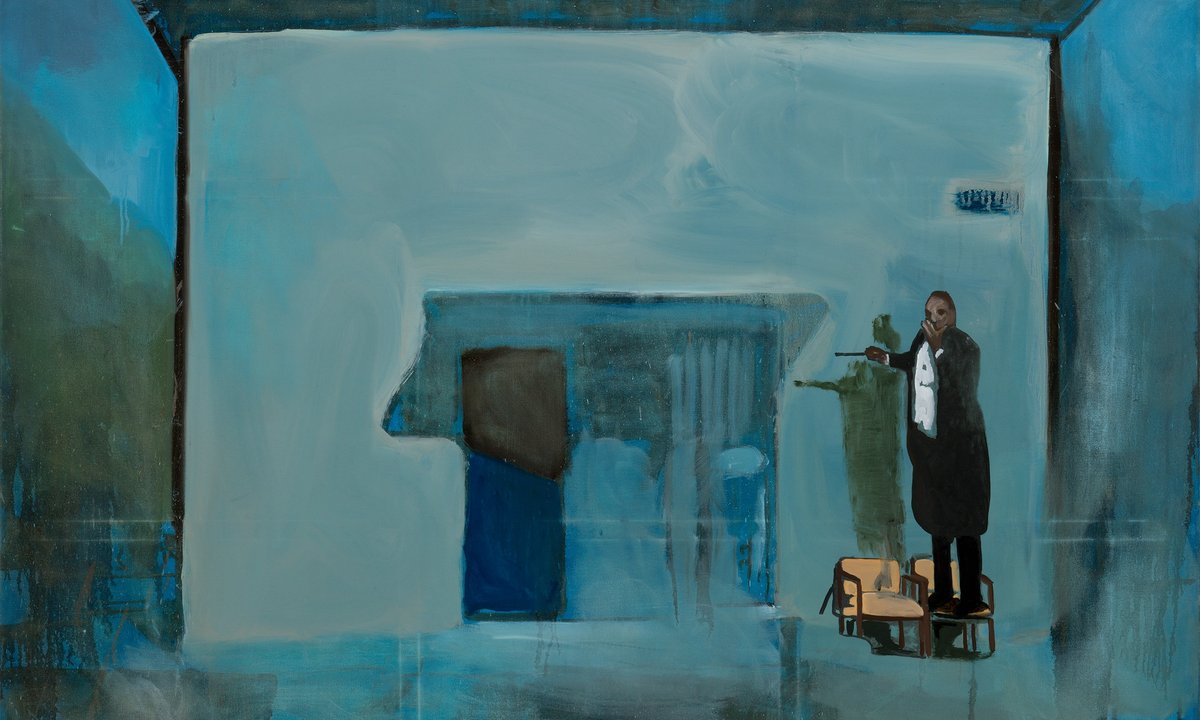
"It's an amalgamation of the Chicago neighborhood aesthetic with a Bulls fan, quite literally. It's kind of on the nose, but that's how I juxtapose the elements of my work, with the structure of a home and then a figure who is around or in the home."
Chicago Bulls

#art

Arts
fromIrish Independent
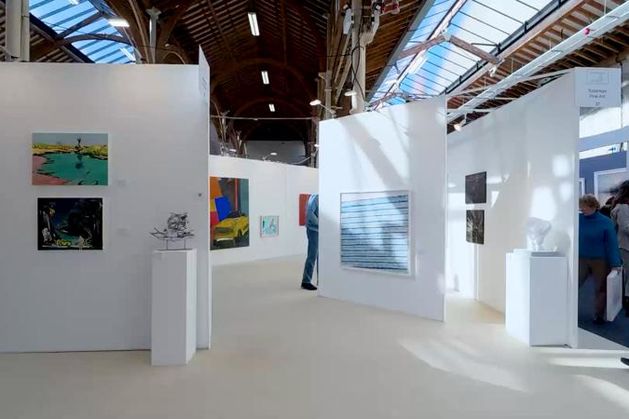
3 days ago'You have to step in and experience it' - artists on the rise of AI-generated art and the 'essential' gallery visit
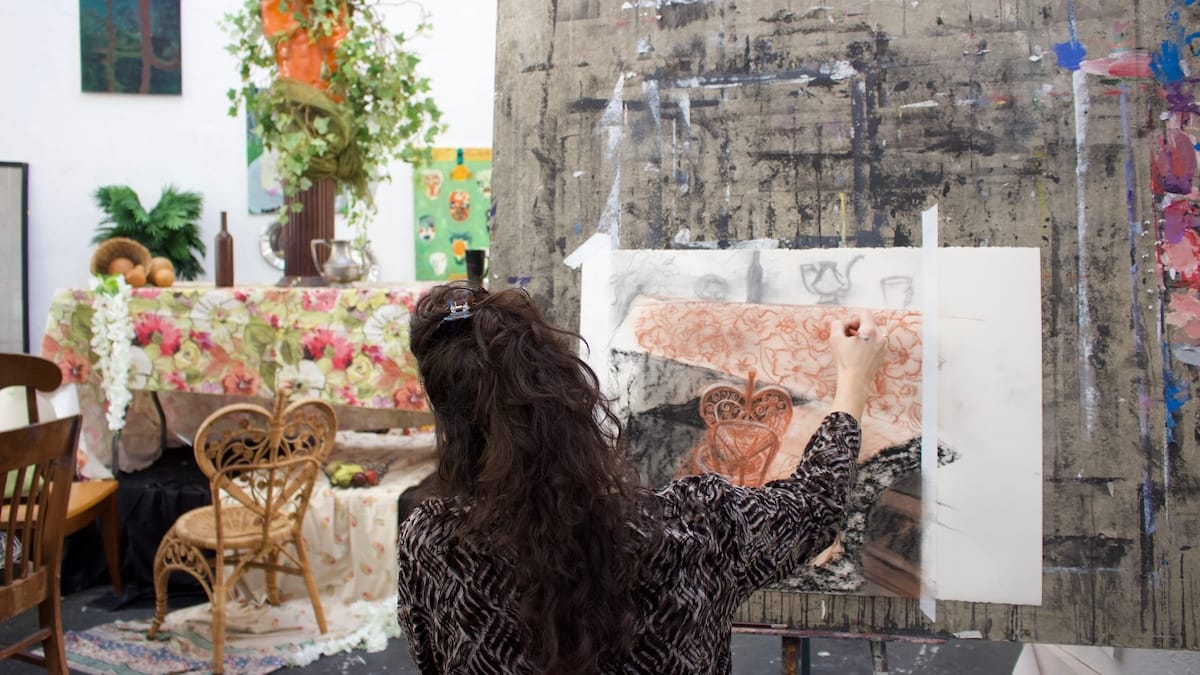
Miriam Fitzgerald Juskova's exhibit combines paper quilling with mathematics, showcasing intricate art that engages viewers and emphasizes the value of handmade creations.



fromArtforum
4 weeks agoGlitter and Doom
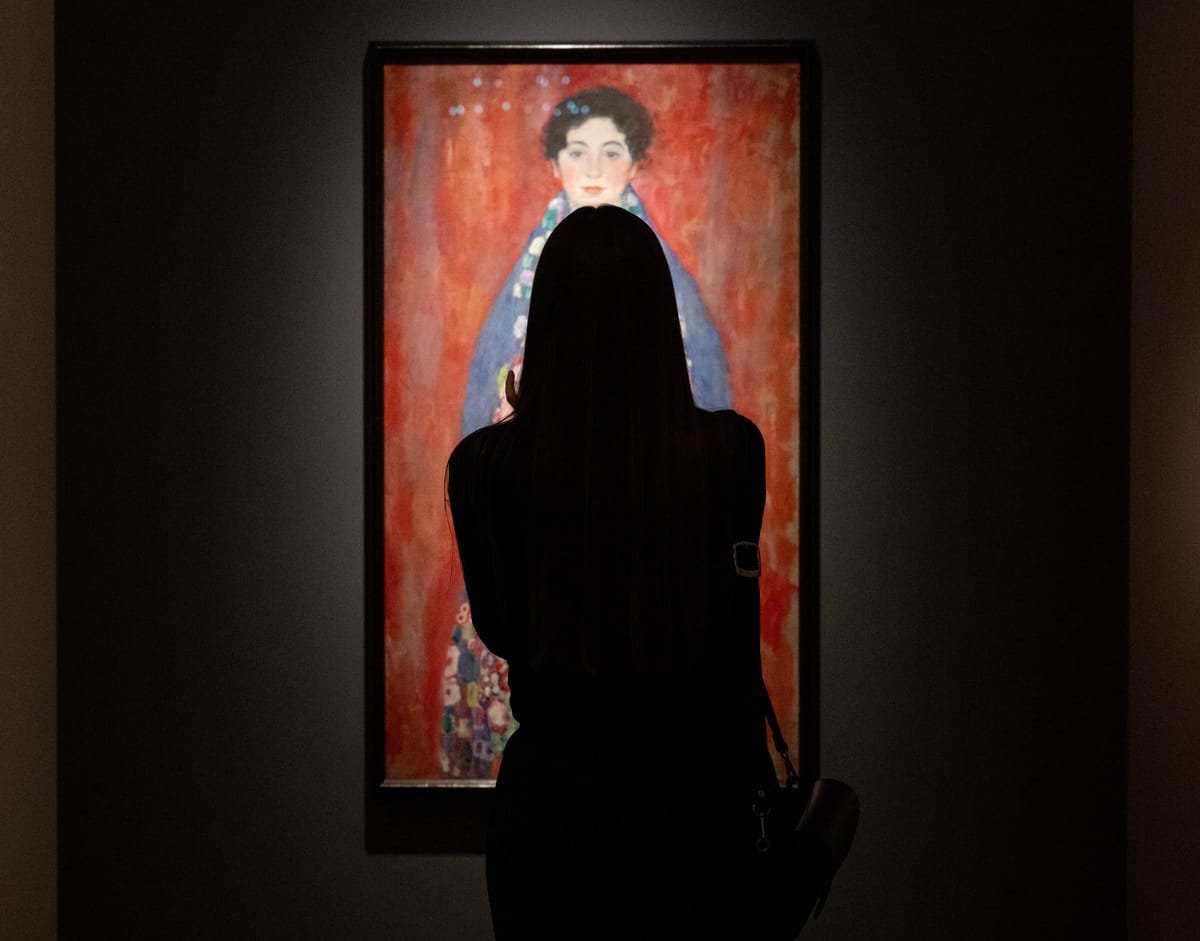
Every terrible thing always begins in the prettiest weather. Cruelty loves a clear sky. . . . Every war starts on a perfect day. This opening number from Diane Severin Nguyen's War Songs captured the paradox of experiencing extraordinary art and cultural vitality while geopolitical crises unfold, setting the tone for the week's contradictions.
Los Angeles
Arts
fromThe Art Newspaper - International art news and events
2 days agoPaul Pfeiffer will be inaugural artist-in-residence at Brooklyn's Barclays Center arena
Paul Pfeiffer will be the inaugural artist-in-residence at Barclays Center, focusing on media workshops for those affected by the criminal-justice system.
fromHyperallergic
2 days agoThe Art World Is a Joke
Kamrooz Aram is everywhere this year, from Mumbai Art Week to the Whitney Biennial, and critic Aruna D'Souza is grateful. She pens a beautiful meditation on his work, reading his abstract paintings as not simply a denunciation of Western modernism nor a reassertion of Islamic visual motifs, but something else entirely - something gestural, exuberant, riotous, and incomparably his own.
Arts
fromCurbed
1 month agoAlexander Wang's Next Project: A Chinatown Art Space
Last summer, Alexander Wang bought the Beaux-Arts HSBC bank on Bowery and Canal for $9.5 million in cash. At the time, the fashion designer declined to say what he was planning to do with the domed 1924 landmark, which HSBC had shuttered a few years earlier. Now, Wang and his mother Ying - one of the co-trustees on the deed - have announced that they will be opening an Asian American cultural center, Wang Contemporary, in the 17,600-square-foot space at 58 Bowery.
Fashion & style

Arts
fromwww.theguardian.com
2 weeks agoAbsolutely transformative': Willem de Kooning exhibition uncovers raw intensity of early work
Willem de Kooning's 1948 solo exhibition at Charles Egan Gallery launched his international career, establishing him as a pre-eminent painter by the 1950s through his innovative exploration of figuration and abstraction.
fromHyperallergic
2 weeks agoWhat Do We Really Think of the New New Museum?
The new New Museum is many things: contemporary, perhaps, but also a science, history, anthropology, and many other museums in one. It echoes the desire of its patron class to own the world and its affiliated courtier class to deliver it to them on a silver platter, or encased in perforated metal, in this case.
Arts
Arts
fromArtnet News
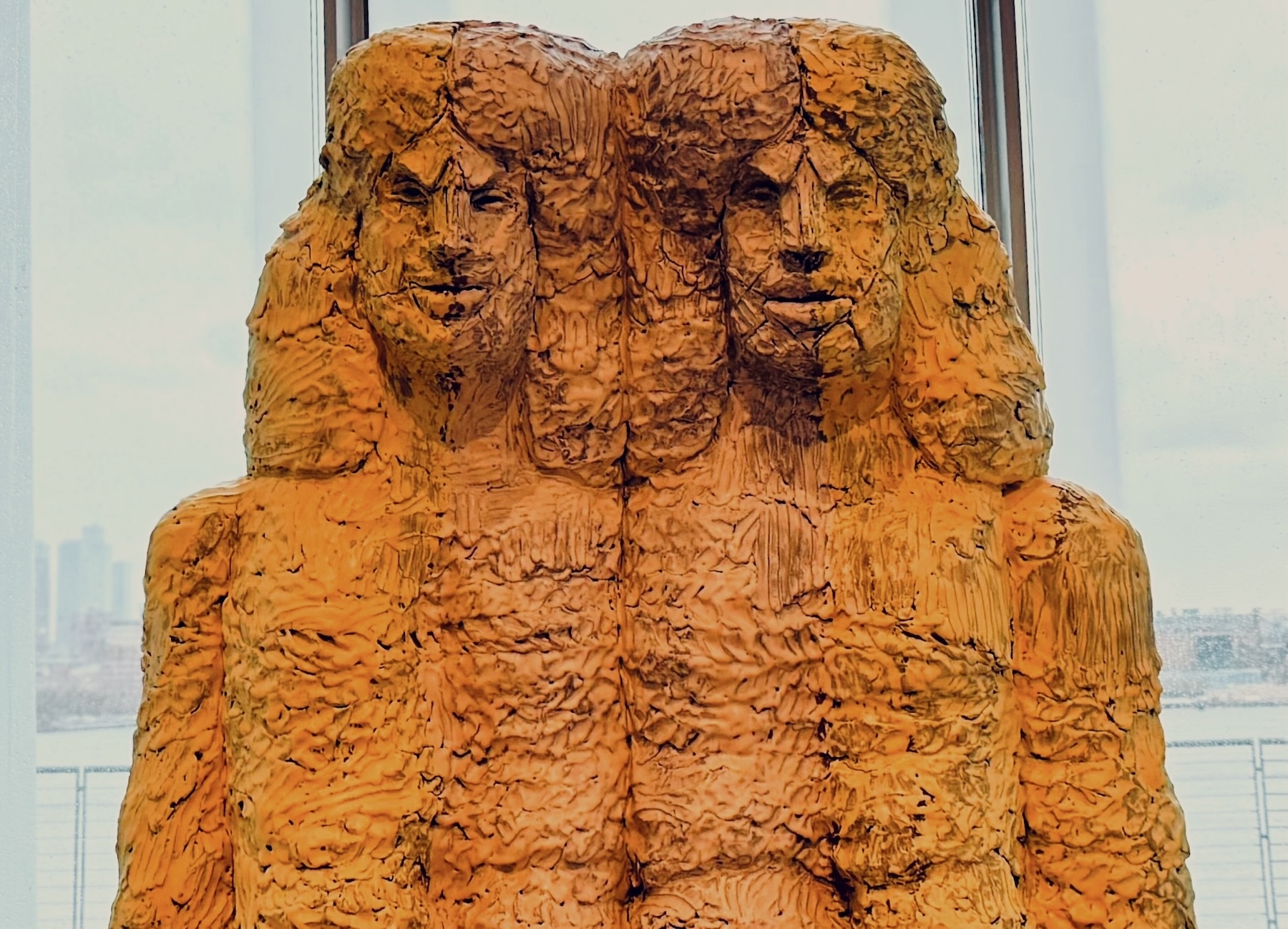
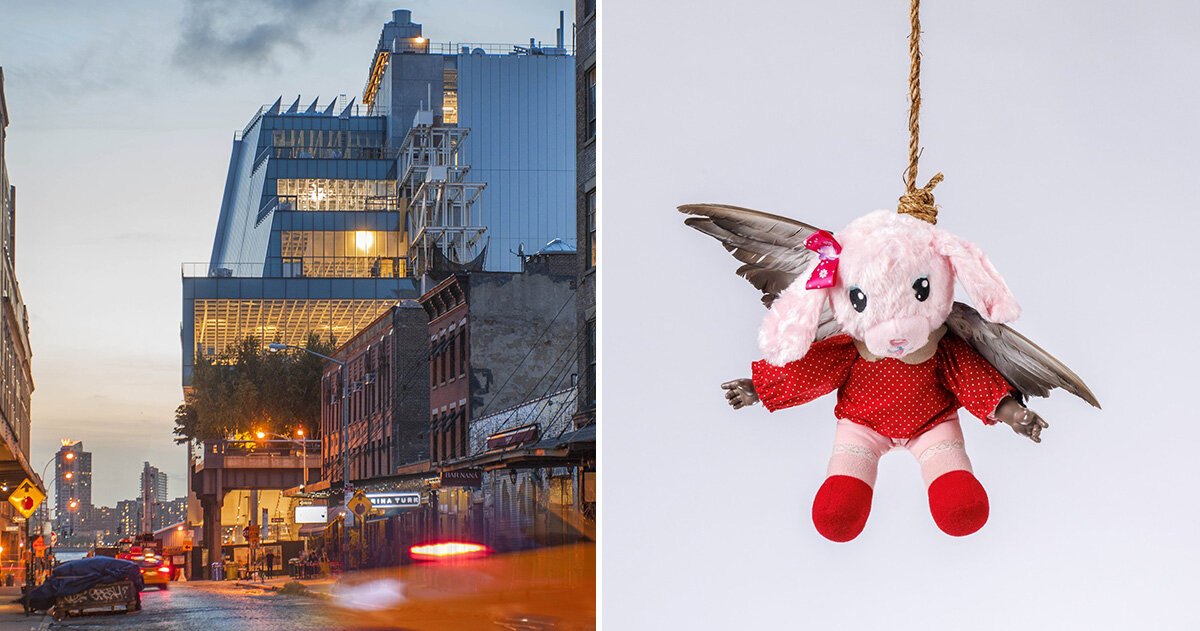
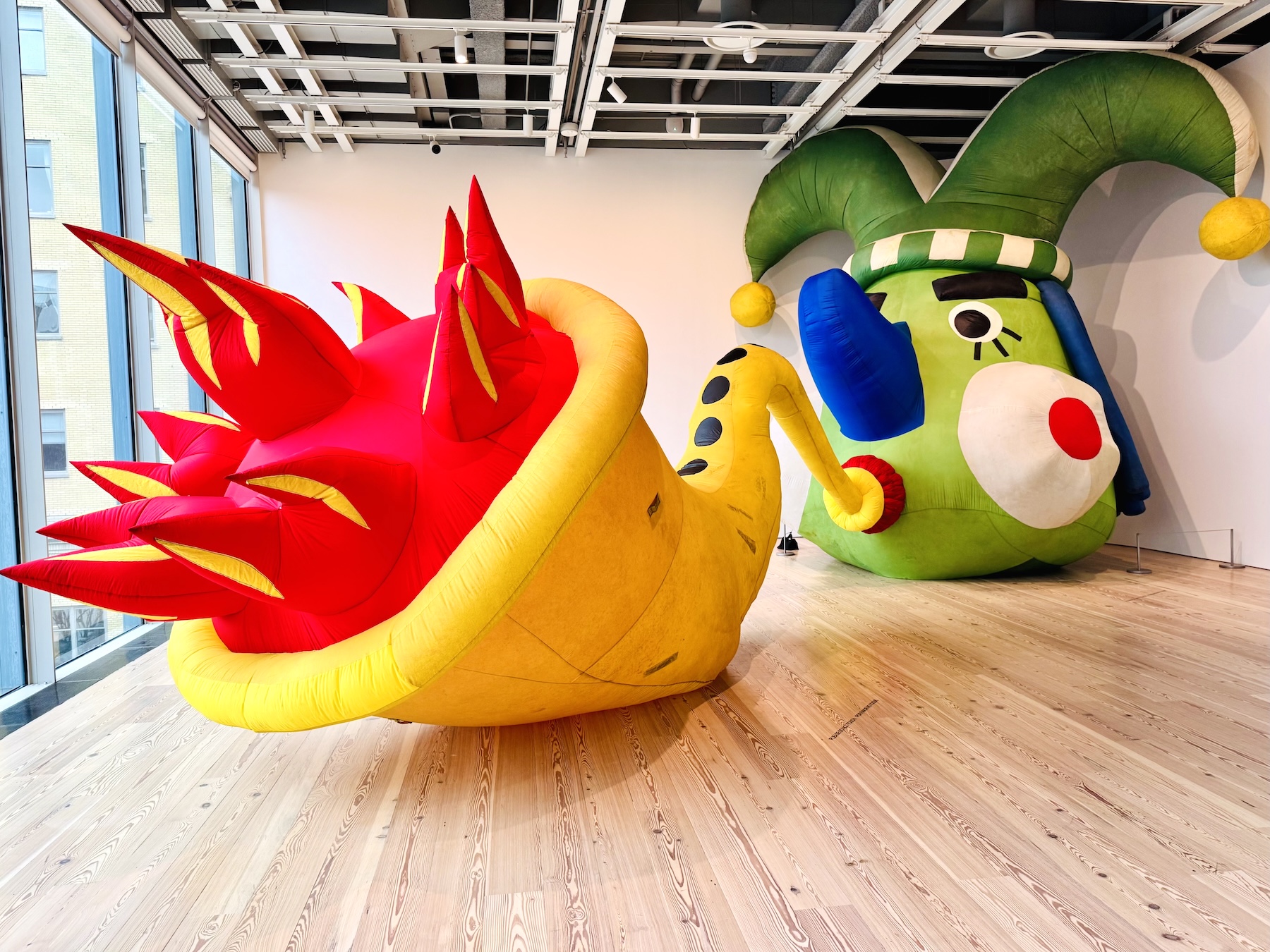
2 weeks agoThe Tensions Seething Beneath the Surface of the 2026 Whitney Biennial | Artnet News
The 2026 Whitney Biennial features diverse artistic approaches, with AI-focused works ranging from ineffective maximalism to emotionally provocative pieces that meaningfully explore technology's impact on artistic expression.
fromHyperallergic
3 weeks agoEmbracing Friction in the Art World
On Franklin Street in Brooklyn's Greenpoint neighborhood, one non-commercial gallery fosters 'a small, stubbornly human space for friction.' Friction—the ubiquitous buzzword that captures the simultaneous delight and discomfort of doing things the slow way—is at the heart of artists Pap Souleye Fall and Char Jeré's current show at Subtitled NYC. It also reflects the overall spirit of this little exhibition space and of a burgeoning movement to reject our culture of optimization in favor of a bumpier, more intimate, less alienating experience.
Arts
#whitney-biennial-2026
Arts
fromdesignboom | architecture & design magazine
1 month agowhitney biennial asks: what does 'american art' mean in 2026?
The Whitney Biennial 2026 examines what constitutes American art by featuring artists whose practices connect Indigenous histories, land, migration, institutions, and cultural memory across diverse territories and communities.
fromThe Art Newspaper - International art news and events
1 month agoWhy Robert Therrien is a big deal
He's an artist that was a major presence in Los Angeles art for almost 50 years, one of the best sculptors to emerge in this town. But he hides in plain sight. Not enough people know about what makes him the artist that he is. When we look closer at Bob's work, he was an artist that was a part of the discussion here in Los Angeles for a very long time.
Arts

fromHyperallergic
1 month agoThe Sticky Politics of Wall Texts
In 2024, I made a vow to never base my art criticism on wall labels. My decision came after reading reactions to that year's Whitney Biennial. "If every label in 'Even Better Than the Real Thing,' the 81st installment of the Whitney Biennial, were peeled off the walls and tossed into the Hudson, what would happen?" asked Jackson Arn in the New Yorker. (He went on to suggest that the overall show would have been much better.)
Arts
fromHyperallergic
1 month agoA View From the Easel
I work outside, carving and shaping the stone. Outside my house, I have a table, an extension cord, and tools. It's very cold and I have to wear all my winter clothes. When it's too cold, I do the filing and finishing work inside after I shape it outside. I listen to all kinds of music. I listen to Eminem all the time; his albums are all my favorites. For drawings, I work at Kinngait Studios or at home on my kitchen table.
Arts
fromHyperallergic
2 months agoA View From the Easel
Mornings are best for concentrated work. In the winter, I turn on the heat at 8am and get started around 10am. Summer, I start around 9am. I have two areas in the studio for projects. The large, heavy wood sculptures are carved in the front section of the studio, closest to the roll-up wide door. Smaller sculptures are placed on a hydraulic workbench. Before I start, I focus, connect with the Source, and ask for guidance.
Arts
fromColossal
2 months agoDrawn to Synbols, Michael McGrath Conjures Uncanny Narratives
Disembodied heads, eyes, and hands meet spindly trees, dragonflies, and vibrant blossoms in the folk-art inspired works of Michael McGrath. Based in Rhinebeck, New York, McGrath melds a variety of media-most pieces contain a mixture of graphite, ink, and oil and acrylic paints-into dynamic compositions suffuse with mystery. Recurring symbols and objects lend themself to a distinctive visual language that captures both the wondrous and puzzling.
Arts
fromHyperallergic
2 months agoMitchell Johnson: Two San Francisco Exhibitions of Large-Scale Paintings
"Color, color relationships, pattern and form are the hallmarks of Mitchell Johnson's achievement. Contemplating the growth and movement of his efforts over the years, we experience his intent, instinct and intuition. We become aware of his affinities with Morandi and Albers, and with Bonnard, Vuillard and Fairfield Porter. Johnson has remarked that he tries to "combine Morandi's feeling for composition with Albers' intelligence about color." And he exhibits an inspirational and perhaps emotional relationship with the work of Fairfield Porter."
Arts
fromHyperallergic
2 months agoJeff Koons's Trumpian Reflections
"As I stood and looked at it on a drizzly gray day," John Yau writes of looking at a radiant painting by Edward Zutrau, "I forgot that it was raining." That's what art can do - stop you in your tracks, make you forget absolutely everything save for that essential encounter between you and the work.
Arts
[ Load more ]