#kelly-wall
#kelly-wall
[ follow ]
#architecture #design #interior-design #sustainability #home-renovation #home-design #urban-development


fromLos Angeles Times
1 day agoFor the derelict Wadsworth Chapel, a 125-year-old landmark in West L.A., is a rehab in the works?
"When I see this, I'm thinking hallelujah. It's the first real indicator that the VA is willing to step up and get that chapel restored, which frankly I think is their responsibility."
Non-profit organizations
fromApartment Therapy
4 days agoEmma Chamberlain's West Elm Collab Is Giving Vintage Energy (It's Made for Small Spaces!)
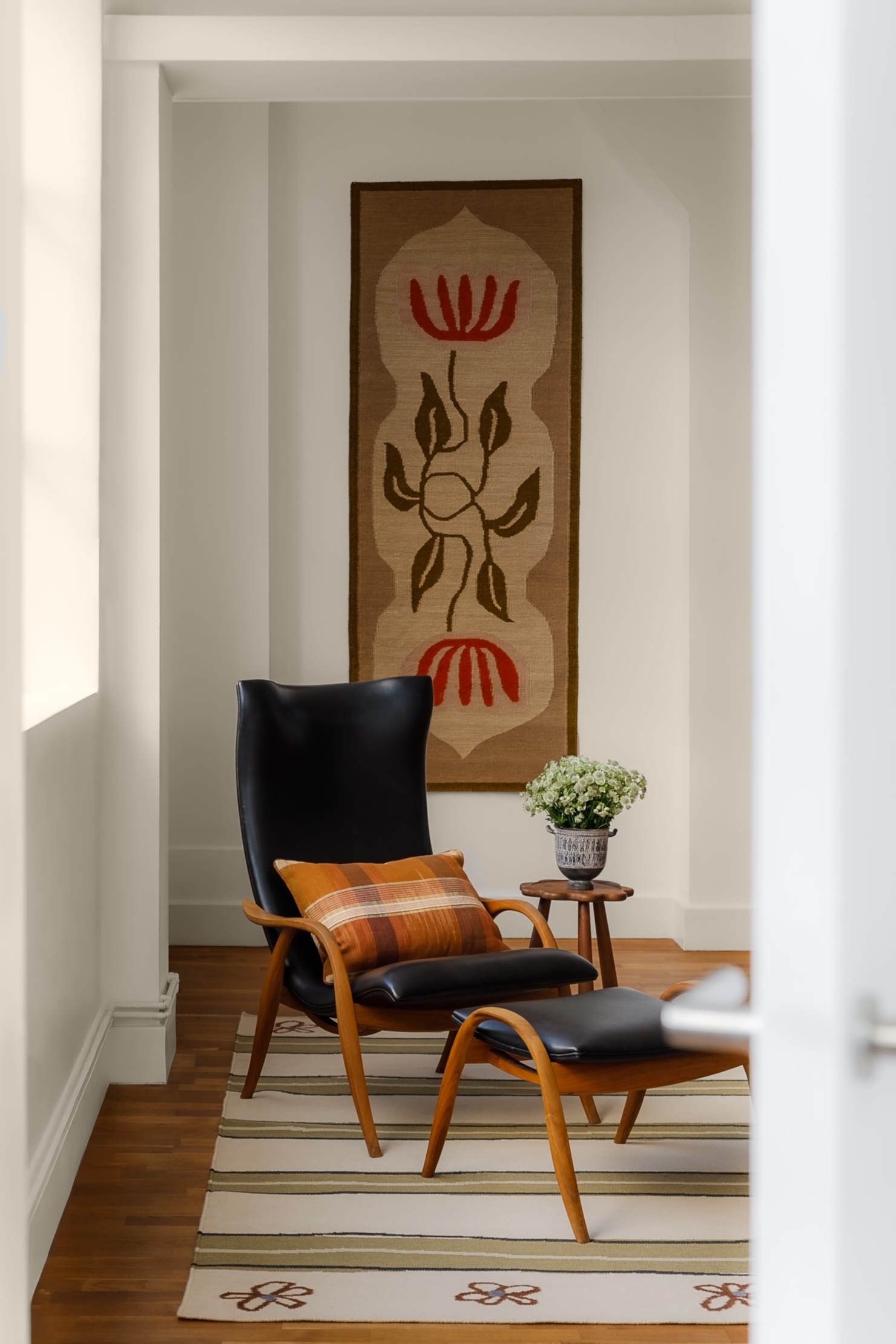
The collection spans several categories in the home, featuring smart storage pieces like the electric lime Lacquer Entryway Storage Pillar and a crescent moon-shaped chair and ottoman set.
E-Commerce
Los Angeles
fromLos Angeles Times
37 years agoHahn Plaza Selected as a Top Project
Kenneth Hahn Plaza in Watts-Willowbrook received national recognition as a top 20 urban development project, representing the largest county redevelopment initiative with significant private investment after two decades.
fromLos Angeles Times
27 years agoWestwood High-Rise to Get a New Face
When complete in December 1999, the 22-story building will have floor-to-ceiling windows of silver blue-gray glass in place of its concrete facade and aggregate panels. The structure will feature an upturned metal canopy on the penthouse floor that will be visible from much of the Westside when the building is illuminated.
LA real estate
LA real estate
fromLos Angeles Times
11 years agoProminent L.A. developer to build unconventional office at Playa Vista
Robert Maguire, a legendary L.A. developer, is returning to development at 79 with an innovative office project at Playa Vista designed for tech and creative firms rather than conventional corporate tenants.
Renovation
fromYanko Design - Modern Industrial Design News
3 days agoThis Tiny House Has 30 Feet of Glass and Feels Nothing Like a Tiny House - Yanko Design
The Shoreline Glass House redefines tiny living with spacious, light-filled design and single-floor layout, offering a unique blend of comfort and openness.
Design
fromYanko Design - Modern Industrial Design News
3 days agoBiomimetic Architecture Reaches New Heights With This Bird-of-Paradise Yoga Space - Yanko Design
Thilina Liyanage's architecture translates animal gestures into functional designs, exemplified by the Rifle Bird Yogashala inspired by the Victoria's riflebird's courtship display.
fromLos Angeles Times
15 years agoModern notes grace a historic pedigree
Designed by noted residential architect Roland E. Coate, the home was built in 1926 for Annie Wilson, daughter of pioneering Southern California businessman and politician Benjamin Wilson, for whom Mt. Wilson is named. The gently sloping 1-acre-plus property was once part of the vast holdings of George S. Patton, father of the famed U.S. general.
LA real estate
fromFast Company
5 days agoYou can finally buy an Eames house. Sort of
"It has been estimated that one million five hundred thousand houses each year for a period of 10 years will be needed to relieve the urgent housing problem of this country. The enormity of such a need cannot even be partially satisfied by building techniques as we have known and used them in the past."
Renovation
Renovation
fromdesignboom | architecture & design magazine
5 days agopaul rudolph's historical walker guest house returns in exhibition curated by A$AP rocky
The Walker Guest House, designed by Paul Rudolph, is showcased in Los Angeles with original and modern design elements, highlighting its significance in American modernism.
fromwww.archdaily.com
1 month agoSunset Shelter / Bon Studio
Architecture that celebrates the natural transition between day and night, using light and shadow to create a dynamic play of contrasts. The filled spaces, with their defined functions, are complemented by the emptiness of the courtyards, which act as visual and sensory ventilators.
Renovation
fromLos Angeles Times
40 years agoWork Starts on Model Homes
Indian Hills Ridge is a development of CoastFed Properties, formerly the Mayer Group. Construction has begun on four models at Indian Hills Ridge, a 66-acre project east of Yosemite Avenue and north of Flannagan Drive in northeast Simi Valley.
Renovation
fromLos Angeles Times
9 years agoPrefab homes for sophisticated tastes
Some people have a negative perception of prefabricated homes because they think that implies a cheap mobile home. But it's actually possible to do very high-quality work in the controlled environment of a factory. And it's far faster and more reliable than doing the work on site.
Renovation
fromArchitectural Digest
1 month agoTrailblazing Architect Paul R. Williams's Home in LA's Lafayette Square Gets a New Lease on Life
No matter the style or scale, however, his sixth sense for the provision of creature comforts is evident throughout his work. "He just knew how to design a house for cultured living," notes Escher. It's telling that Williams opted for modernism in his own residence, yet the functionalist disposition of the rooms is balanced with richly personal details. "On one hand, it's still sort of a traditional layout in how the kitchen and back-of-house facilities are organized," says GuneWardena.
Design
[ Load more ]