#kiln-inspired-architecture
#kiln-inspired-architecture
[ follow ]
#architecture #sustainability #design #interior-design #sustainable-architecture #sustainable-design


fromYanko Design - Modern Industrial Design News
4 days agoBREMEN Turns a Broom Into a Guitar and a Desk Into a Piano - Yanko Design
BREMEN is designed to change the way people interact with music by allowing everyday objects to become actual instruments, thus removing traditional barriers to music-making.
Berlin music


fromArchDaily
4 weeks agoArchiving the Technosphere: How Museum Architecture Mediates Human-Made Systems
The contemporary technology museum has emerged as a performative participant in the systems it seeks to document. The architecture of these institutions has become increasingly fluid and bold, often mirroring the velocity and complexity of the systems it houses. They operate as mediators between the human, the ecological, and the technological realms, transforming from encyclopedic warehouses into active educational engines.
Science
fromArchDaily
3 weeks agoHow Architecture Is Learning to Generate Its Own Energy
Photovoltaic (PV) solar energy represents a modular technology that can be manufactured in large-scale facilities, generating economies of scale, while also being adaptable to small-scale applications. From residential rooftop systems to large-scale power generation installations, photovoltaic solar energy has established itself as a cost-effective option for electricity production in many countries around the world.
Environment
Arts
fromArchDaily
1 month agoBuildFest Introduces "Acts of Construction," a Three-Year Exploration of Timber Installations
Bethel Woods launches BuildFest, a three-year initiative featuring large-scale timber installations and multimedia experiences on the historic 1969 Woodstock festival grounds, organized sequentially around construction, choreography, and performance themes.
#vernacular-architecture
Design
fromdesignboom | architecture & design magazine
2 weeks agovernacular bridge craftsmanship informs micro-museum set within bamboo grove in china
A micro-museum in Huizhou documents two vernacular bridge types—baqiao and gaoqiao—representing distinct regional stone construction traditions adapted to varying river conditions and topography.
Design
fromdesignboom | architecture & design magazine
2 weeks agovernacular bridge craftsmanship informs micro-museum set within bamboo grove in china
A micro-museum in Huizhou documents two vernacular bridge types—baqiao and gaoqiao—representing distinct regional stone construction traditions adapted to varying river conditions and topography.
#sustainable-architecture

Design
fromdesignboom | architecture & design magazine
2 days agoreversible cultural pavilion activates public space in frankfurt 2026
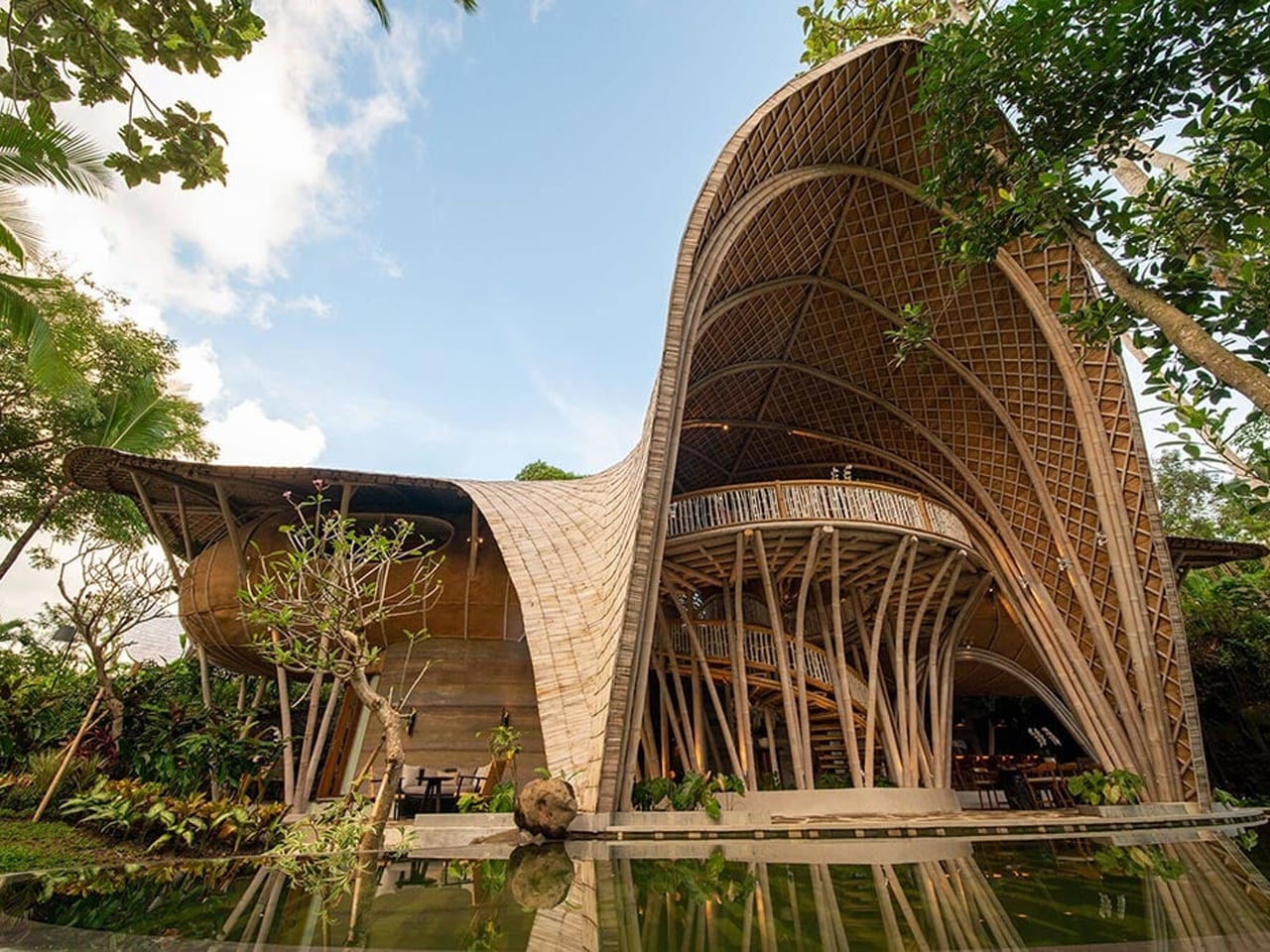
Spain's pavilion for World Design Capital 2026 emphasizes reversible cultural infrastructure and sustainable design through innovative materials and construction methods.
Design
fromYanko Design - Modern Industrial Design News
4 days agoBiomimetic Architecture Reaches New Heights With This Bird-of-Paradise Yoga Space - Yanko Design
Thilina Liyanage's architecture translates animal gestures into functional designs, exemplified by the Rifle Bird Yogashala inspired by the Victoria's riflebird's courtship display.
Design
fromdesignboom | architecture & design magazine
5 days agoartwork uses floating fabric corridor and bodily movement to visualize climate change
Ryo Yamada's Perception Corridor is an immersive installation in Edinburgh that explores perception and environmental awareness through a 40-meter fabric corridor.
Renovation
fromArchDaily
2 weeks agoTransforming a Concrete Shell into a Wooden Interior Shaped by the Sea
A Mediterranean harbor house renovation transforms a raw concrete shell into a material-driven interior that echoes maritime atmosphere through spatial organization, natural materials, and carefully controlled views of the surrounding landscape.
Environment
fromwww.theguardian.com
1 month agoWe can learn from the old': how architects are returning to the earth to build homes for the future
Unstabilised rammed earth provides a low-carbon, locally sourced building method with thermal mass, moisture control and potential for circular construction.
fromArchDaily
3 weeks agoBuilding with Earth: Traditional Knowledge in Contemporary Architecture
Rather than representing a simple return to the past, this renewed interest reflects a broader reconsideration of how architecture engages with materials, local resources, and environmental conditions.
Renovation
Remodel
fromdesignboom | architecture & design magazine
1 month agohaniyasu house: AATISMO renovates home for ceramic artists with cavernous clay additions
AATISMO's Haniyasu House unites two-generation ceramic living and making in a low, earthen, open-plan home closely integrated with Kamakura's slope and soil.
fromdesignboom | architecture & design magazine
2 weeks agoopen-air museum revives an industrial past through reclaimed materials and sound
The design by 1Y Architects approaches this silence as material rather than absence. Instead of clearing the debris scattered across the site, the team gathered bricks, concrete fragments, and broken tiles from former factory buildings. These remnants form the structural fabric of the sound museum itself.
Design
Design
fromApartment Therapy
3 weeks agoDesigners Are Done Perfectly "Matching" Their Marble - Here's the New Way to Use Stone
Modern stone design in 2026 prioritizes mixing different stones intentionally with varied finishes and embracing natural patina, replacing the outdated approach of matching all stone surfaces uniformly throughout spaces.
Design
fromwww.archdaily.com
1 month agoArchitecture as a Platform: What Makes a Building Evolve?
Architecture increasingly adopts product design principles, prioritizing operational clarity, performance, and scalability over novelty, making buildings accountable for functionality and consistent user experience.
fromArchDaily
1 month agoShaping Architectural Continuity: 25 Revitalization Projects Across Historic, Industrial, and Natural Sites
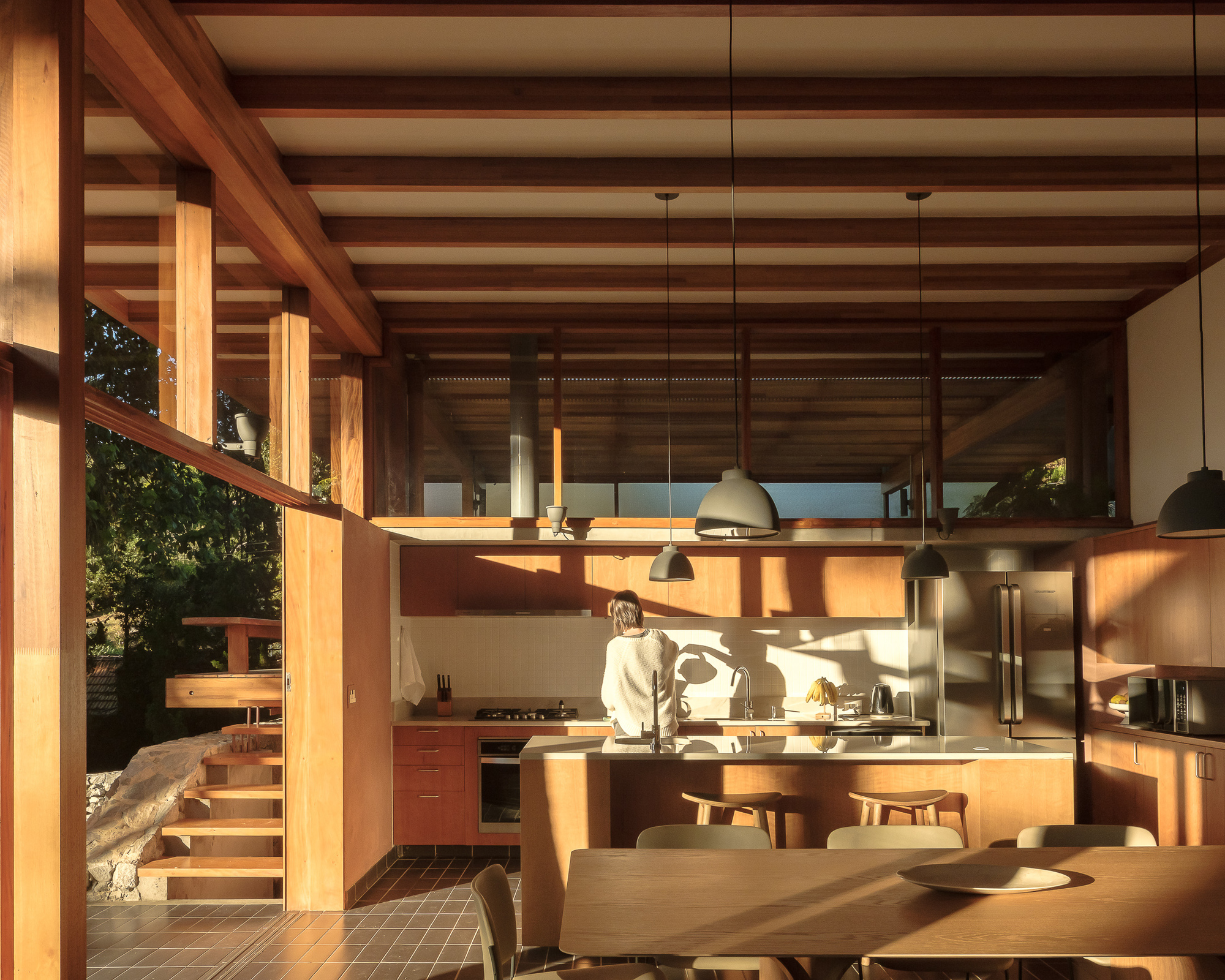
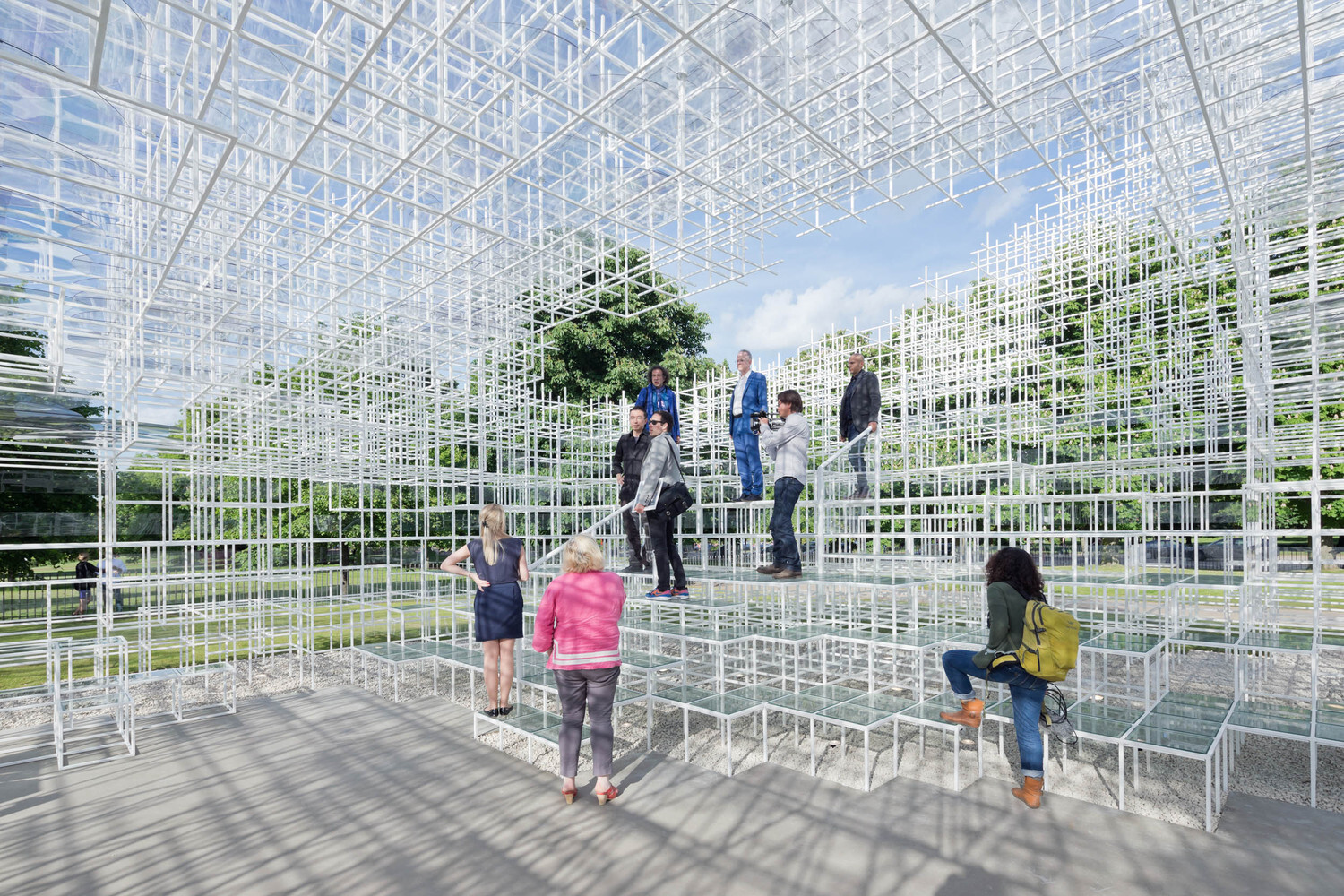
Heritage sites constitute complex spatial archives in which architecture, history, and collective memory converge. They encompass a wide spectrum of contexts-from archaeological remains, ancient and historic townscapes, UNESCO-listed landscapes, to early modern civic structures and industrial infrastructures. Yet these environments confront challenges: climate change, urban transformation, disaster, shifting social needs, and the gradual erosion of material fabric. Revitalization and restoration projects respond to these conditions by positioning architectural and spatial practice as an active mediator between preservation and the contemporary topologies.
Renovation
fromdesignboom | architecture & design magazine
2 months agowallmakers sculpts sinuous kulhad pavilion from disused terracotta cups in india
Kulhads, also known as terracotta mud cups, once defined the everyday ritual of tea at railway stations across India. Used briefly and discarded soon after, they accumulated along tracks and coastlines, leaving a quiet record of consumption. For this pavilion, more than 18,000 of these cups were gathered from local communities in Dharavi and reused as a building material with structural purpose.
Design
fromArchDaily
1 month agoWhen Light Meets Energy in Glass Ceilings
From the large industrial roofs and galleries of the 19th century to the contemporary atriums of museums and public buildings, glass has been a recurring material in shaping large and monumental interior spaces. More than a technological or engineering solution, these horizontal glazed planes introduce a distinct luminous quality: light that comes from above. Unlike lateral daylight entering through façades, zenithal light is more evenly distributed, reduces harsh shadows, and lends spaces a sense of continuity and openness that is difficult to achieve otherwise.
Design
Design
fromwww.archdaily.com
2 months agoFrom Material Intelligence to Circularity: Lessons from Architecture in 2025
Architects prioritize material innovation in 2025—agricultural waste, recycled plastics, and living materials—balancing tradition, circularity, and material intelligence for resilient, low-carbon construction.
fromdesignboom | architecture & design magazine
2 months agoearth-covered domes and brick vaults shape liberation museum of manisa in turkey
In Manisa, western Turkey, the Liberation Museum by Yalin Architectural Design is a memory space shaped by absence, loss, and collective resilience. Developed for the Greater City Municipality of Manisa, the 3,800-square-meter project narrates the local civil resistance movement that emerged independently of central authority between 1918 and 1923, during and after the First World War. The museum is conceived as an experiential landscape, guiding visitors through a spatial narrative of occupation, destruction, liberation, and rebuilding.
Design
[ Load more ]