#kongjian-yu
#kongjian-yu
[ follow ]
#architecture #design #community-engagement #sustainability #urban-design #san-francisco #new-york-city



fromSan Jose Inside
2 days agoCounty and Partners Celebrate Completion of Unique Affordable Housing Project
"To address housing affordability in our community, we need all types of affordable housing options, including affordable ownership opportunities that allow individuals and families an opportunity to build equity alongside housing stability," said Santa Clara County Supervisor Betty Duong.
East Bay real estate


#urban-development
Business intelligence
fromLondon Business News | Londonlovesbusiness.com
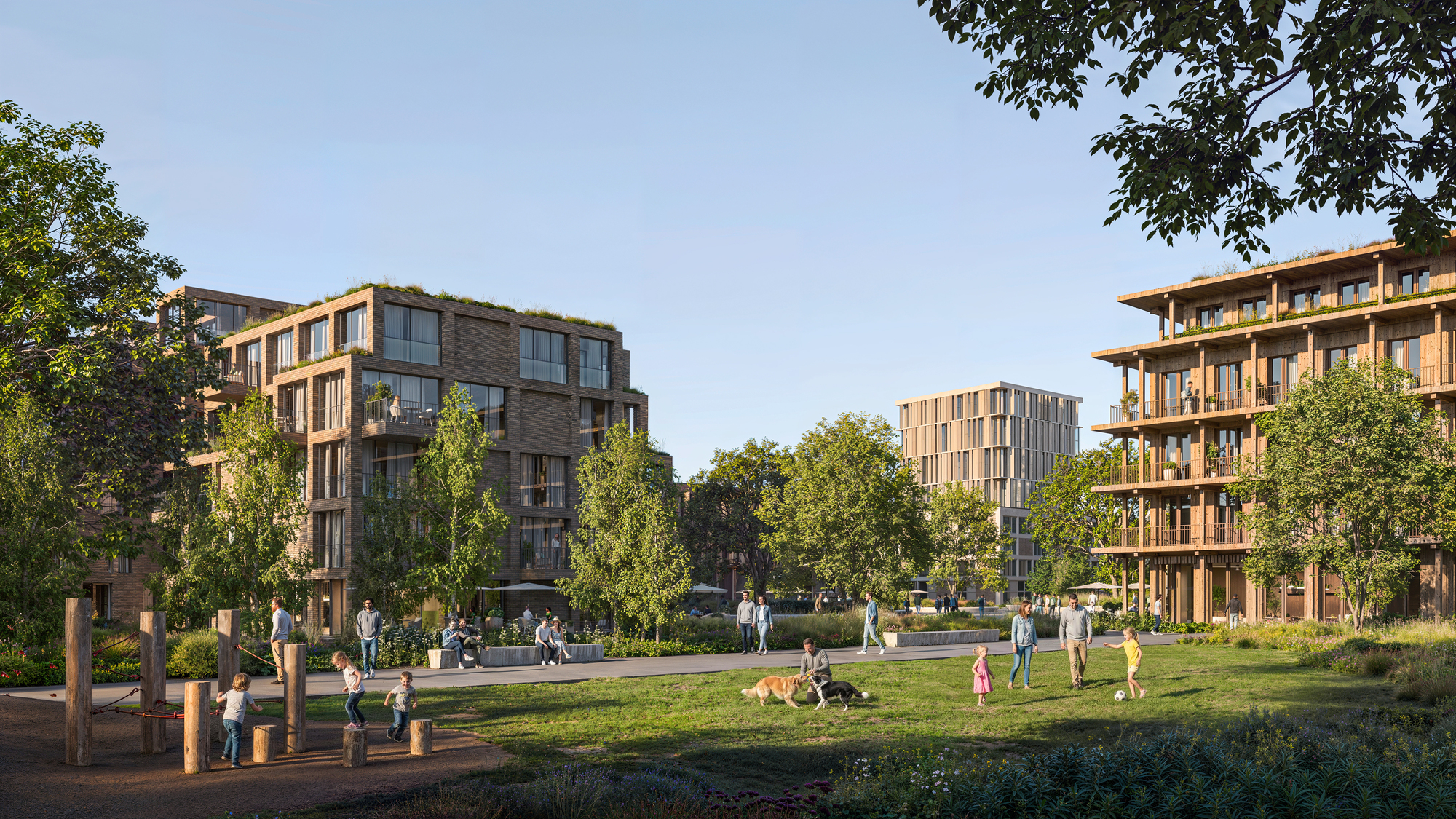
5 days agoWhy GIS matters in modern infrastructure and urban planning: Building smarter, future-ready cities - London Business News | Londonlovesbusiness.com
GIS is essential for effective urban planning, enabling data-driven decisions that enhance infrastructure and quality of life in rapidly growing cities.
Business intelligence
fromLondon Business News | Londonlovesbusiness.com
5 days agoWhy GIS matters in modern infrastructure and urban planning: Building smarter, future-ready cities - London Business News | Londonlovesbusiness.com
GIS is essential for effective urban planning, enabling data-driven decisions that enhance infrastructure and quality of life in rapidly growing cities.
fromwww.theguardian.com
5 days agoEvery child wants to find joy': the scheme designing playground equipment for disaster zones
Meininger, who grew up in Germany but now lives in London, likes making things. So when he saw how much his young sons enjoyed the jungle gym and play forts at the local park, he made an indoor treehouse for them.
Parenting
#hong-kong

London
fromThe Art Newspaper - International art news and events
1 week agoMuseums in Shenzhen and Guangzhou are building bridges between Hong Kong and mainland China
Integration of Hong Kong with mainland China has expanded into finance, culture, and infrastructure, fostering new art ecosystems and museums.
London
fromThe Art Newspaper - International art news and events
1 week agoMuseums in Shenzhen and Guangzhou are building bridges between Hong Kong and mainland China
Integration of Hong Kong with mainland China has expanded into finance, culture, and infrastructure, fostering new art ecosystems and museums.
fromwww.bbc.com
1 week agoCampaigners celebrate after new town plans dropped
Campaigner Aysha Hawcutt stated that residents were 'not anti-homes', but believed the Adlington plan was 'the wrong proposal in the wrong place'. She expressed pride in the community's resilience against the development threats.
London politics
Design
fromdesignboom | architecture & design magazine
2 days agoreversible cultural pavilion activates public space in frankfurt 2026
Spain's pavilion for World Design Capital 2026 emphasizes reversible cultural infrastructure and sustainable design through innovative materials and construction methods.
Miscellaneous
fromArchDaily
1 month ago7 Unbuilt Masterplans Reimagining Urban Futures Through Ecology and Collective Space
Unbuilt urban masterplans explore adaptive spatial frameworks that recalibrate mobility, ecology, and collective life through climate-responsive design and public space integration across diverse global contexts.
fromArchDaily
3 days agoThe Illusion of Lightness: Designing Civic Voids for Public Life
The original intent of pilotis was to create a sense of lightness that would allow circulation and light to flow beneath a structure, but contemporary requirements render thin columns insufficient for large-scale civic projects.
Renovation
Design
fromYanko Design - Modern Industrial Design News
3 days agoBiomimetic Architecture Reaches New Heights With This Bird-of-Paradise Yoga Space - Yanko Design
Thilina Liyanage's architecture translates animal gestures into functional designs, exemplified by the Rifle Bird Yogashala inspired by the Victoria's riflebird's courtship display.
fromFast Company
1 month agoWhy urban planners should strive for 'the photo album standard'
My family had Slide Show Night when I was growing up. Not every Saturday, but a whole bunch of Saturdays. Either my sister or I would be in charge of setting up the projector, the screen, and loading the carousel. During the show, there'd be a few landscapes or skylines taken during vacations, but almost all the shots were up close. Like most dads, mine wasn't a professional photographer, but he did a good job of capturing memory triggers: faces, gestures, and decorations.
Photography
Design
fromdesignboom | architecture & design magazine
5 days ago317studio transforms taiwan classroom into forest-like learning space for scouting education
317studio transforms a conventional classroom into a flexible, forest-like learning environment that promotes active participation and adaptability.
fromdesignboom | architecture & design magazine
1 week agoan arched pink bridge of happiness revives public park in shanghai
The design team combined the requirements for an accessible bridge and a small pavilion into a single structure, creating a unified architectural gesture that supports both movement and gathering.
Renovation
fromdesignboom | architecture & design magazine
2 weeks agoopen-air museum revives an industrial past through reclaimed materials and sound
The design by 1Y Architects approaches this silence as material rather than absence. Instead of clearing the debris scattered across the site, the team gathered bricks, concrete fragments, and broken tiles from former factory buildings. These remnants form the structural fabric of the sound museum itself.
Design
fromwww.dw.com
2 months agoThe city that swapped parking for green space
Though they're individually tiny, parking spots quietly play a dominant role in shaping urban landscapes. Most US cities dedicate at least 25% of their developable land to them. Some, even more. That land usage doesn't only determine the way a city looks. It also means covering large swathes of urban areas in heat-absorbing asphalt, which contributes to making summers hotter and heightens the risk of flooding since it prevents drainage during storms and heavy rainfall.
Miscellaneous
#adaptive-reuse
Renovation
fromdesignboom | architecture & design magazine
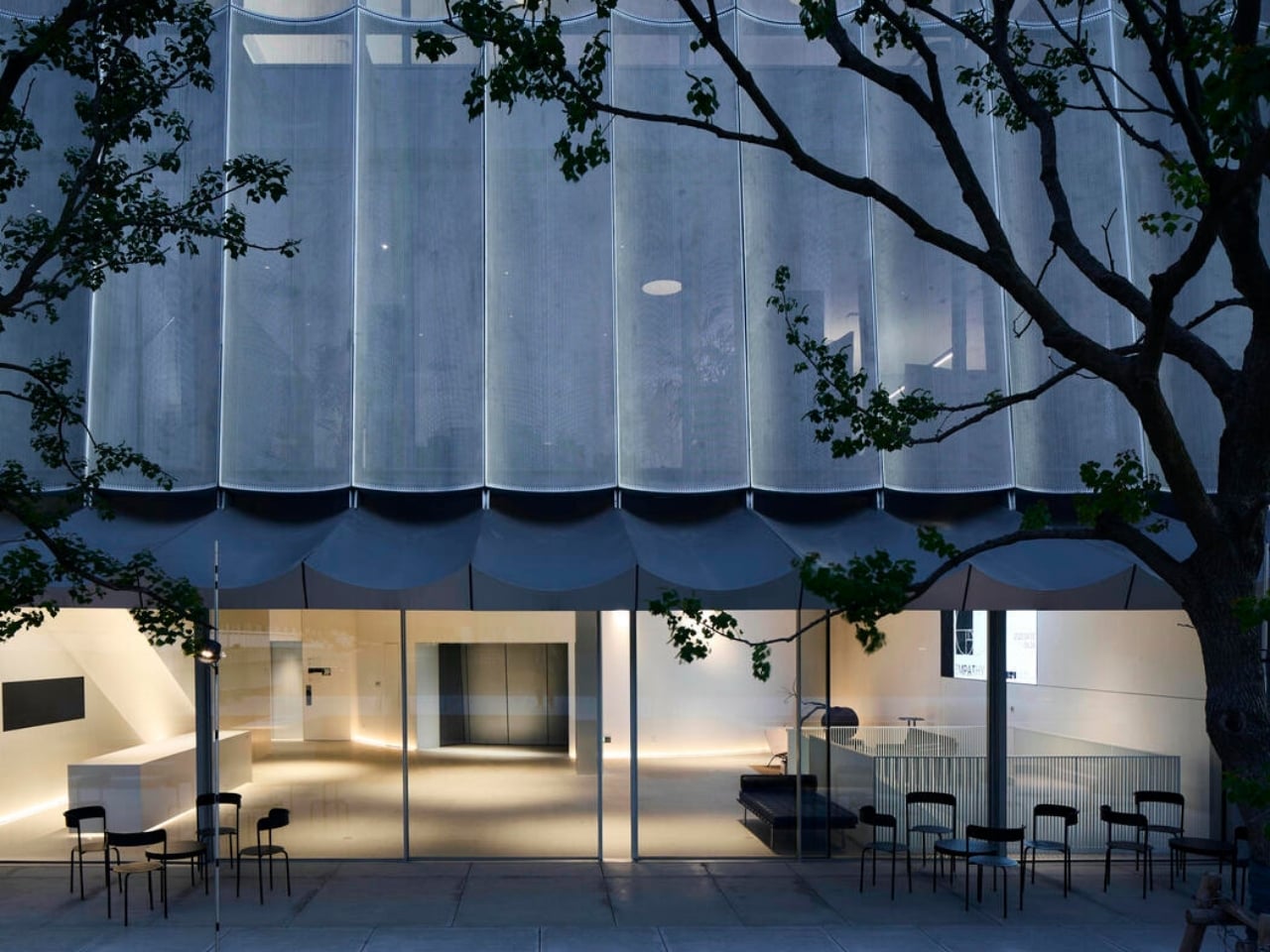
2 weeks agoexisting residential spaces reconfigure as a flexible community art network in china
Jiadu Art Center transforms residential spaces into a flexible community art hub using adaptable systems and light-touch design strategies within existing structures.
Renovation
fromdesignboom | architecture & design magazine
2 weeks agoexisting residential spaces reconfigure as a flexible community art network in china
Jiadu Art Center transforms residential spaces into a flexible community art hub using adaptable systems and light-touch design strategies within existing structures.
fromArchDaily
1 month agoHealth, Habitat, and Civic Infrastructure: Designing the City as a National Park
Cities around the world share a common goal: to become healthier and greener, supported by civic infrastructure that restores ecosystems and strengthens public life. The question is how to reach this. Global climate targets, local building codes, and municipal standards increasingly guide designers and planners toward better choices. Still, many cities struggle to translate these frameworks into everyday, street-level comfort and long-term ecological protection.
Environment
fromdesignboom | architecture & design magazine
3 weeks agolayered courtyard landscape reinvigorates community life in shenzhen housing development
Instead of functioning as decorative greenery, the courtyard organizes circulation, gathering spaces, and planting into a three-dimensional landscape where residents can move, pause, and interact. The site presented several typical urban challenges. Tall buildings restricted sunlight and views, while circulation routes occupied much of the available ground area, making open space feel narrow and shaded.
Renovation
Design
fromdesignboom | architecture & design magazine
1 month agoradiating paving and green roofs recast xuzhou rail station as urban gateway and public realm
Xuzhou East Station Plaza transforms a high-speed rail forecourt into a civic public realm by integrating multi-level infrastructure, landscape corridors, and commercial activation into a unified three-dimensional urban gateway.
Renovation
fromdesignboom | architecture & design magazine
4 weeks agostudio RE+N turns abandoned planter into floating yellow stage in shanghai neighborhood
Studio RE+N transformed a neglected circular planter in Shanghai into a bright yellow floating steel platform that activates the courtyard for diverse community activities and age groups.
Renovation
fromFast Company
4 weeks agoThe quarry that built modern Beijing gets a surprising second life
A former Beijing quarry that supplied materials for the city's rapid growth has been transformed into a 265-acre ecological park that repurposes its massive excavation pits as functional and scenic landscape features.
[ Load more ]