#land-use-conflict
#land-use-conflict
[ follow ]
#biodiversity #environmental-justice #sustainability #environmental-protection #conservation #urban-planning
Environment
fromwww.theguardian.com
1 day agoIf they pollute our rivers, what will become of us?': the town divided between hope and fear in Brazil's Amazon oil rush
Oiapoque, Brazil, is poised for development through oil production, raising concerns about environmental impacts and Indigenous rights amid a global energy transition.
fromArchDaily
1 day agoColdefy Leads Winning Masterplan to Transform Budapest Brownfield into Rewilded Urban District
The regeneration plan includes over 10,000 apartments, new transportation links, and commercial and civic spaces, forming a comprehensive urban redevelopment strategy aligned with 15-minute city principles.
Renovation
fromHigh Country News
3 days agoForest Service overhaul sows confusion, concern - High Country News
"Nobody is asking for this. None of the farm groups want this. No one in conservation wants this. Nobody." Robert Bonnie, former Forest Service undersecretary, highlights widespread opposition to the reorganization.
Washington DC
fromwww.cbc.ca
3 days agoMinister mum on mandatory review of Greenbelt, which is a year overdue | CBC News
The Greenbelt, an over 800,000-hectare ecologically sensitive zone around the Greater Golden Horseshoe, was created in 2005. It provides environmental protection and specifies where development should not occur.
Canada news
fromDefector
2 weeks agoDam It All To Hell | Defector
Hoppers, like Pixar's pre-Disney films, is a delight. The beavers' world is immersive and richly realized, grounded in science but never dry. The plot zigs and zags between moments of absurdity and emotional heft to stirring effect; I cried multiple times, and not just because of the low-hanging fruit of grandma death.
Independent films
fromMail Online
4 days agoBritain has just 20 years to save its wildlife, experts warn
'Our results show that the next 20 years are critical,' lead author Dr Rob Cooke told the Daily Mail. 'By around 2050, we reach a point where the choices we make on emissions and land use will largely determine whether Britain moves towards a much more degraded or a much more nature‑positive future.'
Environment
Alternative transportation
fromStreetsblog
2 weeks agoWhy Some Congresspeople Want to Go Big on Greenways - Streetsblog USA
The Parks to People Act proposes $300 million in federal funding for walking and biking infrastructure as essential transportation tools, despite political opposition dismissing them as distractions.
fromwww.bbc.com
1 week agoCampaigners celebrate after new town plans dropped
Campaigner Aysha Hawcutt stated that residents were 'not anti-homes', but believed the Adlington plan was 'the wrong proposal in the wrong place'. She expressed pride in the community's resilience against the development threats.
London politics
fromSFGATE
2 weeks agoThe race to save endangered mountain lions in the Calif. desert
Before state Route 62 was built, there was seamless 95-mile-long habitat connectivity between the San Bernardino and Little San Bernardino mountain ranges, extending from the I-10 south of Joshua Tree National Park to the I-15 near the Cajon Pass. Now, plans for two new wildlife crossings across the highway aim to bring back some of that connectivity, while potentially saving a local population on the brink of extinction in the process.
SF parents
fromwww.theguardian.com
2 weeks agoSmall changes in how we garden can make a big difference to birds | Letter
Around a third of UK gardeners use pesticides, and our studies found that house sparrow numbers, for example, were nearly 40% lower in gardens where the pesticide metaldehyde was used. By reducing pesticide use, you can actively encourage birds back into your outdoor spaces, as they rely on invertebrates such as slugs and snails as natural prey.
Pets
#urban-ecology
Agriculture
fromdesignboom | architecture & design magazine
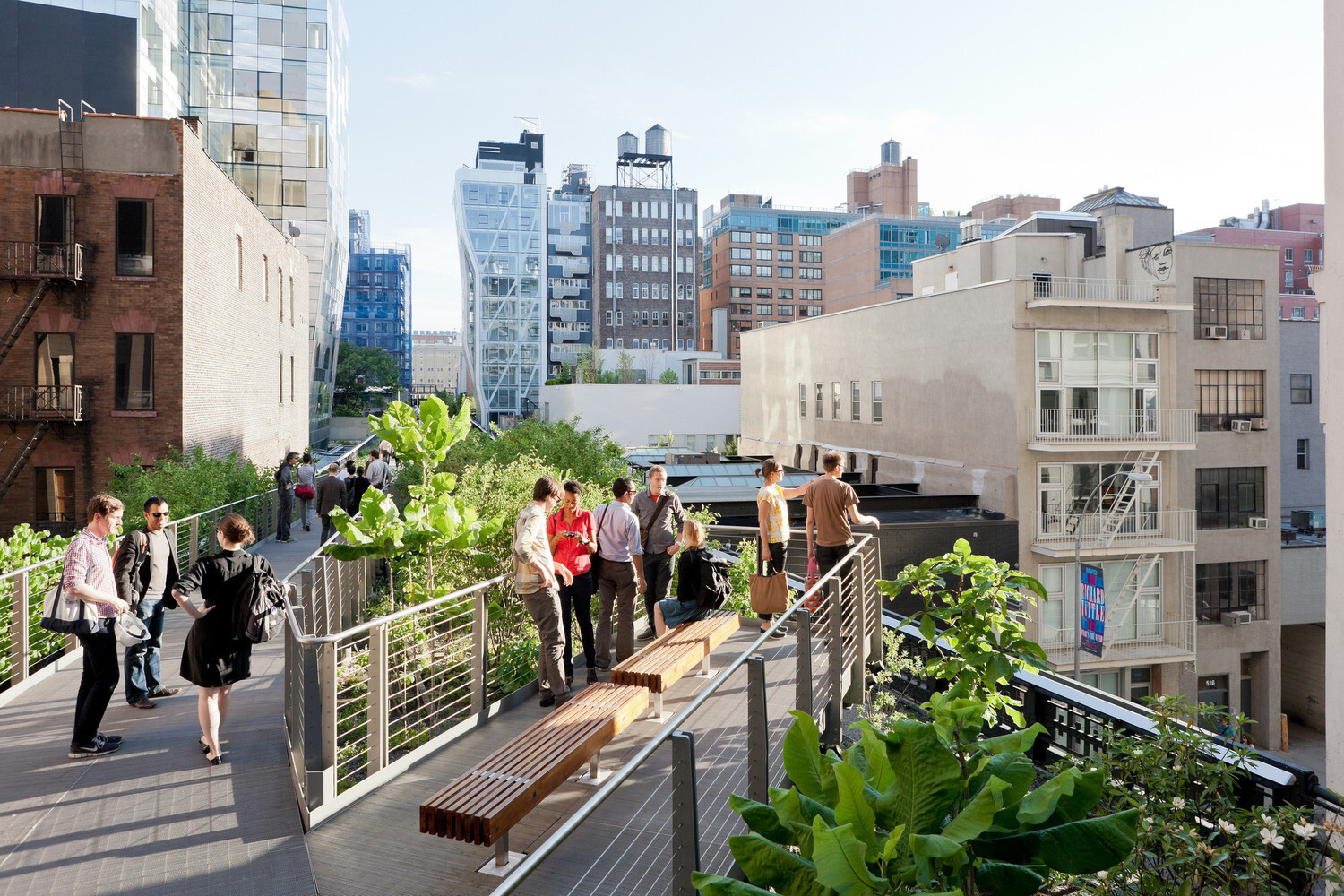
1 week agourban rewilding in practice: restoring london's heathland for humans, sheep, and ecology
Sheep grazing is proposed to regenerate urban heathland ecology, creating a continuous ecological corridor that supports both human and non-human systems.
Agriculture
fromdesignboom | architecture & design magazine
1 week agourban rewilding in practice: restoring london's heathland for humans, sheep, and ecology
Sheep grazing is proposed to regenerate urban heathland ecology, creating a continuous ecological corridor that supports both human and non-human systems.
fromHigh Country News
1 month agoCoyotes and cougars and rats, oh my! - High Country News
An unnamed tourist saw it and told Aidan Moore, who works for Alcatraz City Cruises. Moore told SFGATE that he was initially skeptical, but the guest's iPhone footage left little room for doubt. The video shows, not a sea lion or an otter, but an actual Canis latrans, doggedly dogpaddling, then clambering out of the water, noticeably shaky and struggling to settle tired paws on the craggy rocks.
California
fromwww.cbc.ca
3 weeks agoOntario to consolidate 36 conservation authorities into 9 | CBC News
Ontario will consolidate its 36 conservation authorities into nine across the province. Environment Minister Todd McCarthy says there will be no job losses as a result. He says the province listened to feedback after several town halls and 14,000 comments on its plan, which initially proposed having seven conservation authorities.
Canada news
California
fromLos Angeles Times
38 years agoOpponent of Developers' Signs Gets Some Help From Friends
Bob Nortman opposed illegal real estate signs in Olivenhain, leading to a $1.6 million lawsuit from a sign company owner, but he and fellow activist Tom Buckel became local folk heroes in their fight against development.
fromLos Angeles Times
26 years agoAhmanson Ranch
Formal groundbreaking for the Ahmanson Ranch project, a town-style development on 2,800 acres in the Simi Hills in southeastern Ventura County, will not take place until 2001. However, the project has already achieved historic status for the size of the private-to-public land transfer it produced and for reviving a design concept that marks a major departure from the car-dependent suburban enclave typical of the postwar era.
LA real estate
Miscellaneous
fromArchDaily
1 month ago7 Unbuilt Masterplans Reimagining Urban Futures Through Ecology and Collective Space
Unbuilt urban masterplans explore adaptive spatial frameworks that recalibrate mobility, ecology, and collective life through climate-responsive design and public space integration across diverse global contexts.
Environment
fromwww.theguardian.com
2 weeks agoEngland should give over 7% of land to nature and renewables to meet environmental targets, data shows
England must allocate 7% of its land to nature, forests, and renewable energy to meet environmental targets while maintaining food production and housing capacity.
Environment
fromTruthout
2 weeks agoGrowing Presence of AI Data Centers Prompts Debate on Native Lands
AI data center expansion creates environmental and cultural challenges for Native American tribes, sparking debates over tribal digital sovereignty and regulatory needs for data infrastructure control.
fromThe Local France
1 month agoFrance loosens rules on allowing farmers to shoot wolves
Once hunted to extinction in France, wolves began crossing over from Italy after gaining protected status under the 1979 Bern Convention. But they have been killing more livestock, too, with 12,000 farm animals lost last year, according to preliminary figures. Under current rules, farmers can only shoot wolves if they attack animals inside a protected enclosure -- a restriction centrist President Emmanuel Macron's government said would now be relaxed.
France news
Real estate
fromwww.theguardian.com
2 months agoGreen spaces should be the norm for all new housing developments in England, guidelines say
New government guidelines recommend mixed-use, heritage-preserving, nature-inclusive neighbourhood developments with shops, schools, green spaces and flood protection as standard for new housing developments.
fromABC7 San Francisco
2 months agoIs it time to tear down the aging SF Zoo? A campaign to replace it with an ecological park has begun
We genuinely welcome feedback and ideas about the future of the Zoo, and we're always open to thoughtful public input. That said, the first time we saw this proposal was this week in a newspaper opinion piece, and we do not consider this idea realistic. Anyone can come up with a fanciful plan and pretty pictures, but these images do not reflect the complexity or responsibility involved in caring for animals, conservation of species, and operating a major public institution.
San Francisco
fromArchitectural Digest
2 months agoDesigning When Your City Is Under Siege
Life doesn't pause for grief or fear. You might be going through something devastating but you're still packing lunches, still driving your kids to baseball practice, still showing up to work. One minute I find myself prepping for a whole home presentation and the next minute I'm checking the news, hoping and praying that no one has been killed on the streets today.
Design
Privacy professionals
fromThe Cool Down
2 months agoHomeowner baffled after discovering HOA installed inexplicable device: 'I wasn't consulted on this'
An HOA installed more-than-six-foot digital advertising billboards with cameras in a building lobby, charging residents for costs while a third party keeps ad revenue.
fromwww.theguardian.com
1 month agoAnalysis finds urban areas in England where no one lives within 15-minute walk of nature
While the data shows 80% of people live within walking distance of green or blue spaces such as a river, park or woodland, it also reveals a disparity between rural and poorer urban areas. In some areas of local authorities, fewer than 20% of residents live close to these spaces, according to data released by the Department for Environment, Food and Rural Affairs on Wednesday.
Environment

fromHigh Country News
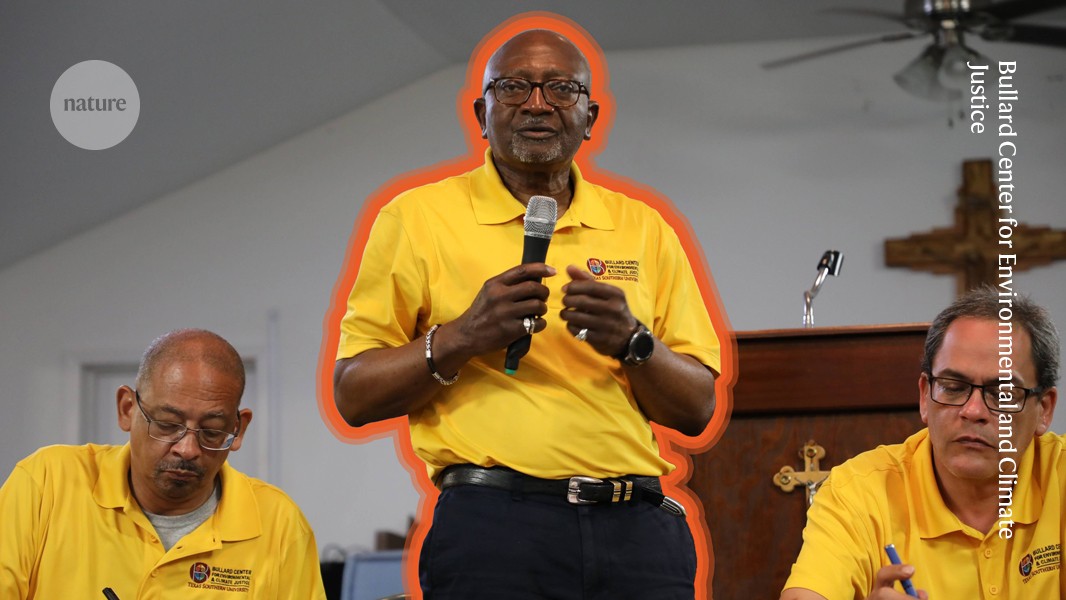
1 month agoIt's time to rethink how we care for our public lands and waters - High Country News
Wildlife populations are in decline. Recreation sites are crowded and often underfunded. Wildfires are larger, more destructive and harder to control. Climate change is reshaping natural systems, from ocean fisheries to mountain snowpacks, faster than institutions can respond. At the same time, communities are being asked to host new energy projects, transmission lines and mineral development - often without clear processes, adequate resources or trust that decisions are being made in the public interest.
Environment
fromwww.theguardian.com
1 month agoHow a Welsh village saved its forest and its future
It was a Saturday in February 2020 when the flood came. It had been a wet winter, so wet it seemed that before the month was out, the brown trout of the River Taff might be washed clean out into Cardiff Bay before the fishing season had even begun. But this is Wales. People are used to a spot of rain.
Environment
Environment
fromSocial Media Explorer
1 month agoEntorno Law and the Role of Public Interest Law in Protecting Communities and the Environment - Social Media Explorer
Public interest law ensures accountability and enforces environmental and consumer protections to safeguard public health, community welfare, and natural resources while promoting sustainability and fairness.
fromwww.dw.com
2 months agoThe business of saving nature
The world spends 30 times more money destroying nature than protecting it. That's according to a new report from the United Nations Environment Programme (UNEP) that exposes a massive gulf between so-called "harmful investments" and financing that promotes nature preservation. The global environment agency's latest "State of Finance for Nature" (SNF) report is calling to phase out the US$7.3 trillion (6.2 trillion) in global investments that damage nature including into high-emissions energy infrastructure and manufacturing, for example.
Environment
fromStreetsblog
3 months agoOpinion: Why Urbanists Should Support Plant-Forward Policies - Streetsblog USA
It shows up three times a day, on your plate. The U.S. spends over $30 billion annually on agricultural subsidies. Most support corn and soy, crops that become livestock feed, not food for people. U.S. meat is artificially cheap, which has locked us into a high-emissions food system. It's the highway funding of food: a policy choice that induces demand and reinforces path dependency.
Environment
fromHigh Country News
2 months agoThe nation's trails are disappearing - High Country News
Many of them were built for purposes that no longer exist - cattle drives, mining prospecting, early U.S. Forest Service fire patrols - while others were packed by the footprints of the Chumash people well before the colonization of North America. Sections of trail cling to steep slopes that seem to barely resist gravity, shedding soil and stone with each winter storm.
Environment
fromwww.dw.com
2 months agoTanzania's Maasai, wildlife corridor face growing pressure
Established in 2007, the Enduimet WMA lies adjacent to Kilimanjaro National Park and the Kenyan border. It involves 11 Maasai villages in a community-based system that has long been presented as a model of conservation in Tanzania. Under its rules, around 2533% of revenue from tourism and hunting goes directly to village members through an elected representative body, in contrast to the 3% allocated in game reserves.
Environment
fromwww.theguardian.com
2 months agoExperience: a bear moved into my house
The next morning, I checked the critter-cams and saw the bear again, now captured by a camera I'd placed by a little mesh-covered opening near the small basement under my house. I watched as a massive shape emerged from the hole. My brain refused to believe it. The bear looked too large to fit in that tiny gap. I watched it again, shocked. My hands started to sweat.
Environment
[ Load more ]