#landfill-odour
#landfill-odour
[ follow ]
#sustainability #climate-change #waste-management #environmental-impact #public-health #composting #recycling

fromwww.theguardian.com
1 day agoWhy reducing air pollution deaths isn't just about reducing air pollution
Air pollution is the second-largest risk factor for early death globally. Traditionally, our response has focused on reducing the levels of pollution people breathe, but this is only part of the story.
Public health



#waste-management
UK politics
fromwww.independent.co.uk
4 days agoMillions of households now have easier' recycling rules
New waste and recycling rules in England aim to standardize collections and improve recycling efficiency.

fromEarth911
1 month agoEnvironment
Sustainability In Your Ear: CurbWaste's Mike Marmo Is Building the Waste Logistics Layer of the Circular Economy
CurbWaste is building a digital operating system for independent haulers to capture per-load, chain-of-custody data and enable a circular economy through material visibility.

Design
fromdesignboom | architecture & design magazine
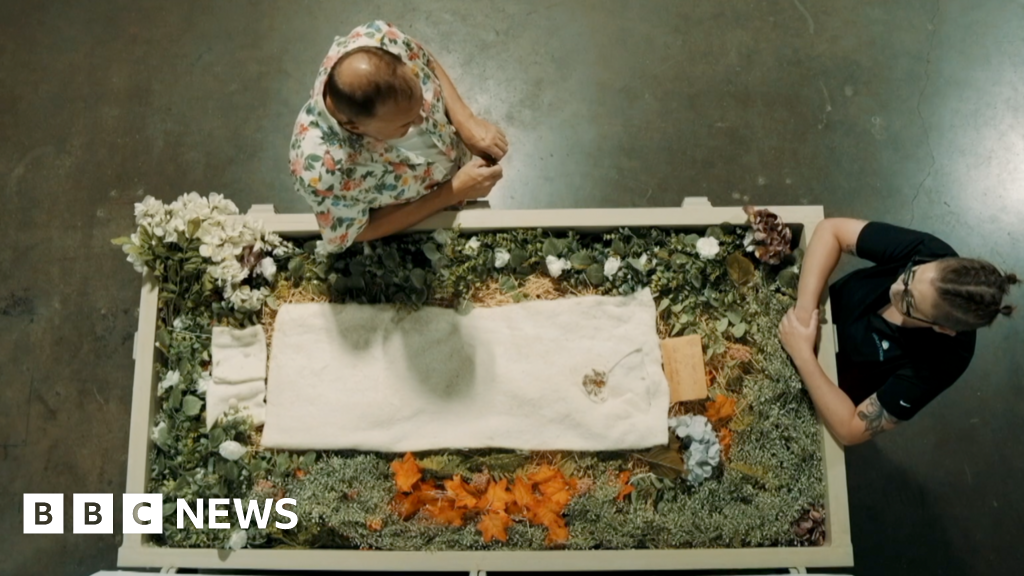
4 days agoartwork uses floating fabric corridor and bodily movement to visualize climate change
Ryo Yamada's Perception Corridor is an immersive installation in Edinburgh that explores perception and environmental awareness through a 40-meter fabric corridor.

fromwww.theguardian.com
2 days agoThe dark side of the balloon boom is it time they were banned?
In 2019, scientists found that balloons eaten by seabirds are more likely to kill them than other kinds of plastic yet they do not seem to have been earmarked in the same way as, for example, plastic straws.
Public health
fromEarth911
2 weeks agoIs Shredded Paper Recyclable?
Shredded paper is especially difficult to recycle, so many programs will not accept it. Shredding accelerates fiber shortening and lowers the paper grade from high-grade to mixed-grade. Mixed-grade paper is still recyclable, but it ends up baled and processed into products like paper towels and packing paper.
Portland
fromFast Company
3 days agoSee it: Air temperatures and pollution around the world are captured in real time in these animated weather maps
We created Earth in Action to provide a lens into what's happening on our planet, as it happens. Whether it's something typical, like the current air temperature, or an extreme event like a major dust storm, we wanted to provide an opportunity for people to see them.
OMG science
Design
fromArchDaily
2 weeks agoRethinking Architecture at the Scale of Planetary Systems
Contemporary architecture operates within interconnected technological systems—energy networks, data infrastructures, and global logistics—that fundamentally shape what can be built, its affordability, performance, and waste production.
Miscellaneous
fromwww.theguardian.com
1 month agoA delightful day at the dump: The trick is not to leave with more stuff than I arrived with!'
A recycling centre's ReUse shop in London salvages discarded items including unusual specimens like embalmed animals, vintage furniture, and antiques to resell rather than send to landfill.
#methane-emissions
Environment
fromwww.theguardian.com
2 weeks agoRevealed: the world's worst mega-leaks of methane driving global heating
Satellite analysis reveals dozens of massive methane leaks from oil, gas, and landfill facilities worldwide in 2025, primarily in Turkmenistan, with most leaks preventable through simple maintenance or fixable at no cost since captured methane can be sold.
Environment
fromFortune
3 days agoData centers are so hot, their 'heat island' effect is raising temperatures up to 6 miles away and impacting 343 million people worldwide, study finds | Fortune
AI infrastructure is creating a 'data heat island effect' that raises local temperatures and impacts millions of people.
Agriculture
fromEarth911
2 weeks agoConvenience Comes at the Environment's Expense
Fast delivery convenience carries significant environmental costs through packaging waste, carbon emissions, and resource consumption, but individual yard management choices can meaningfully reduce environmental impact at a local scale.
Environment
fromEarth911
2 weeks agoHow You Can Help Keep Recycling Workers Safe
Recycling reduces waste and resource extraction, but material recovery facility workers face significant safety hazards, with nine deaths in 2023 and waste collection ranking as the fourth most dangerous job in the United States.
fromSilicon Canals
1 month agoThis kitchen scrap makes the best free fertilizer and most people throw it away - Silicon Canals
Last week, I was making my morning coffee-you know, the complicated order I'm too embarrassed to say out loud at coffee shops-when I noticed the pile of used grounds in my filter. For years, I'd been tossing these straight into the trash without a second thought. But then I remembered something my grandmother wrote in one of her letters years ago: "The garden teaches us that nothing is truly waste."
Coffee
Environment
fromwww.theguardian.com
1 month agoThousands of pollution incidents in England downgraded without site visit, data suggests
Environment Agency staff downgraded 98% of 2,778 serious water pollution incidents reported in 2024 without site visits, representing a 1,500% increase in downgrades since 2021.
fromwww.theguardian.com
2 months agoHousehold burning of plastic waste in developing world is hidden health threat, study shows
The household burning of plastic for heating and cooking is widespread in developing countries, suggests a global study that raises concerns about its health and environmental impacts. The research, published in the journal Nature Communications, surveyed more than 1,000 respondents across 26 countries. One in three people reported being aware of households burning plastic, while 16% said they had burned plastic themselves.
Environment
fromwww.dw.com
2 months agoPlastic emissions could double health damage by 2040
Plastic is everywhere. Inside the human body, in the depths of the ocean and the far reaches of the Arctic. Now a new study warns that, unless the world changes course, plastic could more than double its damage to human health within the next two decades. The culprit is not plastic litter in the environment or microplastics, but the emissions released across plastic's entire life cycle from fossil fuel extraction and manufacturing to transport, recycling and disposal.
Environment
fromEarth911
1 month agoEarth911 Inspiration: Waste Can End With You
We can make changes to reduce our waste by precycling when we shop, reducing what we purchase, reusing items to get the most use out of them, and recycling when possible. But when we have items to throw away, please dispose of trash responsibly and don't litter. Let's reduce our waste and clean up our planet. It's our only home.
Environment
fromEarth911
2 months agoRecycling Mystery: Black-Colored Plastic
Black plastic gets its color from carbon black pigment and is commonly used in food containers, such as meat or produce trays and take-out containers, as well as disposable coffee lids, plastic bags, and hard plastic items like DVD cases and planters. While plastic is one of the categories of things that we are encouraged to recycle - when we can't reuse or repurpose it - not all black plastic items can be recycled.
Environment
fromArs Technica
1 month agoCOVID-19 cleared the skies but also supercharged methane emissions
The remaining question, though, was where all this methane was coming from in the first place. Throughout the pandemic, there was speculation that the surge might be caused by super-emitter events in the oil and gas sector, or perhaps a lack of maintenance on leaky infrastructure during lockdowns. But the new research suggests that the source of these emissions was not what many expected. The microbial surge
Environment
[ Load more ]