#latinx-art-and-abstraction
#latinx-art-and-abstraction
[ follow ]
#frida-kahlo #contemporary-art #cesar-chavez #art #photography #sculpture #diego-rivera #contemporary-painting
#frida-kahlo



Independent films
fromenglish.elpais.com
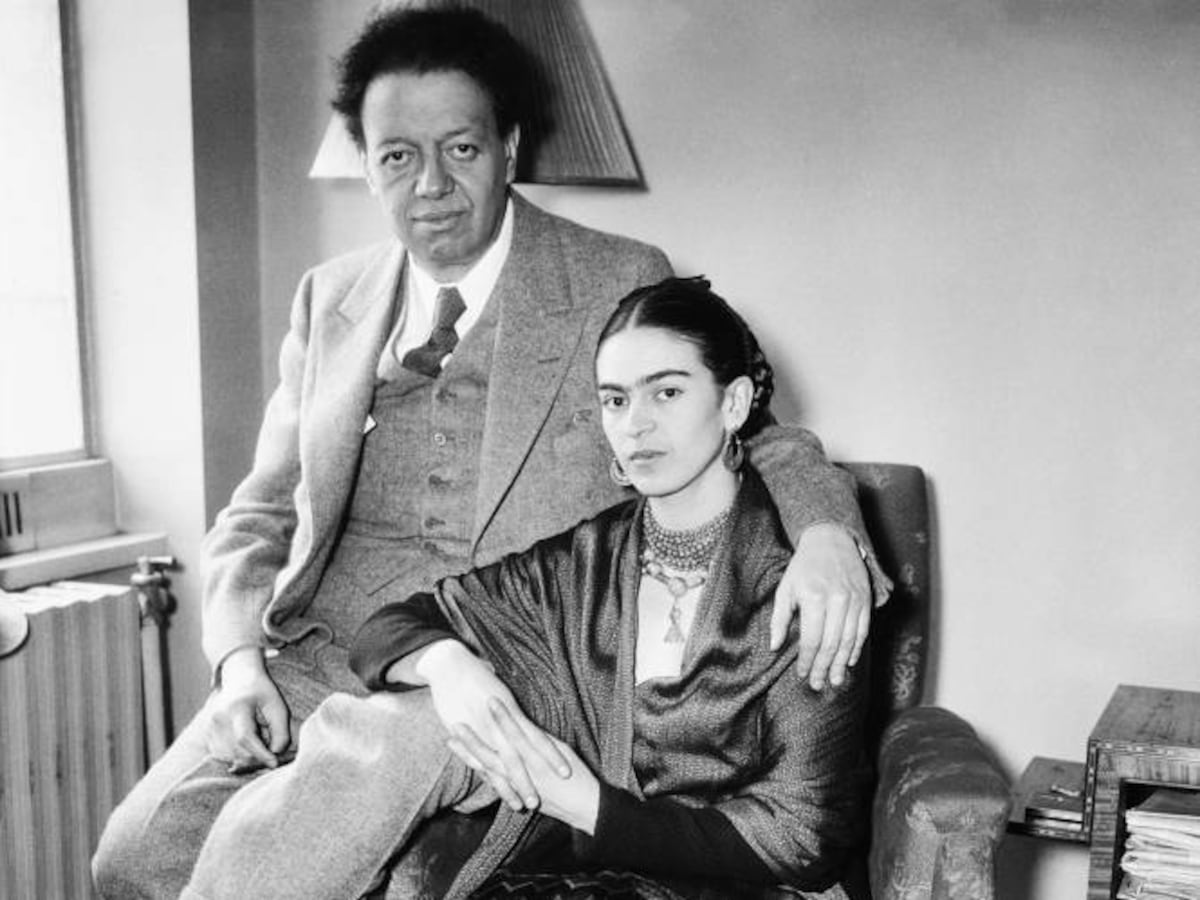
3 weeks agoNetflix preparing series on stormy relationship between Frida Kahlo and Diego Rivera
Netflix is developing a series exploring Frida Kahlo and Diego Rivera's tumultuous relationship beyond their iconic status, focusing on their passionate, sensory world rather than period piece clichés.
fromThe New Yorker
6 days agoThe Rise of a Spanish-Language News Influencer
Espina humorously admitted to oversleeping on a significant news day, stating, 'Breaking news, mi gente! I can't believe it.' His videos celebrated Maduro's fall but also expressed concern about the complexities of the situation.
US Elections


fromenglish.elpais.com
2 weeks agoA Mariachi school persists, and thrives, amidst an immigration crackdown
It makes me feel proud, simply because of the specific time we're in right now. It definitely takes a lot of courage for kids my age to represent their culture. Anthony Benitez, an 18-year-old violin student born in the United States to Mexican immigrants, expressed how the academy provides a meaningful outlet for cultural expression amid punitive immigration enforcement affecting Latino and immigrant families across the country.
NYC music

fromJuxtapoz
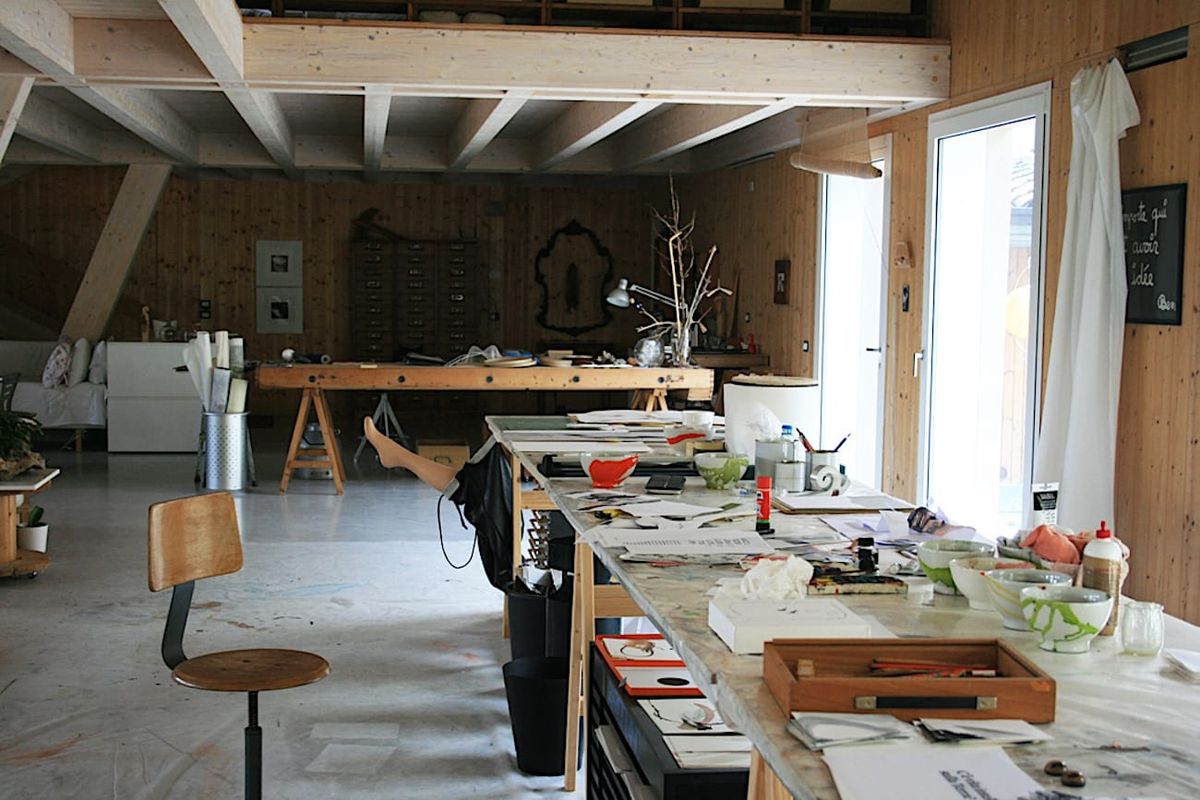
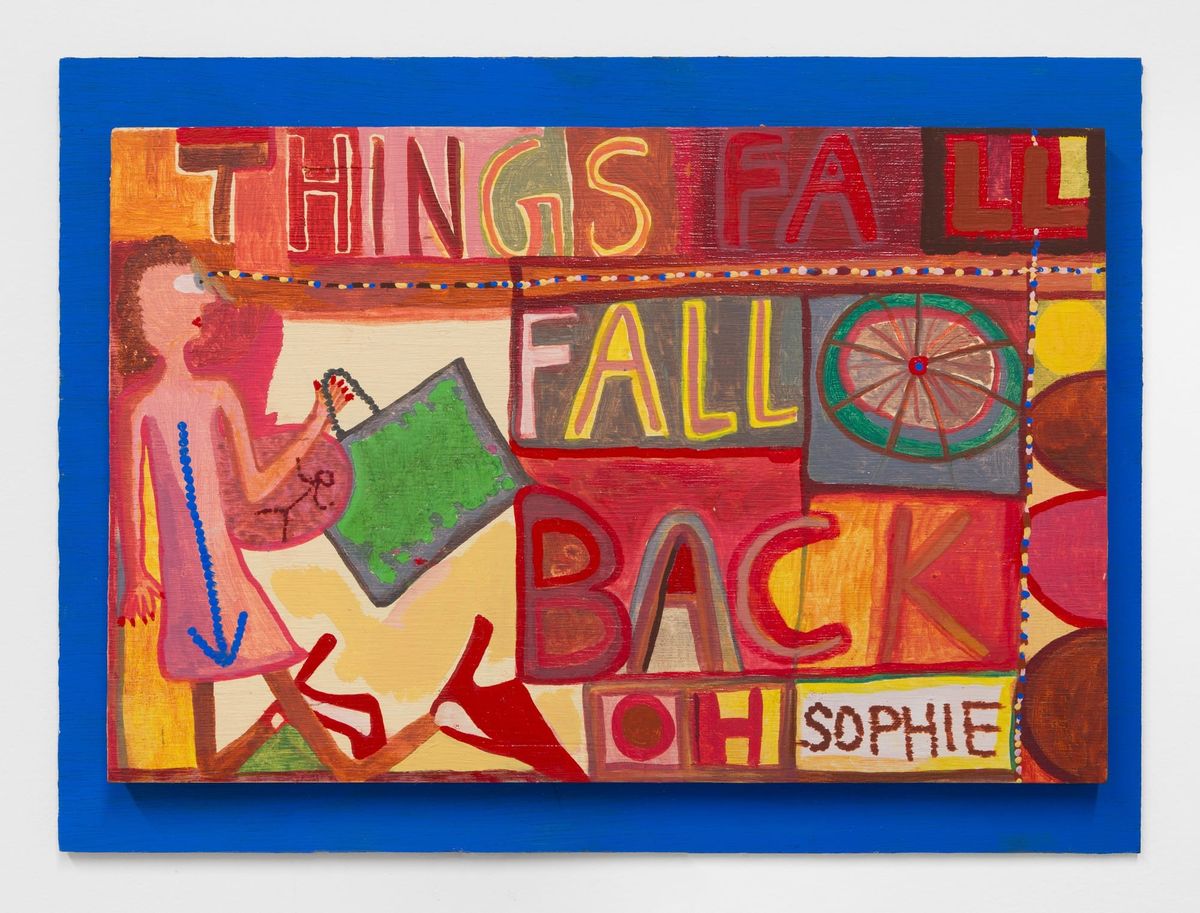
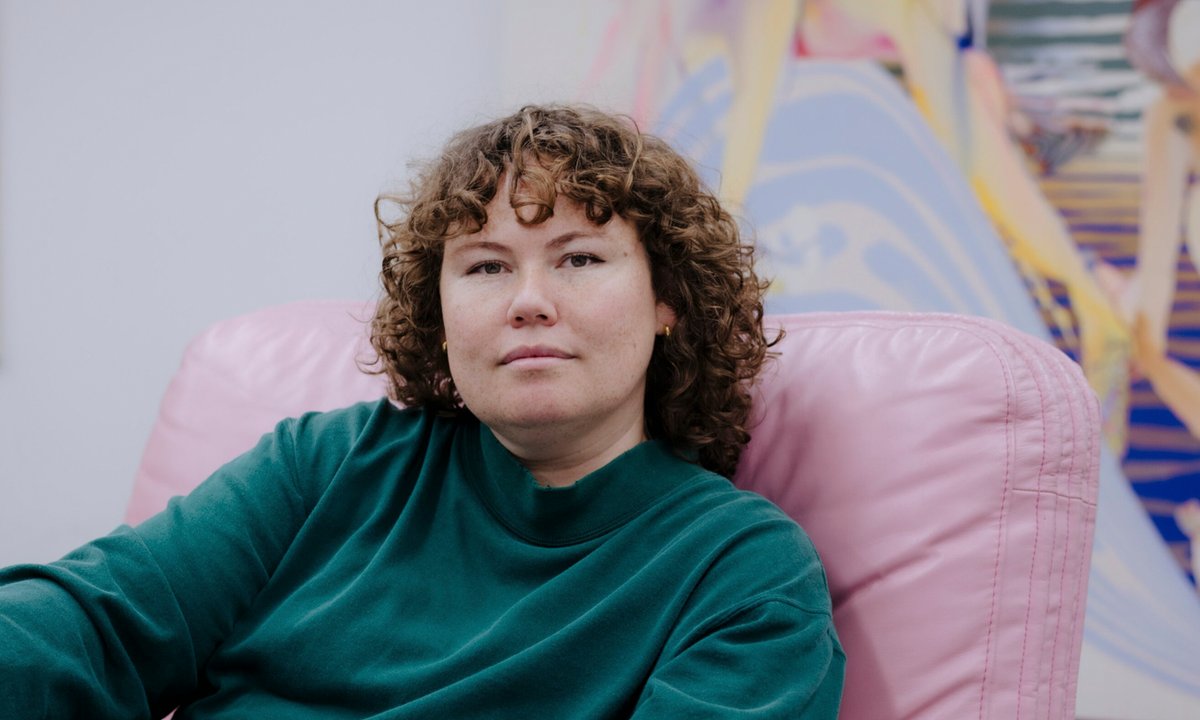
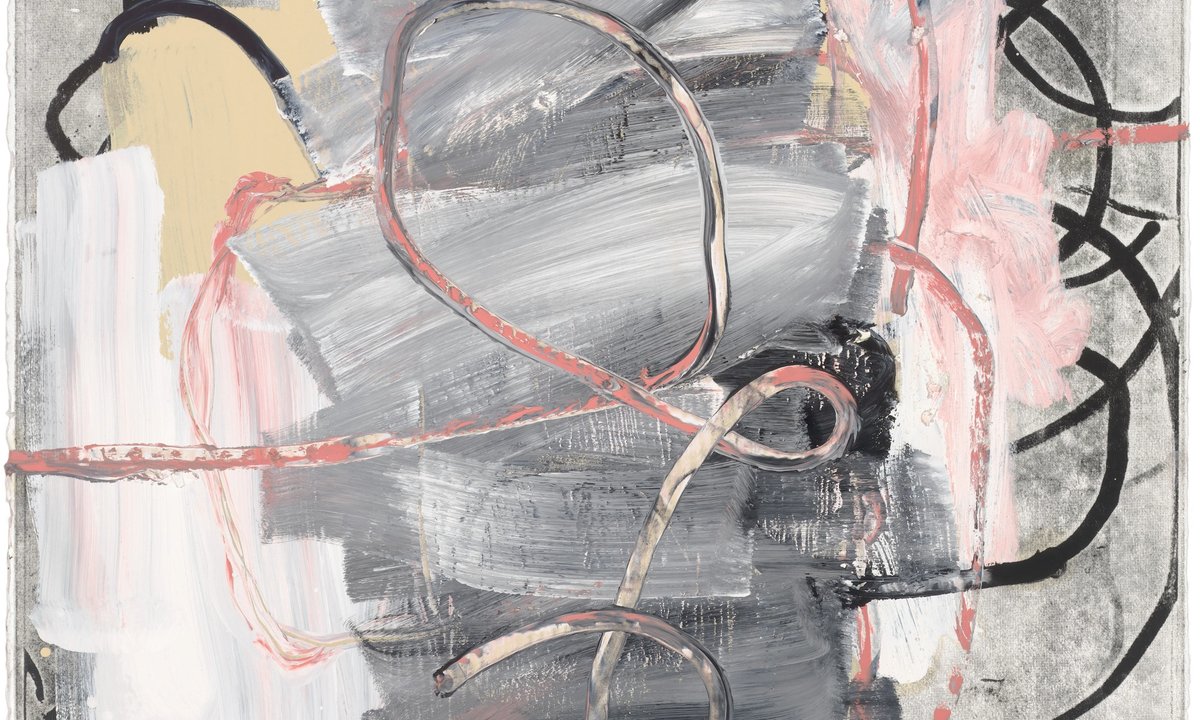
6 days agoJuxtapoz Magazine - Last Days to See Kate Meissner's New Paintings @ Lyles & King's Project Space, NYC
"These works are an exploration of the human body's elasticity and capacity to metamorphose. Informed by my own experience of pregnancy and the birth of my first child last year, these paintings are a meditation on physiological transformation and the body's underlying animalistic and mammalian nature."
Arts
#gelman-collection
Arts
fromThe Art Newspaper - International art news and events
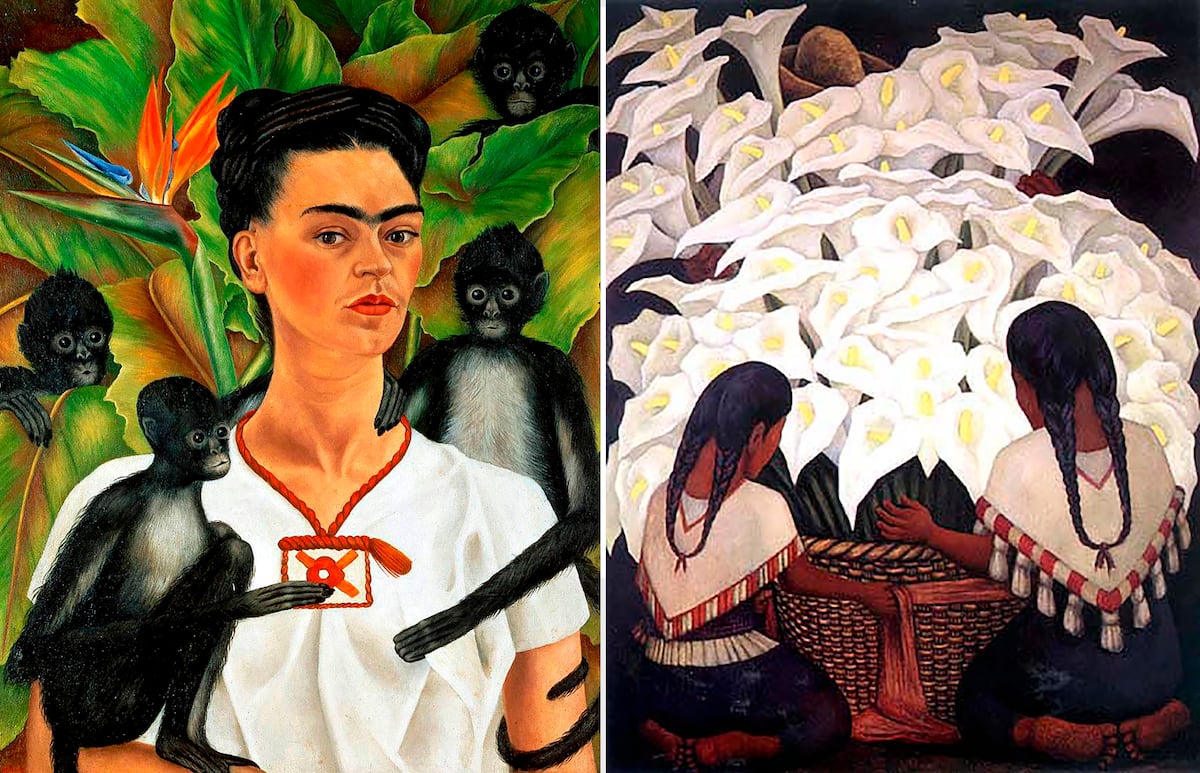
5 days agoMexico's art community calls for greater transparency in management of treasured collection
The Gelman Collection's future is uncertain, prompting calls for transparency from cultural professionals regarding its management and adherence to heritage laws.
Arts
fromThe Art Newspaper - International art news and events
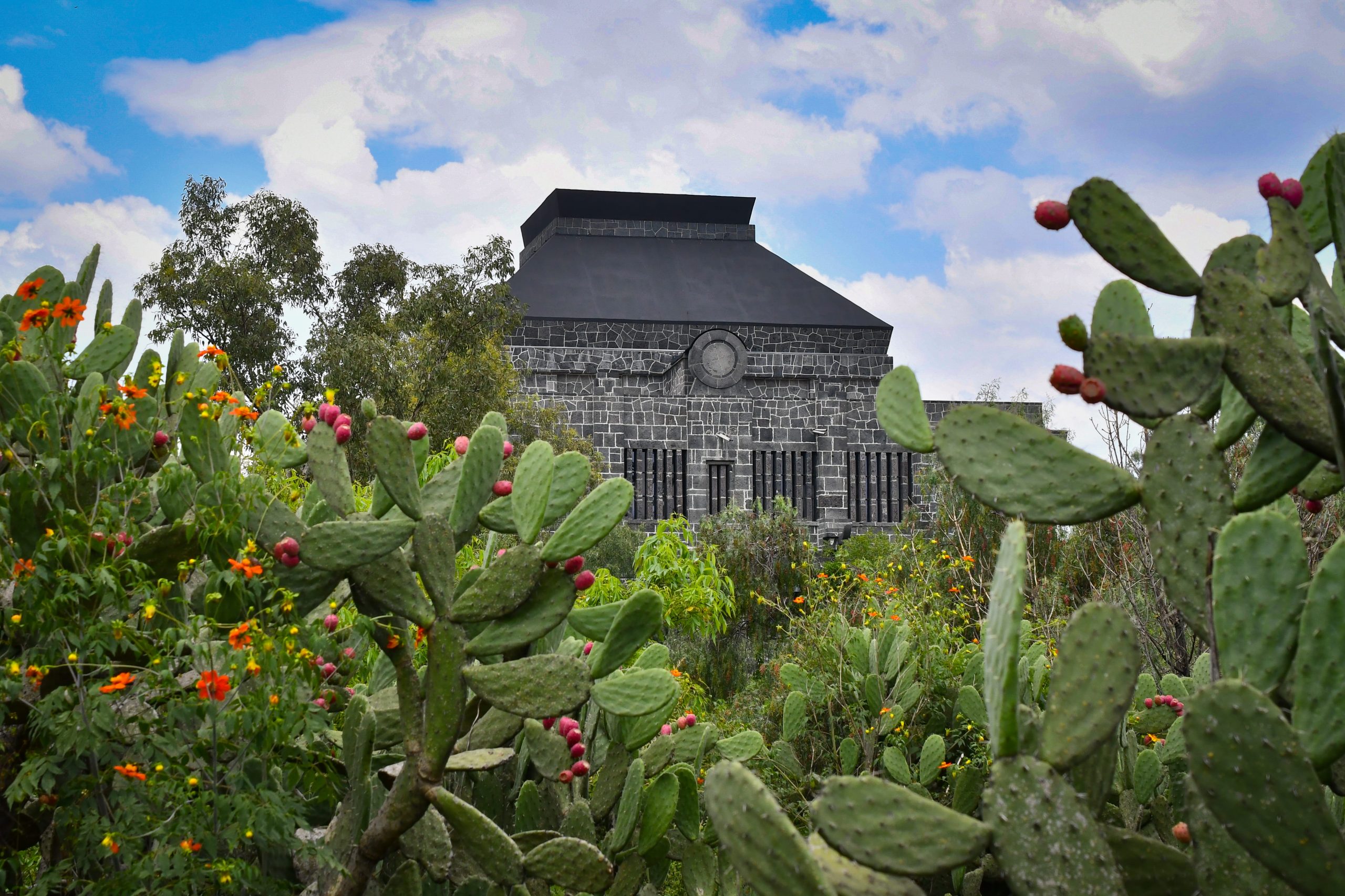
5 days agoMexico's art community calls for greater transparency in management of treasured collection
The Gelman Collection's future is uncertain, prompting calls for transparency from cultural professionals regarding its management and adherence to heritage laws.
:max_bytes(150000):strip_icc()/TAL-mexico-city-CULTRLYRICHDEST1225-9b03d517b80f4303aec7005290180b50.jpg)
fromArtnet News
3 weeks agoInside the Forum Where Women in the Arts Are Taking on the Status Quo
What began as a passion for collecting became a responsibility. She not only believes in the artistic genius of women, but she wants society in general to hold men and women artists in equal esteem-and to place the same monetary value on their work.
Arts
Arts
fromThe Art Newspaper - International art news and events
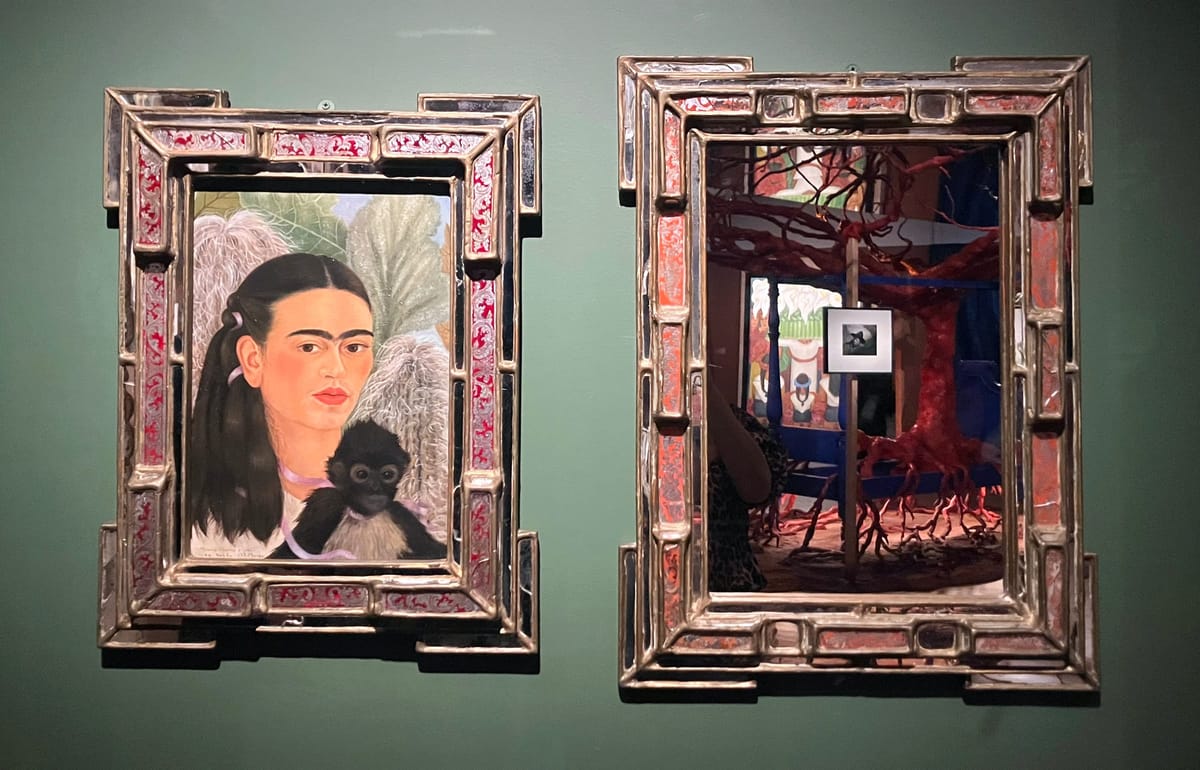
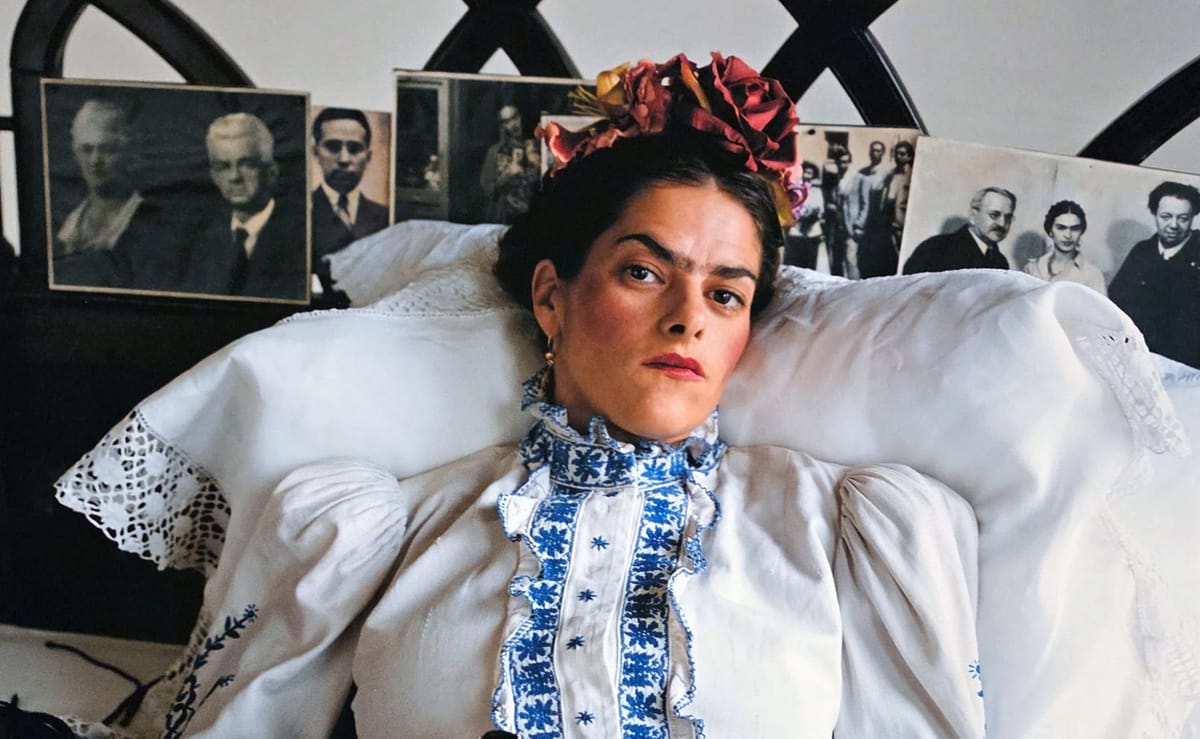
1 month agoThe many faces and identities Frida Kahlo are explored in exhibition catalogue
Frida Kahlo evolved from obscurity to global icon through posthumous appropriation by diverse movements that identified with her multifaceted persona and art across social, political, and commercial sectors.
Arts
fromdesignboom | architecture & design magazine
1 month agowhitney biennial asks: what does 'american art' mean in 2026?
The Whitney Biennial 2026 examines what constitutes American art by featuring artists whose practices connect Indigenous histories, land, migration, institutions, and cultural memory across diverse territories and communities.
fromThe Art Newspaper - International art news and events
1 month ago'We're the Tijuana of the tent': non-profit Ambos's stand at Frieze Los Angeles is relocated
We were supposed to be Frieze's special guests. And we feel like we're being censored, racially profiled and discriminated against. Having worked with the fair for five years, she says she will not continue beyond this weekend.
Arts
Arts
fromJuxtapoz
1 month agoJuxtapoz Magazine - Judith F. Baca: Great Wall of Los Angeles: The 1970s- A Decade of Defiance and Dreams @ Jeffrey Deitch, Los Angeles
The Great Wall of Los Angeles expands to depict 1970s Indigenous reclamation, prison and campus uprisings, Chicano antiwar protests, and art's role in testimony.
fromHyperallergic
1 month agoThis Is Not My LA Art World
We're just a week away from Frieze LA, when East Coast dealers and local artists alike descend upon the Santa Monica Airport, but this isn't Renée Reizman's first rodeo. Since the critic and artist moved to the area almost 15 years ago, she's witnessed blue-chip New York galleries set up shop and sideline the irreverent, DIY spaces that shape the local art scene. Without these spaces, Reizman writes, she would not have discovered what art can be outside of the white cube.
Arts
fromArtnet News
1 month agoHow Wifredo Lam Made Surrealism More Surreal Than the Surrealists | Artnet News
An exhibition of Wifredo Lam is about as safe a bet as the Museum of Modern Art can place and still plausibly say that it's a bet on expanding the canon. The Cuban artist is one of the most famous painters of the 20th century, featured in almost every single key show about Surrealism. MoMA acquired his famous painting The Jungle in 1946, a few years after he made it.
Arts
Arts
fromThe Art Newspaper - International art news and events
1 month agoMexico City's art scene gravitates to Santa Maria la Ribera neighbourhood
Santa María la Ribera has become a growing hub for contemporary Mexican artists, offering affordable studios, large Porfirian-era spaces, and new exhibition venues.
fromThe Art Newspaper - International art news and events
2 months agoExhibitions to see during Mexico City Art Week
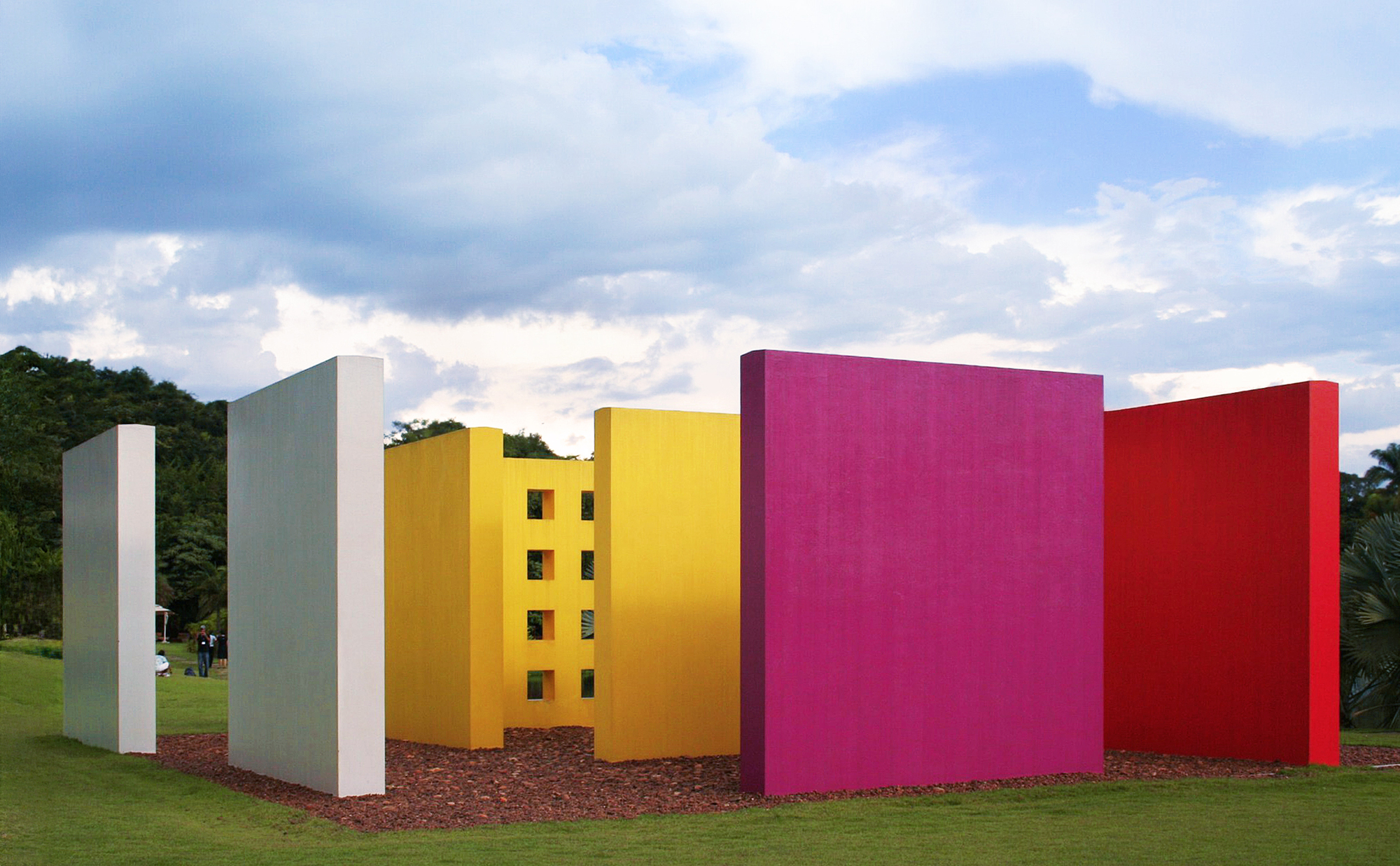
Taking over the colourful Casa Gilardi, Luis Barragán's last commissioned residence, built for the advertising executive Francisco Gilardi in the mid-1970s, the German artist Gregor Hildebrandt transforms the house's stylish rooms with an ever-expanding exhibition of his enigmatic works across various media. Known for transforming outmoded analogue recording media-including audio cassettes, VHS tapes and vinyl records-into paintings, sculptures and large-scale installations, the Berlin-based artist's conceptual works explore themes of memory, nostalgia and the physical representation of intangible sound and sight.
Arts
fromThe Art Newspaper - International art news and events
1 month agoAt Mexico City's Material and Salon Acme fairs, artists find hope in nature
"The new venue has allowed us to develop the experience of the fair-it lends itself to being more of a destination," Brett W. Schultz, the co-founder and director of Material, tells The Art Newspaper. The fair features over 70 exhibitors this year, with an especially strong contingent of Mexico City galleries that, like Material, have been around for a little over a decade.
Arts
fromJuxtapoz
1 month agoJuxtapoz Magazine - Oscar Murillo: "el pozo de agua" @ kurimanzutto, Mexico City
OSCAR MURILLO (b. 1986, La Paila, Colombia) has developed a multifaceted and challenging practice that spans painting, collaborative projects, video, sound and installation. Through each body of work, the artist probes ideas of collectivity and shared culture, demonstrating a commitment to the power of material presence alongside complex meditations on contemporary society. A focus on the social dimension that sits on the border between performance and events is also central to Murillo's practice.
Arts
fromHyperallergic
2 months agoHow Joan Miro and America Fell in Love
Six months before his momentous first trip to the United States, Joan Miró sent a letter to his New York City gallerist, Pierre Matisse. Writing from repressive Francoist Spain in the austere aftermath of the Second World War, the Catalan artist was searching for new frontiers. "In the future world, America, with its energy and vitality, must play a leading role," he told Matisse." I have to be in New York to be in direct, personal contact with your country; my work will benefit from that shock."
Arts
Arts
fromThe Art Newspaper - International art news and events
2 months agoA gifted colourist and civic-minded storyteller: touring show celebrates US artist Noah Davis
Noah Davis's posthumous survey demonstrates his mastery of color, narrative subtlety, art-historical erudition, and rising market and museum recognition.
[ Load more ]