#lift-openings
#lift-openings
[ follow ]


fromwww.theguardian.com
6 days agoEvery child wants to find joy': the scheme designing playground equipment for disaster zones
Meininger, who grew up in Germany but now lives in London, likes making things. So when he saw how much his young sons enjoyed the jungle gym and play forts at the local park, he made an indoor treehouse for them.
Parenting
fromFuturism
1 week agoChina Built the World's Largest Outdoor Escalator, and It's a Modern Marvel That Looks Like It Never Stops Rising Into the Sky
The Goddess escalator, which takes almost 21 minutes to ascend, is almost certainly the world's largest of its kind, cutting through the center of Wushan and rising straight into the sky.
Skiing

Productivity
fromBusiness Matters
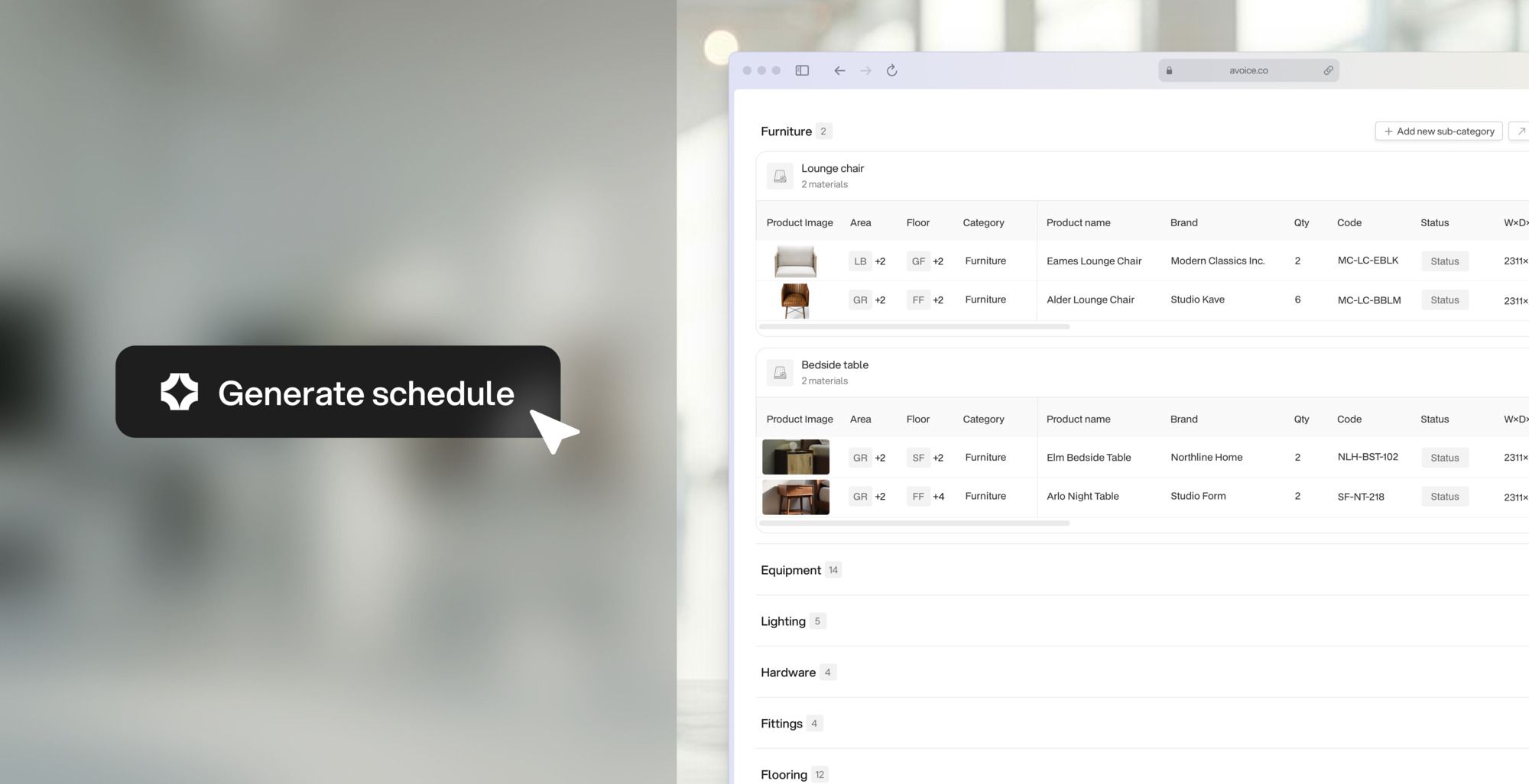
2 weeks ago7 Best AI Construction Scheduling Tools for What-If Recovery Planning
AI-driven scheduling platforms detect project delays early and run simulations to identify the fastest recovery path, helping construction teams recover time and stakeholder trust before schedules slip.
fromtherealdeal.com
2 weeks agoThe Daily Dirt: Catching up with DOB head Ahmed Tigani
I recognize that if we do the bread and butter stuff, we do the customer service, the customer delivery, then we get permission to do bigger things. This philosophy guides the commissioner's approach to balancing operational excellence with broader policy ambitions at the Department of Buildings.
New York City
fromwww.housingwire.com
3 weeks agoHow Public Financing Wins Projects Before You Build
Through Community Facilities Districts (CFD), Municipal Utility Districts (MUD), Public Improvement Districts (PID), Community Development Districts (CDD) and reimbursement districts (RD), builders can potentially shift infrastructure costs off their balance sheets and onto special districts that homebuyers ultimately absorb through property taxes without potentially adding debt to the builder's books.
LA real estate
fromReadWrite
2 weeks agoFrom Reactive Repairs to Smarter Home Protection: How Technology Is Changing Roof Care
In the past, roof inspections mostly focused on what could be seen from the outside. Contractors looked for broken shingles, worn flashing, or areas where water might enter the roof. The problem is that roof damage does not always show clear signs right away. Water can move through roofing layers before it becomes visible inside the home.
Renovation
Real estate
fromInc
2 weeks agoWhy Connectivity Is the New 'Location' in Commercial Real Estate
Digital infrastructure and connectivity now rival or surpass traditional location as the primary factor determining real estate value for business properties, with 96% of U.S. business leaders willing to pay premium prices for reliable connectivity.
fromBusiness Matters
2 weeks ago6 Business Use Cases For Perforated Metal
Perforated metal has long been valued for its strength, versatility, and clean visual appeal. Created by punching patterns of holes into metal sheets, it offers a practical balance between airflow, light control, and structural support. Across industries such as architecture, construction, mining, and interior design, perforated metal has become a go-to material for projects that require both function and style.
Design
London
fromianVisits
3 weeks agoGiant TBM starts digging tube-train sized tunnel beneath the Thames
A 270-tonne tunnel boring machine has begun excavating a 2.2-kilometre electricity cable tunnel beneath the River Thames in east London, replacing infrastructure from 1969 and expected to complete by 2029.
New York City
fromTime Out New York
3 weeks agoNYC finally moves to crack down on endless scaffolding
New York City is implementing new scaffolding regulations to reduce sidewalk sheds covering 380 miles of streets and shorten their duration, targeting structures that have remained in place for years or decades.
Artificial intelligence
fromArchDaily
1 month agoCompute Isn't Weightless: AI Infrastructure and the Architecture of the City
AI development is reshaping urban infrastructure and spatial planning in the Greater Bay Area through government-led initiatives that translate computational needs into physical zones, data centers, and specialized districts.
NYC politics
fromtherealdeal.com
1 month agoThe Daily Dirt: Scaffold law enters the chat
New York's scaffold law, which holds owners and contractors fully liable for gravity-related injuries, significantly increases construction costs and faces reform efforts at both state and federal levels to reduce housing development barriers.
fromwww.bbc.com
1 month agoFlats for the blind could be sold to developer
When I moved in here it truly was my last resort. Since living here I feel like I have the same independent life that my friends have and I just don't want to lose that. The guide dog run is probably the most important thing for me. It's a safe and confined area where I feel comfortable taking my dog out, especially at night.
London politics
Design
fromArchDaily
3 weeks agoFacing the Age of Robots? Material Innovation in Architectural Structures
Robotic technology in construction extends beyond automation and cost reduction to fundamentally reshape architectural design, material experimentation, and construction methodologies through collaborative human-robot workflows.

New York City
fromGothamist
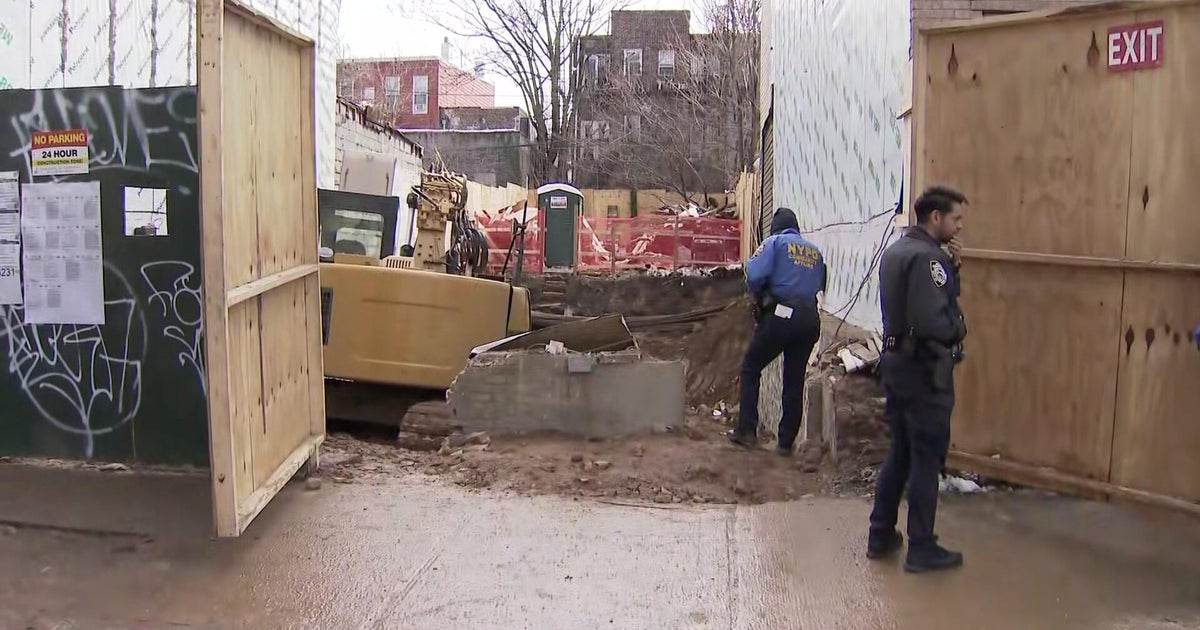
4 weeks agoMamdani eyes fewer, shorter-lived NYC sidewalk sheds with new scaffolding rules
New York City is implementing new sidewalk shed regulations to limit extension to 40 feet maximum and increase enforcement against indefinite installations covering over 380 miles of streets.






Renovation
fromLondon Business News | Londonlovesbusiness.com
1 month agoHow to evaluate a scaffold hire company for safety and reliability in the UK - London Business News | Londonlovesbusiness.com
Evaluate scaffold hire companies based on safety certifications, regulatory compliance, equipment quality, and staff training to protect workers and project timelines.
fromAol
2 months ago10 U.S. Bridges That Engineers Say Are "Structurally Deficient"
A bridge failure might sound like something from a blockbuster, but real damage usually creeps in slowly. Across the nation, engineers watch thousands of bridges that remain open, yet are far from their best condition. "Structurally deficient" is not a death sentence, but it signals repairs can no longer wait. These 10 bridges handle massive traffic and are a serious concern nationwide today.
US news
fromDevOps.com
1 month agoHow AI Is Expanding Who Gets to Build Infrastructure - DevOps.com
Baron traces the origin story back to his time building high-scale systems at Instana (which exited to IBM in 2020), where the reality of "always-on" platforms made one thing obvious: the tooling we rely on is often too low-level, too rigid, and too disconnected from real-world use cases. That gap has only widened as environments have exploded in complexity-more cloud providers, more managed services, more hybrid setups, more internal APIs, and "gillions" of tools stitched together into brittle workflows.
Software development
fromWorld Wild Schooling
2 months ago12 Iconic Bridges That Are Engineering Marvels
Some seem to defy gravity, rise to unimaginable heights, and traverse difficult terrains. These iconic bridges are engineering marvels that offer tourists immense exploration opportunities. While they were built to serve as links between two points and enhance transportation, adventurers cannot help but admire the technical prowess involved in their construction and the scenery these bridges create. From being considered impossible to construct
Travel
.jpeg?width=1200&auto=webp&quality=75)
fromwww.theguardian.com
2 months agoSchools, airports, high-rise towers: architects urged to get bamboo-ready'
For many years, bamboo has been mostly known as the favourite food of giant pandas, but a group of engineers say it's time we took it seriously as a building material, too. This week the Institution of Structural Engineers called for architects to be bamboo-ready as they published a manual for designing permanent buildings made of the material, in an effort to encourage low-carbon construction and position bamboo as a proper alternative to steel and concrete.
Environment
fromFuturism
2 months agoDelivery Robot Gets Stuck on Train Tracks, Gets Obliterated by Locomotive
Footage of the incident, which took place January 15, shows the robot sitting motionless on the tracks, seemingly making no attempt to get out of the way as the unmistakable blare of the train horn gets louder and louder. "Oh it's gonna crush it!" the onlooker taking the video can be heard saying moments before the train, operated by Brightline, flattens the unfortunate bot into the tracks. Sparks can be seen flying from beneath the train before the video cuts off.
Startup companies
Travel
fromianVisits
2 months agoRailway engineering works close lines, but unlock a little-used bit of track near Twickenham
SWR services between New Malden, Twickenham and the Shepperton branch will be partially replaced by buses from 14–17 February 2026 while signalling and level crossing work takes place.
fromLondon Business News | Londonlovesbusiness.com
2 months agoThe modern plumbing contractor is no longer just fixing pipes - London Business News | Londonlovesbusiness.com
There was a time when plumbing work stayed politely behind the walls, noticed only when something went wrong. That era is over. Today's plumbing contractor sits at the crossroads of infrastructure, housing stability, climate stress, and technology that finally works the way it should. The job still involves grit and know-how, but it also requires foresight, communication, and a willingness to run a smarter business without losing the human touch. That mix is what separates contractors who stay busy from those who stay booked.
Business
Design
fromYanko Design - Modern Industrial Design News
1 month agoTransformers-inspired Shapeshifting Machine Splits Into An Entire Road-Construction Robot Fleet - Yanko Design
Modular autonomous electric train deploys AI-guided construction robot modules, drone, and intelligent command hub to streamline road-building in remote, disaster, or difficult terrains.
fromwww.bbc.com
2 months agoHospitals with unsafe concrete expected to miss rebuild deadline
Work to fix hospitals built using unsafe concrete will not be completed in time to meet the government's target, a new report has warned. Seven hospitals built using Raac, or reinforced autoclaved aerated concrete, were prioritised for remedial work last year, with the government setting a deadline of 2030. The new buildings are now expected to open in 2032 and 2033 - but some are already facing pressure to meet the revised timetable, the National Audit Office (NAO) said.
UK news
fromAol
2 months ago10 U.S. Bridges That Engineers Say Are "Structurally Deficient"
A bridge failure might sound like something from a blockbuster, but real damage usually creeps in slowly. Across the nation, engineers watch thousands of bridges that remain open, yet are far from their best condition. "Structurally deficient" is not a death sentence, but it signals repairs can no longer wait. These 10 bridges handle massive traffic and are a serious concern nationwide today.
US news
Business
fromLondon Business News | Londonlovesbusiness.com
2 months agoThe new economics of electrical contracting in a market that never sits still - London Business News | Londonlovesbusiness.com
Electrical contractors must combine transparent client communication, disciplined pricing, and smarter tools to protect margins and maintain customer trust amid volatile costs and faster schedules.
fromRedfin | Real Estate Tips for Home Buying, Selling & More
1 month agoCan You Raise a Roof on a House? What Homeowners Should Know
Raising the roof is a major structural change, but for some homeowners, it can be a practical way to gain space and modernize a home without relocating. Whether the goal is higher ceilings, an added level, or turning unused attic space into livable square footage, the idea to raise a roof on a house often comes up when a home no longer fits everyday needs.
Renovation
fromArchDaily
2 months agoUnearthing the Ground: Architecture and the Politics of the Subterranean
Beneath the visible surface of cities lies an invisible architecture. Subways, tunnels, water systems, data cables, and bunkers form a dense network that sustains urban life while remaining largely unseen. The ground beneath our feet is not a void but a complex territory that holds the infrastructures, memories, and anxieties of our age. In recent years, as land becomes scarce and climate pressures intensify, architects and urbanists have turned their gaze downward, rediscovering the subterranean as both a physical and conceptual frontier.
Design
fromArchDaily
2 months agoDesigning Streets Through the Lens of Care
Jane Jacobs was also one of the voices that challenged this predominantly rationalist logic, arguing that truly vibrant streets are those capable of sustaining the diversity of everyday life, its informal exchanges, and the forms of care and natural surveillance that emerge from them. What these authors share is a fundamental insight: streets are not merely infrastructures for circulation, but social ecosystems, shaped by the relationships, uses, and encounters that take place within them.
Design
fromtherealdeal.com
2 months agoBuilders get their remedy, and some cities tweak their defenses
Cedar Street just came out victorious in a multi-year saga with the city of La Canada Flintridge, winning the first successful builder's remedy case in California Superior Court for its 80-unit mixed-use project at 600 Foothill Boulevard and setting a path for other developers to build. But the fight may have left its scars, in time, stress and now soured relationships with some officials.
Real estate
fromBusiness Matters
2 months agoBuilding Regulation Drawings: Your Complete Guide to Compliance and Approval
Unlike planning drawings that focus on external appearance and planning policy, building regulation drawings dive deep into the technical specifications-showing construction methods, materials, structural elements, insulation values, ventilation strategies, and safety features. These drawings serve as your blueprint for compliance, providing Building Control officers with the information they need to assess whether your project meets the legal requirements for structural stability, fire safety, energy efficiency, accessibility, and overall construction quality.
Renovation
fromArchitectural Digest
2 months agoDesigning When Your City Is Under Siege
Life doesn't pause for grief or fear. You might be going through something devastating but you're still packing lunches, still driving your kids to baseball practice, still showing up to work. One minute I find myself prepping for a whole home presentation and the next minute I'm checking the news, hoping and praying that no one has been killed on the streets today.
Design
Real estate
fromwww.housingwire.com
1 month agoOffsite building faces scalability hurdles as Builders First Source expands
Offsite construction economics are fragile because factories need high utilization, face logistics and regulatory complexity, and cannot flex quickly with cyclical, regional housing demand.
Real estate
fromLondon Business News | Londonlovesbusiness.com
1 month ago3D site plan rendering: Visualise entire development, landscape and infrastructure - London Business News | Londonlovesbusiness.com
3D site plan rendering converts complex technical plans into instantly readable visualisations that align stakeholders, accelerate decisions, and reduce late-stage project surprises.
Real estate
from24/7 Wall St.
2 months agoThese 3 Building Material Companies Are Fighting for Construction Dollars. Here's Who's Winning.
Rising housing construction demand benefits insulation suppliers: installers TopBuild and IBP gain installation volume while Owens Corning benefits from material manufacturing.
fromLondon Business News | Londonlovesbusiness.com
1 month agoFuture-proofing workplace facilities for the modern workforce - London Business News | Londonlovesbusiness.com
Creating workplace facilities that reflect relevance to the constant evolving changes of working patterns. Organisations need to think about balancing flexibility with functionality by integrating technology that can simplify things without any complications, whilst designing spaces that are diverse when it comes to different working styles. As traditional office attendance makes make for hybrid models, facilities now need to reimagine their spaces as a purposeful destination rather than a default location.
Real estate
[ Load more ]