#light-switches
#light-switches
[ follow ]
#smart-home #home-automation #smart-lighting #energy-efficiency #smart-plugs #matter #matter-protocol #ikea
fromTasting Table
4 hours agoNever Plug These Kitchen Appliances Into Power Strips - Tasting Table
Most power strips are designed to handle a low load from small appliances like cell phone chargers, computers, and televisions. Plugging in a high-wattage appliance - or multiple - may cause the power strip to overheat, leading to a major fire hazard.
Everyday cooking
Business intelligence
fromComputerWeekly.com
2 days agoWilson Connectivity, Autonomous Systems team for in-building wireless service | Computer Weekly
Wilson Connectivity and Autonomous Systems partner to automate in-building wireless infrastructure management, enhancing deployment and ongoing optimization.
fromgizmodo.com
6 days agoAqara Smart Lock U400 Review: Hands-free Unlocking at Its Best
The U400 one-ups just about every other smart lock available today by using your iPhone or Apple Watch's ultra wideband (UWB) signal for hands-free smart lock unlocking, a new Home Key feature Apple announced in 2024 that's coming to smart locks at long last.
Wearables
UX design
fromYanko Design - Modern Industrial Design News
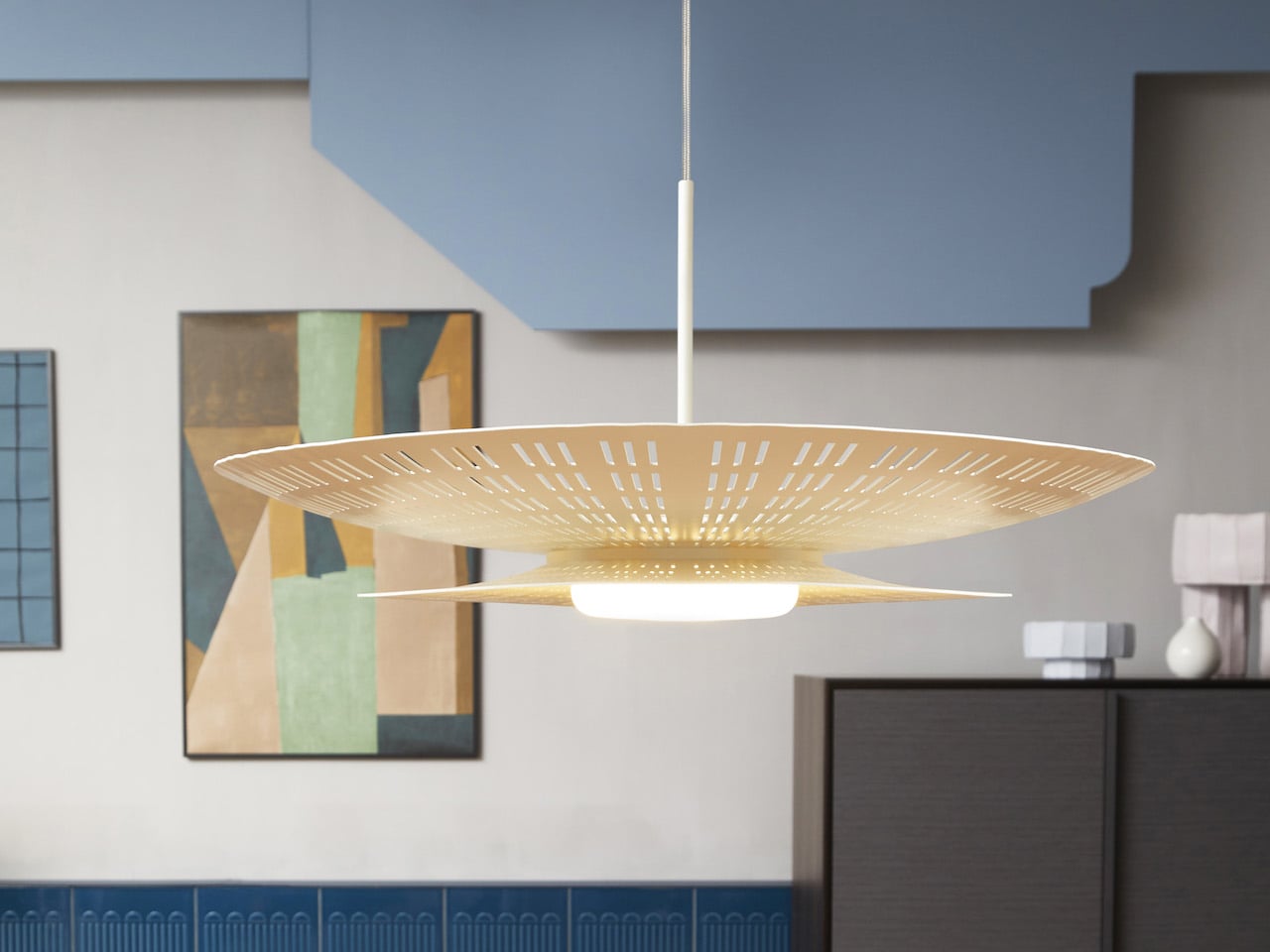
1 week agoYour Light Switch Is the Worst-Designed Thing in Your House. Inkslab Offers An Alternative - Yanko Design
Inkslab panel series transforms wall switches into a visually striking interface using irregular polygonal designs inspired by classical Suzhou gardens.
#smart-lighting



Gadgets
fromKotaku
2 months agoGovee Is Offering Its Updated RGBIC Smart Lamp at a Major Discount, Now Cheaper Than a Standard Lamp - Kotaku
Upgrade room lighting affordably with the Govee 60-inch floor lamp 2, offering high brightness, adjustable color temperatures, scene presets, music sync, and voice assistant support.


Roam Research
fromTheregister
2 weeks agoWater company spins out homegrown AI after LLMs failed it
Large language models provided confidently incorrect information about materials science, causing a water desalination startup to waste four months and $200,000 validating a material choice that ultimately proved inferior.
#smart-home-technology


Renovation
fromArchitectural Digest
1 month agoArchitects Say Touchscreens Ruined the Smart Home. Now They're Going Back to Buttons
High-end residential design increasingly favors analog controls and hidden technology over visible smart home interfaces, driven by user frustration, reliability concerns, and aesthetic preferences.
Renovation
fromRedfin | Real Estate Tips for Home Buying, Selling & More
3 weeks ago5 Reasons Why Lighting Design Matters More Than You Think in Home Interiors
Thoughtful lighting design enhances home comfort, style, and well-being by supporting circadian rhythms and transforming how spaces feel and function.



Alternative transportation
fromTESLARATI
1 month agoI figured out how to charge my Tesla at my rented townhouse - Here's how
Tesla owners in rental communities can achieve home charging through alternative solutions like the Tesla Mobile Connector, avoiding total reliance on Superchargers despite parking and electrical limitations.
fromThe Verge
2 weeks agoKasa's Matter-compatible smart plugs are on sale for $11 a pop
The plugs let you add smart controls to devices like lamps, fans, chargers, coffee makers, and heaters. All you need is plug one into an outlet and connect it to your Wi-Fi network, and you can automate whatever's attached using the Kasa app on your phone.
Gadgets
Wearables
fromdesignboom | architecture & design magazine
1 month agomotion-activated IKEA nightlight sticks to any surface and glows without plugging in
IKEA's ANKARLÄGGA is a battery-powered LED nightlight with motion sensor that attaches to surfaces without wires or plugs, activating for 30 seconds when movement is detected in darkness.
fromEarth911
1 month agoGuest Idea: Map Appliance Power to Identify and Tame Your Home's Top Electricity Consumers
Appliance power mapping means measuring each appliance's actual electricity consumption rather than relying on manufacturer estimates. Using tools like plug-in electricity monitors (such as a Kill-A-Watt meter) or whole-house energy monitors (like Sense or Emporia Vue), you collect real data on how much electricity each device draws-while running, in standby, and when nominally "off."
Remodel


fromZDNET
2 months agoUnplugging these 7 common household devices helped reduce my electricity bills
With costs climbing across the US, energy prices stand out, made worse by record-breaking summer heat and recent waves of scorching temperatures that have affected multiple states. Having endured several of them this season, I'm always looking for ways to reduce energy use. There are many small things you can do to shave dollars off your monthly energy bill, and they go beyond simply switching off the lights when you leave the room.
Environment
fromMedium
2 months agoCreating a smart home automation with Home Assistant and Scala fs2.
After some investigation, I found that Home Assistant has an integration with Node-RED - a graphical tool for manipulating data and event streams. It could probably satisfy most of my needs. But from time to time I remember that I'm a professional software developer, working with event streams for many years, and for this kind of problem there's nothing better than math (and Scala's type system, which supports it very well).
Software development
Gadgets
fromYanko Design - Modern Industrial Design News
1 month agoArduino's $61 Matter Bundle Lets You Build Smart Home Devices That Work With Apple, Google, and Amazon - Yanko Design
Arduino's Matter Discovery Bundle enables DIY smart home device creation at $61.04, solving platform fragmentation by providing universal connectivity to Apple HomeKit, Google Home, Amazon Alexa, and Home Assistant.
Environment
fromTechCrunch
2 months agoHomeBoost's app will show you where to save on your utility bills | TechCrunch
HomeBoost mails DIY home energy assessment kits and uses an app to identify inefficiencies, recommend cost-effective upgrades, and surface location-based rebates to lower utility bills.
fromTechCrunch
2 months agoRing founder details the camera company's 'intelligent assistant' era | TechCrunch
Siminoff's vision: turn Ring from a video doorbell company into an AI-powered "intelligent assistant" for the entire home and beyond. A handful of new features that advance that goal shipped just ahead of this year's Consumer Electronics Show (CES) in Las Vegas, including fire alerts, alerts about "unusual events," conversational AI, facial recognition features, and more. Some of these additions have not been without controversy, as consumers have to grapple with how much privacy they're giving up in favor of convenience and security.
Artificial intelligence


fromThe Atlantic
1 month agoSmart Homes Are Terrible
All of the appliances and systems are brand-new: the HVAC, the lighting, the entertainment. Touch screens of various shapes and sizes control this, that, and the other. Rows of programmable buttons sit where traditional light switches would normally be. The kitchen even has outlets designed to rise up from the countertop when you need them, and slide away when you don't.
Gadgets
fromWIRED
2 months agoOne of Our Favorite Smart Plugs for Apple Users Is $15 Off
On the hunt for new smart plugs to upgrade your home automation? One of our favorite picks, the Meross MSS110 Smart Plug Mini, is currently marked down on Amazon. The two pack is discounted from $34 to $27, and the four pack is down to $34 from its usual price of $52. These plugs help add smart functionality to otherwise dumb devices around your home, like lamps or fans, so they can be included in your routines.
Gadgets

fromWIRED
1 month agoWhat Is Thread? We Explain the Smart Home Network Protocol
Originally developed by Nest (before the Google acquisition), Thread has existed since 2011. Devised as a power-efficient mesh networking technology for internet-of-things (IoT) products, Thread gathered pace after the 2014 formation of the Thread Group, which develops the technology and drives its adoption as an industry standard. Founding members like ARM, Samsung, Google, and Qualcomm have been joined by Apple, Amazon, and many other big companies over the years.
Gadgets
fromZDNET
2 months agoThese unassuming devices promised to lower my electricity bills - only this one was legit
They do nothing to save you power Scam "power saving" devices are rampant online. These devices plug into an outlet and promise to "improve the use of energy," "extend the life of electrical equipment," and even "avoid illegal electrical waste." Sounds great, right? Also: This USB power meter I tested is shockingly accurate - especially for how cheap it is Well, despite the bold claims and the sticker on the front of the unit, they are too good to be true.
Gadgets


fromZDNET
2 months agoNo Matter? No problem! Imagine one smart home app to control all your devices
Matter, the smart home connectivity protocol that revolutionized the IoT world, has done wonders to bridge the interoperability gaps between brands. For various reasons, however, Matter hasn't completely solved the problem of incompatibility in the smart home. IoT company Copilot.cx aims to change that by giving users access to different brands' devices with a single mobile app. Copilot.cx has introduced Copilot Star, a platform that enables manufacturers to builda branded app based on a single framework, connecting smart home devices running on different platforms.
Gadgets
fromWIRED
2 months agoThe Best Floodlight Security Cameras for Your Home
A floodlight security camera is a great way to add light and video surveillance to your property, and they work extremely well for dark areas. They can serve like motion-activated lights when you or your family are taking out the trash, adding safety and convenience to your property. The addition of a security camera enables you to receive alerts about intruders, record video events that you can review later, and drop in and check on the videofeed whenever you like from wherever you are.
Gadgets
[ Load more ]