#limited-snowfall
#limited-snowfall
[ follow ]
#weather #snowfall #snowpack #spring-skiing #skiing #ski-resorts #california #climate-change #snow-forecast






fromSnowBrains
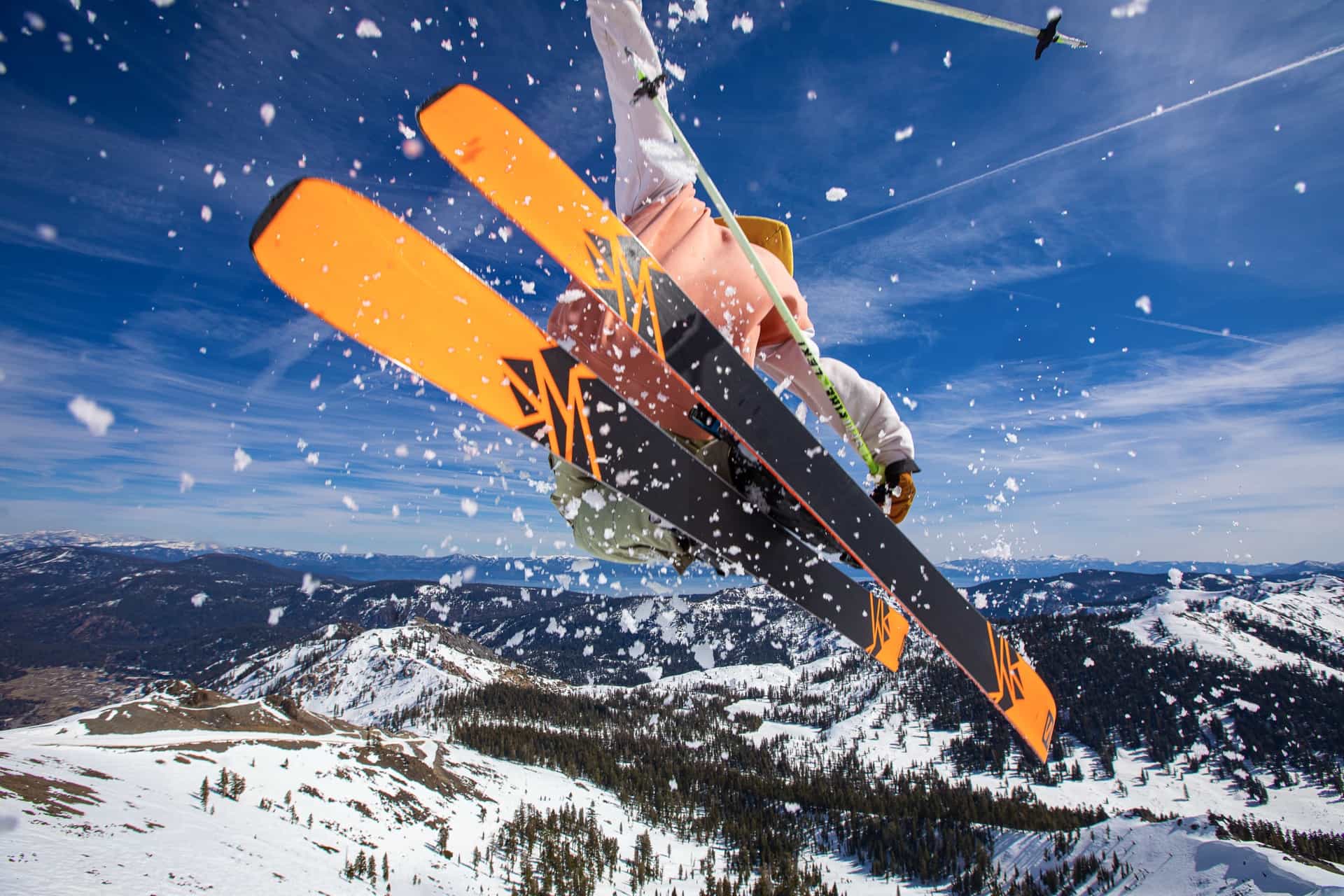
2 days agoLate Season Storm Brings Welcome Conditions Refresh to Mt. Rose Ski Tahoe, NV - SnowBrains
"We're always glad to welcome winter back, and this latest round of snow has ensured there are still great turns to be had as our spring season continues. Late season powder days are a bonus, and with the spring events and deals we have planned, it's not too late to get up here for some great skiing and riding!" - Mike Pierce, Marketing Director, Mt. Rose Ski Tahoe
Snowboarding

fromSnowBrains
1 day agoWhy is Skiing in Jeans Such a Big Deal? - SnowBrains
The best way to describe a Jerry is 'an individual who exhibits a true lack of understanding for their sport, or for life in general.' Jerry's are typically the ones you see on the mountain who are booming down the runs, heading to hit the next person they see.
Snowboarding


fromUnofficial Networks
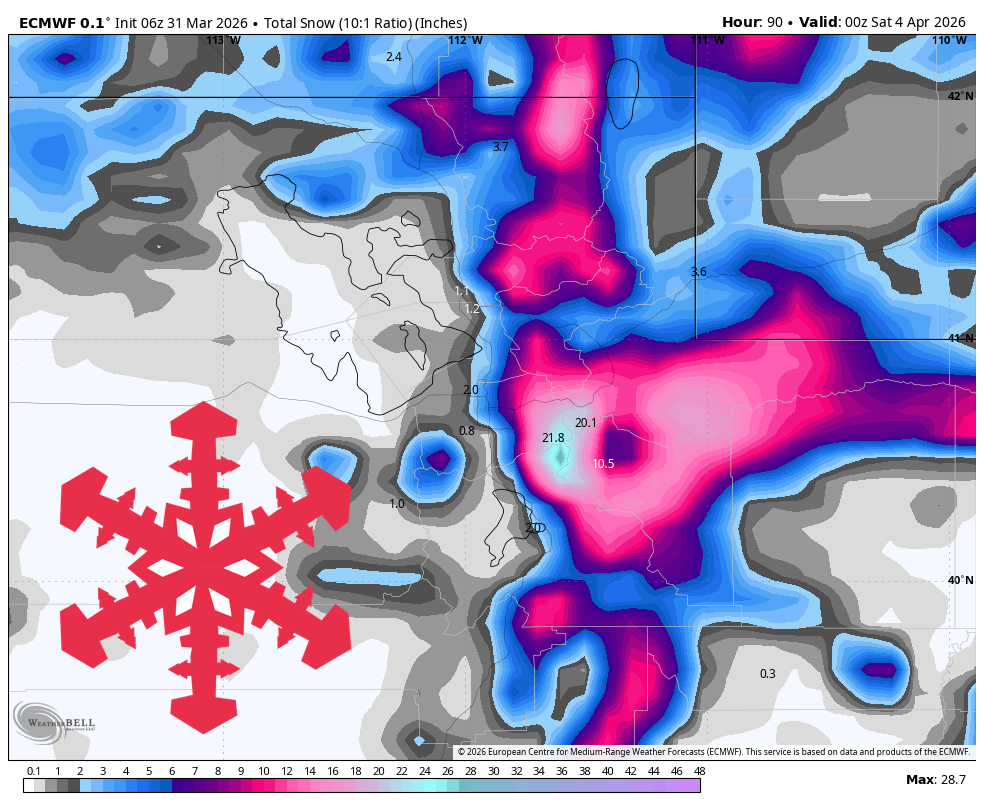
2 days agoYet Another Colorado Ski Resort Is Wrapping Things Up Early This Weekend
"As we wrap up the season, I want to thank our loyal guests who showed up smiling day in and day out to support their local hill. I also want to thank our dedicated staff whose immense efforts and pride in their work kept Eldora running all season long. We hope everyone comes to celebrate the season with us this weekend." - Andrew Gast, Eldora's president and general manager.
Snowboarding






Snowboarding
fromSnowBrains
2 weeks agoSnowBrains Forecast: Springlike, Mostly Dry Pattern for Colorado Through Sunday - SnowBrains
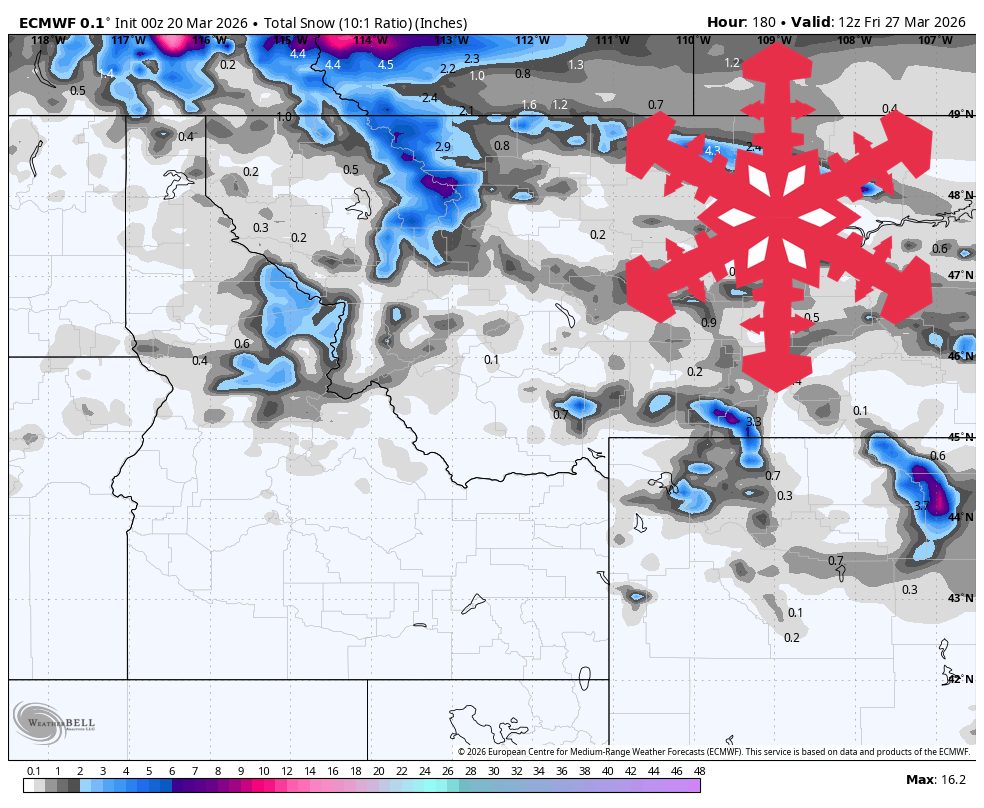
Colorado ski resorts face warm, dry spring conditions through Sunday with afternoon temperatures in the upper 40s to 60s, minimal snowfall, and periodic ridge winds of 25-40 mph.
Snowboarding
fromSnowBrains
2 weeks agoSnowBrains Forecast: Warm, Windy, Mostly Dry Northern Rockies Through Monday - SnowBrains
A strong spring ridge brings warm, dry conditions through Friday with fast snow softening and high snow levels, followed by a weaker cold front bringing cooler temperatures and minor snow refresh over the weekend.
Snowboarding
fromSnowBrains
2 weeks agoSnowBrains Forecast: Alberta Rockies Favored for 40-70 cm in BC/Alberta Through Sunday - SnowBrains
Alberta Rockies will receive significant snowfall of 44-67 cm at Lake Louise and 36-53 cm at Banff Sunshine by early Sunday, with improving snow quality as colder air arrives Friday night.
Snowboarding
fromSnowBrains
3 weeks agoThe Western U.S. Could See A Rare Wet Slab Avalanche Cycle Next Weekend - SnowBrains
A historic heat wave with temperatures 20-30 degrees above average could trigger rare wet slab avalanches in Colorado and Utah by introducing liquid water to weak layers in the snowpack.


Snowboarding
fromSnowBrains
3 weeks agoMountain Weather Update: Is Winter Over? Chris Tomer Answers the Question on Everyone's Lips - SnowBrains
A high-pressure dome will create a dry spell across southern ski regions while northern Rockies and Pacific Northwest receive significant snow through early April.
Snowboarding
fromSnowBrains
3 weeks agoFrom Zero to Hero and Back: California's Snowpack Reverses Course Twice in Just Weeks - SnowBrains
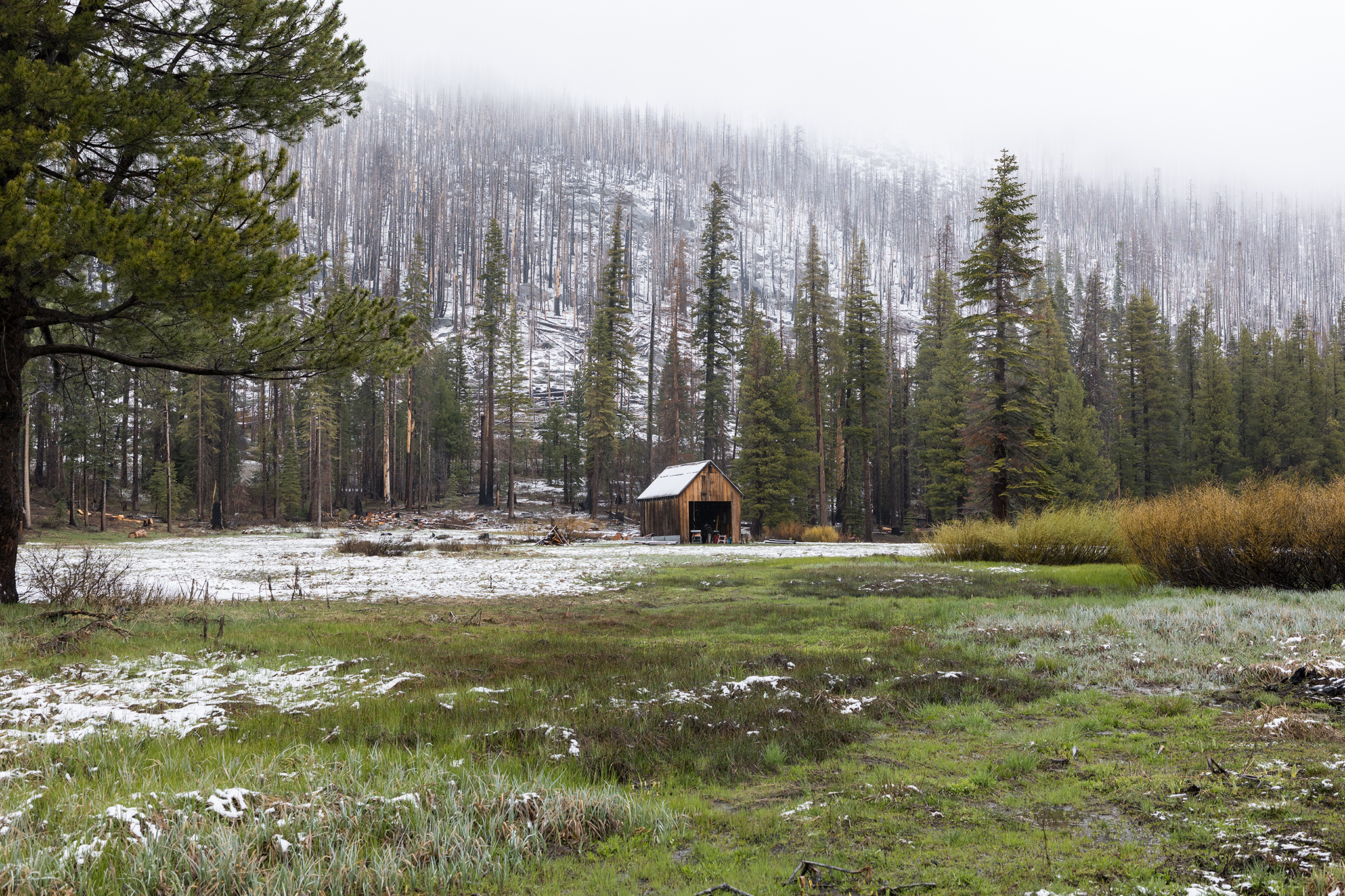
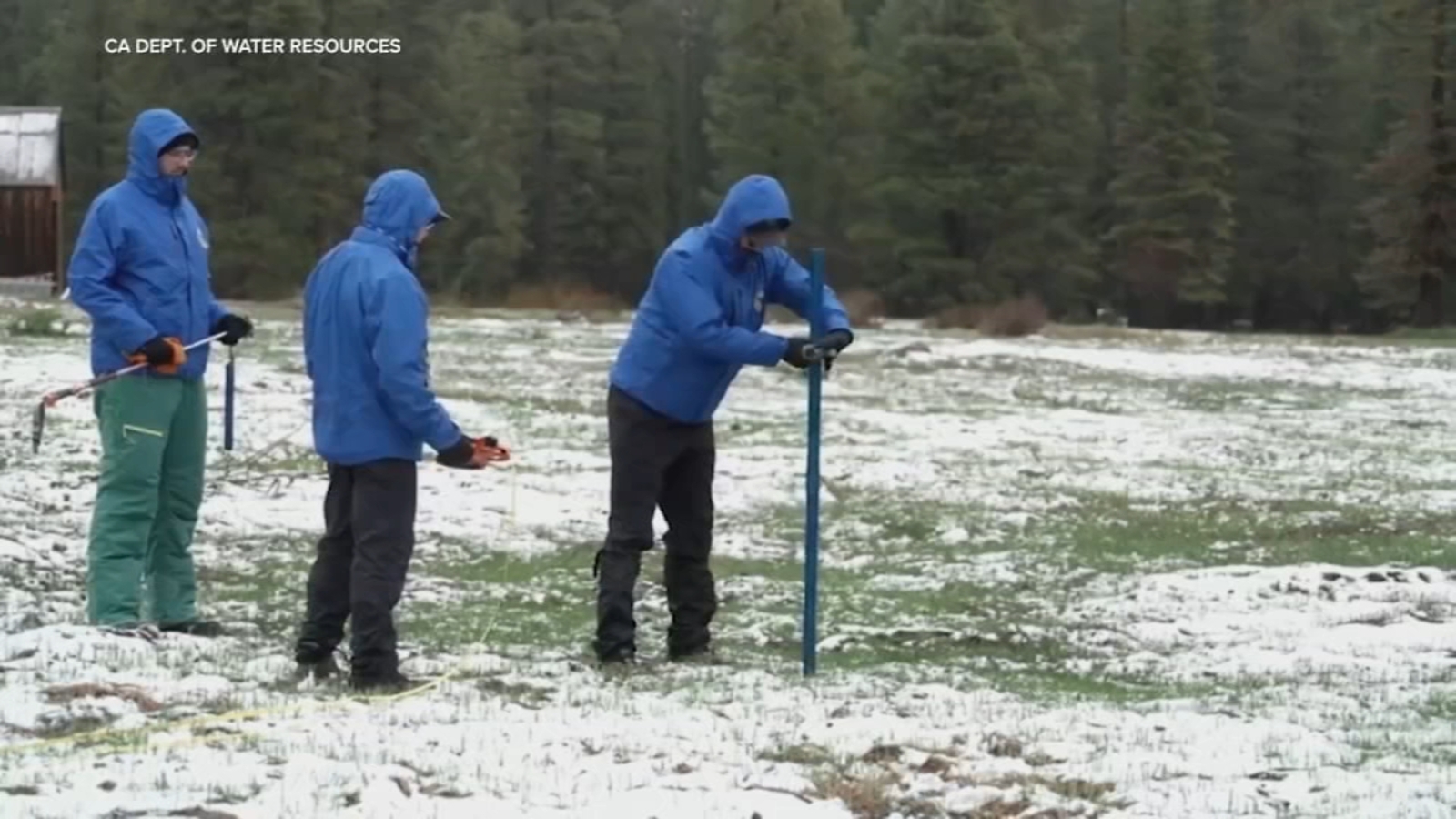
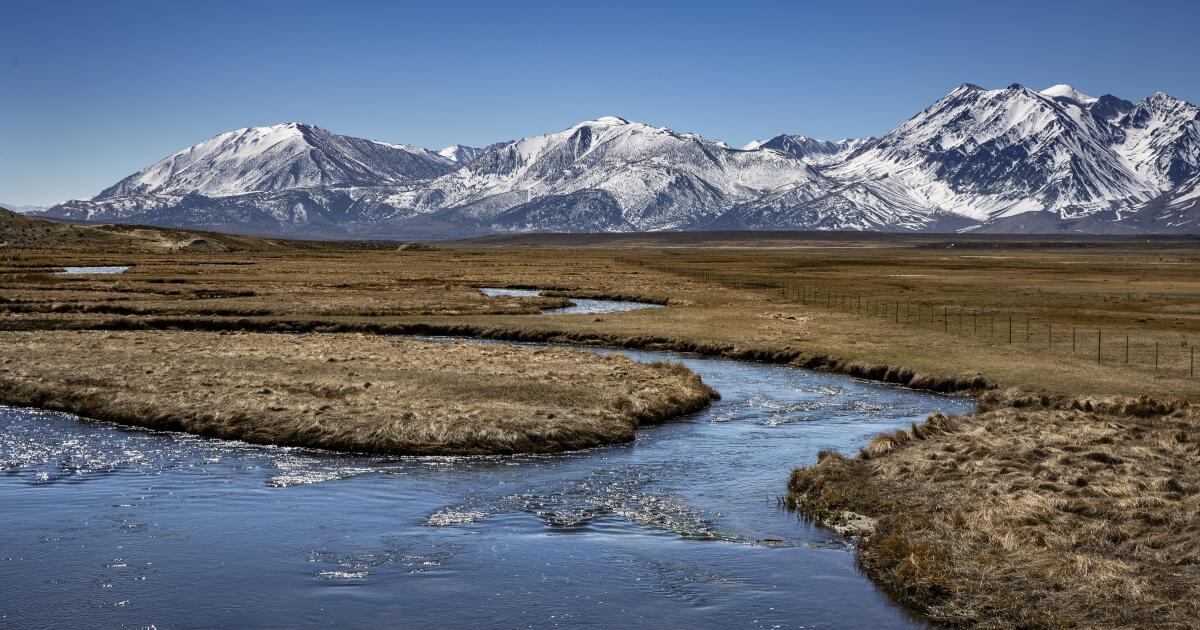
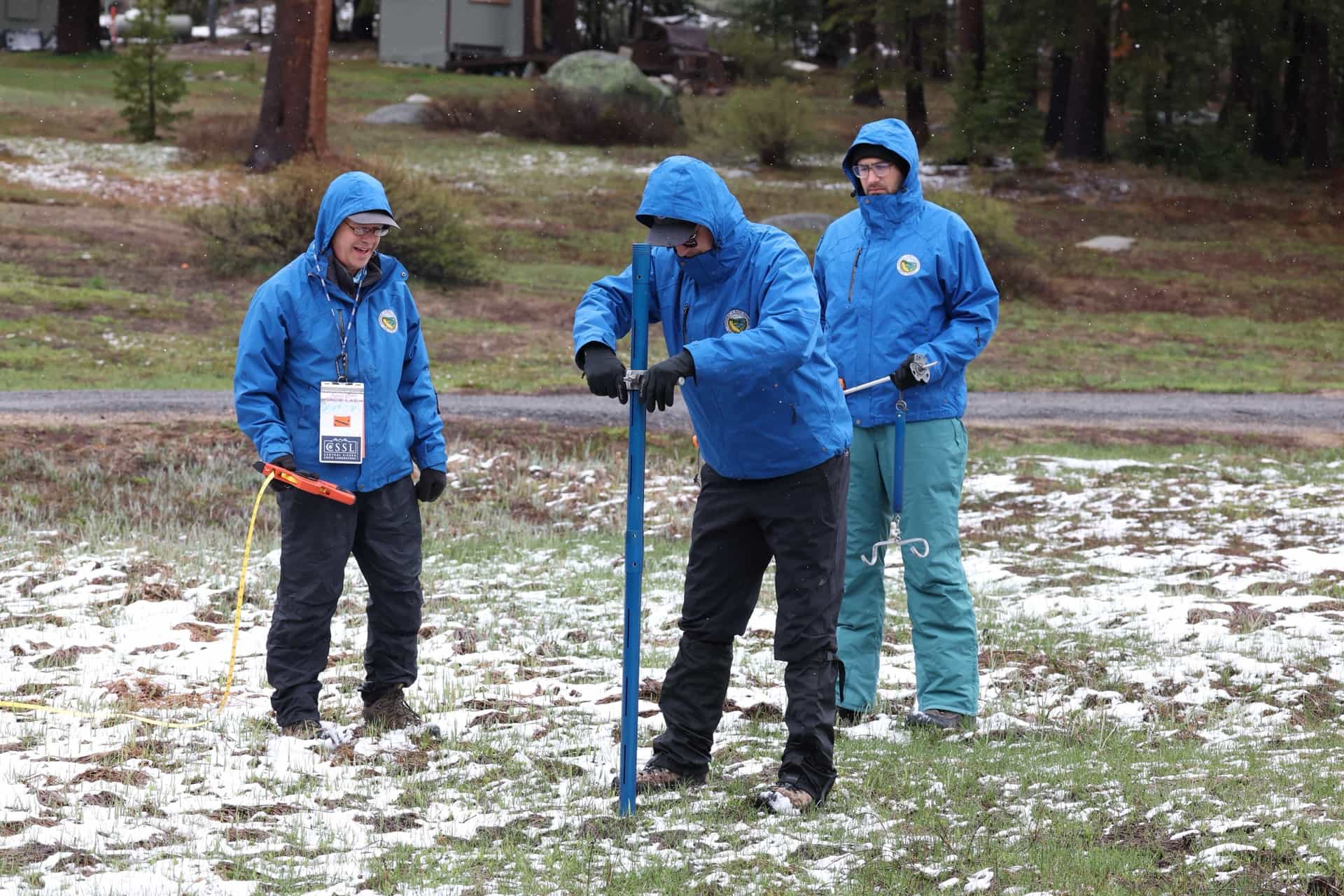
The 2025-2026 winter brought record-high temperatures and low precipitation across the American West, leaving the Sierra Nevada snowpack at half its April average until a historic 100-inch storm in mid-February was followed by rapid melting from warm rain.
Snowboarding
fromSnowBrains
3 weeks agoSnowBrains Forecast: 1-2 Feet for the Northern Rockies Through Saturday - SnowBrains
A major windstorm with heavy snow will impact the Northern Rockies Wednesday through Saturday, with the deepest accumulation in northwest Montana and central Idaho while southwest areas remain mostly windy with minimal snow.
Snowboarding
fromSnowBrains
4 weeks agoSnowBrains Forecast: Repeated Storms Bring 4-7 Feet to Parts of the PNW Through Friday - SnowBrains
The Pacific Northwest faces a significant snow event from Sunday through Friday with colder early-week snow, a stronger midweek reload, and uncertain weekend conditions, with Washington resorts and Whistler positioned for the best snow accumulation.
fromSnowBrains
1 month agoSnowBrains Forecast: Up to 10 Inches for Colorado Through Wednesday - SnowBrains
From late Saturday night through Sunday, guidance is converging on timing and warmer snow levels but diverging on intensity and ridge-top wind magnitude, with the most consistent signal for light snowfall in the northern and central ranges and limited coverage farther south. Most mountains should stay in the low single digits for accumulation during this first push, with favored terrain near the Continental Divide able to approach around 4 inches by Sunday evening.
Snowboarding
fromSnowBrains
1 month agoCan Colorado's Snowpack Catch Up? - SnowBrains
To get back to average snowpack, we essentially need to have the most snow that we've ever had for the last 30 years between now and mid-April. It would be extremely difficult for Colorado to get back to a normal/average snowpack. As an example, when looking at the Independence Pass SNOTEL site in central Colorado outside of Aspen, we typically have 13 inches of snow-water-equivalent at the end of February. This year, we only have 6.7 inches of SWE.
Snowboarding
Snowboarding
fromSnowBrains
1 month agoSnowBrains Forecast: Wet Early Snow Then Variable Conditions for Colorado - SnowBrains
Mountain snowfall peaks through Thursday with heavy wet snow and strong winds, followed by uncertain lighter accumulations and a return to warmer, quieter conditions by the weekend.


fromSnowBrains
1 month agoSnowBrains Forecast: Two More Feet for California This Week With Another Storm Brewing for Next Week - SnowBrains
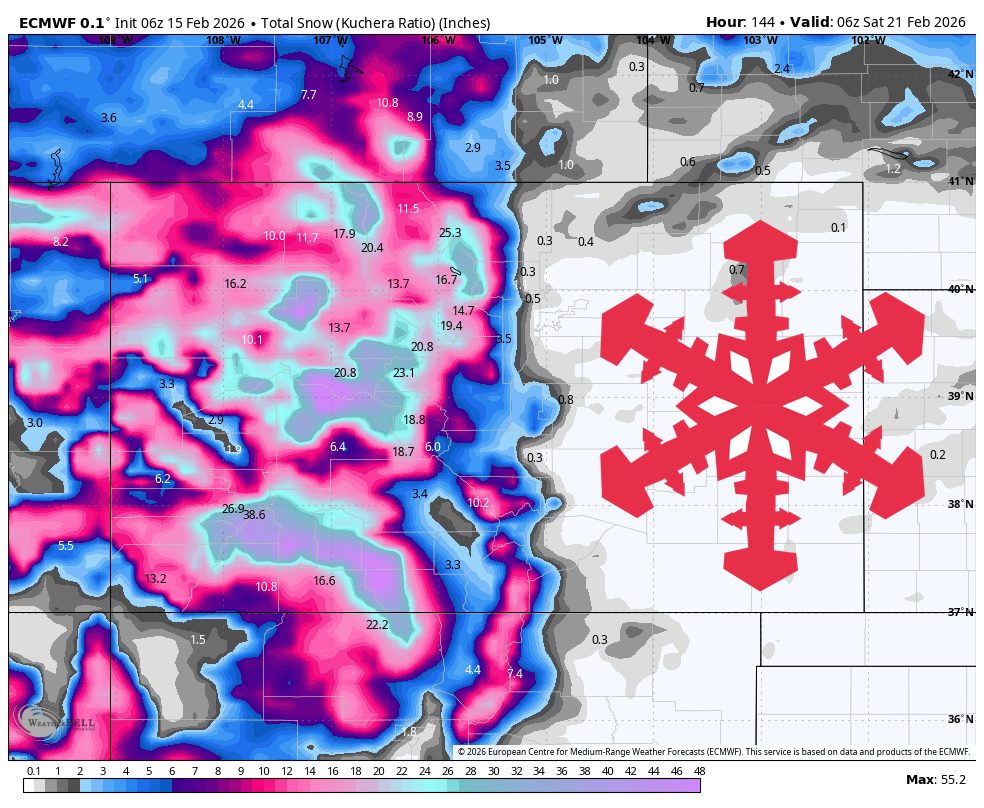
Confidence is highest through Saturday because the individual models agree well on the timing of the Thursday storm and the following break. Southern California's mountains pick up a quick shot of snow on Thursday with strong winds, then dry out into the weekend. Beyond the weekend, the signal stays active, but model spread grows fast on storm timing, snow levels, and wind impacts, so expect meaningful swings from run to run.
Snowboarding
fromSnowBrains
1 month agoSnowBrains Forecast: Snow Finally Returns to Colorado With 1 Foot This Week - SnowBrains
The midweek stretch looks like the most reliable window for fresh turns, with the steadiest snow lining up Wednesday night into Thursday and lighter add-ons into Friday. Snow levels run a little high early, then step down late week, so snow quality should improve as the storm cycle matures. Some areas could see the next wave begin as early as Sun night (02/15), but confidence drops quickly with lead time and placement.
Snowboarding
fromSnowBrains
1 month agoSnowBrains Forecast: Massive 8 Foot Storm Cycle Brewing for California Next Week - SnowBrains
Sun night (02/15) through Tue night (02/17) is the core punch, and many Sierra mountains can stack 20″-50″ in that window as snow levels crash. Expect a lighter start Sunday night, then snowfall rates ramp up hard Monday night into Tuesday with widespread coverage across Tahoe, the central Sierra, and down into Mammoth. Snow levels begin around 5,000 to 5,500 feet early, then fall into the 1,500 to 2,500-foot range by Tuesday and Tuesday night, which helps keep even lower terrain in play for all-snow.
Snowboarding
fromSnowBrains
2 months agoSnowBrains Forecast: 2 Feet of Additional Snowfall for the Rockies, Tetons This Week - SnowBrains
A busy January 5-9 stretch brings frequent light-to-moderate refreshers across the Northern Rockies, with the deepest totals focused on Idaho and the Tetons while snow quality trends better and better as the week turns colder. Snow levels start relatively higher in parts of Idaho early in the window, then steadily crash through midweek, flipping more of the precipitation to snow and boosting snow-to-liquid ratios into the 14-20:1 range for a noticeably drier, fluffier feel late Wednesday into Thursday;
Snowboarding
fromSnowBrains
2 months agoThe West Waits for Snow as the East Braces for a Potentially Historic Storm - SnowBrains
WeatherAs forecasters anxiously watch models for better agreement, one thing is clear: a major winter storm-named Winter Storm Fern by The Weather Channel-is forecast to impact a vast portion of the United States this weekend, bringing a dangerous combination of heavy snow, ice, and extreme cold to much of the country. Winter Storm Fern is expected to impact more than 230 million people across roughly two-thirds of the U.S., stretching across approximately 33 states.
Snowboarding
fromSnowBrains
2 months agoNASA: The West Faces Snow Drought - SnowBrains
This image, acquired with the MODIS (Moderate Resolution Imaging Spectroradiometer) on NASA's Terra satellite, provides a wide view of meager western snow cover on January 15. On that day, measurements derived from satellite observations showed that snow blanketed 142,700 square miles (369,700 square kilometers) of the west. That's the lowest coverage for that date in the MODIS record dating back to 2001 and less than one-third of the median. Coverage had increased slightly by January 26.
Snowboarding
[ Load more ]