Food & drink
fromTasting Table
3 hours ago4 Whole Foods Meats To Buy And 3 To Avoid - Tasting Table
Whole Foods offers a selection of meats, with some products like 365 ground pork being worth trying for their flavor and quality.
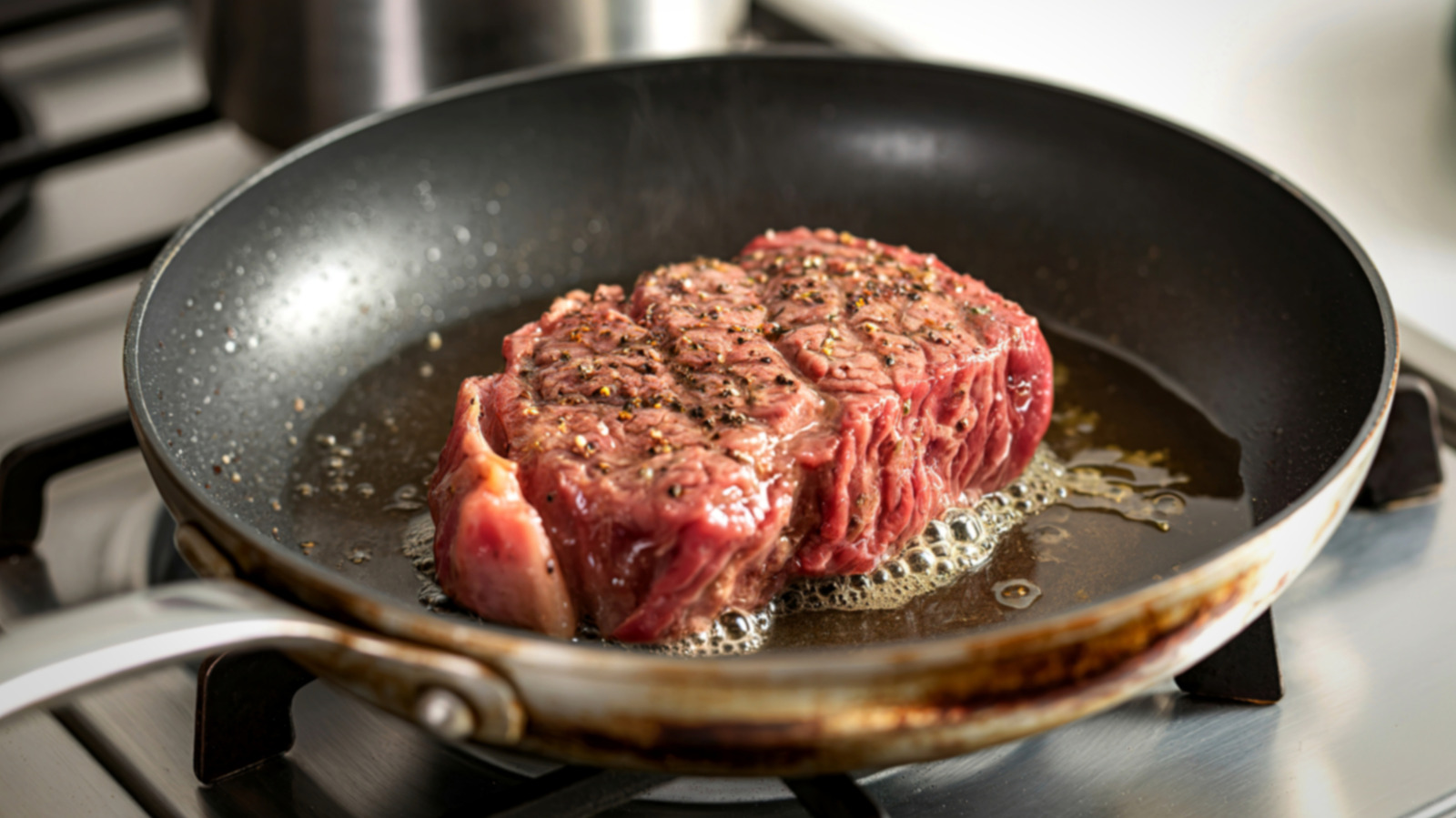
A great and very traditional bistro cut is the bavette steak, also known as flank steak here in the U.S. You'll see it all over Paris, and in more and more American restaurants. Sometimes called a flap steak, the bavette steak is cut from the bottom sirloin. This makes it relatively lean, but it has a looser, more tender texture, and it is considered very flavorful.
The story of poule au pot starts in Pau, in southwestern France, a city famous for this chicken dish and as the birthplace of its alleged originator, le Bon Roi Henri - otherwise known as Henry VI, King of France for 21 years bridging the 16th and 17th centuries. Good King Henry has gone down in history for his benevolence.
"Red meat can definitely fit into a balanced diet," she says. "It is rich in iron, vitamin B12, zinc, and high-quality protein that supports energy levels, metabolism, and muscle growth. Despite these health benefits, however, overconsumption is possible. "Where we see more concern is when intake is higher over time," Benson adds, "especially with processed red meat, and especially when fiber intake is low."
The contentious decision came as part of a "National Strategy for Food, Nutrition and Climate," setting out the government's aims until 2030 on balancing a healthy diet while reducing greenhouse gas emissions. It was supposed to be published in 2023, the culmination of a direct-democracy initiative that immediately raised the hackles of agriculture lobbies that accused the government of threatening their livelihoods.
Country of origin labeling became mandatory on all international products entering the United States in 2009. The goal was to ensure American consumers knew where the products they were buying came from, enabling shoppers to make informed buying decisions. These products include everything from Mexican avocados to French wine to pasta from Italy, with the latter thankfully safe from recent U.S. tariffs. However, does the location a product comes from actually matter?
Madeline Cash's debut novel, Lost Lambs, tells the story of a modern American family: semi-estranged parents in an ill-fated open relationship and three teen daughters with internet boyfriends and dangerous connections to the tech billionaire up the road. The book made such a splash when it was published last month - "vivid, breezy prose alight with casual wit," said the New Yorker; "the comic novel we need right now," declared the Washington Post -
For someone aiming to end the global livestock industry, Bruce Friedrich begins his new book called Meat in disarming fashion: I'm not here to tell anyone what to eat. You won't find vegetarian or vegan recipes in this book, and you won't find a single sentence attempting to convince you to eat differently. This book isn't about policing your plate.
I'm thrilled I did, and my learning curve was vertical in this page-turning work that "offers a hopeful and rigorously researched exploration of how science, policy, and industry can work together to satisfy the world's soaring demand for meat, while building a healthier and more sustainable world." There is nothing "radical" about what likely will become a classic, one that is already endorsed by experts in global hunger, global health, climate change, and food security.
Not only is a second life as a salad dressing a far superior fate than the trash can, dips can also catapult what may have been an ordinary salad to new, crave-worthy heights. You can even get a little creative with them. The main thing to consider, however, is consistency. Most dips will need to be thinned out to make them more pourable and dressing-like.
Long after the last forkful, there are still ways for a prime rib's savory richness to continue blessing your kitchen. Leftover meat gets shredded into tacos and instant ramen, drippings become au jus and gravy, and the bones? That's your secret to a deeply flavorful beef stock. Discarded far too often, their hidden richness goes to waste in the bottom of the trashcan, when really, it should already be simmering on the stovetop, giving all your future soups and stews the most hearty base imaginable.
Inspired by Auguste Escoffier's exceptionally simple tartare, I've given his recipe a zero-waste twist by using whole boiled eggs and swapping in pickle brine from a jar of gherkins or capers to replace the vinegar. Everything else is optional: tarragon, mustard, cayenne add what you like or have in store. Traditionally, tartare sauce is delicious with fish and chips, calamari or in a chicken sandwich, but I also like it tossed through potato salad with tinned sardines and radicchio.