Software development
fromMedium
1 day agoThe Open-Source AI Agent Frameworks That Deserve More Stars on GitHub
Open-source AI agent frameworks exist beyond popular tools, offering innovative solutions tailored for specific use cases.
Cohere's Transcribe model is designed for tasks like note-taking and speech analysis, supporting 14 languages and optimized for consumer-grade GPUs, making it accessible for self-hosting.
Sora is currently only available on its website or as a standalone app, which has fallen shy of the popularity of ChatGPT. This update would allow users to access Sora's video generation capabilities directly within ChatGPT itself, much like the addition of image generation capabilities in the chatbot last year.
The "more intelligent" version of Siri that Apple plans to release later this year will be backed by Google's Gemini language models, the company announced today. CNBC reports that the deal is part of a "multi-year partnership" between Apple and Google that will allow Apple to use Google's AI models in its own software. "After careful evaluation, we determined that Google's technology provides the most capable foundation for Apple Foundation Models
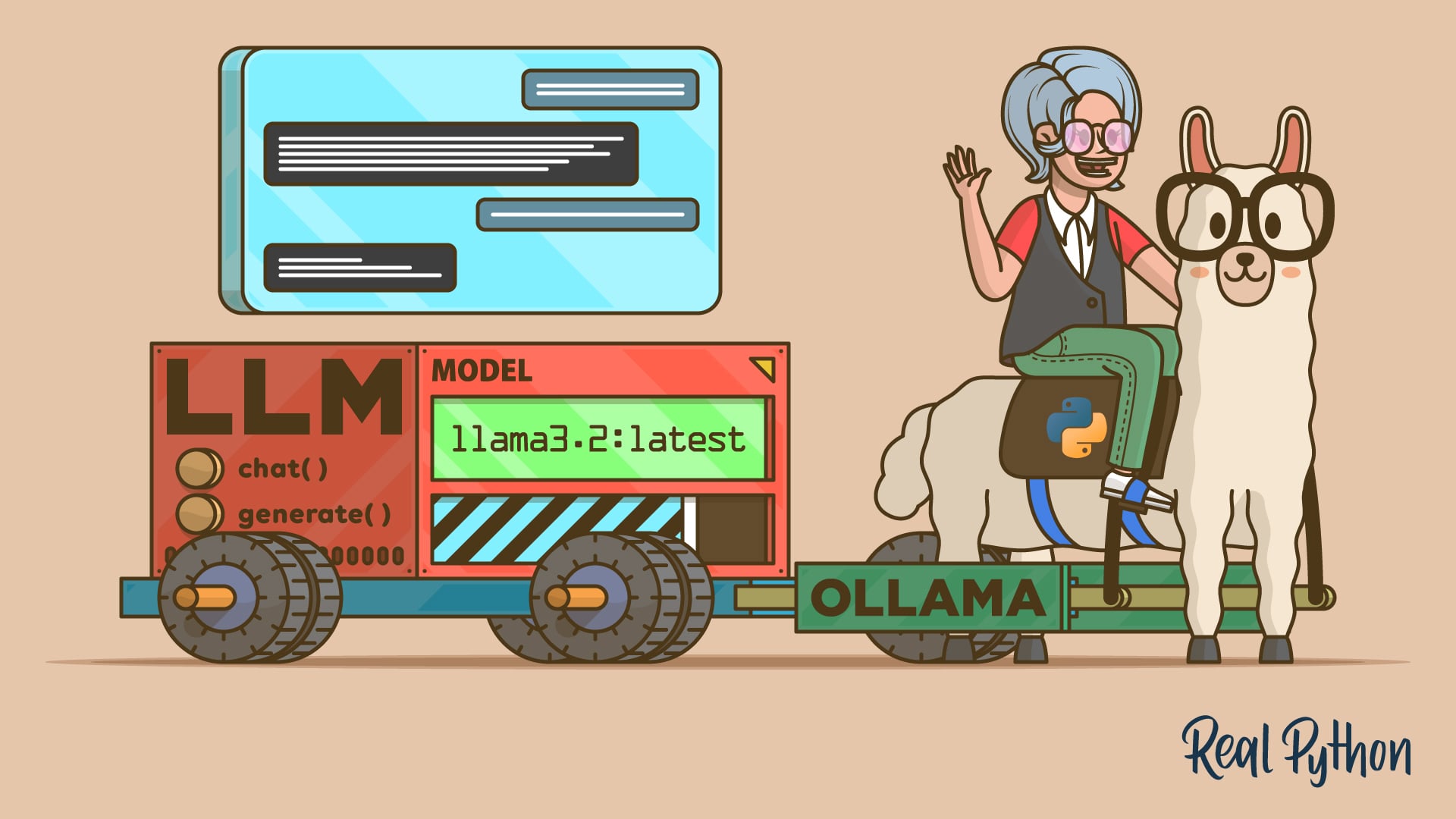
We cover a recent Real Python step-by-step tutorial on installing local LLMs with Ollama and connecting them to Python. It begins by outlining the advantages this strategy offers, including reducing costs, improving privacy, and enabling offline-capable AI-powered apps. We talk through the steps of setting things up, generating text and code, and calling tools. This episode is sponsored by Honeybadger.
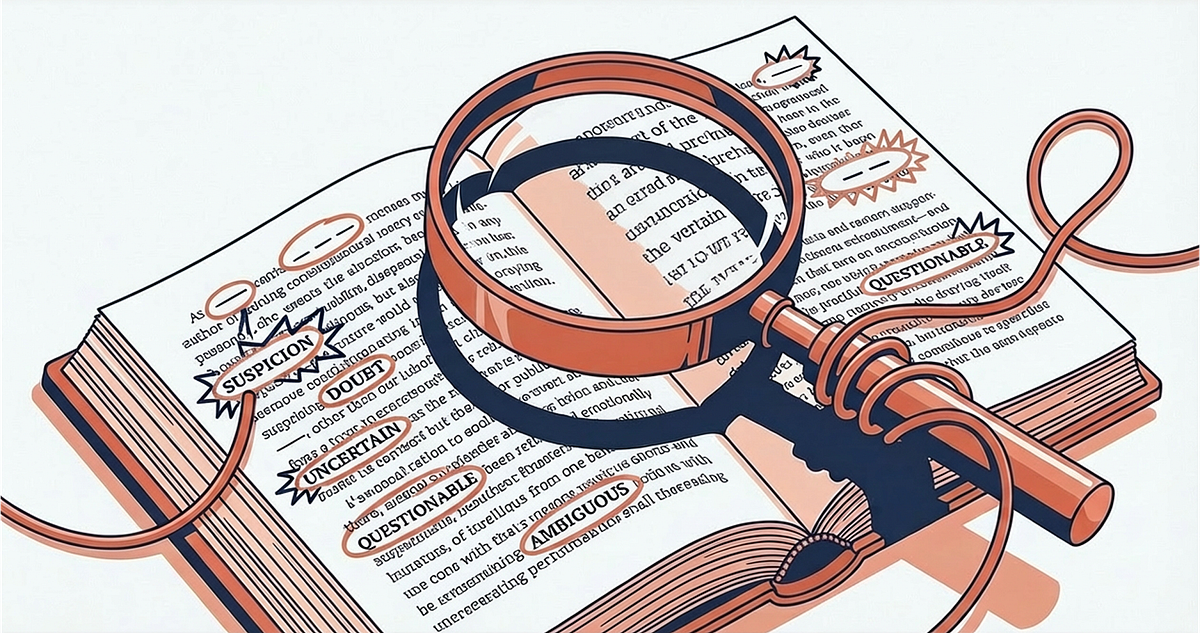
By comparing how AI models and humans map these words to numerical percentages, we uncovered significant gaps between humans and large language models. While the models do tend to agree with humans on extremes like 'impossible,' they diverge sharply on hedge words like 'maybe.' For example, a model might use the word 'likely' to represent an 80% probability, while a human reader assumes it means closer to 65%.
But tiny 30-person startup Arcee AI disagrees. The company just released a truly and permanently open (Apache license) general-purpose, foundation model called Trinity, and Arcee claims that at 400B parameters, it is among the largest open-source foundation models ever trained and released by a U.S. company. Arcee says Trinity compares to Meta's Llama 4 Maverick 400B, and Z.ai GLM-4.5, a high-performing open-source model from China's Tsinghua University, according to benchmark tests conducted using base models (very little post training).
The dataset was created by translating non-English content from the FineWeb2 corpus into English using Gemma3 27B, with the full data generation pipeline designed to be reproducible and publicly documented. The dataset is primarily intended to improve machine translation, particularly in the English→X direction, where performance remains weaker for many lower-resource languages. By starting from text originally written in non-English languages and translating it into English, FineTranslations provides large-scale parallel data suitable for fine-tuning existing translation models.
The new talk of the town is one where humans have no place a site called Moltbook that describes itself as a "social network for AI agents." The Reddit-styled site, launched in late January by US-based entrepreneur Matt Schlicht, is one where thousands of AI assistants talk to each other and discuss topics ranging from the technical to the philosophical.
A major difference between LLMs and LTMs is the type of data they're able to synthesize and use. LLMs use unstructured data-think text, social media posts, emails, etc. LTMs, on the other hand, can extract information or insights from structured data, which could be contained in tables, for instance. Since many enterprises rely on structured data, often contained in spreadsheets, to run their operations, LTMs could have an immediate use case for many organizations.