#london-canals
#london-canals
[ follow ]
fromwww.businessinsider.com
23 hours agoA woman lives in a 50-foot narrowboat she bought for around $40,000. It saves her over $1,000 each month.
"I saw this couple that bought a boat and lived in London and renovated it. They had the most amazing life because they were living a city life but with half the bills, basically."
Renovation
Photography
fromLondon Business News | Londonlovesbusiness.com
3 days agoCapturing connection: How to document your next London networking event - London Business News | Londonlovesbusiness.com
Collaborating with a professional event photographer is essential for capturing meaningful moments and enhancing brand storytelling through high-quality images.
London music
fromwww.theguardian.com
2 days agoCurated chaos': Danny Boyle on the pop culture spectacular' he's bringing to London's Southbank Centre
Danny Boyle's 'You Are Here' celebrates 75 years of youth culture with a one-day immersive event featuring 1,000 performers at London's Southbank Centre.
London startup
fromLondon Business News | Londonlovesbusiness.com
5 days agoNew London start-up connects freelancers and digital nomads - London Business News | Londonlovesbusiness.com
New freelancers in London can access webinars and meetups to navigate self-employment and build community connections.



fromTime Out London
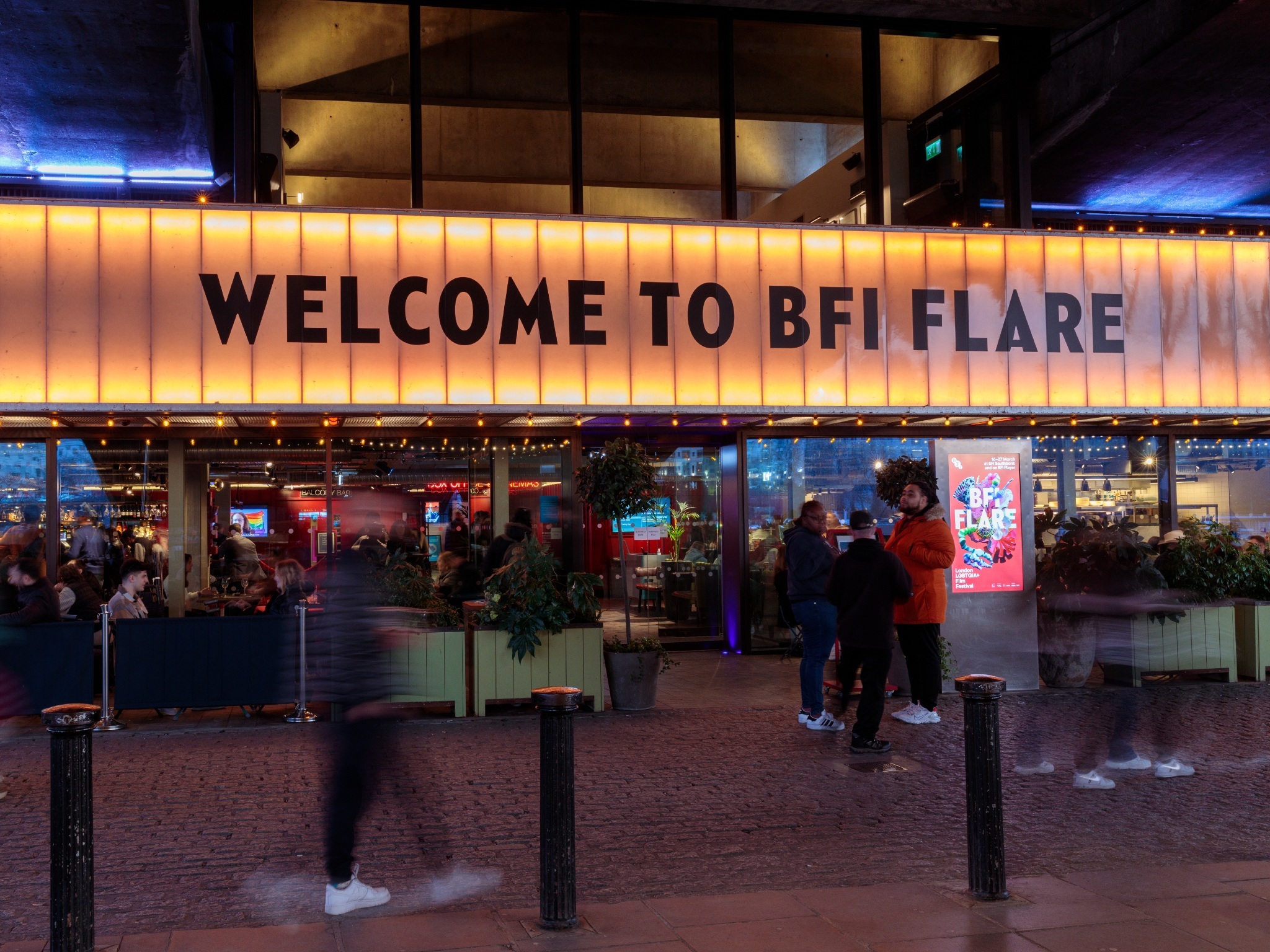
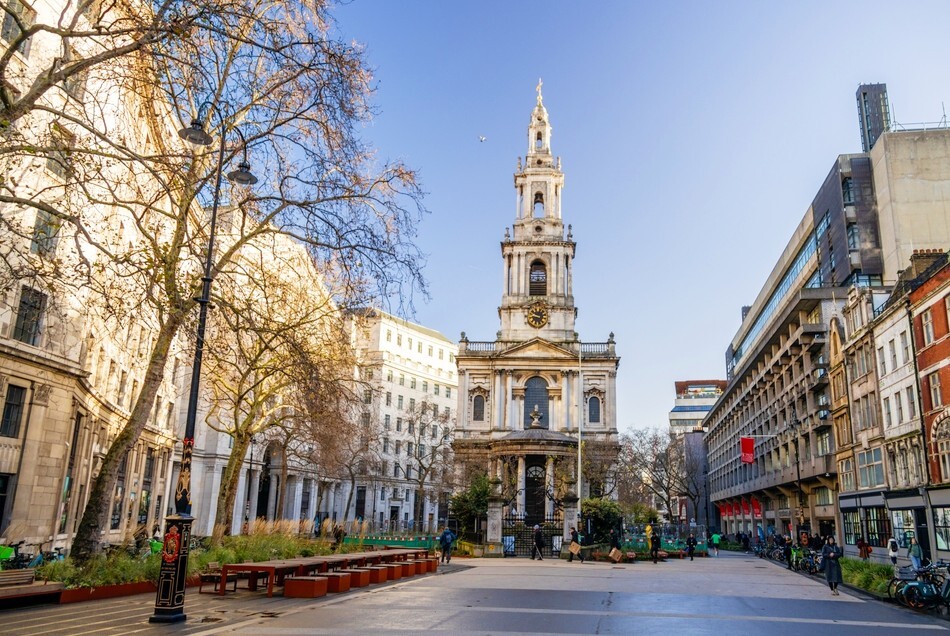
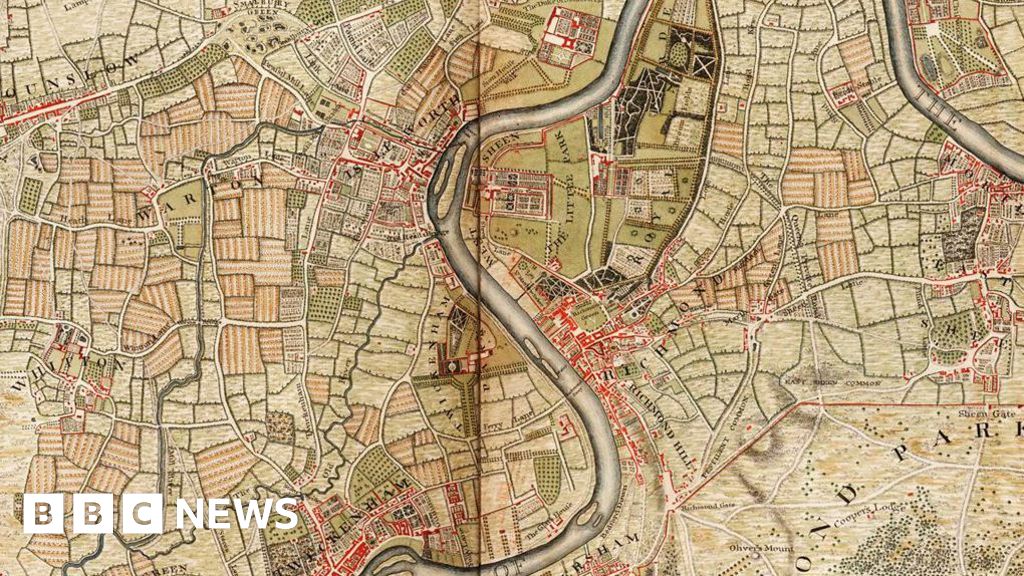
3 days agoThe 8 London pubs shortlisted in the 2026 National Pub & Bar Awards
The annual National Pub & Bar Awards nominees have just been announced, and eight London pubs have made the list of 252 pubs and bars across England, Wales, Scotland and Northern Ireland vying for pub supremacy.
London food
fromianVisits
5 days agoShh... future Crossrail 2 trains beneath Oxford Street expected to be library-quiet
The building, an office block with shops on the ground floor, is at the eastern end of Oxford Street, just north of Soho Square, and sits above the possible route of the Crossrail 2 railway, if/when it is eventually built.
London
London politics
fromLondon On The Inside
1 month agoNorth vs South London | Ten Reasons Why Each Side Is Better
North London claims superiority through Roman history, the Barbican, anti-fascist heritage, major protest movements, and superior underground transport infrastructure compared to South London.
fromianVisits
1 month agoRoyal Docks plans would add floating parkland and residential boat berths
The plans would affect an area known as Royal Victoria Dock West, which is the end closest to London City Hall and the Cable Car. If carried out, the two biggest changes will be a range of floating walkways reaching into the dock, lined with water plants. The other change will be the introduction of walkways on the south side of the dock for long-term residential boat moorings.
Real estate
fromianVisits
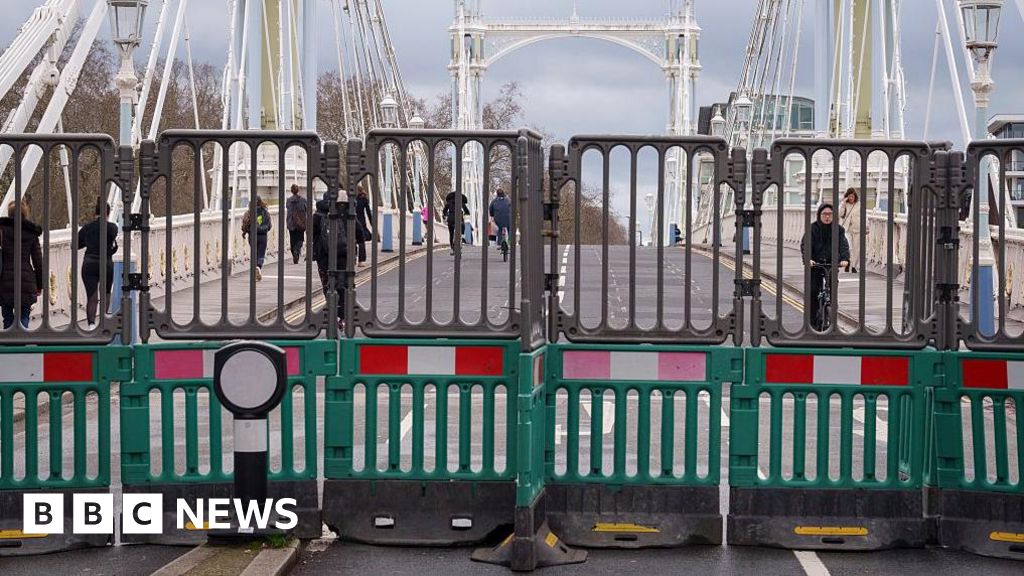
1 week agoTfL to unveil new tube station artwork exploring relationships with water
The artwork, called We Move Through Scales of Blue, will comprise four photographic pieces installed alongside the escalators at both stations. As people go up and down, the images appear to shift and change.
London
London food
fromTime Out London
2 weeks agoFrom after-hours tours of the National Gallery to the city's biggest Eid festival, here are the best free things to do in London
London offers numerous free spring activities including Irish cultural celebrations at Camden Market, football viewing events, and late-night gallery programming as the season officially begins.
fromLondon On The Inside
1 month agoExploring London's Hidden Gems: A Local's Guide to Secret Spots
London is a city that rewards curiosity. Beyond the iconic landmarks, Big Ben, Buckingham Palace, and the London Eye, lies a quieter, more intimate version of the capital. This is the London locals know: tucked-away streets, overlooked parks, independent cafés, and historic corners that rarely make it into guidebooks. For travellers willing to stray from the obvious routes, the city offers countless hidden gems that reveal its true character.
Travel
fromianVisits
2 months agoDredging the past: Hanwell's historic canal side ponds being repaired
Every time a boat passes through a canal lock, thousands of litres of water are released and must be replaced, usually from other sources. To reduce water loss, engineers sometimes build side ponds next to canals with several locks in succession. These side ponds allowed water to be "put aside" rather than lost. When a lock chamber was emptied to lower a boat to the next level, paddles were opened to divert the water into an adjacent side pond.
UK news
fromianVisits
1 month agoLondon's Alleys: Alderman Stairs, Wapping, E1
The story of this corner of London runs deep. The roots of settlement here stretch back to the 10th century, when King Edgar granted 13 acres of riverside land to 13 knights (yes, an acre per knight), with permission to use it for trading along he river. By 1125, there was already a dock at St Katharine's. Over the centuries, the area grew into a small but busy community, complete with a hospital, a monastery, a school, almshouses and its own court.
History

London
fromTime Out London
2 weeks agoLondoners, you can now decorate your homes with a new collection of iconic patterns from London transport history
Kirkby's 'Underground Vol. III' collection recreates eight archival London Transport seat designs from the 1910s-1990s as velvet moquette fabrics for home use.

fromianVisits
2 months agoLondon's Alleys: Ann's Place, Whitechapel, E1
This part of London sits just outside the historic City walls, so it attracted traders who wanted to avoid the strict rules binding City merchants. The land was later acquired by Thomas Wentworth, 1st Earl of Cleveland, who developed it, hence the main road being named Wentworth Street. If you're wondering about Ann's Place, that was probably after his wife, Anne Hopton.
History
London food
fromTime Out London
3 weeks agoFrom St Patrick's Day parades to fish finger wraps, these are the 6 best free things to do in London this weekend
London offers numerous free activities and events this weekend, including St Patrick's Day celebrations, art exhibitions, jazz performances, and food giveaways, allowing visitors to enjoy the city without significant spending.
fromTime Out London
2 months ago9 huge developments that will transform London in 2026
Our transport is always being upgraded to make travel smoother, our neighbourhoods are always getting new homes and community spaces, and fresh cultural offerings like restaurants and theatre shows are always popping up. So naturally, 2026 will be full of new openings. We've put together a list of all of the most exciting new projects set to alter London over the next 12 months.
London music
fromianVisits
2 months agoLondon Alleys: Buckingham Mews, Victoria, SW1
Despite its proximity to one of London's busiest tourist attractions, its back street location is remarkably quiet and peaceful. Leading off Stafford Place, it was originally, and unsurprisingly, called Stafford Mews, as it was built as stabling for houses on Buckingham Gate, facing the palace. Constructed around 1860, the stables were simple two-storey houses, built initially with stables at the ground and accommodation above.
Real estate
fromianVisits
1 month agoLondon's Alleys: Ship Tavern Passage, City of London, EC3
The alley likely came into existence when the first Leadenhall Market, as a market for herbs, opened, with a long passage leading from the market to Gracechurch Street. The alley used to be longer and straighter, but the eastern half was cut off when a building was constructed on the site. That building was demolished in 2000, and archaeologists researched it for Roman remains in 2002.
London
fromianVisits
1 month agoLondon's Alleys: Martin Lane, City of London, EC4
For most of its life, the alley's main feature was the church of St Martin Orgar, possibly named after Ordgarus, a Dane who donated the church to the canons of St Paul's. Sadly, most of the church was destroyed during the Great Fire of London. The badly damaged remains were restored and used by French Protestants right up to 1820.
London
[ Load more ]