#loneliness
#loneliness
[ follow ]
#mental-health #friendship #social-connection #relationships #psychology #public-health #social-isolation
Relationships
fromSilicon Canals
13 hours agoThe people who are best at hiding unhappiness aren't the stoic ones or the quiet ones - they're the ones who became so skilled at giving everyone around them exactly enough warmth to never be looked at too closely - Silicon Canals
People often hide their struggles behind a facade of warmth, leading to loneliness despite appearing thriving.
#social-isolation
Mental health
fromSilicon Canals
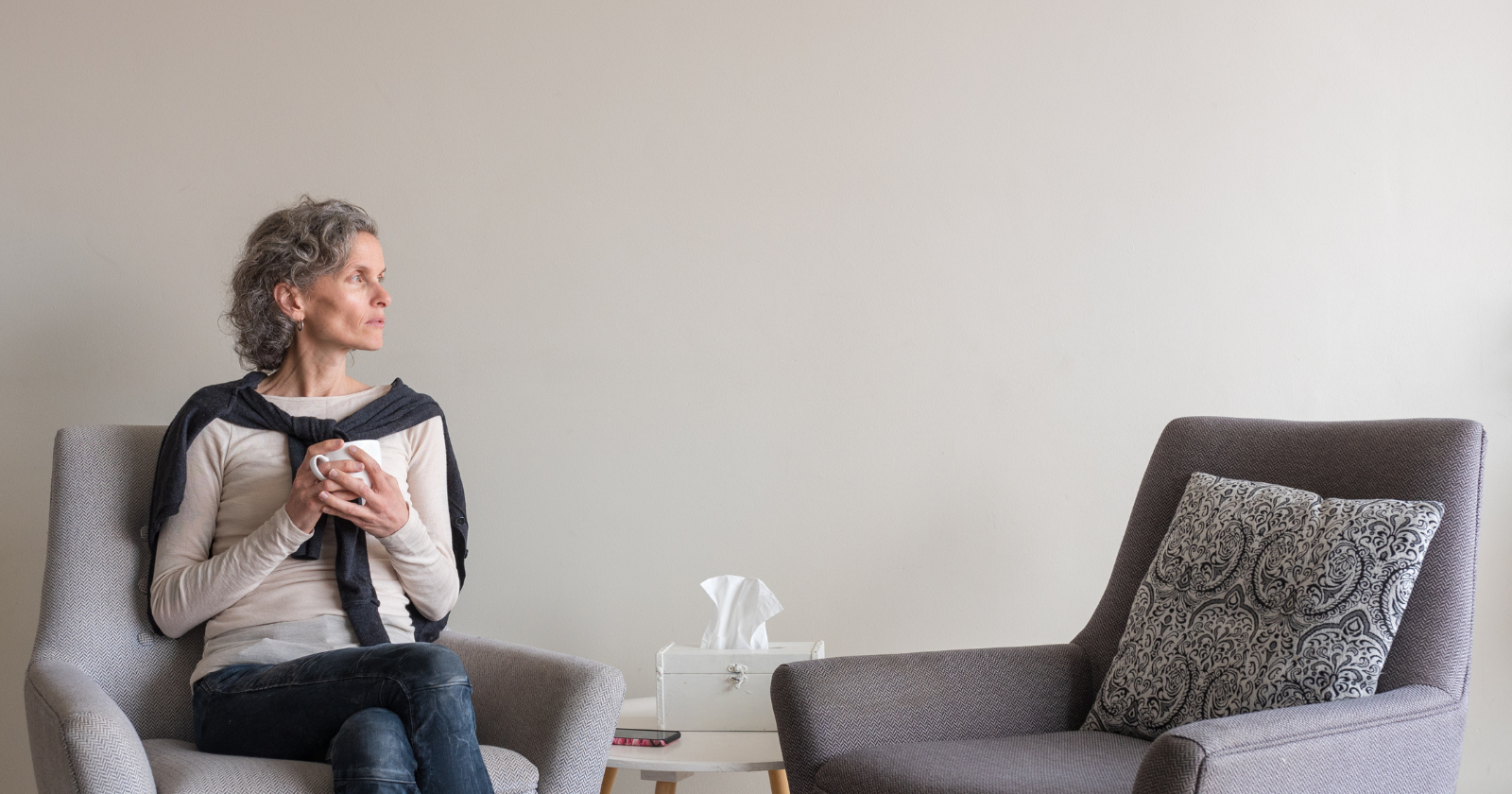
19 hours agoPsychology says the loneliness that arrives after 65 isn't an inevitable feature of aging - it's the accumulated result of every friendship that was allowed to thin, every phone call that was delayed, every invitation that wasn't extended, compounded quietly over decades until the social life that once maintained itself without effort requires more effort than it has ever required and more energy than is currently available - Silicon Canals
Loneliness often stems from a series of small decisions that weaken social connections over time.
Psychology
fromSilicon Canals
21 hours agoPsychology says people who are nice on the surface but have no close friends aren't lonely because nobody wants them - they're lonely because the version of them that everyone wants is not the version that needs anything, and a self that never needs anything is a self that nobody ever gets close enough to actually know - Silicon Canals
Being nice can lead to emotional isolation and a lack of true connection with others.
Mental health
fromSilicon Canals
1 day agoThere is a particular loneliness in being a man whose body never matched the archetype he was taught to aspire to. Not because anyone was cruel about it, but because the world built its furniture, its expectations, and its respect around a size he would never reach. - Silicon Canals
Body image issues in men stem from societal expectations and architectural norms, leading to a profound, often unacknowledged loneliness.
Relationships
fromSilicon Canals
1 day agoThe most painful version of not belonging isn't being rejected by strangers. It's sitting at your own family's dinner table, surrounded by people who share your last name, and feeling like you're watching the evening through glass. - Silicon Canals
Belonging can exist alongside profound loneliness, where one feels unseen even in the presence of family and friends.
#self-sufficiency
Psychology
fromSilicon Canals
1 day agoPsychology says the loneliest people in life aren't the ones nobody likes - they're the kind, helpful people everyone appreciates but nobody thinks to check on because they seem so self-sufficient - Silicon Canals
Highly capable, helpful individuals often feel lonely because their strength creates an illusion that they do not need support.

#retirement
Relationships
fromSilicon Canals
1 day agoI retired at 64 with a generous pension and a calendar full of plans - and by month three I was staring at my phone realizing I had nobody to call just to talk, not because I needed something - Silicon Canals
Retirement can lead to unexpected loneliness and a realization of the lack of genuine friendships built outside of work.


Relationships
fromSilicon Canals
1 day agoI retired at 64 with a generous pension and a calendar full of plans - and by month three I was staring at my phone realizing I had nobody to call just to talk, not because I needed something - Silicon Canals
Retirement can lead to unexpected loneliness and a realization of the lack of genuine friendships built outside of work.
#friendship

Relationships
fromPsychology Today
2 days agoHow to Cultivate Adult Friendships
Negative beliefs about rejection hinder relationship building, while consistent interactions and practicing social skills foster connections and reduce anxiety.
fromSilicon Canals
2 weeks agoRelationships
Adults who reach their 60s without close friends aren't the ones who couldn't maintain connection - they're often the ones who maintained every connection single-handedly for decades until the effort of always being the one who calls, always being the one who remembers, always being the one who shows up became heavier than the loneliness of letting it all go - Silicon Canals
Mental health
fromSilicon Canals
2 weeks agoResearch says the health consequences of having no close friends are not metaphorical - the immune system is measurably weaker, the cognitive decline measurably faster, and the recovery from illness measurably slower, which means the body is not waiting for a person to feel lonely before it starts responding to the fact that they are - Silicon Canals
Friendships are crucial for health; loneliness has measurable physical effects on the body, impacting immune response and increasing disease risk.

fromSilicon Canals
2 weeks agoPsychology
Psychology says people who are extremely kind but have no close friends aren't socially inept - they're operating with a version of kindness that prioritizes other people's comfort so completely that it never creates the vulnerability required for actual friendship - Silicon Canals

Relationships
fromSilicon Canals
2 weeks agoAdults who reach their 60s without close friends aren't the ones who couldn't maintain connection - they're often the ones who maintained every connection single-handedly for decades until the effort of always being the one who calls, always being the one who remembers, always being the one who shows up became heavier than the loneliness of letting it all go - Silicon Canals
Friendships require mutual effort; imbalance can lead to loneliness without realization.
Mental health
fromSilicon Canals
2 weeks agoResearch says the health consequences of having no close friends are not metaphorical - the immune system is measurably weaker, the cognitive decline measurably faster, and the recovery from illness measurably slower, which means the body is not waiting for a person to feel lonely before it starts responding to the fact that they are - Silicon Canals
Friendships are crucial for health; loneliness has measurable physical effects on the body, impacting immune response and increasing disease risk.
Psychology
fromSilicon Canals
2 weeks agoPsychology says people who are extremely kind but have no close friends aren't socially inept - they're operating with a version of kindness that prioritizes other people's comfort so completely that it never creates the vulnerability required for actual friendship - Silicon Canals
Vulnerability is essential for developing close friendships, yet many kind individuals struggle to initiate self-disclosure.
Mental health
fromSilicon Canals
3 days agoThe loneliest people at the party are often the ones everybody knows - they've become so reliable at reflecting others back to themselves that nobody ever thinks to ask what's actually happening behind their eyes - Silicon Canals
Being the social mirror for others can lead to feelings of loneliness and invisibility, despite appearing socially connected.
Writing
fromSilicon Canals
3 days agoI'm 66 and the loneliest I've ever felt wasn't after my children left or my friends moved away - it was the morning I woke up and realized I had nothing that needed me, nothing that depended on my showing up, and the whole day stretched ahead like a road with no destination - Silicon Canals
Loneliness can stem from feeling unnecessary, not just from being alone.
#social-connection
Mental health
fromSilicon Canals
1 week agoThe loneliest people aren't those who lack social skills - they're the ones whose social skills are mismatched to their environment, like someone fluent in a language nobody around them speaks, which is why they can feel completely isolated in a room full of people - Silicon Canals
Loneliness can affect anyone, even those with good social skills, highlighting the importance of meaningful connections over mere social interaction.
Psychology
fromSilicon Canals
4 days agoPsychology says the people who actually escape loneliness don't do it by finding more people - they do it by finally dropping the version of themselves that made real connection impossible in the first place - Silicon Canals
Loneliness stems from a lack of genuine connection, not merely from being alone or having many acquaintances.
Relationships
fromSilicon Canals
5 days agoThere's a specific kind of loneliness that hits hardest at 35. Not the loneliness of being alone on a Friday night, but of realizing you could disappear for a week and the only people who'd notice are the ones who need something from you. - Silicon Canals
Loneliness can peak in mid-thirties, often unnoticed despite a busy life.
Mental health
fromSilicon Canals
5 days agoIntroverts often don't realize it but psychology says the way they experience loneliness is fundamentally different from most people - they rarely feel it from being alone, they feel it most in groups where the conversation never drops below surface level - Silicon Canals
Loneliness for introverts often stems from unsatisfying social interactions rather than solitude, highlighting the need for meaningful connections.
Psychology
fromSilicon Canals
1 week agoWhy the loneliest people in a room are rarely the quiet ones in the corner - they're the ones making everyone laugh, because humor became their way of being near people without ever having to be seen by them - Silicon Canals
Humor serves as a tool for lonely individuals to manage emotional distance in social interactions.
Psychology
fromSilicon Canals
1 week agoThere's a specific kind of loneliness that belongs to people who are funny in groups but completely unreachable one-on-one, and it's the loneliness of having learned that performance is safer than proximity - Silicon Canals
Affiliative humor fosters connection but can prevent deeper intimacy, leading to a specific kind of loneliness for those who rely on it.
Relationships
fromSilicon Canals
1 week agoPeople who were always the strong one in the family often become the loneliest person in the room after 65. Every link must be real and accurate - Silicon Canals
Being the strong one in a family can lead to profound loneliness in later life due to a lack of emotional reciprocity.
#aging
Psychology
fromSilicon Canals
1 week agoPsychology says people who become lonelier as they get older aren't losing social skills - they're losing patience for superficial connection, and the loneliness is the price they pay for refusing to settle for relationships that don't actually feed them - Silicon Canals
Older adults may have fewer friends by choice, prioritizing meaningful relationships over quantity, which can lead to feelings of loneliness.
Psychology
fromSilicon Canals
1 week agoPsychology says people who reach their 60s without a large circle of friends aren't lonely - they're the ones who figured out the one relationship truth that emotionally intelligent people swear by, which is that one person who truly sees you is worth more than a hundred people who only know your name - Silicon Canals
Aging often leads to fewer but deeper friendships, resulting in better well-being rather than increased loneliness.

Psychology
fromSilicon Canals
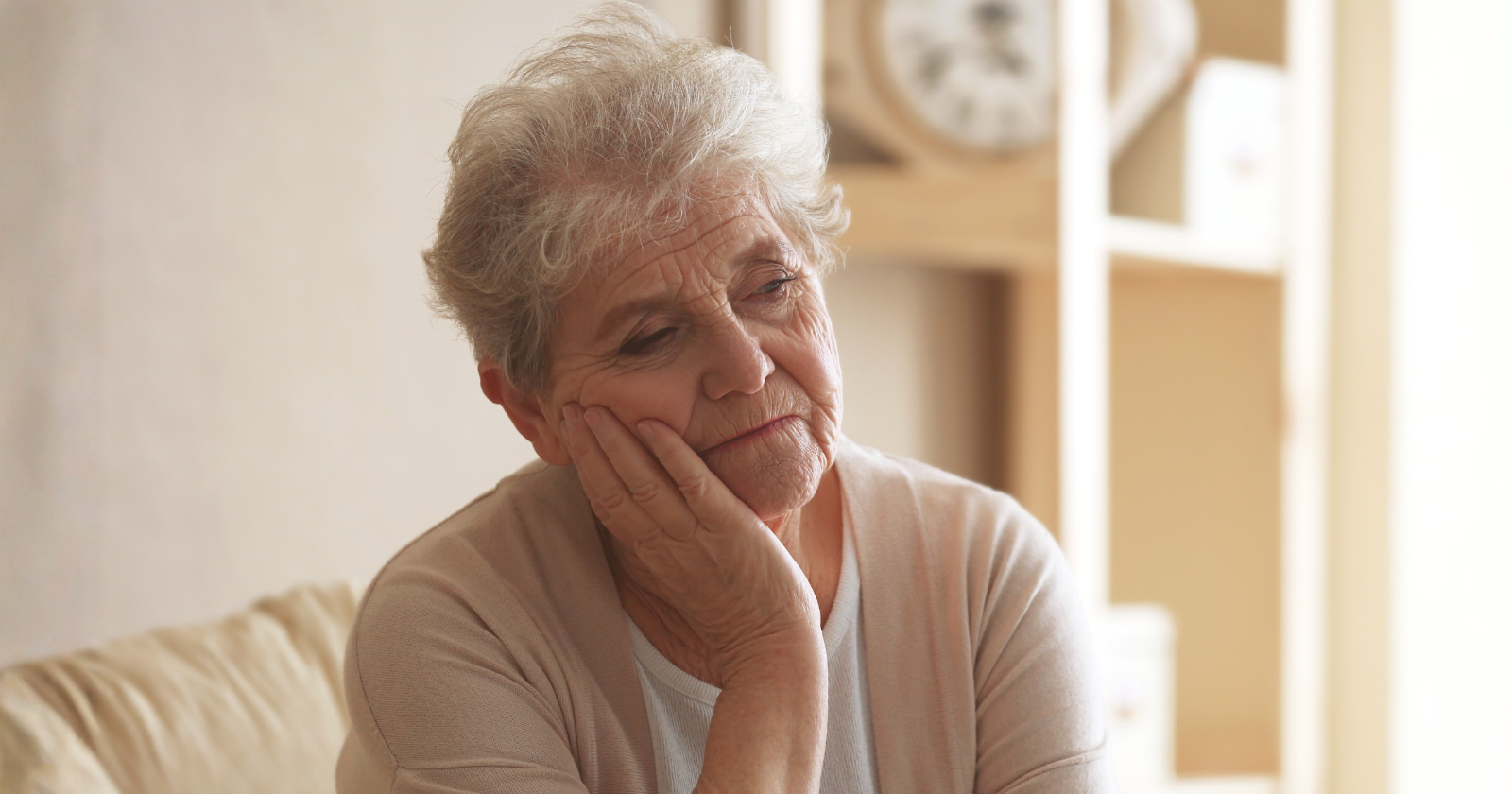
1 week agoPsychology says people who become lonelier as they get older aren't losing social skills - they're losing patience for superficial connection, and the loneliness is the price they pay for refusing to settle for relationships that don't actually feed them - Silicon Canals
Older adults may have fewer friends by choice, prioritizing meaningful relationships over quantity, which can lead to feelings of loneliness.
Psychology
fromSilicon Canals
1 week agoPsychology says people who reach their 60s without a large circle of friends aren't lonely - they're the ones who figured out the one relationship truth that emotionally intelligent people swear by, which is that one person who truly sees you is worth more than a hundred people who only know your name - Silicon Canals
Aging often leads to fewer but deeper friendships, resulting in better well-being rather than increased loneliness.
#relationships
Relationships
fromSilicon Canals
1 week agoBehavioral scientists found that loneliness at 25 and loneliness at 75 share the same core feeling - the belief that you've become optional to the people you thought were permanent, and that realization hits identically whether you're scrolling Instagram in a studio apartment or sitting in a paid-off house watching your phone not ring - Silicon Canals
Loneliness at different ages stems from feeling optional to once-essential relationships.
Relationships
fromSilicon Canals
2 weeks agoQuote by Robin Williams: "I used to think that the worst thing in life was to end up alone. It's not. The worst thing in life is to end up with people who make you feel alone" - Silicon Canals
Loneliness can occur even in relationships where one feels invisible despite being surrounded by others.
Relationships
fromSilicon Canals
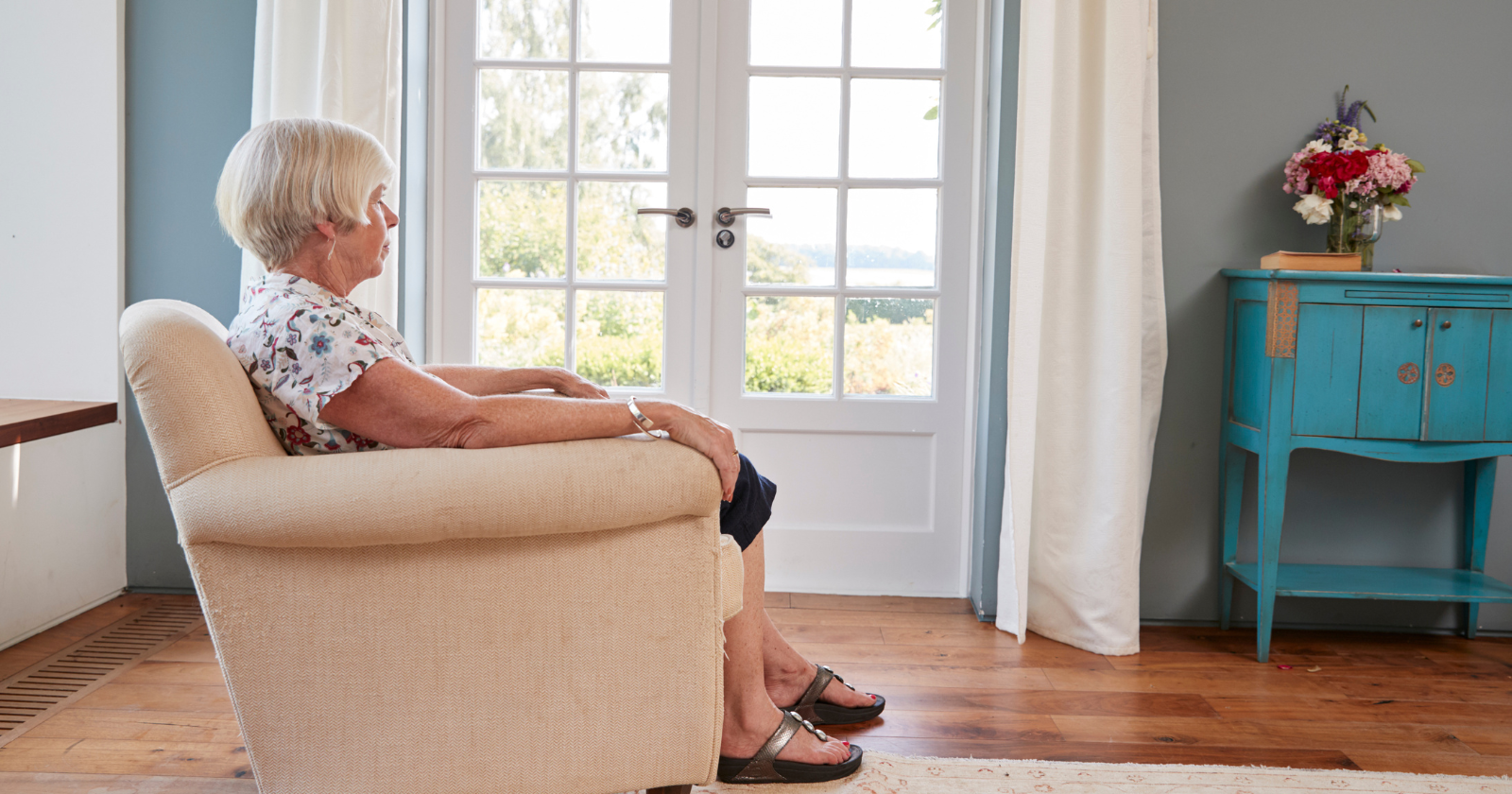
1 week agoBehavioral scientists found that loneliness at 25 and loneliness at 75 share the same core feeling - the belief that you've become optional to the people you thought were permanent, and that realization hits identically whether you're scrolling Instagram in a studio apartment or sitting in a paid-off house watching your phone not ring - Silicon Canals
Loneliness at different ages stems from feeling optional to once-essential relationships.
Relationships
fromSilicon Canals
2 weeks agoQuote by Robin Williams: "I used to think that the worst thing in life was to end up alone. It's not. The worst thing in life is to end up with people who make you feel alone" - Silicon Canals
Loneliness can occur even in relationships where one feels invisible despite being surrounded by others.
#grief
Mental health
fromSilicon Canals
1 week agoNobody warns you that grief and loneliness are two different animals that hunt together. Grief takes the person. Loneliness takes every small moment you used to share with them and leaves you standing in the kitchen holding two coffee cups out of habit, morning after morning, until you teach yourself to reach for one. - Silicon Canals
Grief and loneliness are distinct experiences that affect individuals differently, with grief being a communal event and loneliness a persistent absence.

Mental health
fromSilicon Canals
1 week agoNobody warns you that grief and loneliness are two different animals that hunt together. Grief takes the person. Loneliness takes every small moment you used to share with them and leaves you standing in the kitchen holding two coffee cups out of habit, morning after morning, until you teach yourself to reach for one. - Silicon Canals
Grief and loneliness are distinct experiences that affect individuals differently, with grief being a communal event and loneliness a persistent absence.
#solitude
Mindfulness
fromSilicon Canals
1 week agoThere's a version of solitude that belongs to people who spent decades being everything to everyone - and the peace they find in retirement isn't loneliness, it's recovery. Every link must be real and accurate - Silicon Canals
Retirement solitude can be a recovery of self rather than loneliness, offering peace and clarity for many.

Mindfulness
fromSilicon Canals
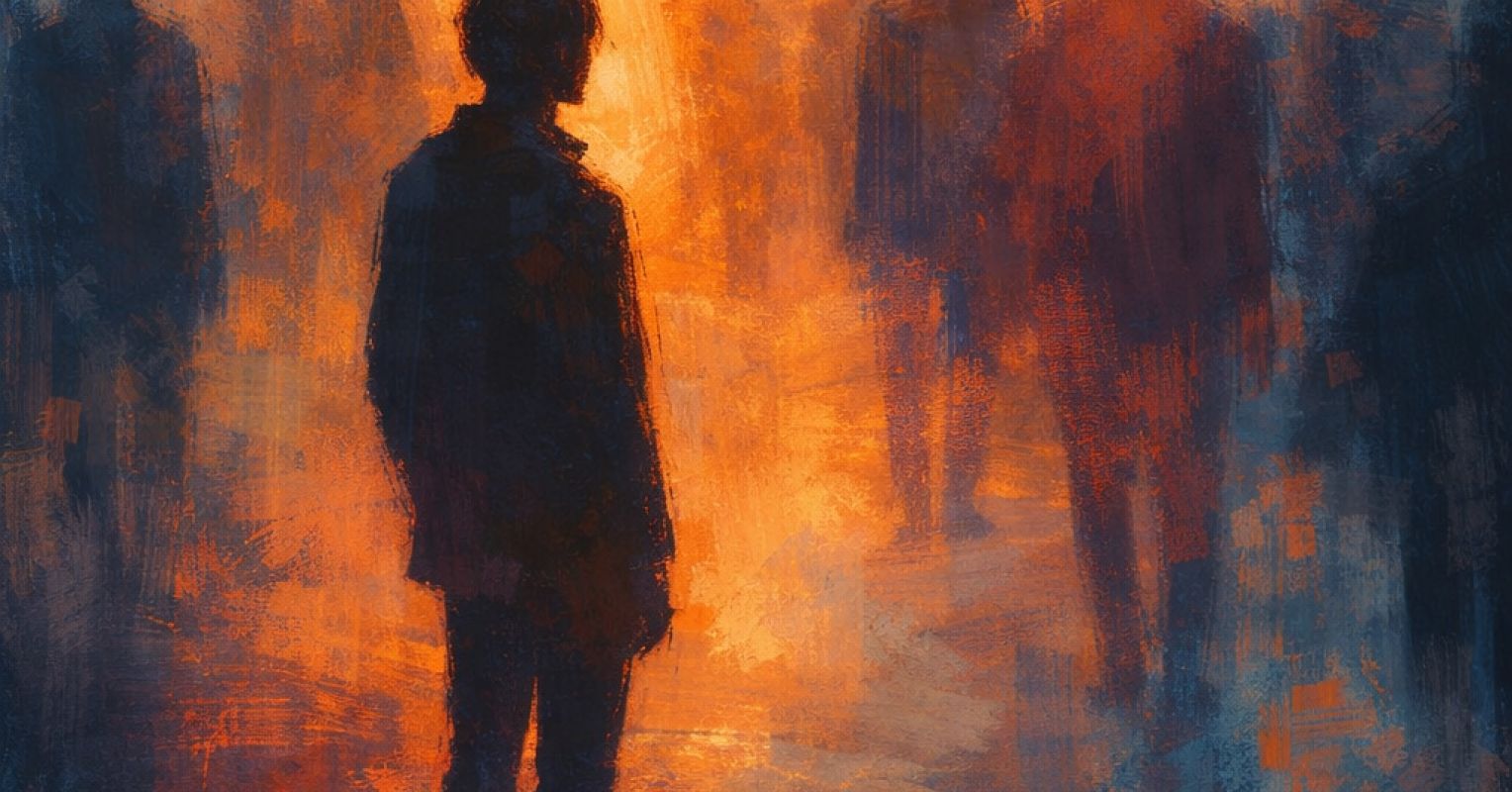
1 week agoThere's a version of solitude that belongs to people who spent decades being everything to everyone - and the peace they find in retirement isn't loneliness, it's recovery. Every link must be real and accurate - Silicon Canals
Retirement solitude can be a recovery of self rather than loneliness, offering peace and clarity for many.
Relationships
fromSilicon Canals
1 week agoThe loneliest generation in history isn't the one glued to their phones. It's the one that raised everyone, worked without complaint, retired without ceremony, and is now sitting in houses that used to be full of noise wondering when the silence became permanent. - Silicon Canals
Many older adults experience profound loneliness due to a lifetime of valuing independence and self-sufficiency over connection.
Mental health
fromSilicon Canals
1 week agoPeople born between 1945 and 1965 were raised in a culture where needing people was weakness, asking for help was failure, and independence was the highest virtue. Now they're the most isolated generation in modern history and the very traits that made them survivors are the ones keeping them alone. - Silicon Canals
Loneliness affects older generations more than commonly believed, as societal norms discourage emotional expression and connection.
Mental health
fromSilicon Canals
2 weeks agoI'm 37 and I realized last month that I have two hundred contacts in my phone and not a single person I could call at 2 AM without feeling like I was being a burden - and that math broke something in me - Silicon Canals
Social connections can be numerous yet lack depth, leading to feelings of isolation despite being socially active.
Psychology
fromSilicon Canals
2 weeks agoThere's a version of loneliness that belongs to people who moved far from where they grew up and built a beautiful life somewhere new, only to realize that nobody in their current world knew who they were before. And sometimes being fully known matters more than being fully comfortable. - Silicon Canals
Loneliness can stem from not being known, even in social environments full of warmth and connection.
Psychology
fromSilicon Canals
2 weeks agoPsychology says the loneliest part of high intelligence isn't being misunderstood - it's watching people you care about make decisions you can see will hurt them and knowing that explaining why won't help because the gap isn't in information, it's in how you process consequences six moves ahead while they're still on move one - Silicon Canals
Intelligence involves not just knowledge but the ability to foresee consequences, creating a gap that can lead to loneliness.

#midlife-crisis
Mental health
fromSilicon Canals
2 weeks agoThere's a version of loneliness that only hits in your 40s where you look at the life you built and realize every single room in it was designed for someone else's comfort. The house is full. You're the one who's missing. - Silicon Canals
Midlife loneliness often stems from neglecting one's own life while focusing on others, rather than from losing connections.

Mental health
fromSilicon Canals
2 weeks agoThere's a version of loneliness that only hits in your 40s where you look at the life you built and realize every single room in it was designed for someone else's comfort. The house is full. You're the one who's missing. - Silicon Canals
Midlife loneliness often stems from neglecting one's own life while focusing on others, rather than from losing connections.
Psychology
fromSilicon Canals
3 weeks agoIf a person in their forties says they prefer being alone, listen carefully to whether they said it with peace or with rehearsal, because one is a preference and the other is a script they wrote to survive a loneliness they stopped fighting years ago - Silicon Canals
Middle-aged loneliness often manifests as performed preference for solitude, distinguishable from genuine contentment with being alone through speech patterns and emotional authenticity.
Mental health
fromSilicon Canals
1 month agoNeuroscience is beginning to explain why people who spend their workday on video calls feel a specific kind of loneliness that is different from actual isolation - Silicon Canals
Loneliness stems from absent felt connection, a neurological event, not proximity; video calls create appearance of connection while failing to deliver neural synchrony required for genuine social bonding.
fromSilicon Canals
1 month agoThere is a specific kind of loneliness that comes from being surrounded by people who only know the version of you that keeps everything together - Silicon Canals
The better you are at managing your emotions, the less emotional support people offer you. It's not cruelty. It's perceptual bias. People take your composure at face value because it's efficient for them to do so. A study published in the Journal of Personality and Social Psychology found that people consistently underestimate the emotional needs of those they perceive as high copers.
Psychology



fromSilicon Canals
1 month agoThere is a particular loneliness that comes from being surrounded by people who love you but don't understand you, and no amount of gratitude makes it go away - Silicon Canals
A landmark review published in Perspectives on Psychological Science by John Cacioppo and Stephanie Cacioppo found that loneliness is driven not by the quantity of social connections but by their perceived quality. You can be isolated and feel perfectly whole. You can be surrounded and feel utterly alone.
Mental health
Mental health
fromSilicon Canals
1 month agoThere is a specific kind of loneliness that only hits people who are surrounded by others but understood by none of them - Silicon Canals
Existential isolation—feeling fundamentally unseen despite social proximity—causes distress independent of social contact quantity and differs from traditional loneliness.
fromwww.theguardian.com
1 month agoAre dating apps giving people the ick? | Dave Schilling
Valentine's Day is mercifully behind us for another year, so we can all go back to not loving each other again. How wonderful it is to be freed of the burden of expressing our emotions in public. I didn't post a flowery declaration of devotion for my girlfriend on social media, and I kept expecting a flood of messages asking me if we'd broken up already. Such is the peer pressure of a holiday designed purely to justify our own self-worth.
Digital life
fromwww.theguardian.com
1 month agoIt helps with loneliness': grief, play and the power of lifelike dolls - photo essay
It's a doll, Ineke Schmelter, 71, often says as she walks down the street with a pram and someone peers fondly under the hood, asking: How old is the baby? Then she pulls back the blanket and reveals the doll. She points out the craftsmanship the little veins, the creases in the skin and explains that it can take as many as 20 layers of paint to achieve such a lifelike finish.
Arts
fromBusiness Insider
1 month agoMost of my kids have moved out of the house, except for my youngest. I'm worried she's lonely in our near-empty nest.
As the youngest of four, my daughter probably hasn't known a totally peaceful day since she arrived home from the hospital. She was the travel baby - waking up in her infant seat to discover she'd been carted to a school play, T-ball practice, or school pickup. She had built-in playmates right from the start, though, of course, they bickered and fought like any other siblings.
Relationships
fromFast Company
1 month agoThis new social network is designed specifically for neurodivergent adults
Can AI help neurodivergent adults connect with each other? That's the bet of a new social network called Synchrony, which believes AI and a well-designed social network with the right safeguards can reduce social atomization and calm the overwhelming cacophony of socializing online.
Mental health
fromwww.theguardian.com
1 month agoYou think: Do I really need anyone?' the hidden burden of being a hyper-independent person
I took it upon myself to be that person in the hospital every single day chasing doctors, taking notes, making sure I understood why they were doing things. It was so stressful, she says, that at one point her hair started falling out, but she ploughed on. It was Jones's therapist who gently questioned whether she was going to ask for help. Jones laughs. The hair falling out didn't suggest to me that I needed help, it was somebody else looking in and saying that.
Mental health
fromenglish.elpais.com
1 month agoKiran Desai, the author who disappeared for 20 years: I think of loneliness as sustenance, as shame and as political fear'
She moved before the pandemic, when gentrification with its huge skyscrapers and condominiums forced her out of Dumbo, Brooklyn. Between the kitchen and the upstairs room, in one corner of which lie part of the 5,000 pages of notes she took while writing it, Desai finished The Loneliness of Sonia and Sunny, the monumental, 19thcenturystyle novel she has spent nearly two decades on.
Books
fromPsychology Today
1 month agoHave Boundaries Made Us Lonely?
Boundaries have become part of our social understanding in recent years-the importance of setting boundaries has been the focus of many social media posts, books, podcasts, and blog posts right here on Psychology Today. And of course, boundaries are important-they delineate the separation between what is us and what is ours to manage and what belongs to someone else and is theirs to manage. As Prentis Hemphill said, "Boundaries are the distance I can love you and me simultaneously." Boundaries keep us safe.
Public health
fromSilicon Canals
1 month agoWhy making friends after 50 feels impossible when it was effortless in your 20s - Silicon Canals
Now fast forward to your fifties. You've just moved to a new neighborhood, or maybe you're trying to expand your social circle after years of focusing on career and family. You put yourself out there, join a book club, strike up conversations at the gym. But somehow, those easy connections that once felt automatic now feel like pushing a boulder uphill.
Relationships
fromSilicon Canals
1 month agoStruggling with loneliness? Psychology says these 8 behaviors might be why - Silicon Canals
Loneliness has this sneaky way of making you feel like you're the only one experiencing it, doesn't it? I'll admit something: There have been nights when I've scrolled through my contacts, realizing I had no one I felt comfortable calling just to talk. Not because I don't know people, but because somewhere along the way, I'd built walls without even realizing it.
Psychology
fromWIRED
1 month agoAn 'Intimacy Crisis' Is Driving the Dating Divide
In the US, nearly half of adults are single. A quarter of men suffer from loneliness. Rates of depression are on the rise. And one in four Gen Z adults-the so-called kinkiest generation, according to one study -have never had partnered sex. In an age of endless connection, where hooking up happens with the ease of a swipe and nontraditional relationship structures like polyamory are celebrated, why are people seemingly so disconnected and alone?
Science
Mental health
fromSilicon Canals
2 months agoThe real reason you feel completely alone in a room full of your own family has nothing to do with them and everything to do with these 6 things you've never said out loud - Silicon Canals
Hiding fears and curated personas from family creates an authenticity gap that produces loneliness; sharing true struggles and vulnerabilities can bridge connection.
fromBusiness Insider
2 months agoI moved from New York City to Charlotte for a better quality of life. I didn't expect to feel so lonely.
After two years of living in New York City, I realized that, although I loved life in the Big Apple, I wasn't fond of the exorbitant cost of living. My days in the city were busy - think last-minute Broadway tickets, venturing out to Brooklyn for my photojournalism class, and bottomless brunches that turned into all-day affairs. Still, I found that leaving my apartment was costly, and I knew I needed a change.
Mental health
fromSilicon Canals
2 months agoThe psychological impact of having no close friends is real: Studies show it significantly shortens your lifespan - Silicon Canals
Recent research reveals that chronic loneliness increases premature death risk by 26%, putting it on par with obesity. That's not hyperbole or clickbait. That's cold, hard science telling us that our friendless existence might be shortening our lives more than we ever imagined.
Public health
fromPsychology Today
2 months agoHow to Effectively Reduce Feelings of Loneliness
It is estimated that between one-third and half of the U.S. adult population experiences loneliness. In extremes, loneliness can lead to mental health problems (e.g., depression, suicidal ideation) and even impact physical health. The most vulnerable group is young adults, although children also experience loneliness. What Are the Treatments for Loneliness? There are a number of psychological interventions for those experiencing loneliness. For example, Cognitive-Behavioral Therapy helps individuals rethink and reframe how they think about and approach social interactions.
Mental health
fromAol
2 months agoAfter years of traveling full-time, the lifestyle caught up to me. I quit to find a home base, and couldn't be happier.
I thrive in unfamiliar environments and get a kick out of last-minute plans and spontaneous adventures. So, it's hardly surprising I became an almost-accidental "digital nomad" - a term I've always found incredibly cringe-inducing, for the record. By "accidental," I mean it happened gradually. From weekend trips from London to Marrakech and Marseille, to a month in Barcelona, and six weeks exploring Europe by train, the more I traveled, the more I wanted to see.
Digital life
fromMacon Telegraph
2 months agoSolving for burnout: 7 strategies to enhance workers' mental health and productivity in 2026
Loneliness and burnout-deeply interwined in the workplace-are hitting American workers (and companies) hard. In 2025, global healthcare firm Cigna found that over half of all employees surveyed felt lonely. Around 57% admitted to feeling unmotivated and stagnant, while two-thirds of full-time workers say they experience burnout on the job, according to a 2025 Gallup study. The financial toll is jaw-dropping. Harvard Business Review reports that loneliness costs U.S. companies up to $154 billion annually through lost productivity, increased burnout, and employees resigning.
Mental health
fromAol
2 months agoSolving for burnout: 7 strategies to enhance workers' mental health and productivity in 2026
Loneliness and burnout-deeply interwined in the workplace -are hitting American workers (and companies) hard. In 2025, global healthcare firm Cigna found that over half of all employees surveyed felt lonely. Around 57% admitted to feeling unmotivated and stagnant, while two-thirds of full-time workers say they experience burnout on the job, according to a 2025 Gallup study. The financial toll is jaw-dropping. Harvard Business Review reports that loneliness costs U.S. companies up to $154 billion annually through lost productivity, increased burnout, and employees resigning.
Mental health
fromKALTBLUT Magazine
2 months agoGulu's Berlin Solo Debut: NIHILISTIC SUPERSTAR at Migrant Bird Space - KALTBLUT Magazine
As we traverse an era dominated by algorithms and driven by the impulse for efficiency, we increasingly sacrifice our ability to feel. In this "age of emotional poverty," highlighted by philosopher Byung-Chul Han, our emotional landscapes grow flatter, our pains diluted, and genuine intimacy replaced with a sterile digital façade. However, in Gulu's evocative imagery, the body emerges as a resilient space of resistance, pushing back against a world that demands we conform to neat, predictable narratives.
Photography
fromFast Company
2 months agoDisruptive innovation is key to building world-changing companies, but it needs a moral compass in the age of AI
At the Consumer Electronics Show in early January, Razer made waves by unveiling a small jar containing a holographic anime bot designed to accompany gamers not just during gameplay, but in daily life. The lava-lamp-turned-girlfriend is undeniably bizarre-but Razer's vision of constant, sometimes sexualized companionship is hardly an outlier in the AI market.
Gadgets
[ Load more ]