#longevity-market
#longevity-market
[ follow ]
#longevity #aging #ai #technology #venture-capital #biotechnology #artificial-intelligence #biotech #healthcare

Fundraising
fromwww.businessinsider.com
6 hours agoI quit tech, bought 22 acres, and didn't look at my computer for years until AI brought me back
Ryan Courtnage transitioned from managing a donation platform to hands-on homesteading, finding fulfillment in physical work and a break from corporate life.
#artificial-intelligence
Artificial intelligence
fromYahoo Finance
1 day ago2 Top Oversold Tech Stocks to Buy Before They Soar
Companies are investing heavily in AI infrastructure, raising concerns about long-term profitability and impacting tech stock prices.

fromwww.cbc.ca
7 hours agoThese Ontario researchers are using virtual reality gaming to help older adults with dementia stay fit | CBC News
"For the ones who are confined in certain spaces or cannot do it independently, this is a great opportunity to transport them to a different reality from the ones that they are currently living in while keeping them active," Munoz told CBC Hamilton from his lab on Laurier's Brantford campus.
Medicine





fromwww.businessinsider.com
1 day agoMeta's CTO has some advice for college students wanting to work in tech: 'Constantly be building.'
You just have to immerse yourself in it. You should just constantly be building. That's what's going to give you the best chance of having the relevant skill set that is needed to make a difference in technology.
Education

#biotechnology
Silicon Valley
fromSilicon Canals
6 days agoSilicon Valley startup backed by Tim Draper pitches growing brainless human clones for organ harvesting and brain transplants - Silicon Canals
A Silicon Valley startup is developing brainless cloned human bodies for organ sourcing and potential brain transplants.
fromFortune
6 days agoPrivate equity is eying Asia's healthcare funding gap as countries get wealthier and older | Fortune
"Asia has more diabetes, cancer and cardiovascular patients than anywhere else in the world," Abrar Mir states, emphasizing the severity of the health crisis in the region.
Public health


fromFast Company
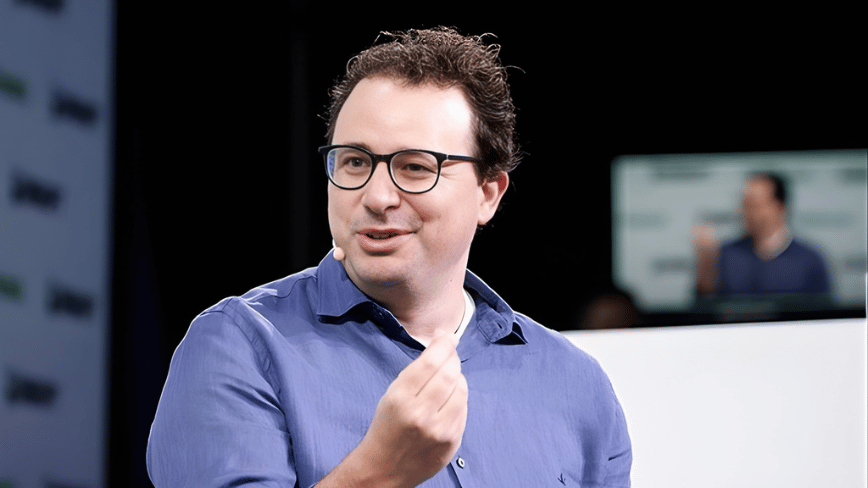
4 days agoChina is moving faster on next-gen tech. The U.S. is trying to keep up
In recent weeks, China approved the world's first commercial brain-computer interface medical device and unveiled a five-ton class electric vertical takeoff and landing aircraft that has already completed a public flight.
Science
#aging

fromSilicon Canals
1 week agoHealth
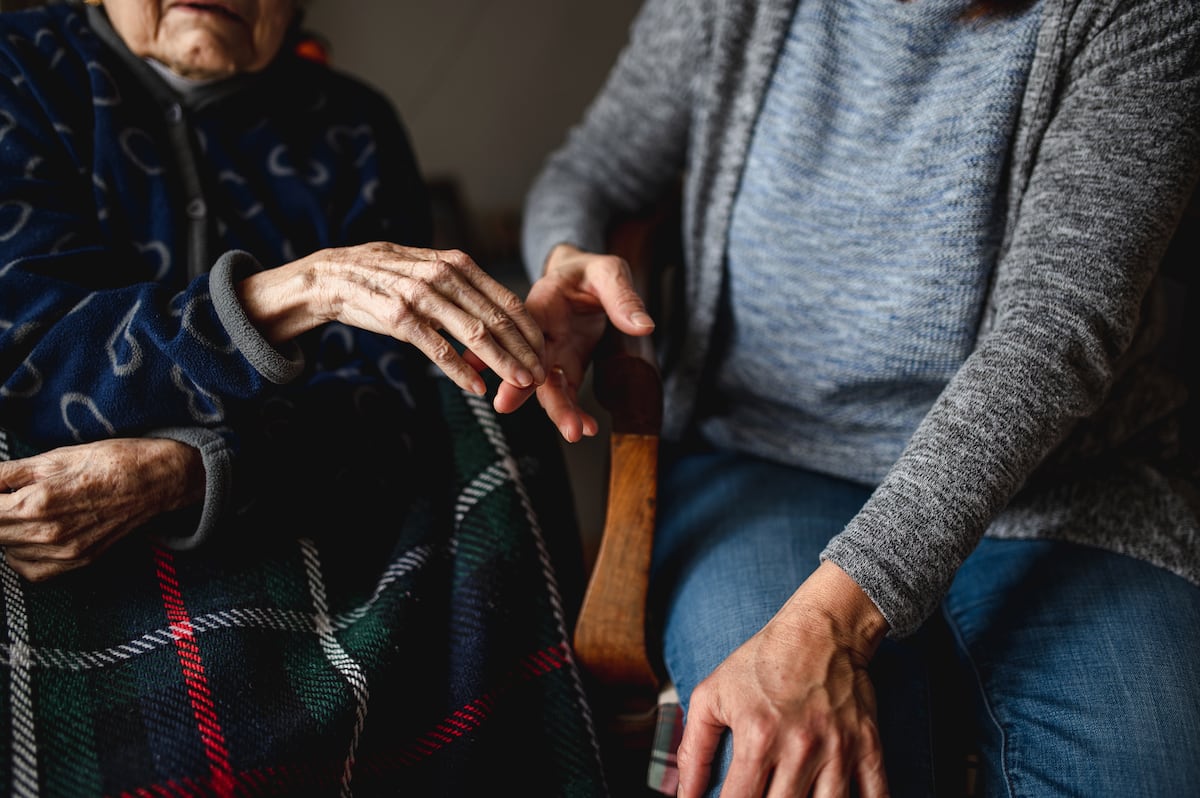
People who still look young in their 60s and 70s aren't fighting aging - they stopped doing the things that accelerate it, and the difference between those two approaches is the difference between swimming against a current and simply getting out of the water - Silicon Canals

Health
fromSilicon Canals
1 week agoPeople who still look young in their 60s and 70s aren't fighting aging - they stopped doing the things that accelerate it, and the difference between those two approaches is the difference between swimming against a current and simply getting out of the water - Silicon Canals
The biggest factor in aging is what we stop doing to ourselves, rather than what we add to our lives.
#multivitamins
Alternative medicine
fromwww.scientificamerican.com
3 weeks agoTaking a multivitamin could slow some signs of aging, new study suggests
A two-year multivitamin-multimineral study found modest slowing of biological aging markers by 1.5 to two months per year, though effects varied across different epigenetic clocks measured.
from24/7 Wall St.
4 days ago5 Biotechs That Big Pharma Could Snap Up as Oncology M&A Heats Up
Incyte tops this list due to its rare combination of commercial scale, cash generation, and pipeline depth. The company posted FY2025 revenue of $5.14 billion, up 21.2% YoY, anchored by Jakafi generating $828.2 million in Q4 2025 alone (+7% YoY) and Opzelura delivering $207.3 million (+28% YoY). With $3.58 billion in cash and 14 pivotal clinical trials underway, Incyte offers an acquirer immediate revenue, margin expansion potential, and a deep oncology pipeline spanning KRASG12D, CDK2 inhibition, and mutCALR.
Venture
fromNature
1 month agoDaily briefing: Stem-cell treatment strengthens people with age-related frailty
Researchers administered one of four doses of stem cells to 118 people between 70 and 85 years old, all of whom had frailty. In a timed walking test nine months after treatment, those who had received the highest dose could walk about 60 metres farther, on average, than they could before treatment.
Science
Science
fromNature
1 month agoBrains of 'super agers' are still strong producers of new neurons
Adults maintaining strong neuron production in the hippocampus demonstrate better memory and cognitive function than those with declining neurogenesis, particularly evident in super agers and absent in Alzheimer's patients.
Medicine
fromFortune
2 months agoAs billionaires chase immortality, this startup cofounded by a Harvard genetics professor gets FDA approval for the first partial de-aging human trial | Fortune
Life Biosciences won FDA approval for a Phase 1 trial testing partial epigenetic reprogramming gene therapy to restore vision in glaucoma and NAION patients.
[ Load more ]