#loss-of-pulse-detection
#loss-of-pulse-detection
[ follow ]
#wearables #wearable-technology #health-technology #apple-watch #wearable-devices #health-monitoring



fromGSMArena.com
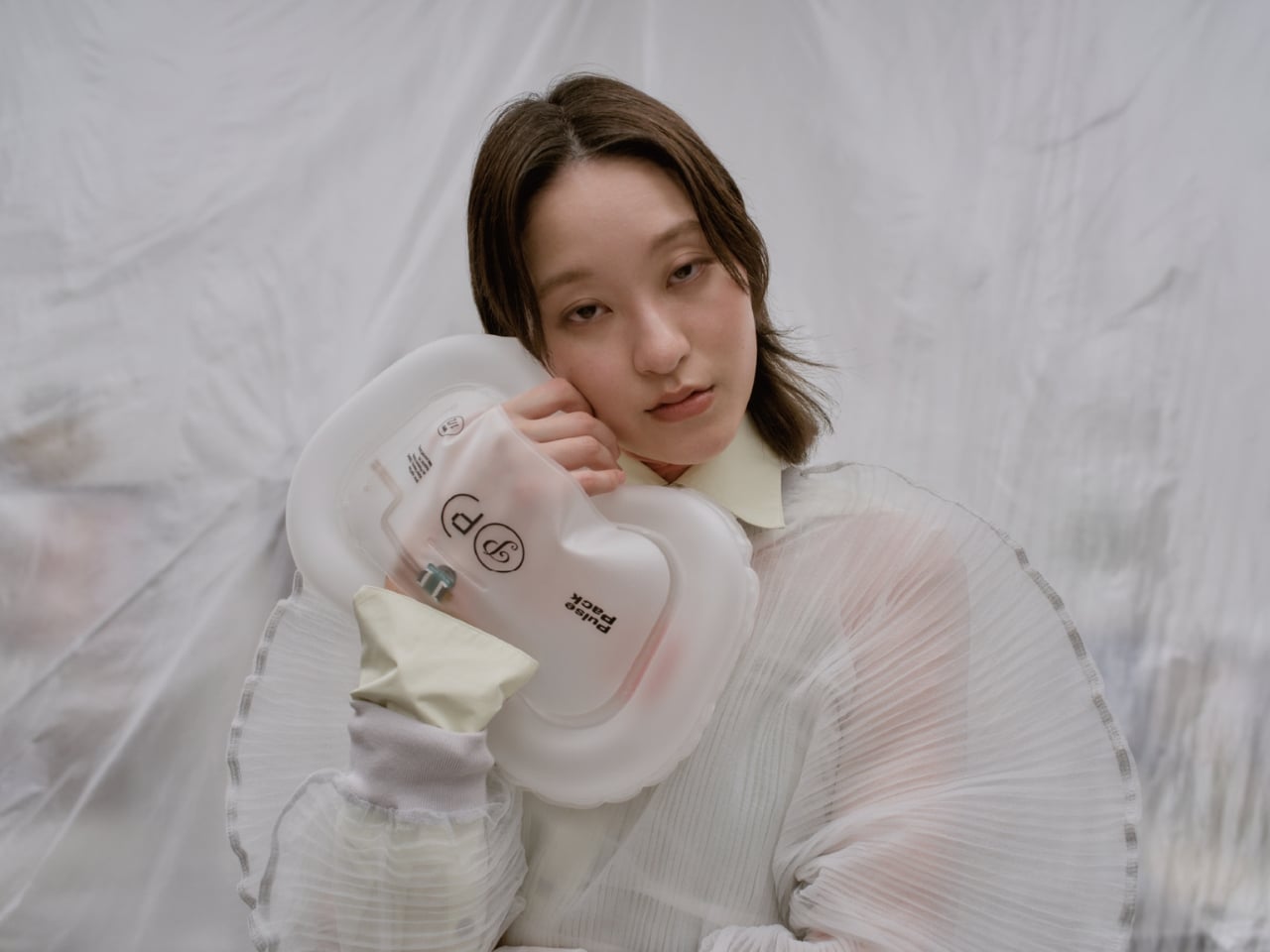
1 week agoThe Ultrahuman Ring Pro is now available for pre-order in the US, here's how to get a 10% discount
The Ultrahuman Ring Pro builds on the Ultrahuman Ring Air's features with several key improvements, including an impressive battery life of up to 15 days, which is more than twice as long as the Air.
Mobile UX
Liverpool FC
fromwww.bbc.com
2 weeks agoFamily grateful as defibrillator saves linesman's life
A 73-year-old assistant referee collapsed twice during a football match and was revived using a defibrillator, highlighting the critical importance of having automated external defibrillators at all sports venues.
Healthcare
fromHarvard Business Review
3 weeks agoHealthcare Uses Specialized Language. It Needs Specialized AI, Too.
Healthcare professionals across specialties use inconsistent terminology and communication styles, creating significant translation barriers that impede care coordination and data interoperability.
Health
fromNature
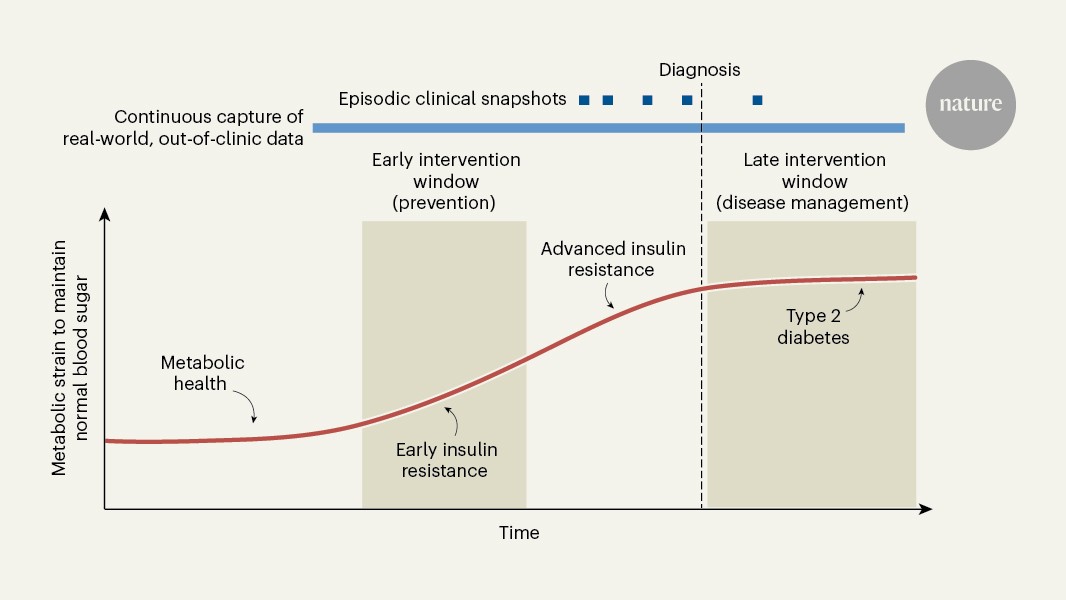
3 weeks agoInsulin resistance prediction from wearables and routine blood biomarkers - Nature
Diabetes affects 537 million adults globally with type 2 diabetes comprising 90% of cases, driven by lifestyle factors and characterized by insulin resistance or deficiency leading to long-term organ damage.

Medicine
fromwww.scientificamerican.com
2 weeks agoNew early-warning alerts have doctors thinking it may be possible to repair a damaged kidney
Drug-induced acute kidney injury is common in hospitalized patients but often goes unrecognized because it causes no symptoms and damage occurs before creatinine levels rise enough to alert clinicians.
Healthcare
fromwww.businessinsider.com
1 month agoMy small business modernized a 2,000-year-old tourniquet. We've already sold hundreds of kits through word of mouth.
Golden Hour Medical's AutoTQ automatic tourniquet empowers bystanders to control bleeding effectively during emergencies, addressing the leading cause of preventable trauma deaths.
fromTNW | Health-Tech
3 weeks agoCedars-Sinai's AI beats specialist models at reading heart scam
EchoPrime, a video-based vision-language model, analyses echocardiogram footage and generates a written report of cardiac form and function. Its findings were published in Nature (volume 650, pages 970-977) in February 2026, under the title 'Comprehensive echocardiogram evaluation with view primed vision language AI.'
Medicine
fromMail Online
2 weeks agoAI glasses that can help dementia patients live independently
The glasses, developed over ten years, can guide people living with early-stage dementia through daily activities by identifying everyday objects and providing audio commentary and putting up visual prompts.
Wearables
fromWIRED
1 month agoCuffless Blood Pressure Monitoring Is Coming. We Explain What It Is and How to Use It
Since 1990, the incidence of hypertension has increased globally, with up to one in three adults worldwide affected by it. Most of those people have no idea they have it. If people could diagnose and monitor hypertension at home, the World Health Organization estimates that up to 76 million lives could be saved with easy fixes, like stopping smoking or adjusting diet.
Health
fromGSMArena.com
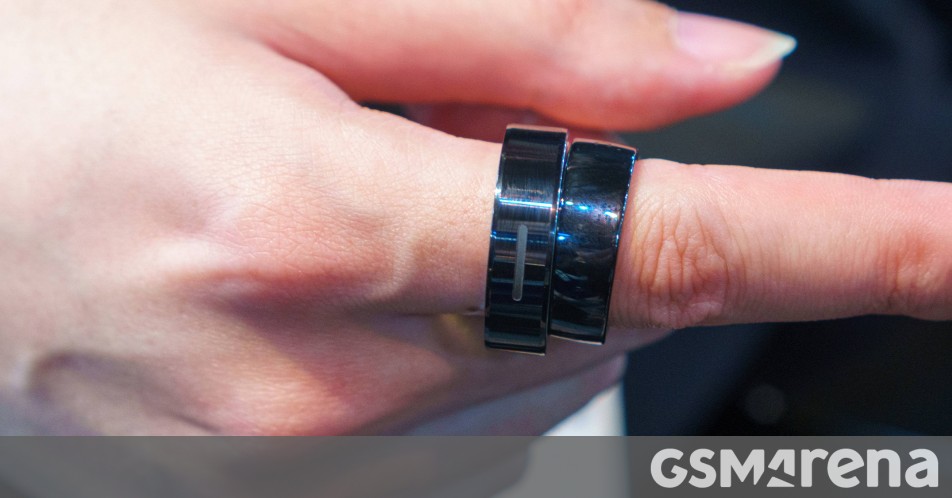
1 month agoUltrahuman Ring Pro unveiled with 15-day battery life, improved sensors and processing
The Ultrahuman Ring Pro advertises up to 15 days of battery life. For comparison, the Ultrahuman Ring Air lasts 4-6 days on a charge according to official numbers. That's a massive upgrade but isn't the end of it either. The new ring comes with a new Pro Charger, which extends the ring's endurance up to 45 days.
Mobile UX
fromYanko Design - Modern Industrial Design News
1 month agoMeta Wants to Put an AI Health Tracker on Your Wrist in 2026. What Could Go Wrong?? - Yanko Design
Meta is building a smartwatch, and it wants to know your heart rate, your sleep patterns, your activity levels, and whatever else it can pull from a sensor pressed against your skin all day. The device is codenamed Malibu 2, it's targeting a 2026 launch, and by most accounts it sounds like a perfectly competent health wearable. The problem isn't the hardware. The problem is the company attached to it.
Gadgets
Health
fromZDNET
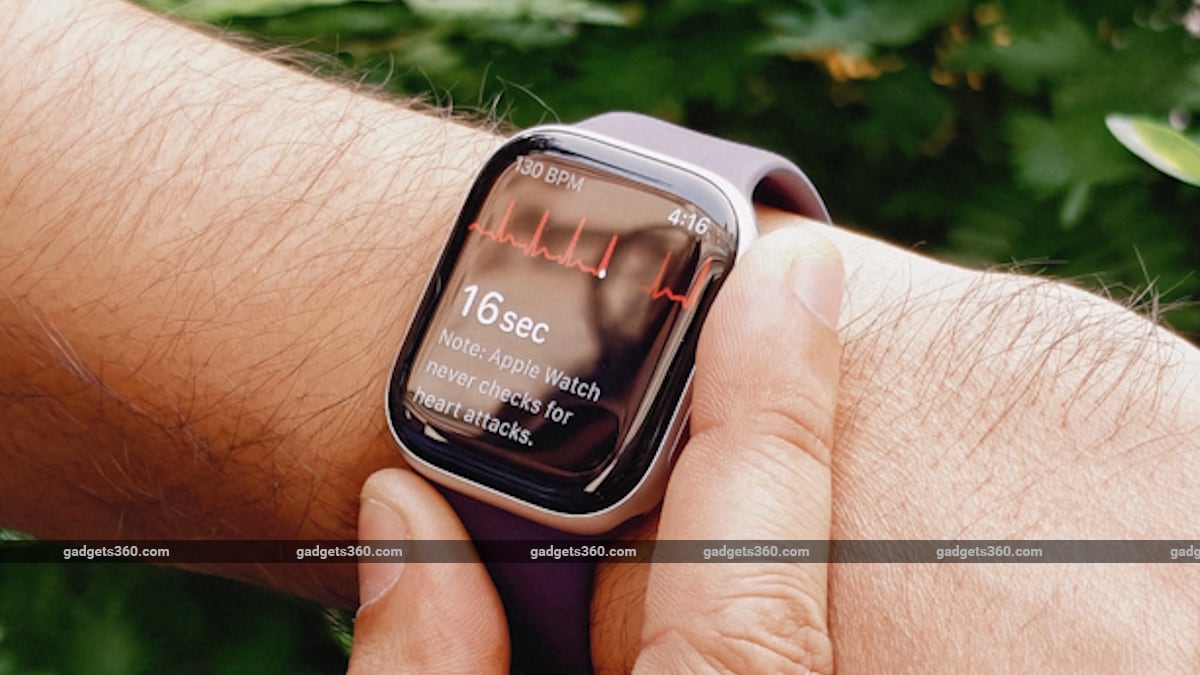
1 month agoThe Apple Watch missed my hypertension - but this blood pressure wearable caught it instantly
High blood pressure affects nearly half of US adults and causes over 1,000 deaths daily, making it a significant health threat that wearable devices like Apple Watch can help detect through continuous monitoring.
Healthcare
fromwww.theguardian.com
1 month agoUnbelievably dangerous': experts sound alarm after ChatGPT Health fails to recognise medical emergencies
ChatGPT Health fails to recognize medical emergencies in over half of cases, potentially endangering users by recommending home care instead of emergency department visits.
fromWIRED
3 weeks agoThe Fort Strength Training Wearable Tracks Your Sets
We use the IMU sensors to detect which exercise the user is performing and identify the period engaging in concentric, eccentric, or isometric hold. These are the three main types of lifting exercises; you might know them as contracting, lengthening, or static exercises. The Fort uses the wrist as a proxy for bar velocity, and the company is seeking FDA clearance and will also be pursuing large, third-party studies from independent labs.
Wearables

fromPsychology Today
2 months agoAI-Decoded Brain Signals May Help Paralyzed Regain Movement
Artificial intelligence (AI) machine learning is making a difference in assistive technology to help restore movement for the paralyzed. A new study in the American Institute of Physics journal APL Bioengineering shows how AI has the potential to restore lower-limb functions in those with severe spinal cord injuries (SCIs) by identifying patterns in brain signals captured noninvasively via electroencephalography (EEG).
Artificial intelligence


fromwww.bbc.com
2 months agoTrial launched to 'help spot health risks early'
Public health consultant Dr Ross Keat said supporting people earlier to make small preventative changes would make "a big difference later on". Some 3,500 people in the north of the island within that age bracket are eligible for the checks. The checks will be carried out by two pre-existing nurses that support GP staff and would not replace GP appointments, Keat explained, adding that the cost would be minimal and absorbed by Ramsey Group Practice.
Public health
Wearables
fromTechCrunch
1 month agoWearable startup CUDIS launches a new health ring line with an AI-fueled 'coach' | TechCrunch
CUDIS launches an AI-powered health ring with an agent coach, gamified points system for healthy behaviors, and Pace of Aging tracking to incentivize and optimize user wellness.
fromZDNET
2 months agoThis tracker fits inside your bra to measure blood flow - and lasts longer than your smartwatch
Petal is a bra insert that uses bio-impedance sensors and electrical measurements to monitor blood flow near the heart. Because wearers position the insert right next to the heart, the device can capture more accurate readings than your typical smartwatch, Petal says. The device comes in one size and fits snug against each breast. It's made with biocompatible materials, including a soft European fabric and a polyurethane-coated interior.
Health
fromApp Developer Magazine
1 year agoAI becomes a go-to health resource as hospital access strains
As OpenAI launches ChatGPT Health, allowing users to connect medical records and wellness apps for AI-driven health guidance, a new survey from Drip Hydration confirms Americans are increasingly turning to AI for medical advice. The nationwide survey explores the motivations, demographics, and regional trends behind this growing phenomenon. The data reveals where and why people are choosing AI alongside traditional medical channels in their healthcare journey.
Healthcare
Medicine
fromdesignboom | architecture & design magazine
2 months agowearable smart necklace helps patients who have suffered from stroke speak again
Revoice is a wearable smart necklace that transforms silent throat movements and physiological signals into clear, emotionally appropriate speech in real time for stroke patients.

fromwww.bbc.com
1 month agoUK first as cutting-edge therapy used for 'debilitating' heart condition
He has been living with atrial fibrillation (AF), a common heart rhythm problem, affecting 1.4m people in the UK, that can cause your heart to beat irregularly and often too fast. "It's very debilitating. On my worst day I feel very tired, my heart rate increases rapidly - I could walk for 2 or 3 miles and be okay, I could walk for 100 yards and it would hit me."
Medicine
fromNature
1 month agoSelf-powered vibration sensor for wearable health care and voice detection
When people breathe, speak, sing or clear their throats, their bodies are in constant motion. Air flowing through the lungs, the oscillation of vocal folds in the throat and the rhythmic expansion of the chest all produce tiny vibrations that carry valuable information about physiology and health. However, constructing a device that can capture all of these physiological signals has remained a challenge.
Wearables
fromZDNET
2 months agoThis menstrual pad takes period blood and turns it into data diagnostics
The FlowPad looks like your run-of-the-mill menstrual pad but is built with a microfluidic diagnostic layer underneath that directs menstrual blood into biomarker zones for testing fertility, ovarian health, and perimenopausal hormones. The results of the test show up in Vivoo's app after a user scans the pad's results through their phone camera or enters them manually. The ethos behind FlowPad and Vivoo's smart toilet is simple.
Medicine


fromBusiness Matters
2 months agoThe Life Imaging Fla Story: Why Timing Matters in Modern Healthcare
After losing both of his parents to cancer, Tom set out to challenge a healthcare system that often waits for symptoms instead of identifying risk early. What began in Deerfield Beach, Florida, has grown into a multi-location preventative imaging company serving communities across the state. Life Imaging Fla focuses on preventative heart and full-body screenings. These services give people access to advanced imaging that is typically only approved once symptoms appear. The goal is straightforward: identify disease earlier, when people still have time, options, and control.
Medicine
fromZDNET
2 months agoThis device could help make menstrual periods more comfortable
By attaching near the ear, the device targets the auricular branches of the trigeminal and vagus nerves to regulate menstrual cycle symptoms and help the body return to a rested state. These nerves play an important role throughout the menstrual cycle and release estrogen and progesterone, two essential sex hormones. They also target muscle contraction, blood flow, digestion, and more, a few body functions that change during a period, which explains the increase in cramps and tightening of blood vessels.
Medicine
fromPsychology Today
2 months agoMy Dad Got Sick-Doctors Dodged, AI Didn't
My dad was in the emergency room, short of breath, chest tight, upper back aching. He looked pale and confused. An ultrasound showed excess fluid between his lung and chest wall. "We'll drain it," a resident said, as if he were unclogging a sink. For the next five days, thick, red-tinged fluid filled a plastic container beside my dad's hospital bed. Doctors sent his cells for "staining," a way to identify cancer. But no one used that word.
Medicine
fromZDNET
2 months agoMy Oura Ring told me I was sick. I disregarded it, and then got sick
Last Wednesday morning, I woke up and did what I normally do when I open my eyes. I grabbed my phone and checked my Oura app to see how I slept. This morning, however, Oura's home page looked a bit different. Unlike the sleep and readiness scores I usually see on the home page, a new message appeared on top. While no biomarker deviated strongly from my baseline, Oura's Symptom Radar feature warned me that my biometrics indicated "major signs of strain." It encouraged me to take it easy -- a tall task given that I was headed into the office for the workday.
Wearables
[ Load more ]