#martha-rosler
#martha-rosler
[ follow ]
#art #photography #sculpture #art-exhibitions #contemporary-art #whitney-biennial #architecture #art-exhibition


#photography
Photography
fromItsnicethat
3 days ago"What if everyone started making out?" Andrea Marti's horny photo series tackles Gen Z's lack of intimacy head on
Andrea's photographic series reimagines intimacy in a digitally isolated world, inspired by Raquel S. Benedict's essay and Tom Wood's nostalgic club scenes.
Photography
fromItsnicethat
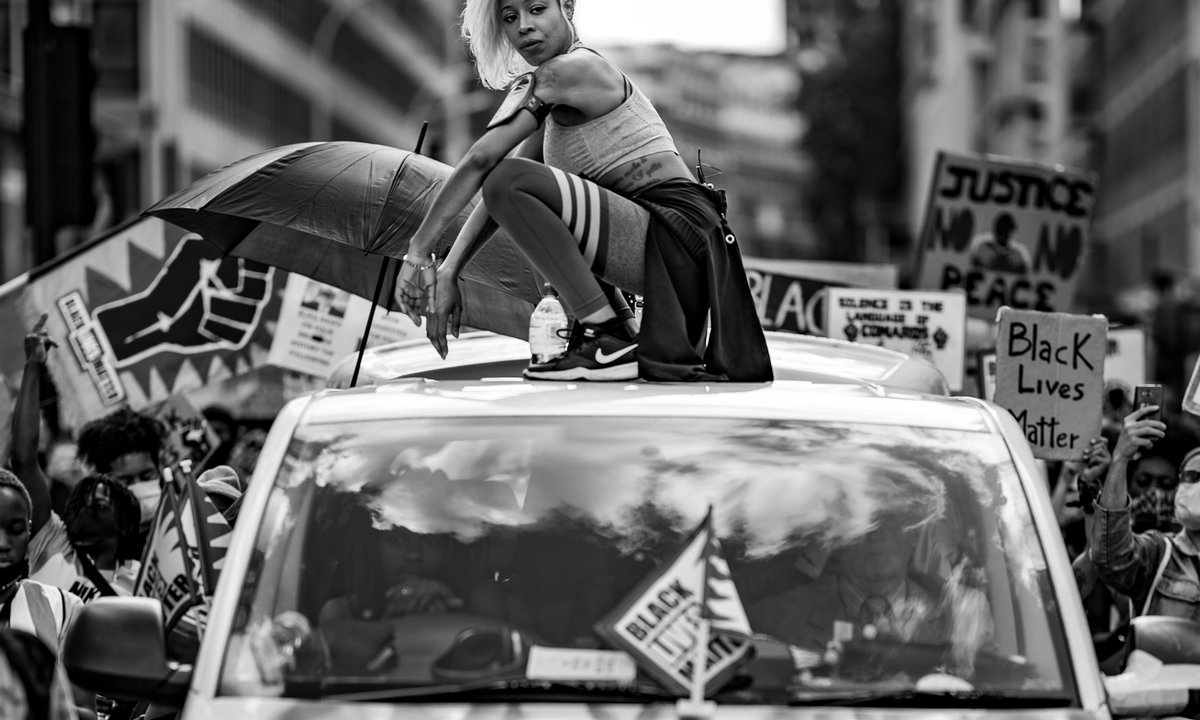
3 days ago"What if everyone started making out?" Andrea Marti's horny photo series tackles Gen Z's lack of intimacy head on
Andrea's photographic series reimagines intimacy in a digitally isolated world, inspired by Raquel S. Benedict's essay and Tom Wood's nostalgic club scenes.

fromArchDaily
5 days agoFundacio Mies van der Rohe Presents "Transnational Narratives," a Documentary on Six South Asian Women Architects
The documentary, created by Dr. Igea Troiani, Dr. Mamuna Iqbal, artist and researcher Paula Roush, and filmmaker Rime Tsujino, brings visibility to the experiences of six architects of South Asian origin.
Women in technology
fromdesignboom | architecture & design magazine
1 week agostreet infrastructure becomes sculpture in bettina pousttchi's rockefeller center installation
By installing my sculpture Vertical Highways V03 in front of Rockefeller Center, I want to initiate a dialogue of art and architecture that resonates with the urban history of New York City.
Berlin music
Design
fromdesignboom | architecture & design magazine
6 days agoartwork uses floating fabric corridor and bodily movement to visualize climate change
Ryo Yamada's Perception Corridor is an immersive installation in Edinburgh that explores perception and environmental awareness through a 40-meter fabric corridor.
Design
fromYanko Design - Modern Industrial Design News
1 week agoThis walkable steel sculpture turns geometric chaos into an experience - Yanko Design
Five Fragmented Cubes is an interactive sculpture designed for immersion, challenging traditional viewing by inviting people to enter and explore its structure.
fromHyperallergic
3 days agoThe Art World Is a Joke
Kamrooz Aram is everywhere this year, from Mumbai Art Week to the Whitney Biennial, and critic Aruna D'Souza is grateful. She pens a beautiful meditation on his work, reading his abstract paintings as not simply a denunciation of Western modernism nor a reassertion of Islamic visual motifs, but something else entirely - something gestural, exuberant, riotous, and incomparably his own.
Arts
fromJuxtapoz
6 days agoJuxtapoz Magazine - Last Days to See Kate Meissner's New Paintings @ Lyles & King's Project Space, NYC
"These works are an exploration of the human body's elasticity and capacity to metamorphose. Informed by my own experience of pregnancy and the birth of my first child last year, these paintings are a meditation on physiological transformation and the body's underlying animalistic and mammalian nature."
Arts
Arts
fromThe Art Newspaper - International art news and events
4 days ago'The sharp perception only a woman can bring to observing other women': Dorothy Bohm's photographs go on show at Lee Miller's former home
Dorothy Bohm's exhibition 'About Women' showcases seven decades of her female-focused photography, highlighting her legacy as an influential woman photographer.
LGBT
fromwww.theguardian.com
2 months agoThe rise of fascism makes our work even more important': Montez Press, champions of queer, feminist art
Montez Press champions queer, feminist experimental writing by commissioning boundary-pushing auto-speculative and fan-fiction novels while collaborating with interdisciplinary artists.
fromArtnet News
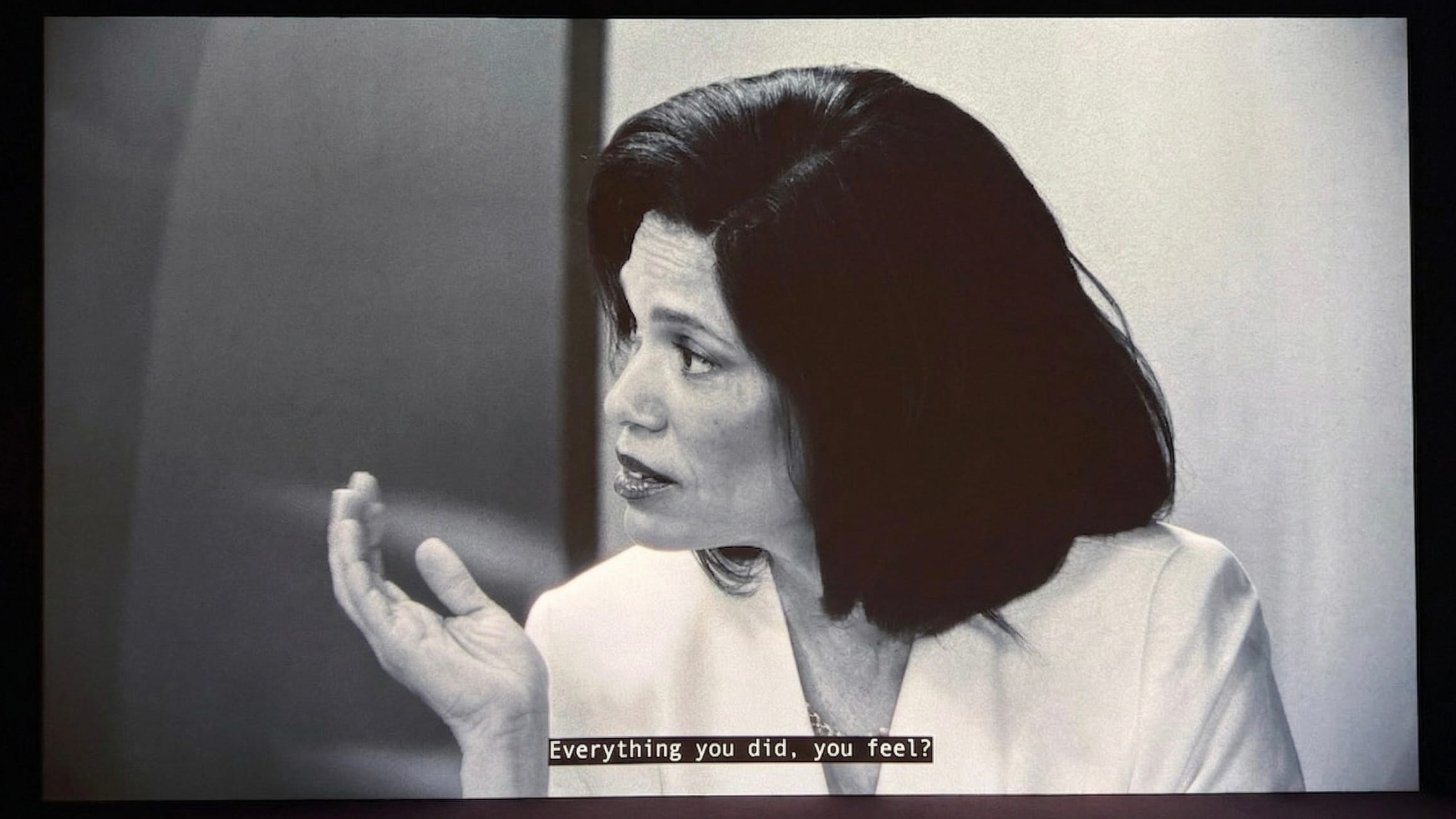
1 week agoAt the Every Woman Biennial, Joy Becomes a Form of Resistance | Artnet News
Founded in 2014 as a tongue-in-cheek alternative to the esteemed Whitney Biennial, the Every Woman Biennial has evolved into an intergenerational showcase that mixes emerging talent with established feminist art stars while maintaining the scrappy, activist energy that inspired it in the first place.
Arts
fromHyperallergic
2 weeks agoWhat Do We Really Think of the New New Museum?
The new New Museum is many things: contemporary, perhaps, but also a science, history, anthropology, and many other museums in one. It echoes the desire of its patron class to own the world and its affiliated courtier class to deliver it to them on a silver platter, or encased in perforated metal, in this case.
Arts
Arts
fromArtnet News
2 weeks agoPaige Powell Didn't Just Document Warhol's Inner Circle. She Shaped It, Too
Paige Powell documented the 1980s New York art scene as Andy Warhol's close confidante, capturing intimate moments of his final years through photography that became inseparable from her identity.
fromHyperallergic
3 weeks agoEmbracing Friction in the Art World
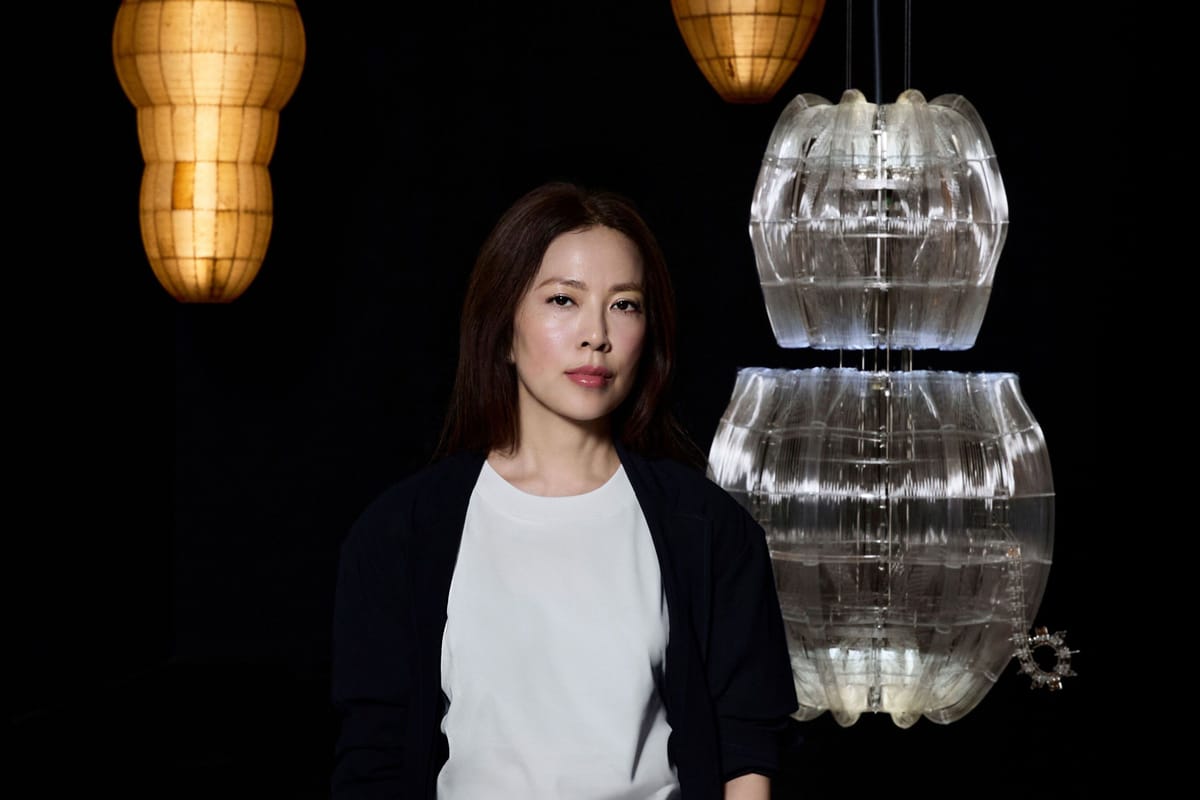
On Franklin Street in Brooklyn's Greenpoint neighborhood, one non-commercial gallery fosters 'a small, stubbornly human space for friction.' Friction—the ubiquitous buzzword that captures the simultaneous delight and discomfort of doing things the slow way—is at the heart of artists Pap Souleye Fall and Char Jeré's current show at Subtitled NYC. It also reflects the overall spirit of this little exhibition space and of a burgeoning movement to reject our culture of optimization in favor of a bumpier, more intimate, less alienating experience.
Arts
fromArtnet News
3 weeks agoInside the Forum Where Women in the Arts Are Taking on the Status Quo
What began as a passion for collecting became a responsibility. She not only believes in the artistic genius of women, but she wants society in general to hold men and women artists in equal esteem-and to place the same monetary value on their work.
Arts
Arts
fromArtnet News
4 weeks agoIndira Cesarine on the Feminist Issues Driving the Untitled Space
Indira Cesarine founded Untitled Space to platform marginalized voices in art, operating as gallerist, artist, editor, and curator while exploring female identity through personal and collective experience.
fromArtnet News
4 weeks agoMichele Pred's Art of Resistance Is More Necessary Than Ever
Going out and demonstrating is really important. But if you don't feel comfortable demonstrating, you can volunteer for organizations, you can donate to organizations, you can sign petitions, you can call your senator. There's no excuse not to be involved on some level.
Arts
Arts
fromThe Art Newspaper - International art news and events
1 month agoIs it finally time for the Guerrilla Girls to remove their masks?
The Guerrilla Girls maintained anonymity for 40 years to protect members from professional retaliation and to emphasize systemic art world discrimination over individual grievances.
Arts
fromArtnet News
1 month agoA Downtown Gallery Disappears, Another Draws Controversy-and More Juicy Art World Gossip | Artnet News
1969 Gallery closed its Tribeca space after the building sale; founder Quang Bao plans Barcelona artist residencies and eventual New York reopening, prioritizing collaborations.
fromHyperallergic
2 months agoYoko Ono's Art Is an Exercise in Hope
CHICAGO - With her iconic long dark hair curtaining her demure countenance, Yoko Ono has been in my personal pantheon of women makers for most of my life. When I was a distraught teenager in a midwestern suburb, she was there - singing discordant arias from my bedroom stereo. Her siren call couldn't quite be deciphered, but, like a feminist signal from afar, it cut through the fog of oppressive cultural forces.
Arts
fromHyperallergic
1 month agoThese Are the Artists in MoMA PS1's Greater New York Show
Taking over the museum's transformed school building starting April 16, the cross-borough survey will celebrate MoMA PS1's 50th anniversary with a bevy of site-specific installations, new commissions, and rarely seen work by 53 artists and collectives living and working across New York City. A complete list of participants is included at the end of this article. This year, Greater New York will coincide with the Whitney Biennial for the first time in the show's history.
Arts
fromHyperallergic
1 month agoThe Sticky Politics of Wall Texts
In 2024, I made a vow to never base my art criticism on wall labels. My decision came after reading reactions to that year's Whitney Biennial. "If every label in 'Even Better Than the Real Thing,' the 81st installment of the Whitney Biennial, were peeled off the walls and tossed into the Hudson, what would happen?" asked Jackson Arn in the New Yorker. (He went on to suggest that the overall show would have been much better.)
Arts
Arts
fromThe Art Newspaper - International art news and events
2 months agoNew experimental art organisation opens in New York
Summer Guthery and Francesca Sonara launch Times, a small, nimble three-year Manhattan art space prioritizing artists' needs, flexibility, and rejection of perpetual-growth institutional models.
fromArtforum
2 months agoDistress Signals
This sprawling installation (or in the New York gallery's parlance, "spatial collage") had transformed the Wooster Street space into a warren of rooms and hallways that resembled a series of stage or film sets, including a "clandestine drug lab," a Chinatown basement store, and a pirate radio station. I gingerly navigated through half-destroyed walls and over uneven floors strewn with detritus, escaping with vivid memories of one of the strangest contemporary art experiences to be had in those years.
Arts
fromHyperallergic
1 month agoThe Unruly Politics of Glitter
Presented with improbable dignity in a golden box is a hanging ornament in the shape of the Trevi Fountain that comes with a "complimentary papal blessing." Its roughly shaped details would be dull if the whole thing weren't drowned in glitter. Under the shop lights, this perfect miniature of late Baroque architecture explodes in shine: a beacon promising a brighter future and a better life.
Arts
Arts
fromwww.amny.com
1 month agoCashing out: Houben RT follows the money with his art and paints what it reveals | amNewYork
Houben RT's paintings expose money as modern society's defining force, replacing virtue with valuation and transforming currency into cultural theology that shapes identity and power.
[ Load more ]