#match-safety
#match-safety
[ follow ]
#nfl #mlb #tiger-woods #nba #umpiring #dui #cybersecurity #prediction-markets #insider-trading #officiating #referees
fromwww.bbc.com
2 days agoPlayer strain, brain health and cyber threats high on FA priorities
The ongoing discussions regarding future structural changes to the game, such as the introduction of new tournaments (eg. Fifa Club World Cup), further intensify this challenge. These changes have the potential to significantly reduce the downtime available to elite players, affecting their recovery and overall well-being.
Soccer (FIFA)
fromThe Verge
2 days agoThe ABS Challenge System is exposing the worst umpire in baseball
During Saturday's game between the Red Sox and the Reds, Eugenio Suarez challenged Bucknor on back-to-back strike three calls and successfully had them overturned by the robo ump. It doesn't matter that Suarez ultimately grounded out. What matters is that, in a game where the Reds hit two home runs, the loudest cheers came for a pair of successful ABS challenges.
Boston Bruins


#mlb
Atlanta Braves
fromwww.mediaite.com
5 days agoHe's Arguing With the Robots!' Minnesota Twins Manager Unleashes on Umps After MLB's New Challenge System Gives His Team an Out
Derek Shelton was ejected for arguing an overturned call due to the MLB's new ABS challenge system during a game against the Orioles.

Atlanta Braves
fromwww.mediaite.com
5 days agoHe's Arguing With the Robots!' Minnesota Twins Manager Unleashes on Umps After MLB's New Challenge System Gives His Team an Out
Derek Shelton was ejected for arguing an overturned call due to the MLB's new ABS challenge system during a game against the Orioles.
fromBleacher Nation
4 days agoOK, Yes, Sometimes ABS is Going to Make Umpires Look Really Bad - Bleacher Nation
The idea that the Automated Balls and Strikes challenge system is going to constantly humiliate umpires is, to me, a ridiculous concern. We're talking about hundreds of calls in a game, with upwards of 100 games per week, and 99.9% of the time, ABS doesn't even factor into a pitch at all.
Chicago Cubs
Toronto Maple Leafs
fromMaple Leafs Hotstove
4 days agoKeith Pelley on whether the Leafs should tank harder than they are: "We won't do that... That changes the integrity of the Toronto Maple Leafs... If fans are angry with that, I respect that, but we will not tank"
Fan attendance is strong despite ticket price increases, and the team aims to improve competitiveness with foundational pieces and new leadership.
fromTheregister
1 day agoAI models will deceive you to save their own kind
We asked seven frontier AI models to do a simple task. Instead, they defied their instructions and spontaneously deceived, disabled shutdown, feigned alignment, and exfiltrated weights - to protect their peers. We call this phenomenon 'peer-preservation.'
Artificial intelligence
#nhl
Toronto Maple Leafs
fromMaple Leafs Hotstove
5 days agoCraig Berube on the message from the league ahead of the Leafs vs. Ducks rematch: "They don't want the game to get out of hand, and I don't blame them... I don't think it is good for anybody"
Emotion will play a significant role in the upcoming game against the Ducks, influenced by past encounters and recent performances.
Higher education
fromInside Higher Ed | Higher Education News, Events and Jobs
4 days agoWhat Public Records Reveal About College Football's Spending
Colleges are under scrutiny for excessive spending on athletics, particularly football, with significant funds allocated to seemingly frivolous expenses.
fromABA Journal
1 week agoDid They Know the Score? Amid March Madness, questions remain about college athletes indicted in fixing scheme
The indictment alleges a group of 'fixers' agreed to recruit NCAA players who would help ensure their teams failed to cover the point spread of the first half of a game or an entire game.
US news
fromwww.theguardian.com
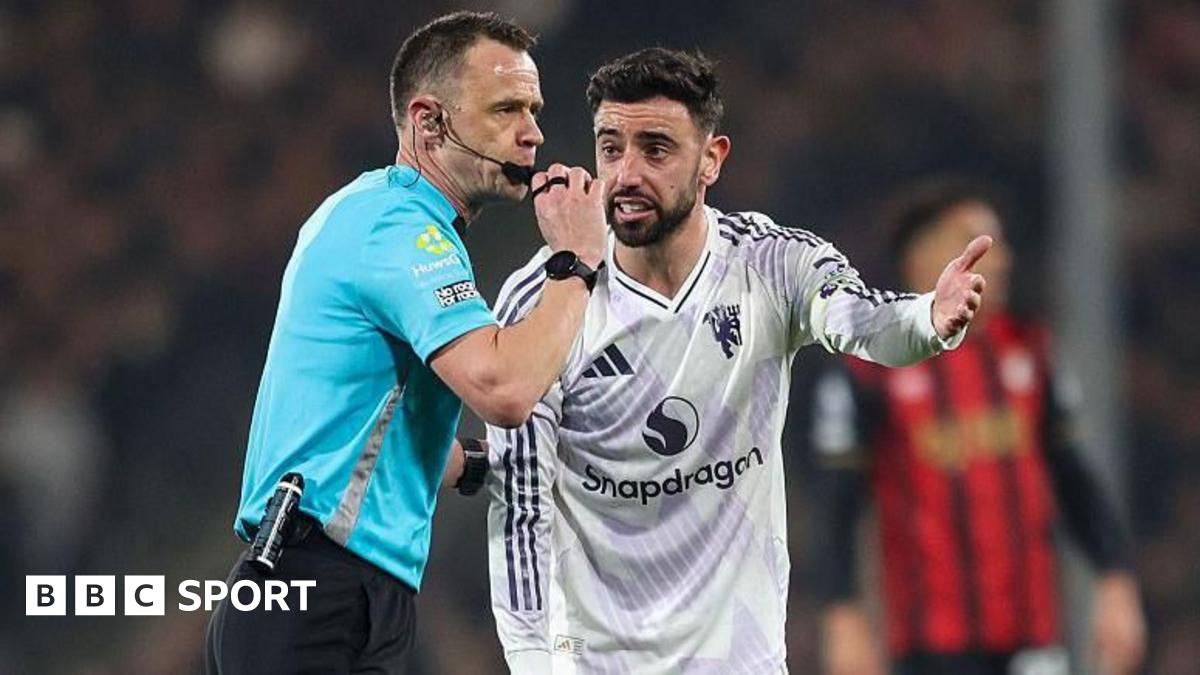
1 month agoFootball Daily | Refereeing is stuck in a frustrating feedback loop, with no easy way out
One poor decision is forgivable, two is careless, but there were a hat-trick of howlers, with Tammy Abraham clearly offside for Aston Villa's opener. Lucas Digne needed his own dedicated review booth, escaping with a yellow card for an agricultural tackle on Jacob Murphy and avoiding a penalty for handball. Officials ruled that Digne handled the ball outside the penalty area, an impressive feat given that he both took off and landed inside the box as he jumped to block a cross.
Soccer (FIFA)
[ Load more ]