#memory-chip-shortage
#memory-chip-shortage
[ follow ]
#semiconductors #ai-demand #stock-market #tsmc #memory-chips #supply-chain #ram-shortage #chip-manufacturing


#semiconductors




World politics
fromSilicon Canals
1 week agoInside the quiet restructuring of global semiconductor supply chains: how TSMC, Samsung, and Intel's subsidy race is creating three separate technological civilisations - Silicon Canals
Governments are investing heavily in semiconductor production, leading to the creation of three distinct technological ecosystems.
#euv-lithography
European startups
fromTechzine Global
4 weeks agoCalls for a 'Chinese ASML' are growing louder, but it is still a long way off
Chinese chip executives advocate for developing domestic EUV lithography technology as a central priority, proposing a national integrator model to reduce dependence on ASML amid export restrictions.

fromTNW | Asia
3 days agoSouth Korea turns to Russian naphtha as chip supply chain faces Middle East crisis
South Korea imports about 45 percent of its naphtha, a critical petrochemical feedstock, with roughly 77 percent of those imports historically arriving from the Middle East. That supply line is now, for all practical purposes, severed.
World news

fromZDNET
1 day agoMy two Raspberry Pi boards cost as much as a laptop now - and AI is to blame
RAM prices are skyrocketing, driving up the cost of products that rely heavily on memory. The price of Raspberry Pi boards has now soared to the point where two 16GB Raspberry Pi 5 boards will cost you as much as a new laptop.
Gadgets
from24/7 Wall St.
4 days agoHelium "Tsunami" to Hit Chipmakers -- The Surprising Winner to Profit From the Coming Shortage
Global helium consumption runs about 6 billion cubic feet per year. Qatar supplied a big slice until this month. With one-third of output sidelined, prices have already soared.
Business
fromTNW | China
2 days agoChina's Nexchip files for Hong Kong listing as $5 billion chip expansion accelerates
Nexchip Semiconductor is seeking a dual listing alongside its existing Shanghai shares, a move designed to tap international capital for what amounts to an industrial expansion of extraordinary scale.
European startups
fromTechzine Global
4 days agoSony halts memory card shipments due to NAND shortage
A severe shortage of NAND flash, driven by the enormous demand for it to expand AI data centers, makes procurement impossible. Sony is currently unable to fulfill orders for CFexpress Type A, CFexpress Type B, and SDXC/SDHC memory cards.
Tech industry
Business intelligence
fromComputerworld
1 month agoMemory shortage batters PC market; double-digit sales drop coming, say analysts
Enterprise buyers face volatile pricing with short-term vendor quotes, budget constraints delaying PC purchases, and slower AI PC adoption with reduced memory specifications.

Artificial intelligence
from24/7 Wall St.
1 month agoTSMC Raises Dividend 28% While 38% Revenue Growth Reframes the Geopolitical Risk
TSMC raised its 2026 dividend 28% to TWD 23 per share while guiding 38% Q1 2026 revenue growth, demonstrating confidence in sustained AI chip demand despite geopolitical risks.
European startups
fromTheregister
3 weeks agoBeijing warns of more chip supply worries amid Nexperia mess
China's Ministry of Commerce warns of semiconductor supply chain disruption following Nexperia's restriction of Chinese staff access to critical systems, while Indonesia bans social media for children under 16 to combat cyberbullying and addiction.



from24/7 Wall St.
3 weeks agoRetirees Are Using EWT to Ride Taiwan's Semiconductor Dominance
Taiwan Semiconductor Manufacturing (NYSE:TSM) sits at the center of this fund, representing 22.3% of the portfolio - a concentration that reflects TSMC's irreplaceable role in global chip supply chains. It manufactures chips for Apple, Nvidia, AMD, and virtually every other major technology company, and that dominance shows up in its financials: 45% profit margin and 35% return on equity that few industrial companies anywhere in the world can match.
Business
from24/7 Wall St.
3 weeks agoHP Enterprise confirms memory shortage will last longer than expected
HPE has direct visibility into memory supply chains in a way that most companies don't. When they say the shortage runs longer than expected, that's not speculation. It's procurement reality. HPE's server segment actually declined 2.7% year over year despite the company being at the center of enterprise AI infrastructure, with memory constraints identified as the reason.
Tech industry
fromThe Nation
2 months agoHow Taiwan Became the Chipmaker for the World
When Donald Trump nominated Elbridge Colby as the undersecretary of defense for policy, the news stirred headlines in Taiwan. Colby, who has since been confirmed, had repeatedly stated on social media that if China ever invaded Taiwan, the US military should destroy TSMC, the world's most important chip manufacturer, to prevent it from falling into Chinese hands. The provocative suggestion has been echoed by Democratic Representative Seth Moulton,
World news
fromComputerworld
2 months agoApple Silicon: As demand grows, is TSMC driving a harder bargain?
The gold rush across the high-end processor market might help Apple's processor manufacturing partner, TSMC, drive harder bargains than in the past. That's because Apple's huge appetite for processors is being met by fast-growing demand for chips for servers. As a result, the cost of the chips used inside Macs, iPads, and iPhones will likely increase, putting even more inflationary pressure on Cupertino's bottom line.
Apple


fromThe Verge
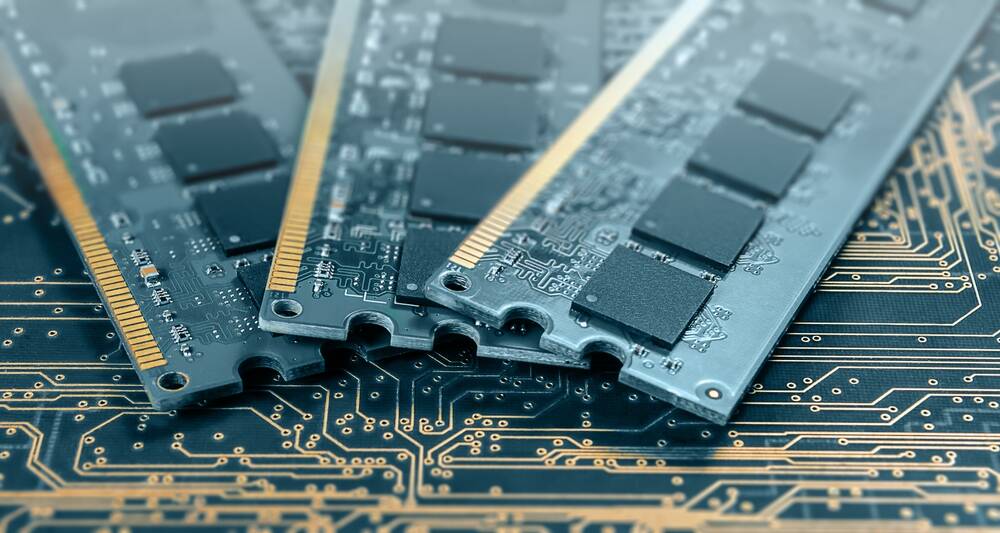
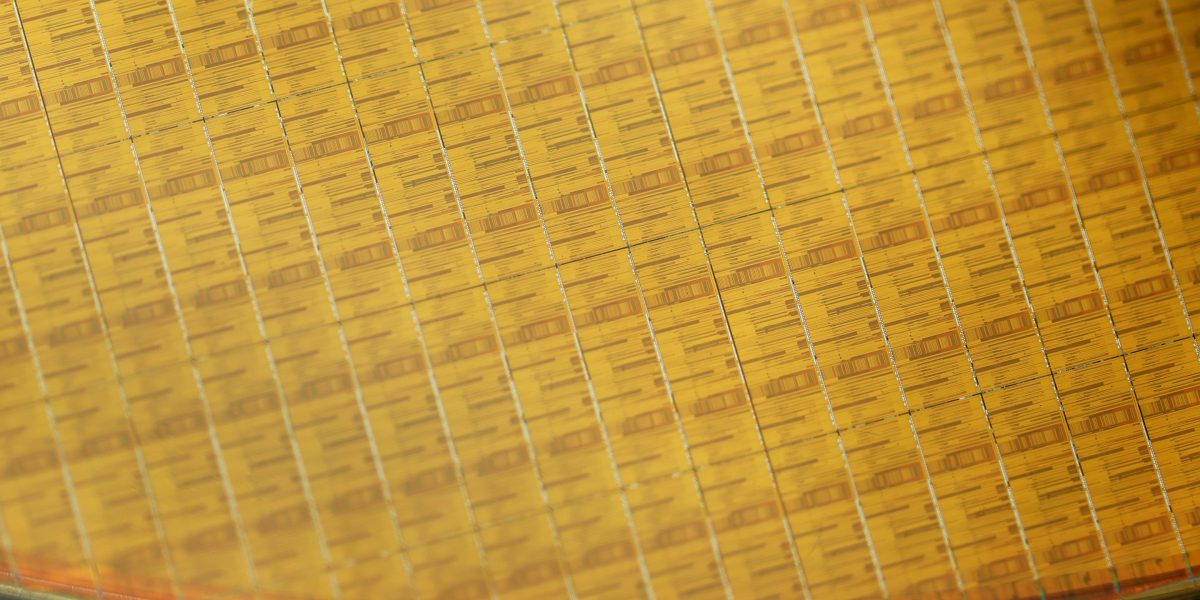
1 month agoThe RAM shortage is coming for everything you care about
Do you have a phone in your pocket you'd like to upgrade in the next few years? Fancy a game console or handheld? A laptop, perhaps? Will you need a new router, whether you're purchasing outright or renting from your ISP? Each of these devices is expected to have shortages, price hikes, or both in 2026. And even if you don't plan to buy, you depend on goods and services from others who'll be paying more to upgrade their devices.
Gadgets

from24/7 Wall St.
2 months agoHere's Why Taiwan Semiconductor Manufacturing Holds the Keys to AI's Explosive Growth
Alphabet ( NASDAQ:GOOG )( NASDAQ:GOOGL ) has reportedly reduced its 2026 production target for Tensor Processing Units from around 4 million to 3 million units. According to a report by Korea Economic Daily, this adjustment stems from limited access to Taiwan Semiconductor's CoWoS advanced packaging capacity, which Nvidia ( NASDAQ:NVDA ) secured through priority allocations. CoWoS integrates processors with high-bandwidth memory on a silicon interposer, essential for high-performance AI accelerators. Without sufficient capacity, finished chips cannot deploy at scale. Other outlets have reported on production caps previously.
Artificial intelligence

fromArs Technica
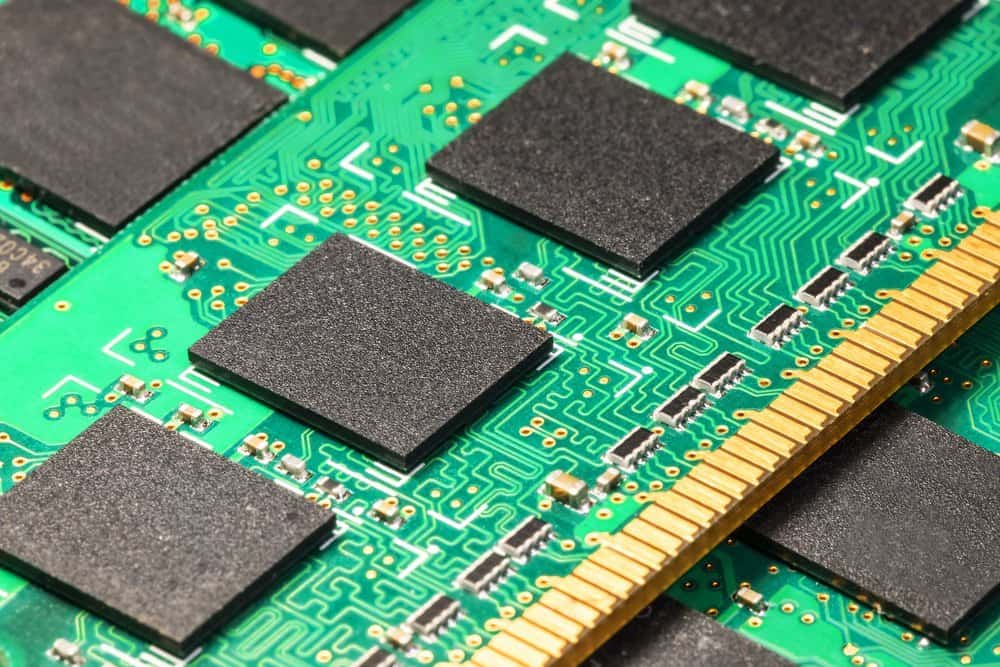
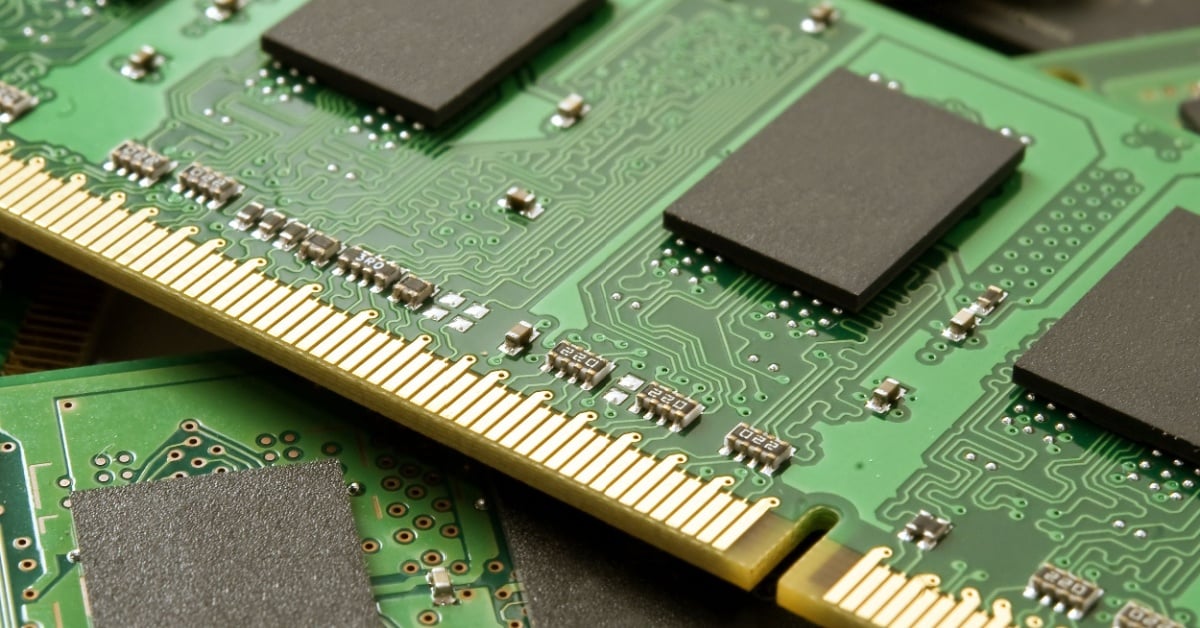
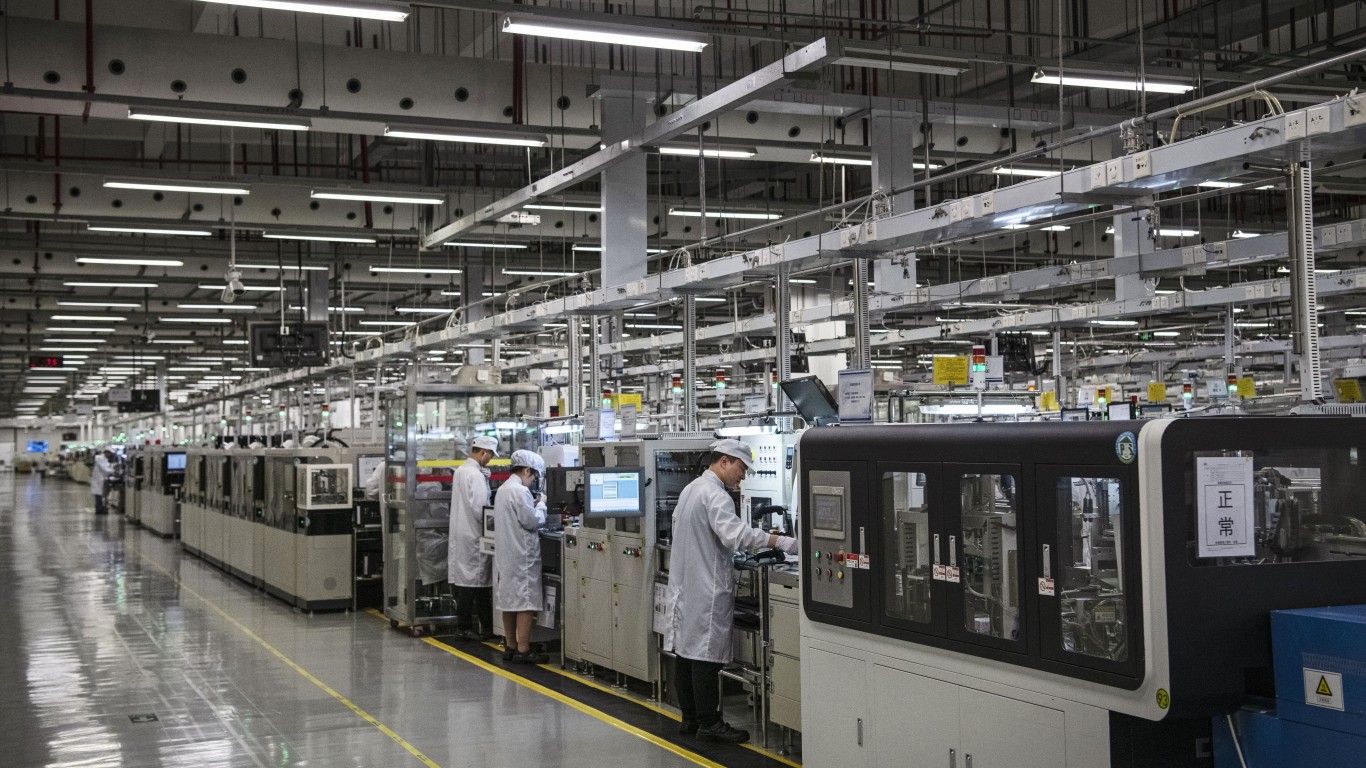
1 month agoDIY PC maker Framework has needed monthly price hikes to navigate the RAM shortage
AI-driven memory and storage price hikes have been the defining feature of the PC industry in 2026, and hobbyists have been hit the hardest-companies like Apple with lots of buying power have been able to limit the price increases for their PCs, phones, and other gadgets so far, but smaller outfits like Valve and Raspberry Pi haven't been so lucky.
Gadgets
from24/7 Wall St.
2 months agoMemory Chip Stocks are Red-Hot. Is it Too Late to Buy?
The memory chip stocks have been really heating up to start the year, thanks in part to the AI-driven RAM shortage, which could last well into the year's end and perhaps beyond. Undoubtedly, AI demand is showing no signs of slowing down, and as the high-performance memory needs continue to blast off, questions linger as to how the top memory players can step up to meet the needs of this unprecedented boom.
Tech industry
fromTheregister
2 months agoPC shipments set to hit the buffers as AI guzzles memory
Memory shortages will likely stunt PC shipments in 2026, as available supplies will not be able to meet demand thanks to memory makers chasing the lucrative AI infrastructure market instead. Overall PC market performance in 2025 was healthy, according to research biz Omdia, but it notes that memory and storage supply was already tightening, with associated upward price pressure emerging around the middle of last year.
Tech industry
fromThe Verge
2 months agoFramework hikes desktop PC prices as RAM shortage drags on
Just weeks after raising the price of its RAM modules, Framework has announced that it's also increasing the price of its desktop PC in response to the global memory shortage. The Framework Desktop with 32GB of RAM and an AMD Ryzen AI Max 385 chip now starts at $1,139, instead of $1,099. "We held off on it for as long as we could, but we had to update our Framework Desktop pricing today to account for the massive increase in LPDDR5x pricing from our suppliers," Framework says in a post on X.
Tech industry
fromFast Company
1 month agoMemory chip stocks: Why Micron and Sandisk are soaring today as shortage fuels global RAM demand
Stock prices jump as demand continues Shares in several memory chip makers traded on U.S. markets are currently up in premarket trading this morning. The companies include Micron and Sandisk, as well as Western Digital Corporation (Nasdaq: WDC) and Seagate Technology Holdings (Nasdaq: STX). As of this writing, Micron shares are currently up 2.9%, Sandisk shares are up 6.2%, Western Digital shares are up 3%, and Seagate shares are up 2.5%.
Tech industry
[ Load more ]