#mexican-cuisine
#mexican-cuisine
[ follow ]
#los-angeles-dining #san-francisco-restaurants #pay-what-you-can-dining #community-support #pandemic-relief
fromTasting Table
4 days agoChef Aaron Sanchez Says This Tex-Mex Staple Is The 'Destruction Of Humanity' - Tasting Table
Chef Aarón Sánchez stated, "It's actually something that's super inaccurate ... I think it's the destruction of humanity," referring to fried tortilla bowls and their lack of authenticity.
Silicon Valley food

fromTasting Table
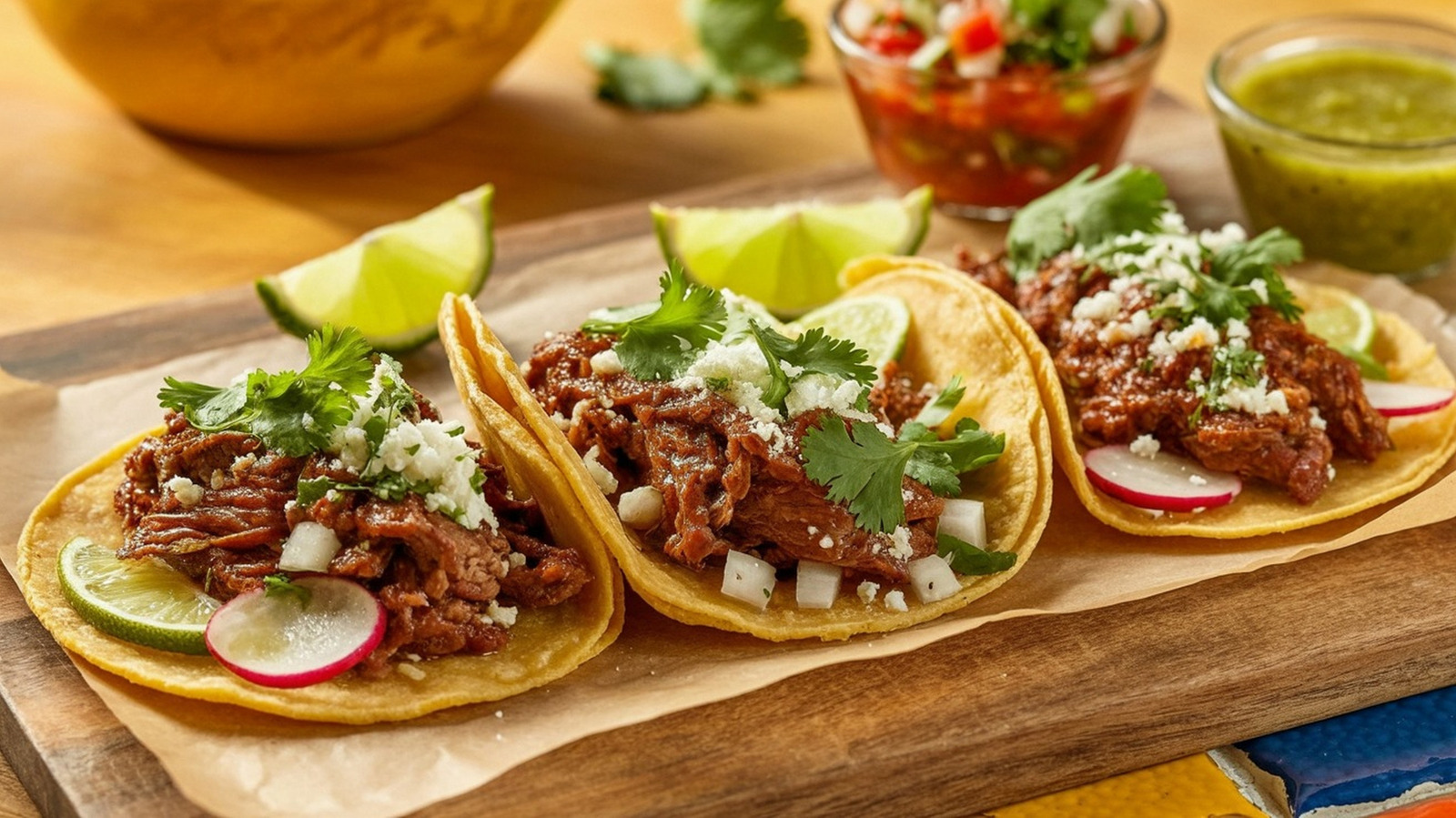
6 days agoGive Cucumber Salad Bright Fiesta Flavors With This Mexican Twist - Tasting Table
Food trends have never moved faster than they do now. With the power of social media, and particularly short-form video, a food can go from a concept in a lone creator's mind to an absolute phenomenon in a matter of hours.
Silicon Valley food
fromEater NY
1 week agoCorima Goes Casual With a New LES Mexican Bar
Bar Chuco will debut on the Lower East Side on 37 Market Street, at Madison Street, starting on Wednesday, April 2. Co-owner Jesse Kranzler tells Eater the team sees Bar Chuco as a sister bar to Corima, which is just a five-minute walk away.
LA food
Madrid food
fromTasting Table
2 weeks agoThis Spicy Meat Is The Key To A Seriously Good Mexican-Style Breakfast Pizza - Tasting Table
Mexican chorizo transforms breakfast pizza into a flavorful dish by adding deep red color, rich seasoning, and sumptuous taste when browned and crumbled onto freshly baked dough with traditional morning ingredients.
fromwww.amny.com
2 weeks agoWhere the storm softens: A Jajaja afternoon in the West Village | amNewYork
Jajaja's entire menu is plant-based, though you would hardly know it once the plates begin arriving. The kitchen operates with the kind of culinary confidence that renders the label almost irrelevant. Flavor leads the experience; the ingredients simply follow.
NYC food
Chicago
fromEater Chicago
10 years agoChicago's Iconic Brunch Restaurants
Chicago's brunch scene offers diverse culinary expressions beyond standard fare, with chefs showcasing cultural influences and capabilities through innovative menus at restaurants like Mercadito, Big Jones, and Superkhana International.
Cooking
fromTasting Table
2 weeks agoThis Simple Trick Transforms Your Salsa Into Something Richer And Deeper - Tasting Table
Frying salsa in hot oil deepens flavor, thickens consistency, and prevents dishes from becoming soggy while allowing incorporation of vegetables that would normally add unwanted moisture.
LA food
fromSFGATE
2 weeks agoThe Calif. family that created the taco truck finally gets its due
King Taco, founded by Raúl and Lupe Martinez in 1974, invented the modern taco truck by converting an ice cream truck into a mobile kitchen, establishing the template for California's ubiquitous food truck culture.
fromTasting Table
2 weeks agoHere's How To Request Your Preferred Spice Level At Restaurants (Without Confusing Your Server) - Tasting Table
Be specific about heat, because it should enhance flavor, not overpower it. Chili peppers are supposed to bring depth, smokiness, even sweetness - not just fire. Chipotles in adobo, for example, contain smoky, sweet, and spicy notes that pair beautifully with red meat dishes or as a saucy base for slow cooker chicken tinga.
Madrid food
Brooklyn
fromBrooklyn Paper
2 weeks agoCrown Heights spot Tamaleria La Madrina brings 100+ year-old recipes to Brooklyn * Brooklyn Paper
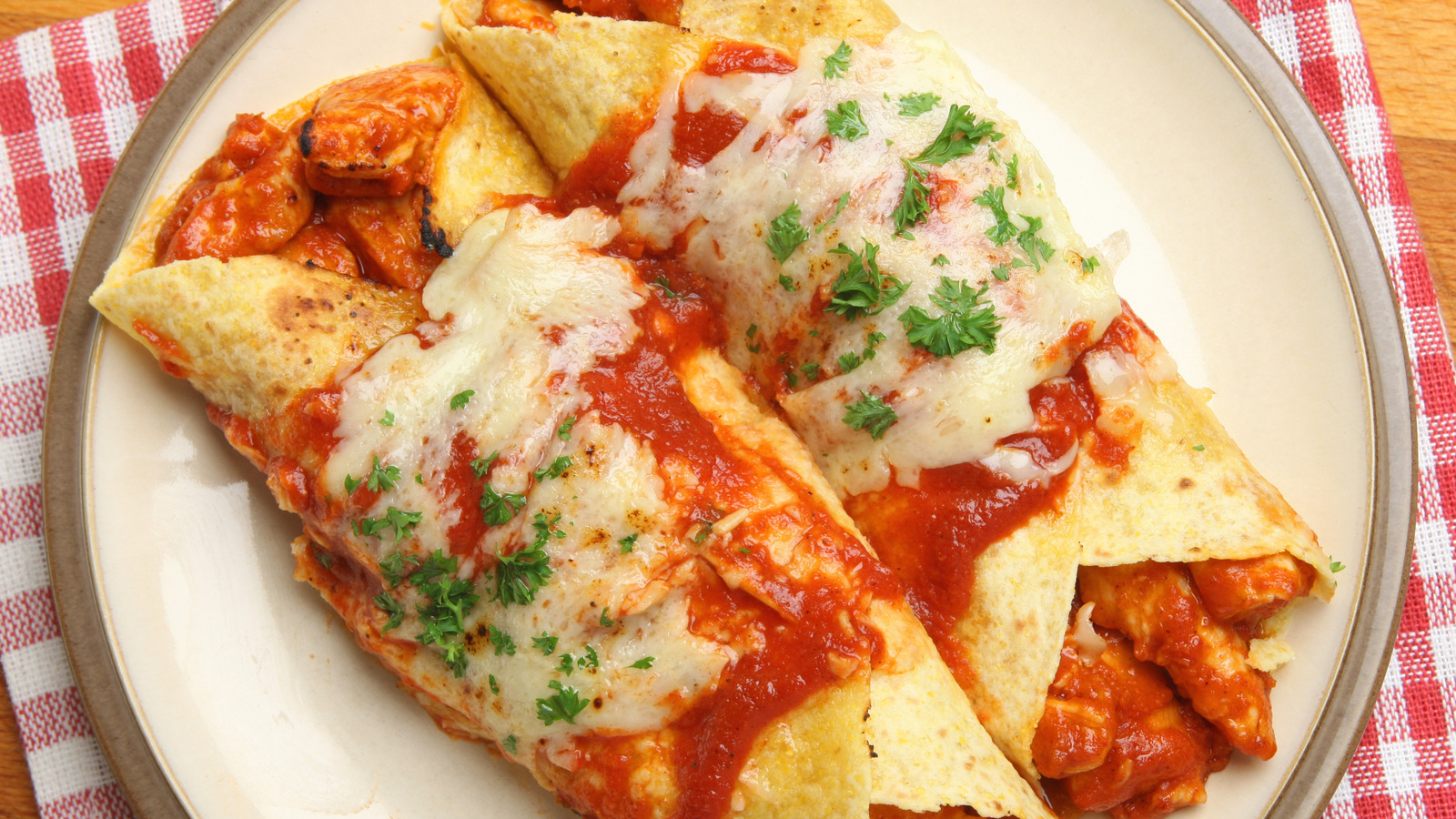
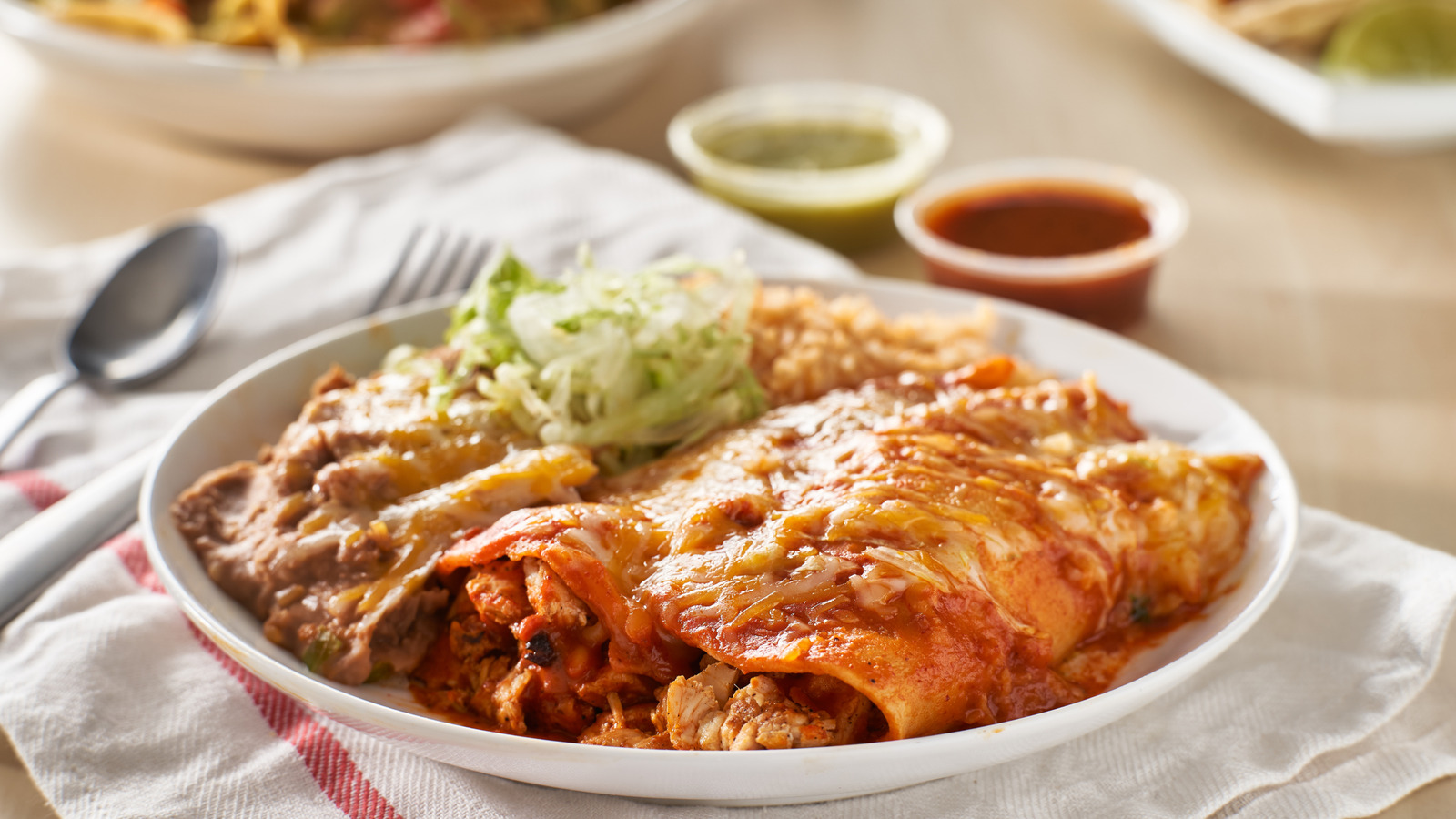
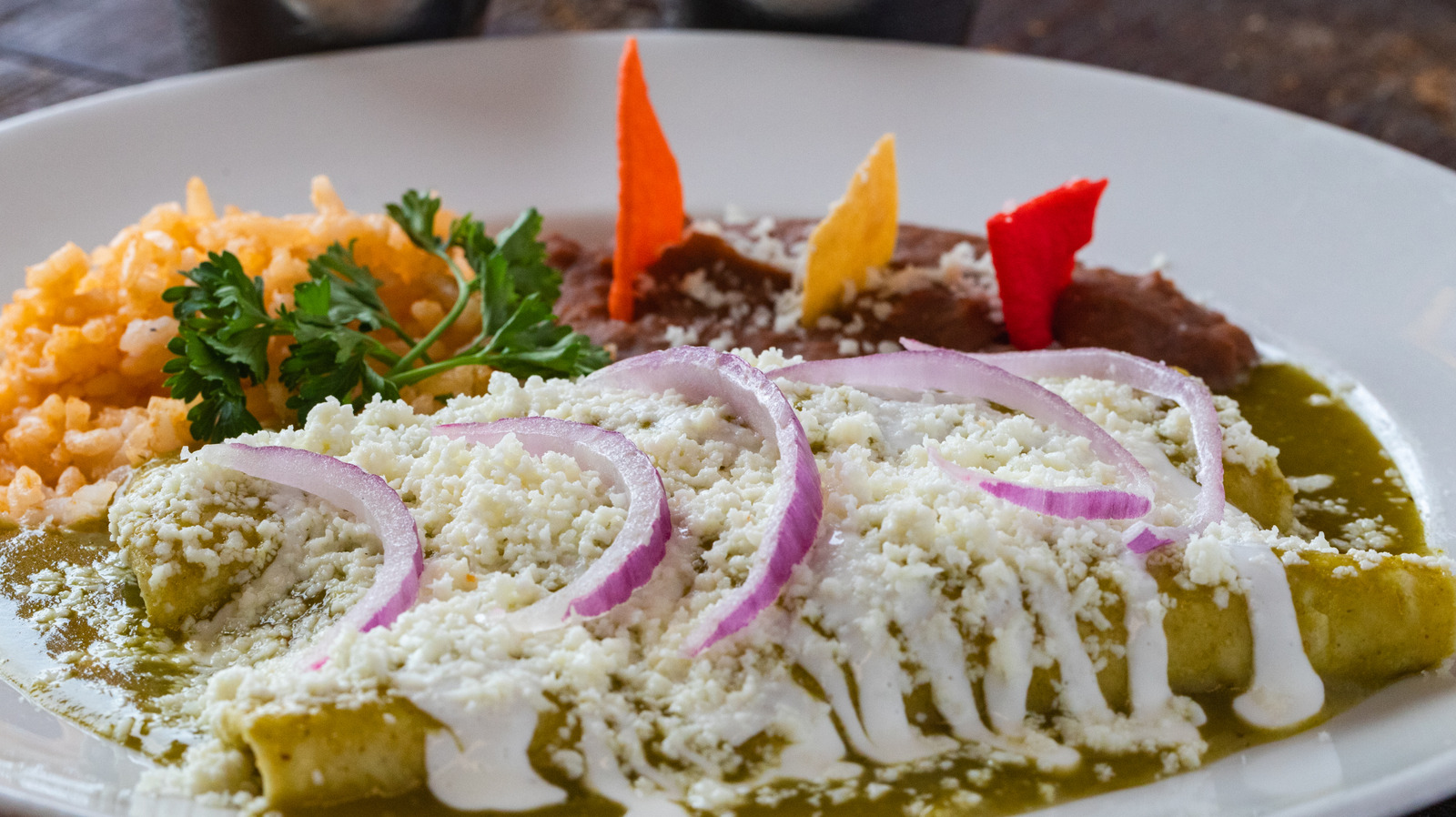
Tamalería La Madrina in Crown Heights offers handmade tamales using family recipes over a century old, providing reliable access to the traditional Mexican dish in Brooklyn.
fromEater LA
2 weeks agoBurritos La Palma's Zacatecan-Style Burritos Remains a Los Angeles Icon
The simplicity of the Zacatecan-style burrito belies its high-quality ingredients - especially when it comes to the house tortillas, comprised of a blend of butter, flour, and salt. You can't go wrong with tender birria, which made the burrito purveyors famous, or any of the quesadillas, which allow the blistered tortillas to shine.
LA food
fromTasting Table
2 weeks agoThis Classic Chowder Practically Begs For A Splash Of Tequila - Tasting Table
A small splash can brighten the sweetness of corn and add a subtle herbal lift. It should enhance - not dominate. Think of it as a squeeze of lime, ever so popular in Mexican food, in spirit form.
Cooking
fromTasting Table
2 weeks agoOversized Burritos Aren't Traditional In Mexico, But Pati Jinich Still Loves Them - Tasting Table
Oversized burritos are more of a north-of-the-border staple. In Mexico, even in northern regions where burritos originate, they're practical and proportionate. This is owed to the differences between traditional Mexican cuisine and its American-adapted counterpart.
Silicon Valley food
#fine-dining
Madrid food
fromSFGATE
2 weeks agoSuperstar chefs just gave this SF neighborhood its only Mexican restaurant
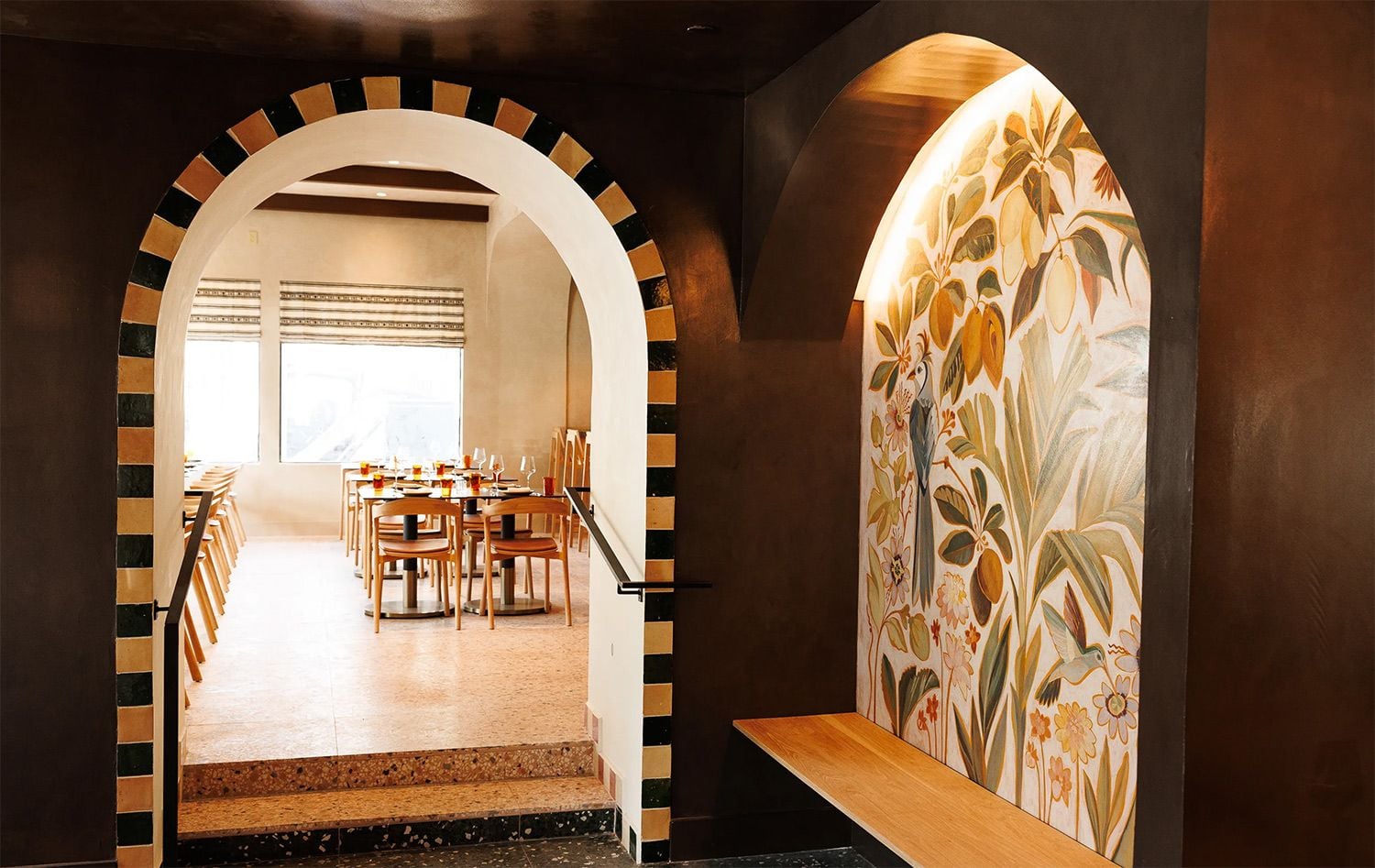
Chef Laura Ozyilmaz, trained at Michelin-starred restaurants worldwide, returns to her Mexican roots by opening Maria Isabel, a restaurant celebrating the regional cuisines of Guerrero and Sinaloa with specialty chocolate and agave-based spirits programs.
Madrid food
fromSFGATE
2 weeks agoSuperstar chefs just gave this SF neighborhood its only Mexican restaurant
Chef Laura Ozyilmaz, trained at Michelin-starred restaurants worldwide, returns to her Mexican roots by opening Maria Isabel, a restaurant celebrating the regional cuisines of Guerrero and Sinaloa with specialty chocolate and agave-based spirits programs.
fromEater LA
3 weeks agoEl Moro's Legendary Churros Are Lighting Up Echo Park
When El Moro opened in January 2026, long queues for its shatteringly crisp, cinnamon-sifted churros immediately formed in Echo Park. After all, this is the first Los Angeles location for the legendary churro maker, having become firmly entrenched in Mexico City culture almost 100 years ago.
LA food
Madrid food
fromTravel + Leisure
3 weeks ago20 Best Things to Do in Oaxaca, Mexico-From Savoring Mole and Mezcal to Exploring Indigenous Art
Oaxaca offers Indigenous heritage, world-class cuisine featuring mole and mezcal, colonial architecture, traditional crafts, and legendary street food experiences.
#masa-production

Silicon Valley food
fromwww.berkeleyside.org
3 weeks agoInside Berkeley's new restaurant devoted to the art of masa
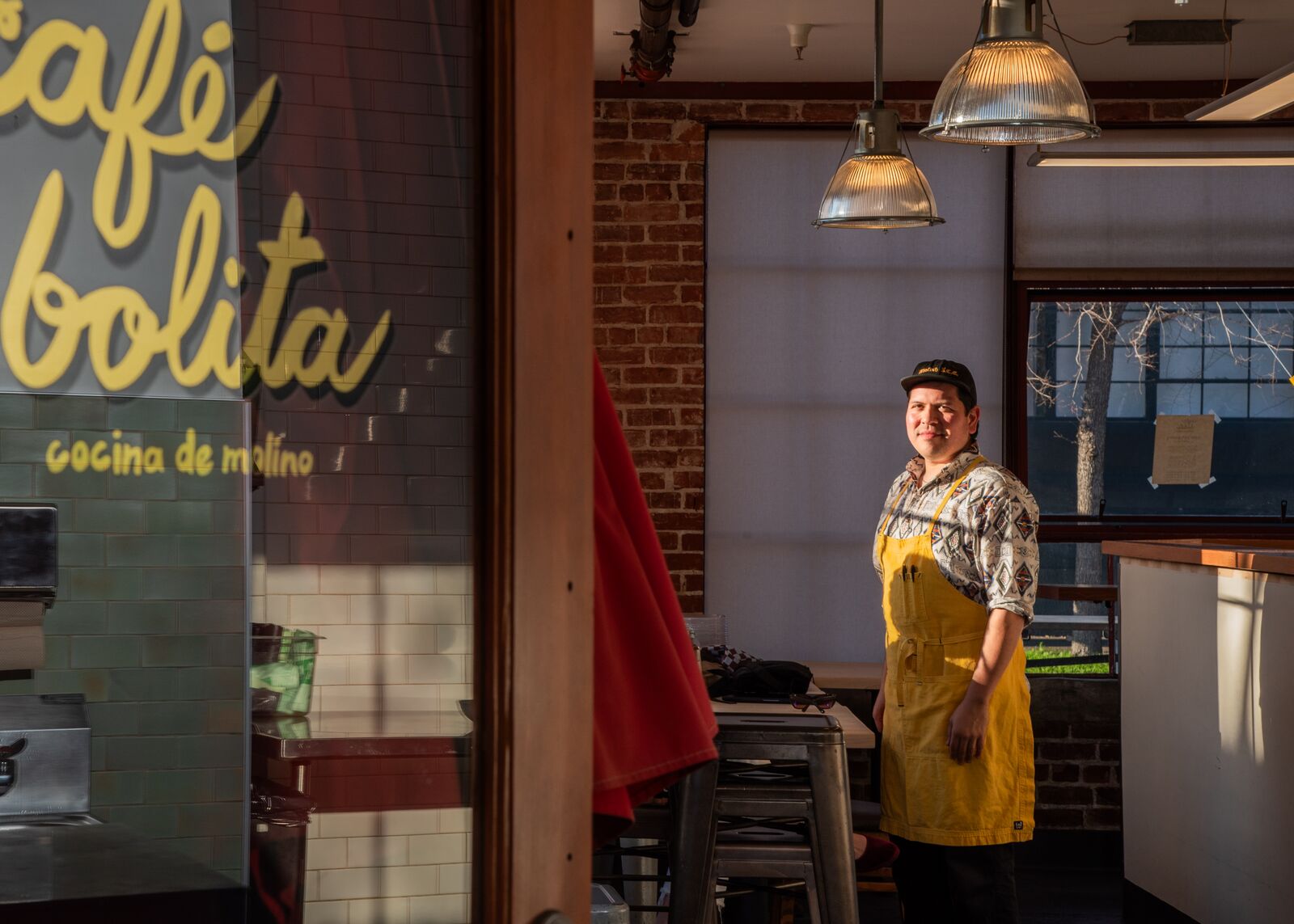
Emmanuel Galvan founded Bolita Masa to elevate masa, a nixtamalized corn dough, by promoting high-quality production and cultural appreciation of this historically undervalued Mexican ingredient.
fromThe Mercury News
3 weeks agoHigh-end Mexican restaurant opens second location on Peninsula
Reposado specializes in high-end Mexican cuisine with dishes like pancita, crispy pork belly served with pico de gallo, handmade tortillas and fresh guacamole; salmon Yucatan, achiote-marinated salmon with Mayan pepita sauce, seasonal vegetables and epazote-seasoned black beans; and enchiladas Oaxaqueñas, a vegan dish featuring green mole.
Portland food
fromLos Angeles Times
3 weeks agoFusing Indian, East African and Mexican flavors - but don't call it 'fusion'
Though they were only serving in town for one night, the chefs and staff behind the Mexico City supernova Masala y Maíz managed to cause what felt like a temporary ripple in L.A. dining during their pop-up last week. It reminded this diner that despite the era's current dedication to culinary and cultural boundaries - you should only cook what you know, write what you know - a spirit of mixture and melding can actually lead to something extraordinary, and not cringey, in practice.
LA food
LA food
fromwww.amny.com
3 weeks agoChef Maycoll Calderon hosts Handshake Speakeasy for NYFW after party with 1800 Tequila | amNewYork
Executive Chef Maycoll Calderon hosted an exclusive New York Fashion Week after-party at Cuna Bar celebrating Mexico City culinary heritage through elevated cocktails and shared Mexican-inspired cuisine.
fromFood & Beverage Magazine
3 weeks agoMauna Kea Beach Hotel Welcomes Chef Miguel Soto
Chef Soto's culinary journey began in the vibrant streets of Mexico City, where food was not just sustenance but a form of storytelling and tradition. His family roots in Mexico instilled a deep appreciation for authentic flavors, which he has blended with his travels around the world. This fusion of culture and cuisine is evident in his culinary philosophy, emphasizing sustainability and craftsmanship.
LA food
Food & drink
fromEater
4 weeks agoHead Way Out on a Wisconsin Peninsula for This Stellar Mexican Spot
Chef Carlos Salgado and his wife opened La Sirena in Door County, Wisconsin, after closing their acclaimed Michelin-starred Taco María in California, bringing high-quality Mexican cuisine to the rural Midwest.
LA food
fromLos Angeles Times
4 weeks agoReview: Goth tacos with tentacles and wild, wonderful cooking at this heavy-metal taqueria
Evil Cooks combines Mexican cuisine with global influences and heavy metal aesthetics, creating unexpected flavor combinations that challenge conventional cooking through dishes like cheeseburger tartare.
fromTasting Table
1 month agoNachos Are A Classic Mexican Dish, But Created To Satisfy American Cravings - Tasting Table
As it's told, the dish of nachos was first thrown together back in the 1940s by a man named Ignacio Anaya García for a troupe of military wives who were famished after a day of shopping. According to many sources, García was actually the maître d' of the Club Victoria, but the chef was nowhere to be found when the ladies arrived.
Madrid food
East Bay food
fromTasting Table
1 month agoSan Antonio's Oldest Mexican Restaurant Is Approaching 100 Years - And Still Going Strong - Tasting Table
La Fonda on Main, San Antonio's oldest continuously operating Mexican restaurant since 1932, maintains authentic interior Mexican and Tex-Mex cuisine while preserving its historic legacy under current ownership.


fromLondon On The Inside
1 month agoWest London institution Taqueria gets a new lease of life
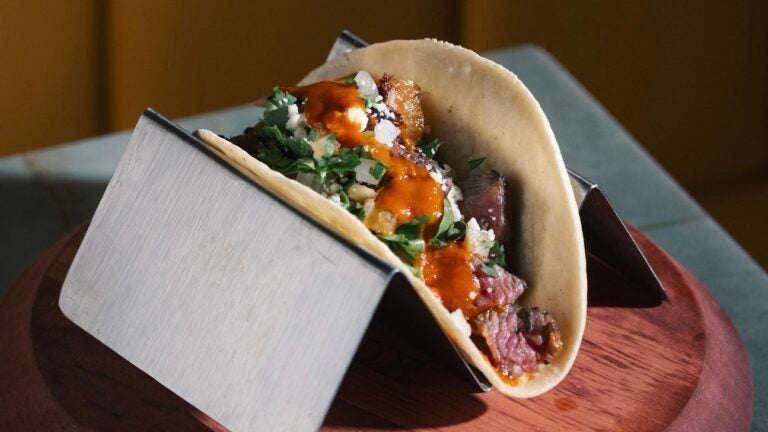
After 20 years on Westbourne Grove, the restaurant will close on 23 February and reopen on Tuesday, 3 March as TAQ, with a new identity and an entirely new menu led by chef Eduardo Yishima and backed by Jackson Boxer. Taqueria was one of London's early Mexican restaurants, but while the city's taco scene has levelled up fast, the menu here has largely stayed the same.
fromFood & Beverage Magazine
1 month agoCantina Contramar: A Taste of Mexico City Arrives on the Las Vegas Strip - Food & Beverage Magazine
The vibrant flavors of Mexico City will take center stage in Las Vegas with the grand opening of Cantina Contramar. Developed by the internationally acclaimed Chef Gabriela Cámara, this new venture at the luxurious Fontainebleau Las Vegas promises to redefine the dining experience on the Las Vegas Strip. With a focus on authentic Mexican cuisine, stellar hospitality, and stunning design, Cantina Contramar is set to become a premier destination for food lovers and hospitality professionals alike.
Food & drink
fromTasting Table
1 month agoMake This 5-Minute Sauce And You'll Never Want Another Taco Night Without It - Tasting Table
While you can usually find dried, whole chipotles in Mexican or Latin supermarkets, they are also widely available in cans, labeled chipotles en adobo, or chipotle peppers in adobo sauce. The adobo sauce usually consists of pureed tomatoes, onions, vinegar, a sweetener like sugar (or sometimes high fructose corn syrup), oil, garlic, and spices, among other things, depending on how it's made. Most importantly, chipotle in adobo is the smoky ingredient to take your tacos to the next level.
Cooking
fromLos Angeles Times
1 month agoThe Best Super Bowl Dip Is This Extra-Cheesy Queso Fundido
The first thing to know about queso fundido is that it's not " queso," the creamy dip, often based on Velveeta, eaten with chips. Queso fundido, which translates to "melted cheese," is just that: It's melted cheese to which you can add sautéed mushrooms, poblano peppers or chorizo. It must be eaten the moment it's done, when the cheese is warm and stretchy.
Cooking

Portland food
fromPortland Mercury
2 months agoGood Morning, News: Federal Agents Who Shot at Alex Pretti Placed on Leave, Sen. Klobuchar Runs for Governor, and More About the January 30 National General Strike
República, Portland's flagship Mexico-forward fine-dining restaurant, will close in February, raising concerns about staff safety and prompting broader conversations about Mexican cuisine.
fromEater NY
2 months agoCasa Susanna Is the Coziest Place in the Catskills
Since 2023, Casa Susanna's chef Efren Hernández has been pouring care and craftsmanship into his cooking at Casa Susanna in the hamlet of Leeds, just over two hours north of the city. And during summertime, the menu definitely celebrates the area's peak produce. But it's dishes like brick-red chicken posole, and the hallmark tetela - right now stuffed with mantequilla beans and Alpine cheese and served with salsa morita - that make a case for a winter visit.
Food & drink
Cooking
fromTasting Table
2 months agoThis Rice Red Flag At A Taqueria Should Make You Turn Around And Leave - Tasting Table
Proper Mexican rice requires slower, traditional preparation of lightly toasted long-grain rice to develop flavor; instant or parboiled rice becomes firmer, less absorbent, and lowers quality.
fromTravel + Leisure
2 months agoThese Are the Top 10 Taco Spots in the U.S.-and Nearly Half Are in This West Coast State
Nearly half of the Top 100 taco spots are based in California. Texas, Arizona, and Hawaii also make impressive showings, with nine, eight, and seven spots, respectively. Hawaii's presence on the list underscores just how deeply tacos have permeated food cultures from coast to coast. Together, the list showcases everything from Tex-Mex and Sonoran-style favorites to seafood-forward Baja tacos and inventive fusion creations.
Food & drink
fromThe Infatuation
2 months agoPuesto Santa Clara - Review - Santa Clara - San Francisco - The Infatuation
The dining room at this Mexican spot blends industrial chic with street art and lots of greenery. There's no shortage of color-like the sapphire-blue leather-backed chairs-and the enormous windows provide lots of light. We love the short rib quesabirria, with fall-apart-tender meat and housemade blue corn tortillas that have just enough chew. The hibiscus-chipotle tinga in chicken al pastor is an ideal combination of sweet and spicy,
Dining
fromThe Oaklandside
2 months agoMamacita now serving pozole and more in Emeryville, plus Square Pie Guys expands to the east
Mamacita, a fast-casual Mexican spot, has opened in Emeryville's Public Market following C Casa's departure in February, the E'ville Eye reports. Mamacita serves staples like tacos, burritos and quesadillas, but reviewers on Yelp are most thrilled about the pozole. (Both red and green are on offer). Mamacita, 5959 Shellmound St., Emeryville
East Bay (California)
fromTasting Table
2 months agoThe Absolute Best Mexican Restaurant In Every State In The US - Tasting Table
Truly great Mexican cuisine is defined by flavorful and fresh dishes, vibrant salsas and handmade tortillas, wonderfully-textured cheeses, regional specialties, and of course, chilies. Unfortunately, Mexican cuisine also tends to get simplified, and some of our least favorite Mexican restaurant chains seem content to serve bland dishes with questionable ingredients. What places are getting it right? We set out to find the best Mexican restaurant in each state, and it wasn't easy.
Food & drink
fromTasting Table
3 months agoHow Birria Evolved From A Food Of Necessity To A Delicacy, According To Chef Rick Martinez - Tasting Table
If you've never had birria before, you're really missing out on not only a meal that's cooked for maximum flavor and tenderness, but one that's rich in history and has evolved over centuries. What's now so popular that even fusion dishes like birria ramen are a trend is a dish that, according to chef Rick Martínez, has deep roots in western Mexico.
Food & drink
fromMission Local
3 months agoCocina Mama Cholita: Mother-son duo brings Michoacan to the Mission
When Jose Villegas' grandparents died, he was in Mexico visiting with his mother. His grandmother, who had been ill for some time, died first, and his grandfather followed two weeks later. In the middle of grief, the mother, Delfina Villegas, and son looked at each other and asked: What will we do? The answer came just as easily: "We'll open a restaurant," the pair said.
Food & drink
fromEater LA
3 months agoBlended Margaritas and Crispy-Shelled Tostadas Reign at This Palos Verdes Legend
At 6:30 p.m. on a Saturday, every seat is taken at the Original Red Onion in Rolling Hills Estates, deep in the Palos Verdes Peninsula. As 20 parties wait for tables, a steady stream of takeout orders flows through the kitchen, and bustling bar patrons hold generously poured jalapeño mezcal margaritas that spill down the green cactus-shaped stems. Throughout the restaurant's multiple rooms, servers maneuver rolling carts of carne asada and saucy enchiladas between tables while they empty and refill chip baskets and salsa bowls.
Food & drink
fromTasting Table
3 months ago6 Fusion Nacho Variations That Go Beyond Tex-Mex - Tasting Table
Those cheese and topping-doused tortilla chips that we know as nachos are one of the greatest snacking foods ever invented. They originated in northern Mexico in a town called Piedras Negras, located right on the Mexico-United-States border, back in the 1940s. The original version was reportedly topped with cheese and jalapeños (an excellent combination, if you ask us), but these days, nachos at your favorite Mexican restaurant can come topped with a slew of ingredients ranging from ground beef, salsa, and scallions.
Food & drink
fromThe Infatuation
3 months agoPosada Alta Cocina - Review - Livermore - San Francisco - The Infatuation
Like a lot of restaurants in Livermore, this spot's strip mall location might throw you off the scent of how good the quality of the food within is. You'll find plenty of classic Mexican specialties on the menu, like still-warm housemade chicharrónes, chicken tinga, and perfectly spiced equites. But don't ignore some of the less-expected dishes, like the parmesan-encrusted cauliflower with chipotle aioli for dipping, or the tender honey butter vegetables-stuffed chile relleno-a pleasantly light take on what is usually a heavy entrée.
East Bay food
fromTasting Table
3 months agoThis Utah-Born Mexican Restaurant Chain Has Over 150 Locations Across The Western US - Tasting Table
When you think of Utah, Mexican food probably isn't the first menu option that comes to mind. But one Mexican restaurant chain began its journey in St. George and has since grown to more than 160 restaurants across 11 states, including California, Washington, Arizona, Idaho, Montana, and Colorado. Cafe Rio Mexican Grill opened in 1997 when founders Steve and Patricia Stanley wanted to bring their take on Northern Mexican and Tex-Mex flavors to southern Utah. Little did they know how big it would become.
Food & drink
East Bay food
fromwww.berkeleyside.org
3 months agoThe best restaurant in the East Bay is a neighborhood treasure' that prompts inter-continental travel
Dimond District restaurant Bombera, led by chef Dominica Rice-Cisneros, won Best Restaurant Overall again, praised for elevated Mexican cuisine, ambiance, and standout dishes.
East Bay (California)
fromThe Oaklandside
3 months agoThe best restaurant in the East Bay is a 'neighborhood treasure' that prompts inter-continental travel
Bombera wins 2025 Nosh Awards Best Restaurant Overall; chef Dominica Rice-Cisneros praised for elevated, seasonal Mexican cuisine, lively ambience, and beloved neighborhood appeal.
fromTasting Table
3 months agoForget Lime And Salt - This Is The Traditional Tequila Chaser - Tasting Table
Shots are the quickest way to get tequila down, but there's a way to actually enjoy the taste of tequila without trying to mask it with salt and lime juice. In an interview with Tasting Table, Jaime Salas, Head of Advocacy & Legacy for Jose Cuervo Tequila deemed the tried and true lime and salt duo "training wheels." But, says Salas, "while salt and lime are known as a dynamic duo when enjoying tequila shots, sangrita brings flavor contrast that still compliments the expression."
Food & drink
fromEater Boston
3 months agoCheeky Tiki Mugs and $5 Tacos Are the Draws at Cambridge's Newest Mexican Restaurant
Cambridge got a new over-the-top restaurant that will mesh Mexican cuisine with 1990s mall culture - 13-foot-tall Aztec-inspired statues, a lush jungle interior, cheeky tiki mugs, and $5 tacos. This is what you'll find at Gato Exotico, the new dining destination from the team behind playful, immersive American Chinese restaurant Wusong Road in Harvard Square. Gato Exotico is the latest addition to CambridgeSide, a longstanding Lechmere-area mall that's been reimagining its food options, starting with swanky food hall and bar CanalSide, which opened last year.
Dining
[ Load more ]