#minimalist-modernism
#minimalist-modernism
[ follow ]
#architecture #interior-design #home-decor #design #minimalism #sustainability #furniture-design #product-design



fromTasting Table
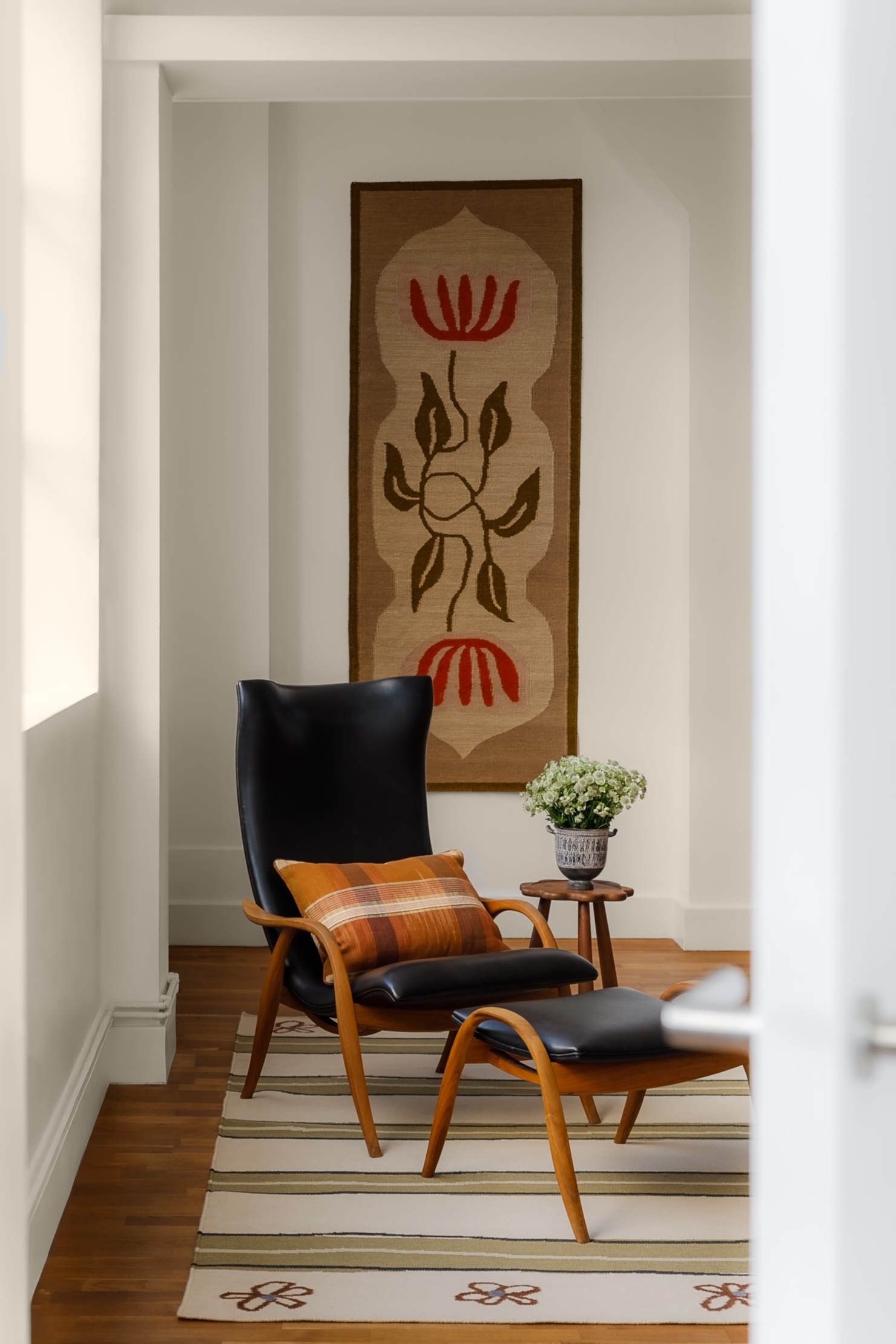
3 days ago10 Retro Appliances We Rarely See In Kitchens Today - Tasting Table
Iceboxes were large lined, insulated wooden cupboards built to store ice, food, and drinks. The ice would usually be placed on the upper shelf, with the food and drinks below, and the cool air from the melting ice would help to keep everything nice and chilled.
Everyday cooking
#furniture-design
fromArchitectural Digest
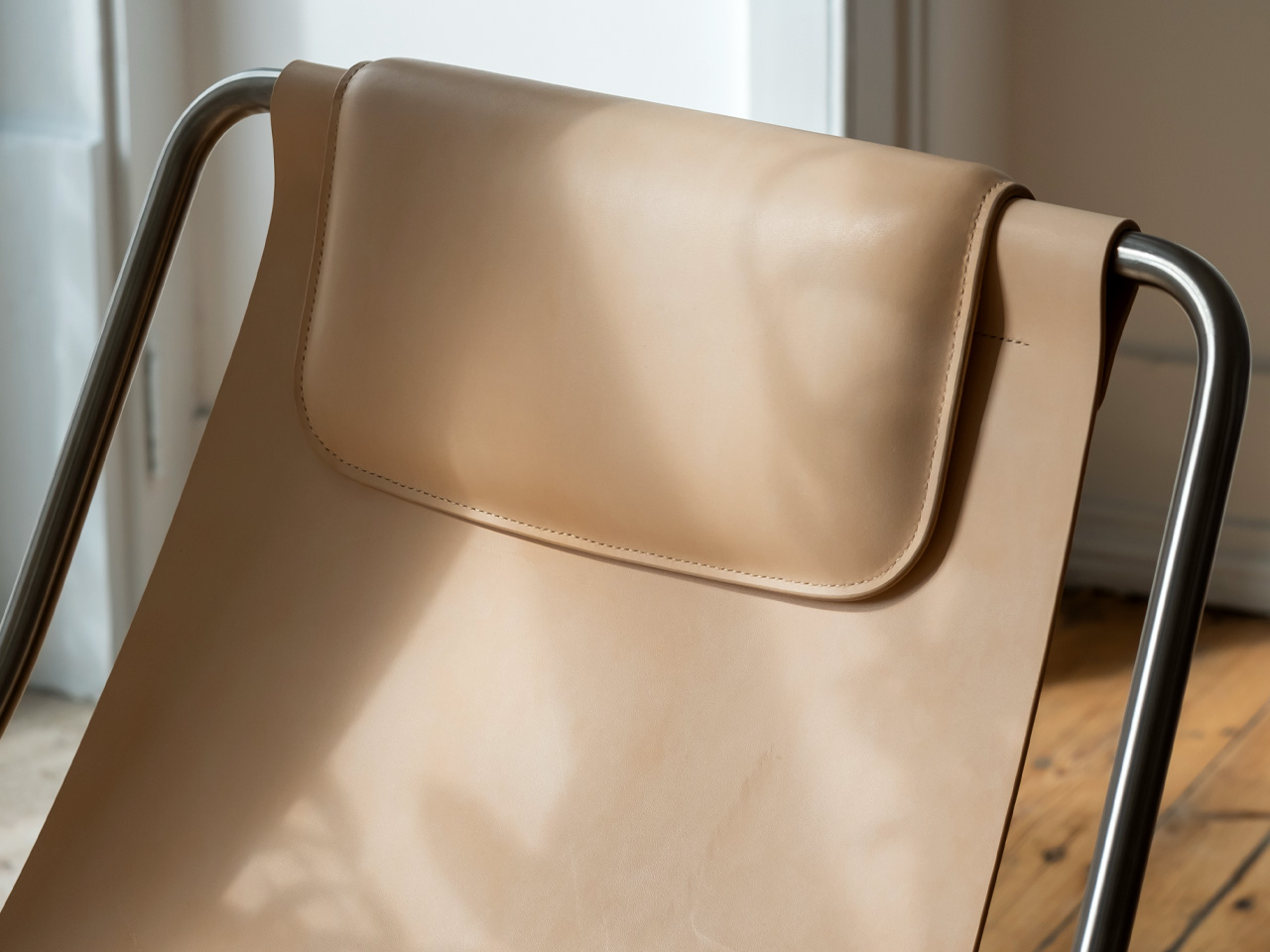
2 weeks agoHome Design for a Longer Life: Can a House Really Promote Longevity?
When you design your home with intentionality, you are essentially 'hard-coding' healthy behaviors into your daily rhythm. Health outcomes are the result of thousands of micro-decisions—so in his own home, he prioritized spaces like the kitchen, whose open layout makes cooking a pleasure, and the gym, centrally located.
Wellness
fromArchitectural Digest
1 day agoI'm Done Sourcing So Much Online. Here's Why
The convenience of sourcing online is fraught with more pitfalls than most of us want to admit. Try finding adequate photos of a vintage piece's condition-close-ups of the fabric, video of damaged areas, any images of a piece's rear or underside!
UX design

Arts
fromHyperallergic
3 weeks agoMid-Century Modernism Goes Rogue in "Chair-ish"
Artists Alex Chitty and Norman Teague deconstruct and reimagine iconic design furniture pieces, transforming them into experimental sculptural objects that challenge conventional notions of functionality and design heritage.
Renovation
fromYanko Design - Modern Industrial Design News
3 days agoThis Tiny House Has 30 Feet of Glass and Feels Nothing Like a Tiny House - Yanko Design
The Shoreline Glass House redefines tiny living with spacious, light-filled design and single-floor layout, offering a unique blend of comfort and openness.
fromRemodelista
5 days ago11 Design Lessons from Eileen Gray's E-1027 in Roquebrune-Cap-Martin, France - Remodelista
E-1027 is one of the most perfect examples of modernist architecture, with its hyper-functional design and nonexistent ornamentation, minimalist yet thoughtful and deeply attuned to its environment.
Renovation
Gadgets
fromYanko Design - Modern Industrial Design News
1 month ago5 Best Desk Accessories That Turn Your Workspace Into a Minimalist Studio - Yanko Design
A deliberate, minimalist desk filled with purposeful, well-designed accessories inspires focus and reshapes how work is done by blending beauty with functional craftsmanship.
Design
fromYanko Design - Modern Industrial Design News
3 days agoBiomimetic Architecture Reaches New Heights With This Bird-of-Paradise Yoga Space - Yanko Design
Thilina Liyanage's architecture translates animal gestures into functional designs, exemplified by the Rifle Bird Yogashala inspired by the Victoria's riflebird's courtship display.
Design
fromYanko Design - Modern Industrial Design News
6 days ago5 Scandinavian Product Trends That Will Make Your Home Instantly Feel Like Hygge - Yanko Design
Scandinavian design emphasizes clean lines, natural materials, and functionality, creating a harmonious balance between aesthetics and practicality.
fromRemodelista
1 month agoFuture Tense: 11 Design Trends for 2026 - Remodelista
Pigments Instead of Paints Experimental Art Spaces Return to Analog Above: You've probably seen the recent surge of "analog bags": tote bags filled with knitting, small sewing projects, crossword puzzles (the kind on paper), and other things to fill in-between moments. Call it analog, call it DIY, but making things-and antidotes to doomscrolling-is a move we can get behind in 2026. Photograph via artist Kate Kilmurray from Natural, Hand-Woven DIY Potholders Will Have You Revisiting a Childhood Craft.
Renovation
fromTasting Table
2 months agoThese Neutral Kitchens Prove That Less Is Sometimes More - Tasting Table
But as everyone is chasing micro-trends, choosing a neutral kitchen and following your personal style comes across as more wise and timeless than ever. As seen in the 10 neutral kitchens below, hues like whites and off-whites, blacks, grays, beiges, and earth tones can be combined in infinite ways and applied to different textures and materials, to create kitchens that are dynamic, clean, and classy all at once.
Design
fromYanko Design - Modern Industrial Design News
2 months ago5 Interior Design Trends That Just Made Minimalism Obsolete in 2026 - Yanko Design
Architects today see the home as more than just a place to live. It is now understood as a space that affects how people think, feel, and live each day. By 2026, the field has clearly moved away from cold, uniform minimalism. Instead, design choices such as color, shape, and proportion are made with clear intent, helping to create spaces that support everyday life.
Design
fromArchDaily
2 months agoFrom Industry to the Living Room: Metal Furniture in Interior Architecture
How did a material conceived for bridges, factories, and large-scale structures make its way to the living room bench, the apartment bookshelf, the café table? For centuries, metal was associated with labor, machinery, and monumentality-from the exposed structures of 19th-century World's Fairs to the productive logic of modern industry. Its presence in domestic interiors is not self-evident but rather a cultural achievement: the transformation of an industrial material into an element of everyday, intimate use, in close proximity to the body.
Design
[ Load more ]