#mining-expansion-in-biodiversity-areas
#mining-expansion-in-biodiversity-areas
[ follow ]



fromwww.aljazeera.com
6 days agoMinerals for aid: Are new US health deals exploiting' African countries?
In late 2025, the United States shocked the world by suspending global health aid, leading experts to predict 700,000 additional deaths annually, primarily among children. This prompted the US to propose unusual bilateral health agreements with developing countries, which have drawn criticism for being exploitative.
Public health
fromHigh Country News
6 days agoForest Service overhaul sows confusion, concern - High Country News
"Nobody is asking for this. None of the farm groups want this. No one in conservation wants this. Nobody." Robert Bonnie, former Forest Service undersecretary, highlights widespread opposition to the reorganization.
Washington DC
fromHigh Country News
23 hours agoThe Trump administration sent Greater Yellowstone into chaos. What's next? - High Country News
We found our route but advanced only a few hundred yards before encountering an impassable logjam. The dense forests on either side meant that we couldn't go around it, only through.
Environment
Environment
fromwww.theguardian.com
4 days agoIf they pollute our rivers, what will become of us?': the town divided between hope and fear in Brazil's Amazon oil rush
Oiapoque, Brazil, is poised for development through oil production, raising concerns about environmental impacts and Indigenous rights amid a global energy transition.
fromSFGATE
2 weeks agoThe race to save endangered mountain lions in the Calif. desert
Before state Route 62 was built, there was seamless 95-mile-long habitat connectivity between the San Bernardino and Little San Bernardino mountain ranges, extending from the I-10 south of Joshua Tree National Park to the I-15 near the Cajon Pass. Now, plans for two new wildlife crossings across the highway aim to bring back some of that connectivity, while potentially saving a local population on the brink of extinction in the process.
SF parents
fromTruthout
3 weeks agoEcuador Is Suspending the Bank Accounts of Environmental Activists
Financial strangulation, as he put it, is the latest weapon in the government's escalating effort to clear the way for expanded mining and oil development in one of the world's most biodiverse countries. Months earlier, officials had temporarily frozen the accounts of several of Ecuador's most prominent environmental defenders, including Tapia, citing investigations into unjust private enrichment and financing terrorism.
Social justice

fromHarvard Business Review
3 weeks agoHow To Deliver on ESG Initiatives in Emerging Market
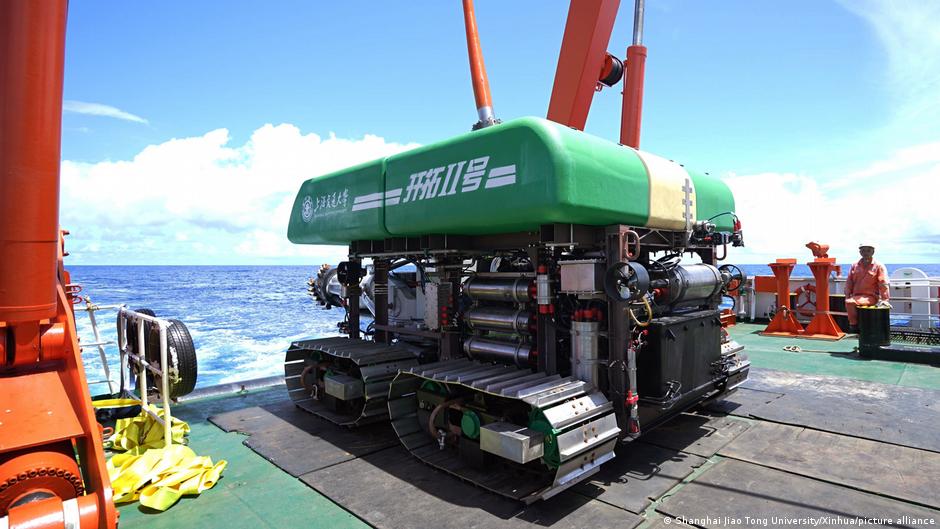
Multinational firms are under rising pressure-from investors, regulators, and employees-to demonstrate positive societal impact in the places where they do business. With ESG-focused institutional investments projected to reach nearly $34 trillion this year and roughly 90% of large U.S. companies now disclosing ESG reports, these pressures are now a central part of corporate strategy.
Business
fromwww.kaltblut-magazine.com
3 weeks agoThe Climate Crisis
At a young age, I learned quickly how oil wealth and power could burn the land while people struggled. I saw heat rise off the streets, the Nile strained, and the air thickened with injustice. In my teenage years, through Aotearoa, being on the edge of the Pacific, I felt the ocean breathing heavy, swallowing the shores of islands that have done the least to cause this harm.
Photography
fromMail Online
6 days agoBritain has just 20 years to save its wildlife, experts warn
'Our results show that the next 20 years are critical,' lead author Dr Rob Cooke told the Daily Mail. 'By around 2050, we reach a point where the choices we make on emissions and land use will largely determine whether Britain moves towards a much more degraded or a much more nature‑positive future.'
Environment
fromwww.cbc.ca
3 weeks agoOntario to consolidate 36 conservation authorities into 9 | CBC News
Ontario will consolidate its 36 conservation authorities into nine across the province. Environment Minister Todd McCarthy says there will be no job losses as a result. He says the province listened to feedback after several town halls and 14,000 comments on its plan, which initially proposed having seven conservation authorities.
Canada news
fromwww.theguardian.com
6 days agoFederal God squad' exempts oil and gas drilling in Gulf of Mexico from endangered species rules
The Endangered Species Committee voted to approve the request for the ESA exemption at the request of the defense secretary, Pete Hegseth. Hegseth has said environmentalists' lawsuits against the industry threatened to hobble the nation's energy supply, while environmentalists fear drilling could kill off protected species including Rice's whales, whooping cranes and sea turtles.
Environment
Environment
fromTruthout
2 weeks agoGrowing Presence of AI Data Centers Prompts Debate on Native Lands
AI data center expansion creates environmental and cultural challenges for Native American tribes, sparking debates over tribal digital sovereignty and regulatory needs for data infrastructure control.
Environment
fromwww.theguardian.com
3 weeks agoMining's toxic timebomb: dams full of poisonous waste are dotted around the world. What happens when they burst?
A tailings dam collapse at a Chinese copper mine in Zambia released over 50 million cubic liters of acid and heavy metals into the Kafue River, causing widespread environmental devastation, water supply shutdowns, and agricultural destruction affecting millions of people.
Environment
fromwww.theguardian.com
3 weeks agoThis is the story of Weda Bay and how nature is being sacrificed for mining
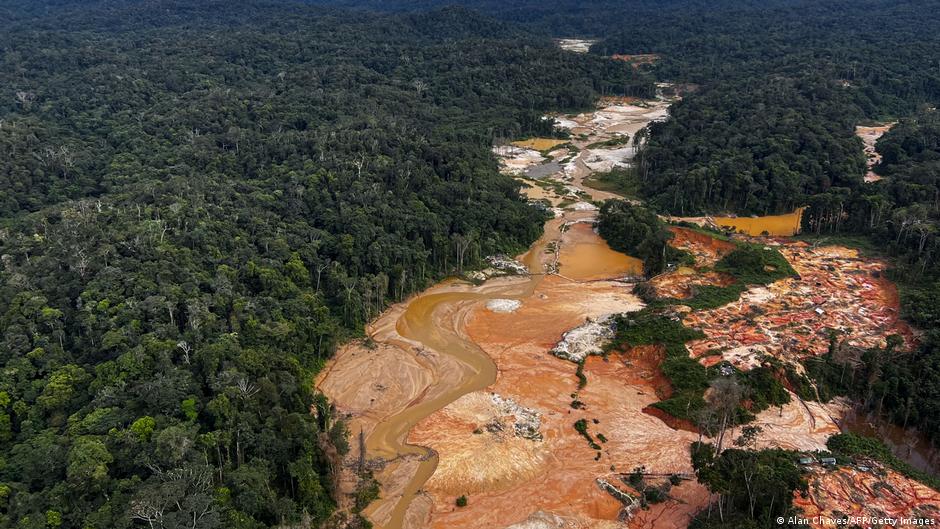
Mining operations in key biodiversity areas are expanding globally, with over 3,267 operations accounting for nearly 5% of the sector's footprint, driven by demand for green energy transition materials.
fromwww.theguardian.com
3 weeks agoThe last frontier': how red globules of nickel ore are suffocating an island's precious wilderness
Laterite deposits are created by intense humidity and tropical weathering of rock and so they form in the tropics, often in hotspots for biodiversity and rich, intact rainforests. These deposits account for about 70% of the world's reserves of nickel, a mineral now in high demand for manufacturing batteries, especially for electric cars and clean energy infrastructure.
Environment
Social justice
fromNature
1 month agoMy professor said 'Black people are not interested in the environment'. I set out to prove him wrong
Dorceta Taylor pioneered research, programs, and leadership to document and advance racial diversity, inclusion, and environmental justice within environmental science and conservation.

fromwww.theguardian.com
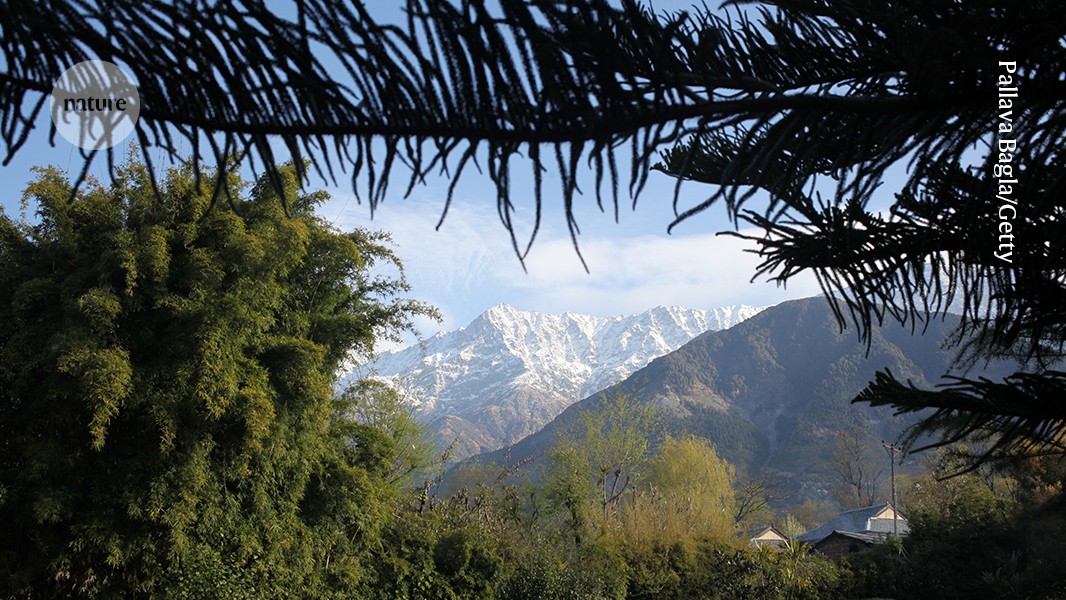
1 month agoHumanity heating planet faster than ever before, study finds
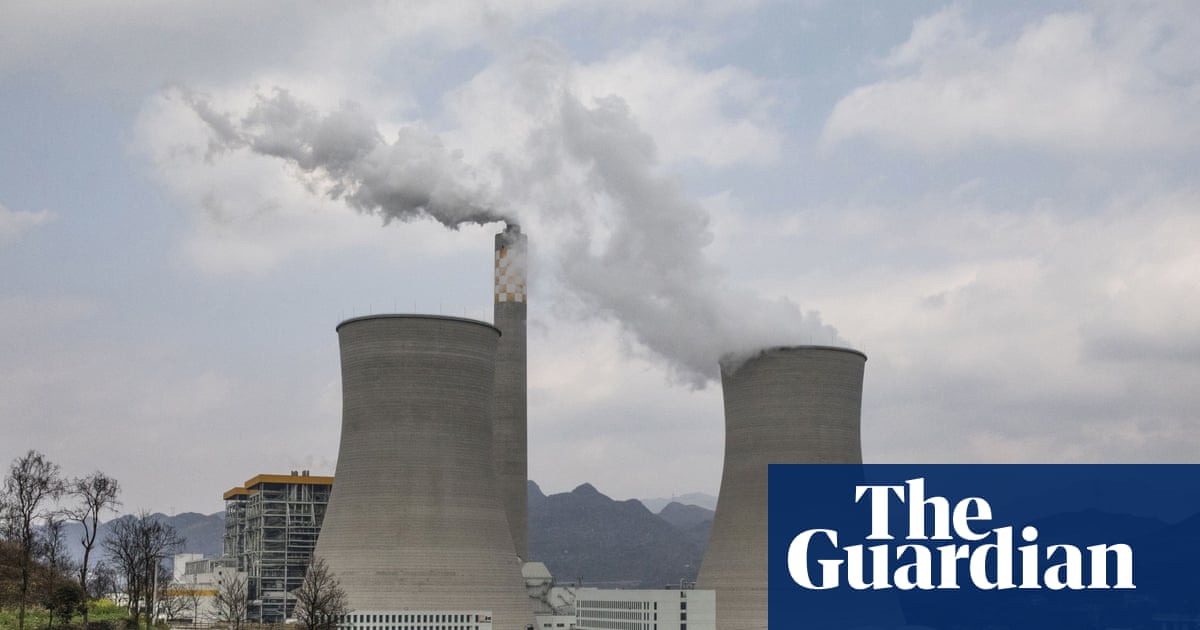
Climate breakdown is occurring more rapidly with the heating rate almost doubling, according to research that excludes the effect of natural factors behind the latest scorching temperatures. It found global heating accelerated from a steady rate of less than 0.2C per decade between 1970 and 2015 to about 0.35C per decade over the past 10 years.
Environment
Environment
fromwww.theguardian.com
1 month agoAustralian wildlife in harm's way' with volunteers left to pick up the pieces' amid climate crisis, fires and floods
Labor is urged to establish national wildlife protection standards for disaster response, with advocates warning biodiversity risks could become irreversible without coordinated government-funded rescue and rehabilitation services.
Environment
fromwww.mercurynews.com
1 month agoOpinion: AI is destroying our planet. We must act to check its growth and save ourselves.
AI's environmental impact is severe, with 2025 freshwater consumption exceeding global bottled water use and projected energy demands by 2034 matching India's entire consumption, requiring immediate action.
fromwww.santacruzsentinel.com
1 month agoFederal deep-sea mining proposal sparks backlash from Santa Cruz County leaders
The resolution, drawn up by 3rd District Supervisor Justin Cummings, states that deep-sea mining remains an unproven, speculative industry with no demonstrated record of safe commercial-scale operation, while existing coastal and ocean economies including fisheries, tourism, recreation, and cultural practices depend upon healthy marine ecosystems that could be jeopardized by seabed mining impacts.
Environment
fromwww.theguardian.com
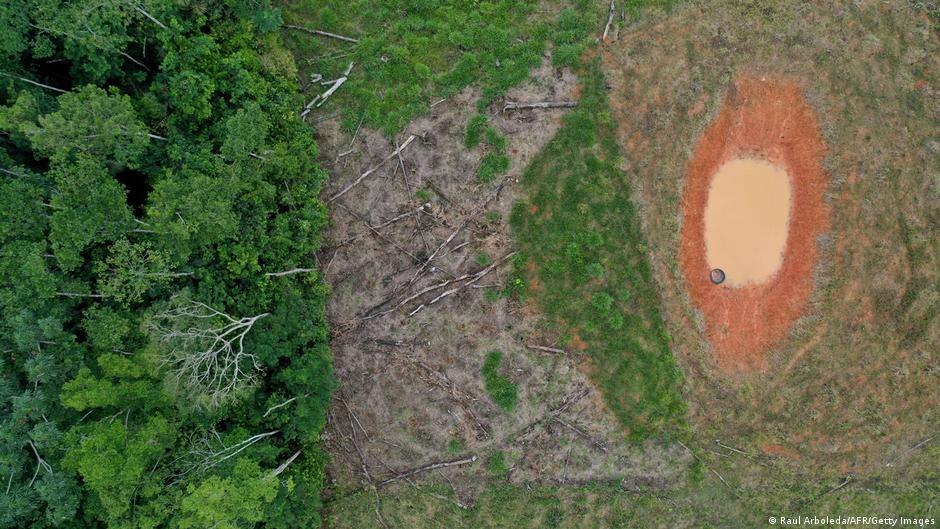
2 months agoNearly 200 arrested in cross-border crackdown on gold mining in Amazon
Police and prosecutors from Brazil, French Guiana, Guyana and Suriname have arrested nearly 200 people in their first joint cross-border operation targeting illegal gold mining in the Amazon region, authorities said. The operation was backed by Interpol, the EU and Dutch police specialising in environmental crime. It involved more than 24,500 checks on vehicles and people across remote border areas and led to the seizure of cash, unprocessed gold, mercury, firearms, drugs and mining equipment, Interpol said.
Environment
Environment
fromSocial Media Explorer
1 month agoEntorno Law and the Role of Public Interest Law in Protecting Communities and the Environment - Social Media Explorer
Public interest law ensures accountability and enforces environmental and consumer protections to safeguard public health, community welfare, and natural resources while promoting sustainability and fairness.
Environment
fromwww.theguardian.com
2 months agoIndonesia takes action against mining firms after floods devastate population of world's rarest ape
Indonesia revoked 28 company permits and sued six firms for environmental damage after floods and landslides devastated Batang Toru, killing 1,100 people and Tapanuli orangutans.
fromFast Company
1 month agoThese digital tools are stepping up the global fight against wildlife trafficking
In late 2025, Interpol coordinated a global operation across 134 nations, seizing roughly 30,000 live animals, confiscating illegal plant and timber products, and identifying about 1,100 suspected wildlife traffickers for national police to investigate. Wildlife trafficking is one of the most lucrative illicit industries worldwide. It nets between US$7 billion and $23 billion per year, according to the Global Environment Facility, a group of nearly 200 nations as well as businesses and nonprofits that fund environmental improvement and protection projects.
Environment
Environment
fromwww.theguardian.com
2 months agoAfrica's great elephant divide: countries struggle with too many elephants or too few
Elephant numbers contrast sharply: catastrophic declines in South Sudan, with a lone collared bull in Badingilo, versus overabundance and human conflict in parts of Kaza.
[ Load more ]