#minneapolis-violence
#minneapolis-violence
[ follow ]
#immigration-enforcement #minneapolis #ice #protests #use-of-force #police-shooting #minneapolis-shooting




fromSlate Magazine
2 months agoWhen The Constitution Is Being Shredded, Legal Memos Are Not The Answer
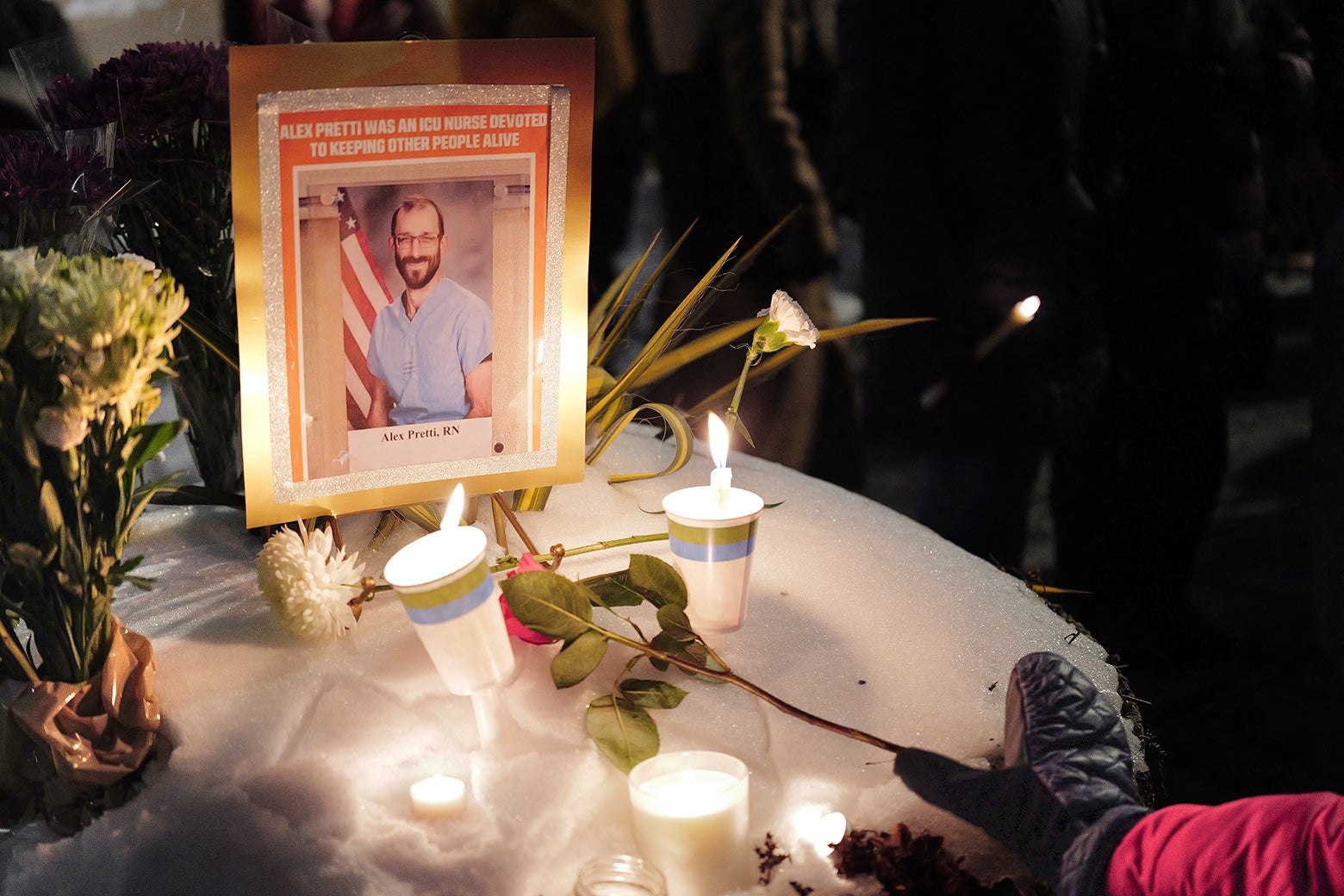
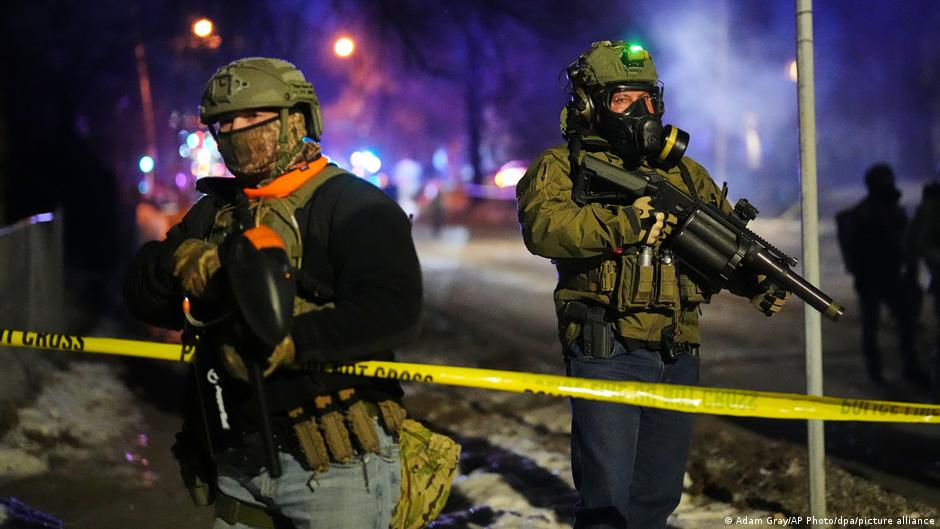
Lawyers love legal reasoning. It promises a clean, clear path through sticky, tricky territory. But legal reasoning can enable grotesque real-world outcomes, like torture, or arresting journalists, or masked government agents detaining and disappearing people. On this week's Amicus, Dahlia Lithwick is in conversation with Joseph Margulies, Professor of Practice of Government at Cornell University. Margulies litigated some of the biggest cases of egregious human rights violations of the post-9/11 "War on Terror", an experience that informed his recent piece in the Boston Review:
Law


fromTruthout
1 month agoThe Love We See in Minneapolis Isn't Exceptional - It's How We Survive Together
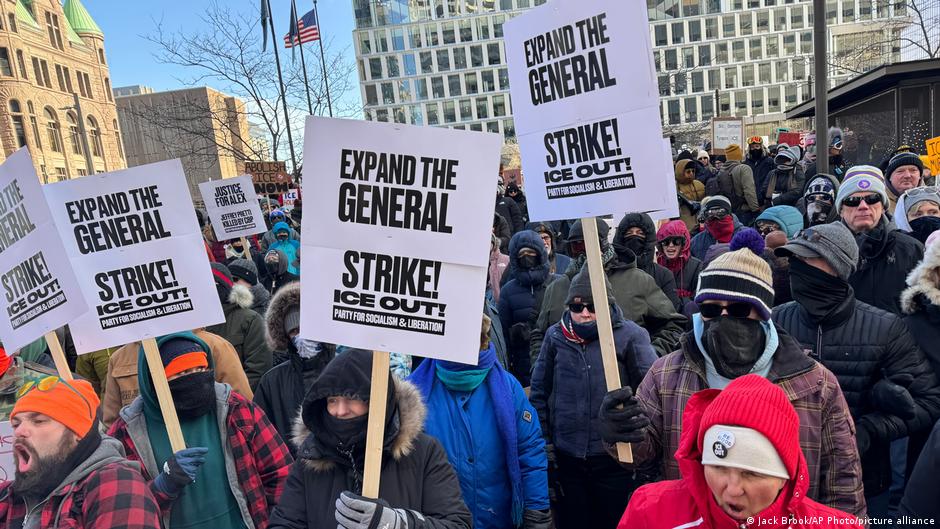
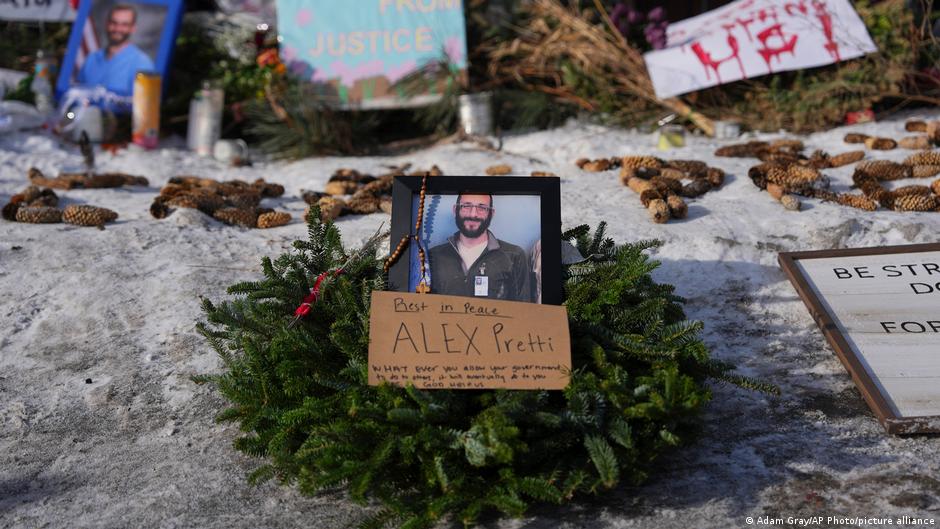
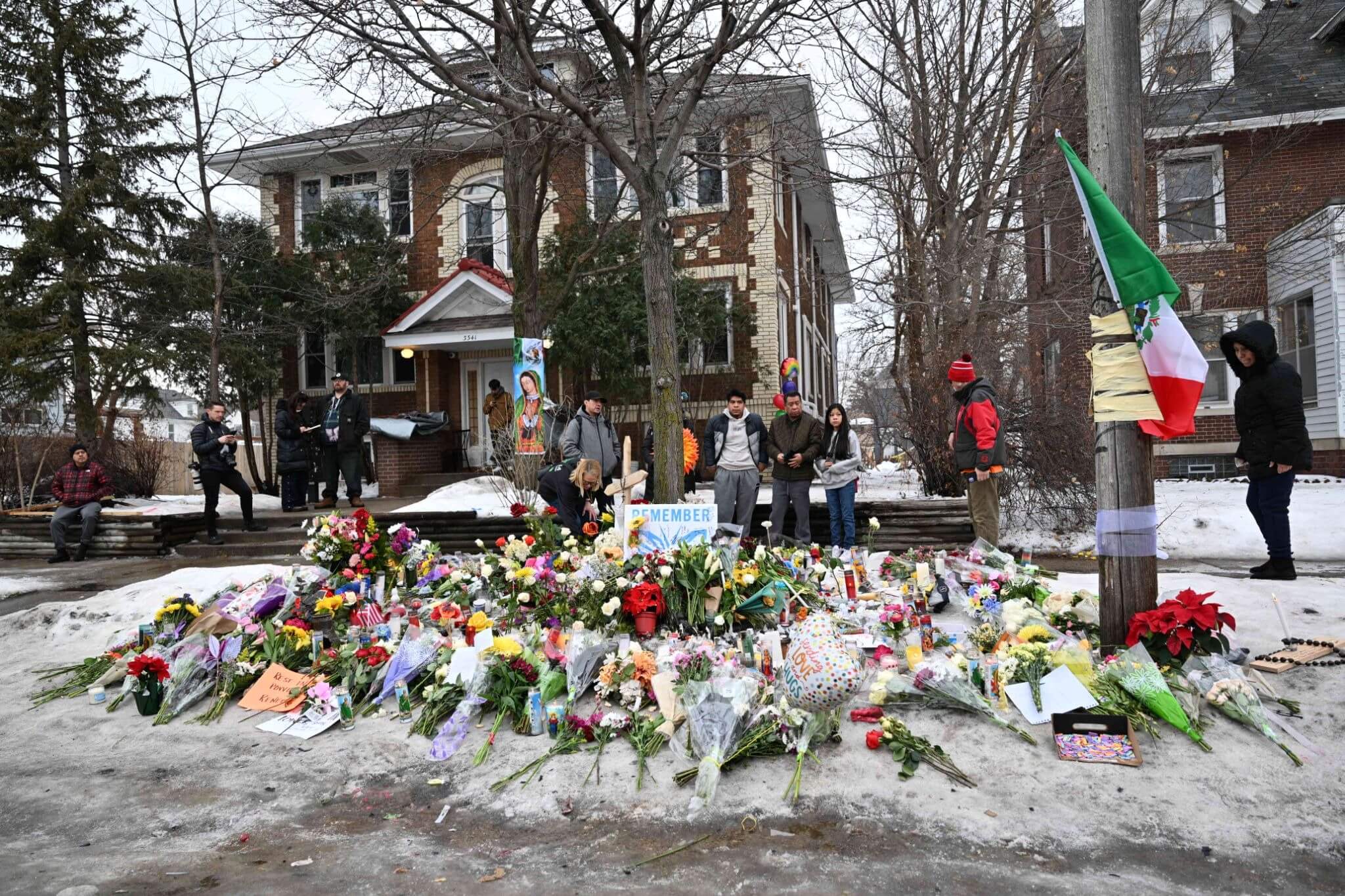
My partner, an immigrant from Brazil, shows love through acts of service. At first, I was confused. I had been raised to see romantic love, partner love, as centered on acts of adoration, big and intense actions designed to make me, the beloved, feel exceptional. My partner, who is romantic but not in that way, finds this focus on exceptional love confusing.
Social justice
fromwww.dw.com
2 months agoMinneapolis unrest: US citizen shot dead by federal officers
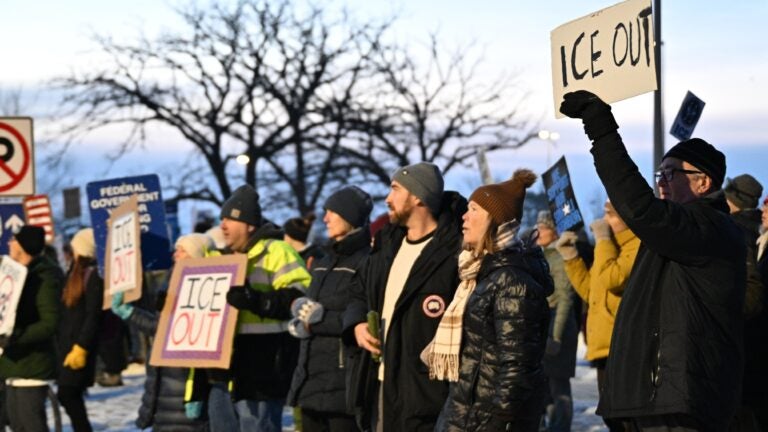
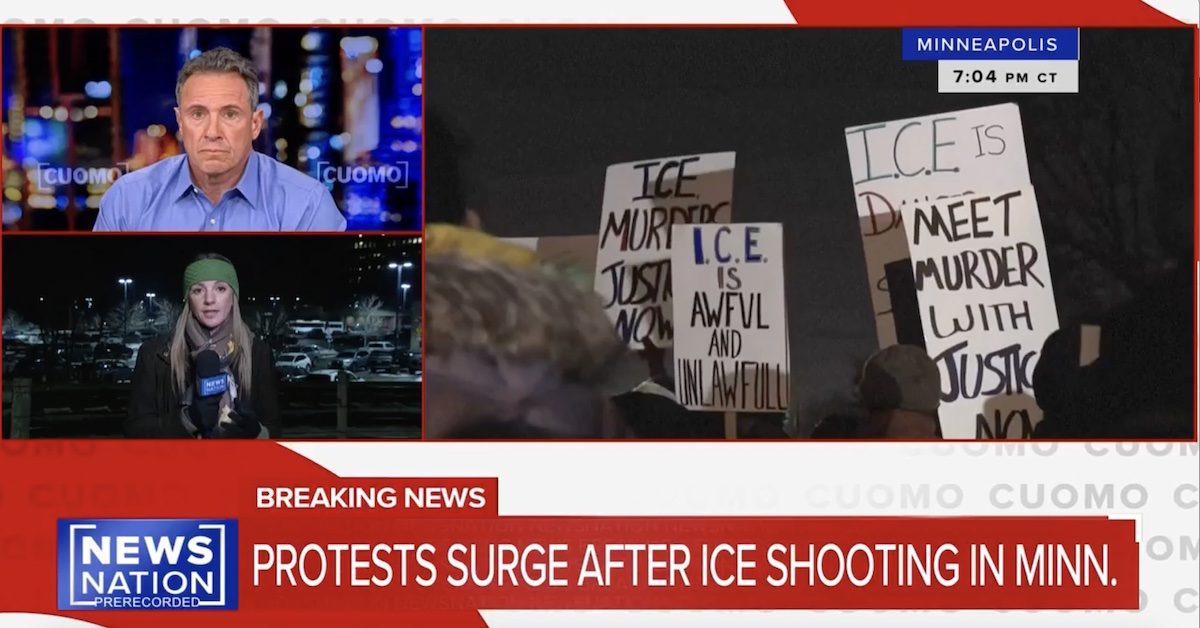
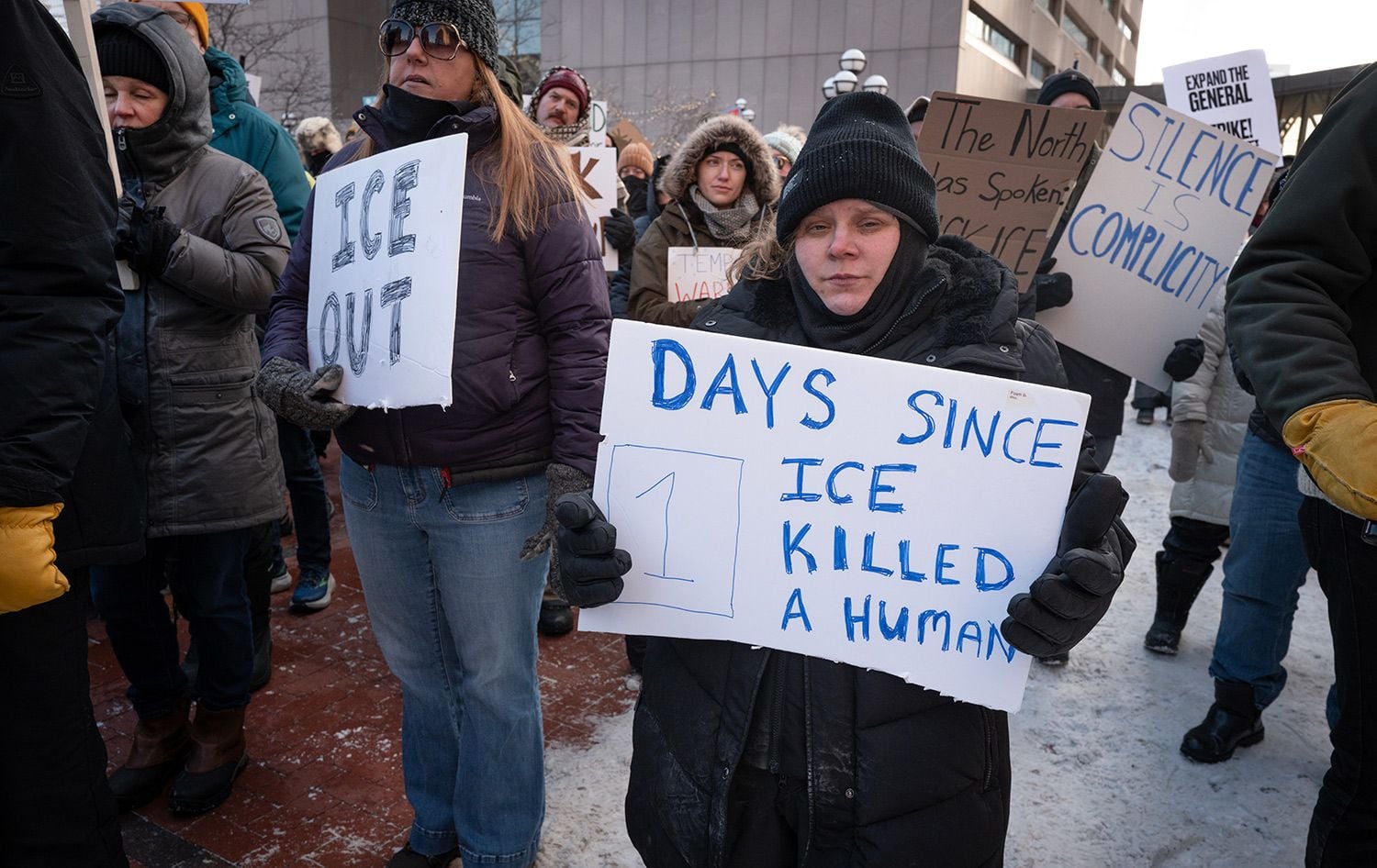
The deceased has been identified as an ICU nurse Minnesota Governor Tim Walz condemned the 'horrific shooting' and said the federal government cannot be 'trusted to lead' probe DHS said the man was armed during his struggle with the officers, but it is not clear in videos if the man is holding his weapon. Man was lawful gun owner. Trump accused Minnesota and Minneapolis leaders of 'inciting insurrection' The shooting comes amid ongoing protests against Immigration and Customs Enforcement (ICE) anti-migrant operations
US politics




fromThe New Yorker
2 months agoFrom Selma to Minneapolis
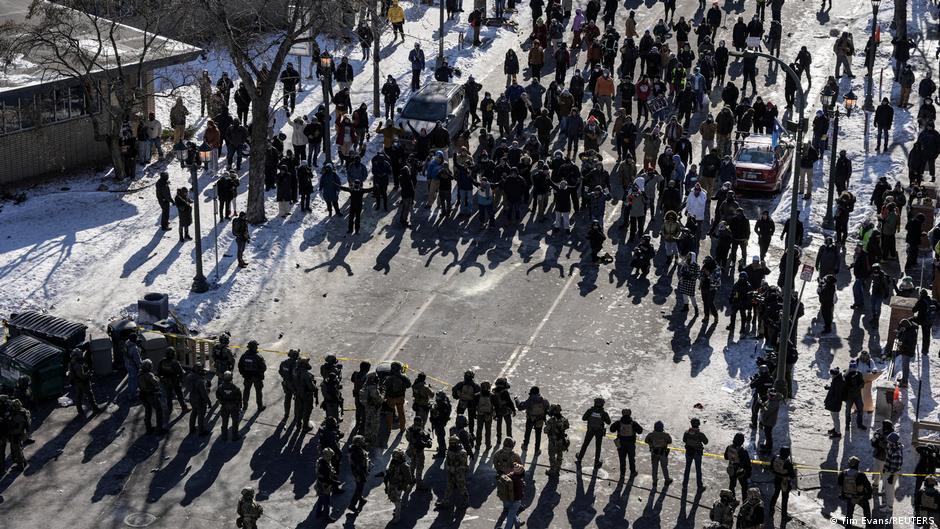
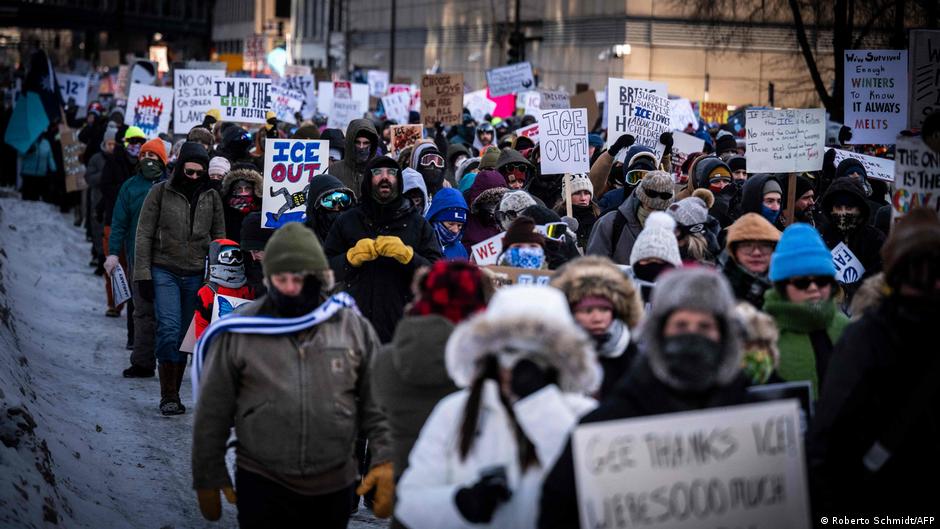
On March 16, 1965, a thirty-nine-year-old woman named Viola Liuzzo got into a late-model Oldsmobile and drove eight hundred miles from her home in Detroit, Michigan, to Selma, Alabama. Days earlier, following the Bloody Sunday protests, where voting-rights demonstrators had been tear-gassed and beaten, Dr. Martin Luther King, Jr., had issued an appeal to people of conscience across the country to come to Alabama and participate in what had already become one of the most consequential theatres in the movement for equality.
Social justice
fromwww.theguardian.com
2 months agoYou ask us for peace, we get shot in the face': Minneapolis in turmoil after federal agents kill second US citizen
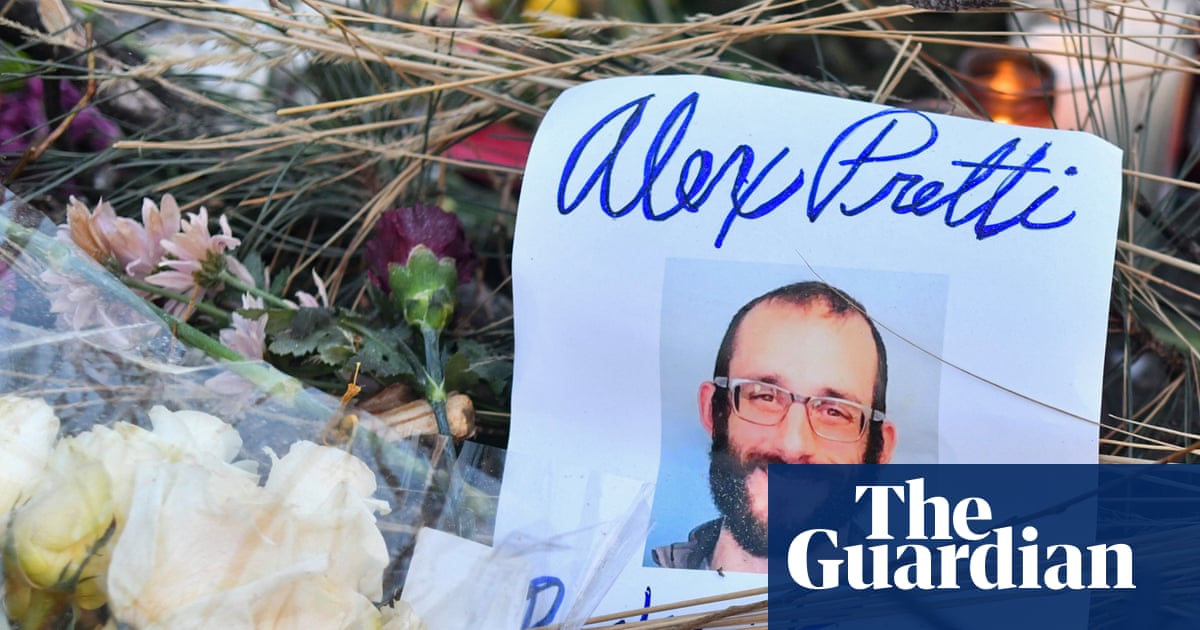
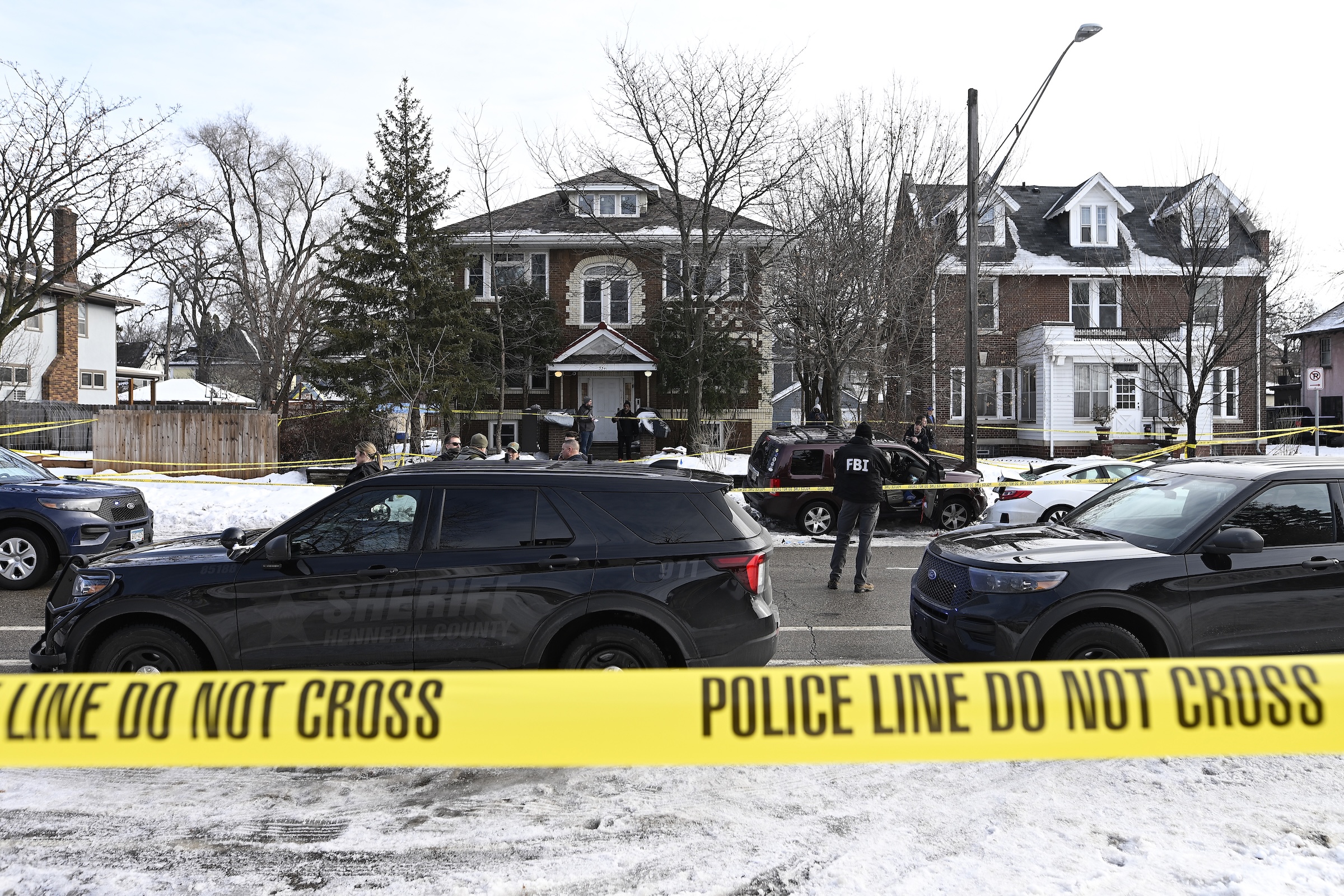
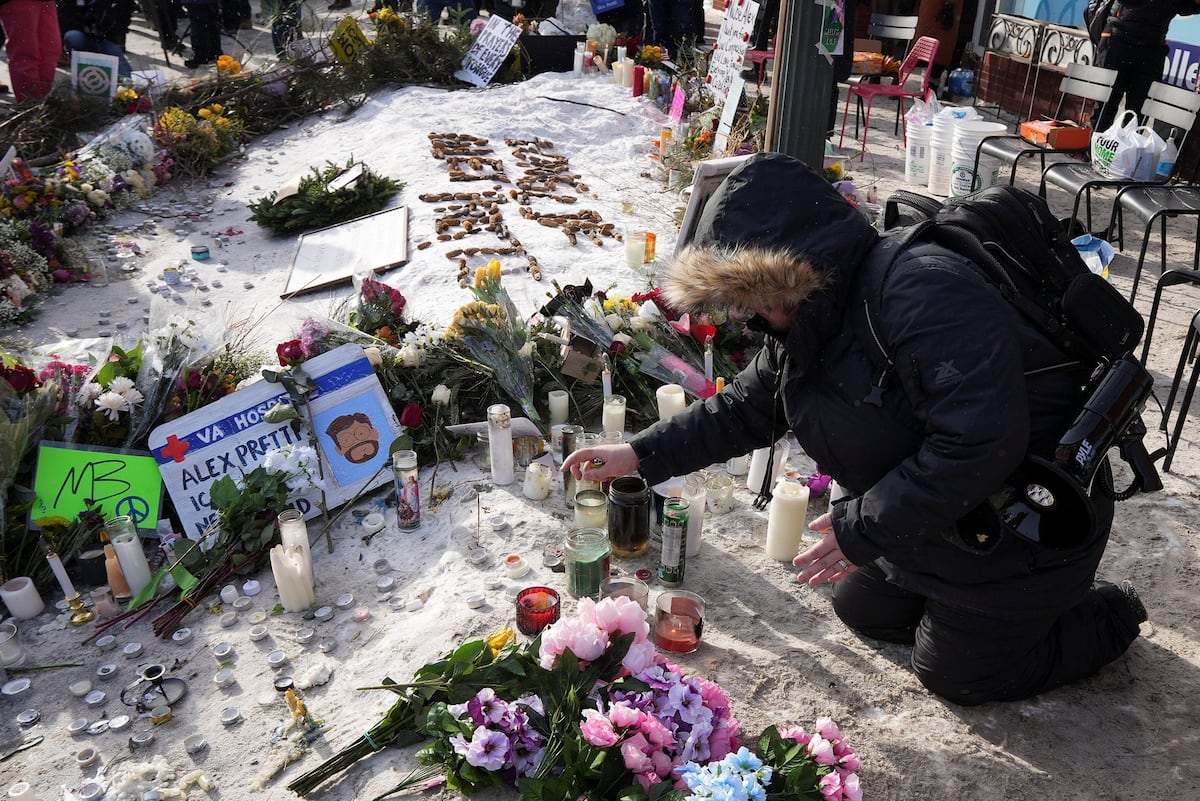
Agents shot and killed a 37-year-old US citizen at about 9am on Saturday, with other observers watching and videotaping their actions, in an area called Eat Street, a corridor of largely immigrant-owned restaurants and businesses. Footage appears to show moment Alex Pretti is shot dead by federal agents in Minneapolis video It is the second killing in the city after 37-year-old Renee Good was shot dead by a federal agent in south Minneapolis on 7 January.
US politics
fromThe Atlantic
2 months agoBelieve Your Eyes
Taken Wednesday in Minneapolis, it shows an unidentifiable protester face down on the ground; two Border Patrol agents are on top of him, holding him there, while a third unloads pepper spray into his face from just inches away. The photo ran on the front page of The Minnesota Star Tribune on Friday and already feels like a defining image of the long ICE incursion in Minneapolis-a powerful illustration of how the agency has acted, in broad daylight, with excessive force and impunity.
US politics


fromIntelligencer
2 months agoFederal Agents Fatally Shoot Another Person in Minneapolis: What We Know
Another chaotic confrontation between protesters and federal law enforcement officers turned deadly in Minneapolis on Saturday morning when CBP agents subdued and then suddenly opened fire on an apparently armed 37-year-old U.S. citizen who appeared to have been filming an immigration enforcement operation just moments before.
US news
fromFast Company
2 months agoVideos of deadly Minneapolis shooting contradict Trump administration's claims, experts say
Federal officers' shooting in Minneapolis sparked alarm, conflicting bystander video, criticism of federal justification, and disputes over civil rights investigation and local review.


US news
fromPoynter
2 months agoFor journalists who covered Ferguson, the news from Minneapolis feels 'uncomfortably familiar' - Poynter
Ferguson's 2014 unrest launched rapid live Twitter-driven news dissemination and exposed fragmented police responses from many small, often unprepared, municipal departments.
US politics
fromwww.amny.com
2 months agoOp-Ed | Justice delayed in Minneapolis: Why are state prosecutors standing still after Renee Good's death? amNewYork
Federal prosecutors intervened in the Renee Good shooting, sidelined Minnesota authorities, and focused on alleged activism ties while local prosecutors remained silent.
fromThe Atlantic
2 months agoWhat Should Americans Do Now?
The killings in Minneapolis of Renee Good and Alex Pretti have been compared to the murder of George Floyd, because they all happened within a few miles of one another, and because of the outrage they inspired. There's an important difference, though: In 2020 the United States was in turmoil, but it was still a state of law. Floyd's death was followed by investigation, trial, and verdict-by justice. The Minneapolis Police Department was held accountable and ultimately made to reform.
US politics
US politics
fromNonprofit Quarterly | Civic News. Empowering Nonprofits. Advancing Justice.
2 months agoFrom Minneapolis to Portland: State Violence and How Communities Are Responding | Nonprofit Quarterly | Civic News. Empowering Nonprofits. Advancing Justice.
Rising state and federal violence endangers communities and democracy, prompting local coalitions to develop de-escalation, civil resistance, and community safety strategies.
[ Load more ]