Higher education
fromPsychology Today
18 hours agoWhat a Humanities Education Can Teach Us About Happiness
College should focus on teaching students to think and live well, not just job training.
Companies with a higher number of women in senior roles are significantly more likely to dismiss male perpetrators of abuse against female colleagues, according to recent analysis.
He took it, managed to decipher my terrible penmanship, and wrote me a reply. I didn't ask him weighty questions about politics, I think I probably asked his favorite color. People's favorite color was a major interest for me when I was eleven. He wrote some questions for me, (perhaps also my favorite color, which was blue.) and soon we were in a conversation, the kind of sweet conversation where a thoughtful grown-up pays attention to a child.
Like us, you may feel paralyzed in the face of the relentless images of violence we see every day. Suffering children, military occupations, the devastated neighborhoods, the cries of parents mourning their dead-these scenes haunt us. Whether it is happening in Palestine or Minneapolis, we are witnesses to suffering, and that witnessing takes a heavy toll. Clearly, the devastating situations in the West Bank and Gaza and in Minneapolis differ
Leadbeater said MPs were angry that a small handful of peers could talk out a bill that had been backed by a majority in the Commons. I think the government should listen to that. I think they've got a duty to listen to that, she said. I worry about the reputation of the House of Lords, who nobody elected. And they should not have the power to try and block something that has been voted for by people who were democratically elected, she said.
In the early 20th century, sociologist Max Weber noted that sweeping industrialization would transform how societies worked. As small, informal operations gave way to large, complex organizations with clearly defined roles and responsibilities, leaders would need to rely less on tradition and charisma, and more on organization and rationality. He also foresaw that jobs would need to be broken down into specialized tasks and governed by a system of hierarchy,
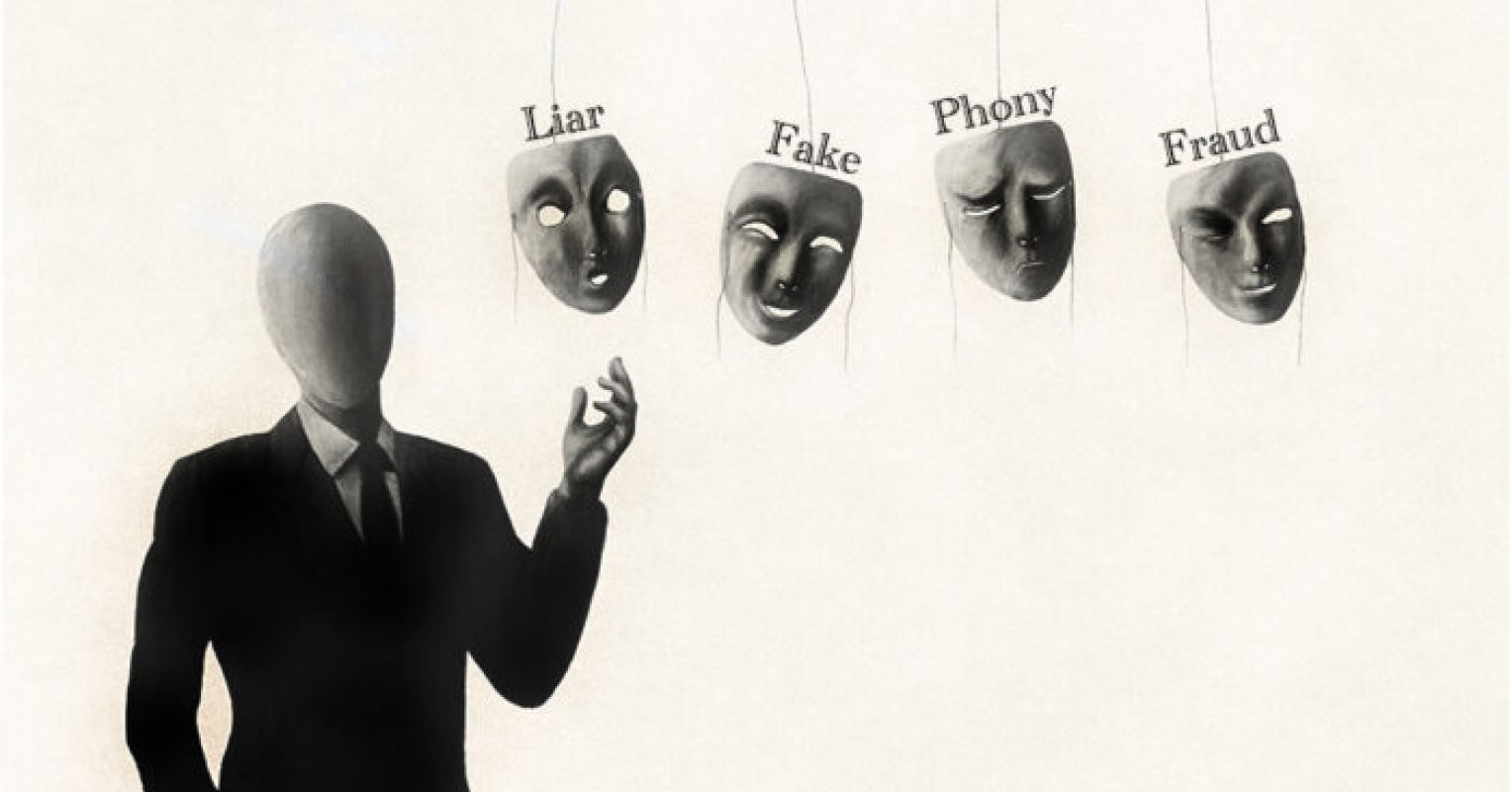
There's a particular kind of guilt that visits me when I open my feed reader after a few days away. It's not the guilt of having done something wrong, exactly. It's more like the feeling of walking into a room where people have been waiting for you, except when you look around, the room is empty. There's no one there. There never was.
Colleges and universities hold huge influence in their communities. They can mediate differences and foster healthy debate. Indeed, several institutions have established schools of civic life that would, presumably, raise the alarm when constitutional rights are being violated. Academic research influences policy and informs public conversations. Scholars can put this violence into context and help remind us that this is not OK.
He is not worthy of the presidency. He takes bribes blatantly. And now he's being a racist, blatantly. They were supposed to deport the dangerous criminals. They were not supposed to go after small children, storm schools, bring terror upon, you know, the little kids and the women and children, not just the immigrants in the school. All the children are scared.
What do you envision when you think of meekness? You probably see a mousy doormat, someone sheepishly acquiescing to the will of the stronger. When Jesus says, "Blessed are the meek, for they shall inherit the earth," you might think that those wimps will hand it over without a whimper or word of objection to stronger, more ambitious people. The philosopher Friedrich Nietzsche called meekness "craven baseness."
What does it mean to say that you are restrained solely by your own morality, by your own mind? The conscience is often described as an inner voice telling us what to do when others may be opposed. A moral compass is that which distinguishes between right and wrong, good and bad. Our conscience, our moral compass, sets the groundwork for doing the right thing.
I'm finding it difficult living up to my morals where is the line between compromising a little, versus becoming complicit in what I don't agree with? I'm one of those people who believes we can each take a role in solving big problems, and that we should try to make things better where we can. For this reason, I've ended up working in public service and try to reduce how much meat I eat. I'm vegetarian 60% of the time, which is not perfect, but I believe doing something is better than doing nothing.
Two senior physicians who had read our first book, Rethinking Health Care Ethics (2018), noted that in their clinical work, they inescapably address many ethical problems, large and small, on the spot, in the course of providing patient care. They also observed, however, that the resident bioethicist cautioned, when presented with one of their typical problems, that it would take him days or even weeks to reach a proper solution.
A drawn circle is at least something physical. You can see it, touch it, erase it. The skeptic can still say, "Circles are grounded in physical reality. Justice is different; it's just an idea in your head." So let's talk about the number two. Point to it. Not two apples, not two fingers, not a numeral on a page-that's just a symbol.
A professional philosopher outside the academy walls can act as a popularizer (the goal here is to make philosophy more accessible to the general public), an applied ethicist (the major task is to offer an analysis of various specific moral issues that arise within a society), and a public intellectual (I limit this role to questions that have political connotation). Of course, there are overlaps between these roles and they certainly do not exhaust all possible forms of public engagement of a professional philosopher.