#mounted-service
#mounted-service
[ follow ]
#autonomous-vehicles #electric-vehicles #robotaxis #baidu #ai #tesla #remote-assistance #robotaxi #transportation




#electric-buses
Alternative transportation
fromSustainable Bus
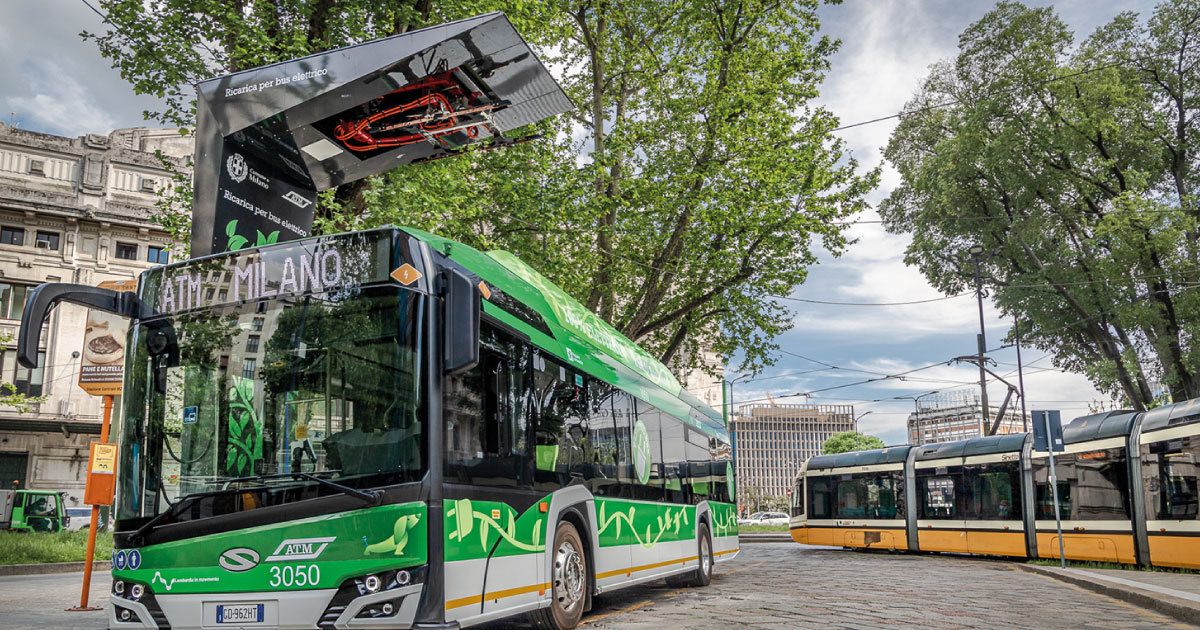
2 weeks agoGlobal investment firm KKR backs Allfleet and PMI Electro with up to $310 million for e-bus scale-up in India - Sustainable Bus
KKR-managed funds commit up to $310 million to Allfleet and PMI Electro to expand India's electric bus platform and manufacturing capabilities.
Alternative transportation
fromSustainable Bus
2 weeks agoGlobal investment firm KKR backs Allfleet and PMI Electro with up to $310 million for e-bus scale-up in India - Sustainable Bus
KKR-managed funds commit up to $310 million to Allfleet and PMI Electro to expand India's electric bus platform and manufacturing capabilities.

fromComputerWeekly.com
4 days agoNorth America drives video telematics market to 22 million units by 2030 | Computer Weekly
The integration of cameras to enable various video-based services in commercial vehicle environments has become one of the strongest trends over recent years, in a fleet video telematics sector that is set to grow by 16% globally to 2020.
European startups
Business intelligence
fromComputerWeekly.com
4 days agoWilson Connectivity, Autonomous Systems team for in-building wireless service | Computer Weekly
Wilson Connectivity and Autonomous Systems partner to automate in-building wireless infrastructure management, enhancing deployment and ongoing optimization.
Relationships
fromBusiness Insider
3 weeks agoWe went from being a 2-car household to just sharing one. So far, the benefits have outweighed the inconvenience.
Sharing a car after totaling one vehicle improved communication, reduced expenses, and preserved independence while helping save money for major life goals.



UK news
fromComputerWeekly.com
3 weeks agoUnreliable fleet connectivity driving employee exodus | Computer Weekly
UK fleet operators face significant connectivity challenges that threaten competitiveness, with unreliable networks causing customer complaints and operational disruptions despite limited failover protections.


Gadgets
fromComputerWeekly.com
1 month agoConnectivity, AI drive fleet safety, productivity and decision-making | Computer Weekly
AI, connected data, and safety-focused services are transforming fleet operations, with GPS tracking adoption at record highs and AI delivering measurable safety improvements and cost reductions.
fromEngadget
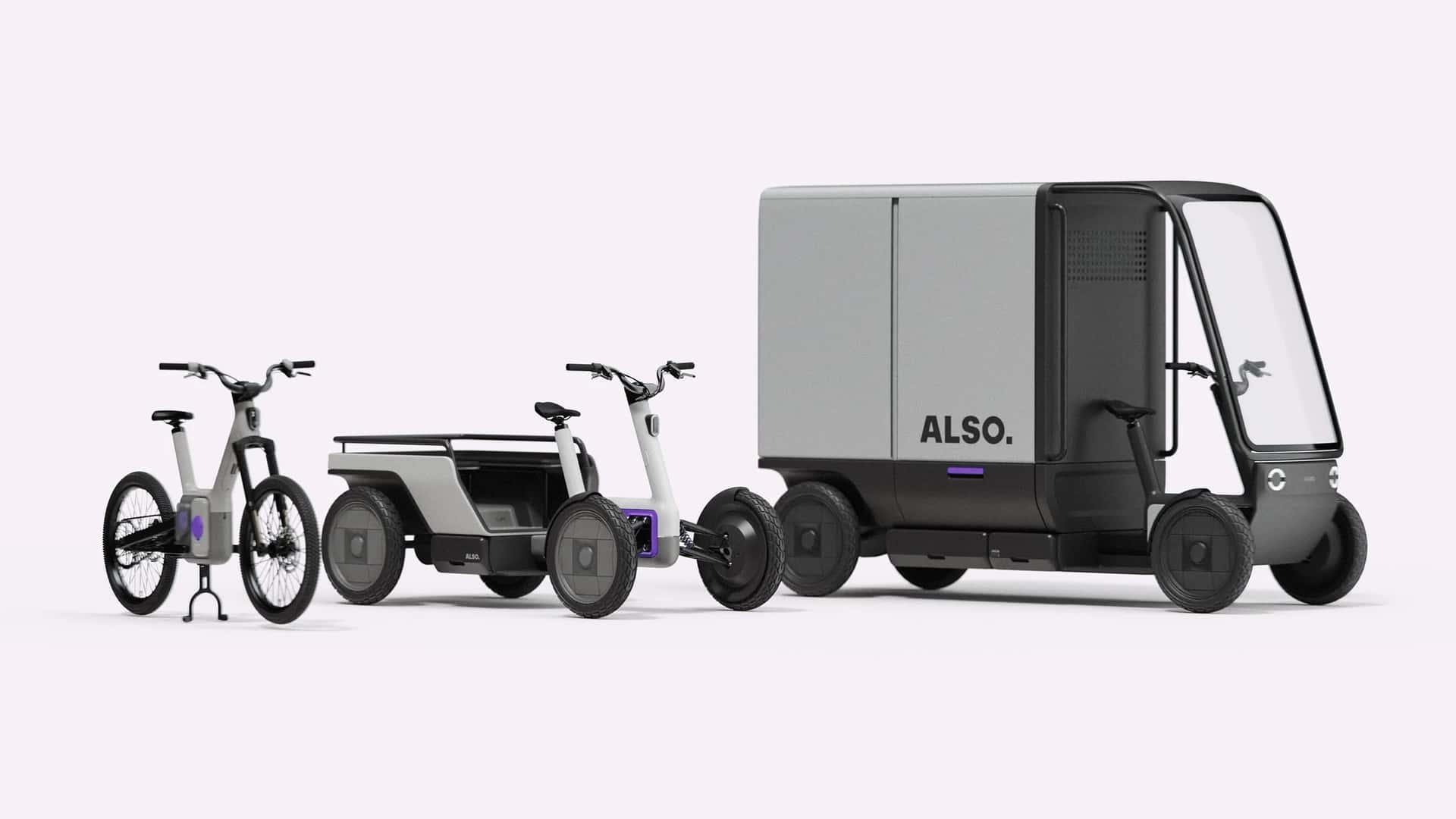
6 days agoDoorDash partners with Rivian spinoff Also for autonomous delivery vehicles
DoorDash's investment in Also aims to develop and accelerate the deployment of autonomous delivery at scale, focusing on areas not yet fully solved for, including intersections of roadways and bike lanes.
Toronto startup
Alternative transportation
fromSustainable Bus
6 days agoNew certified Ultrafabrics collections target durability and compliance in passenger transport interiors - Sustainable Bus
Ultrafabrics launches new certified collections for passenger transport, combining durability, aesthetics, and sustainability in high-performance upholstery fabrics.
fromSustainable Bus
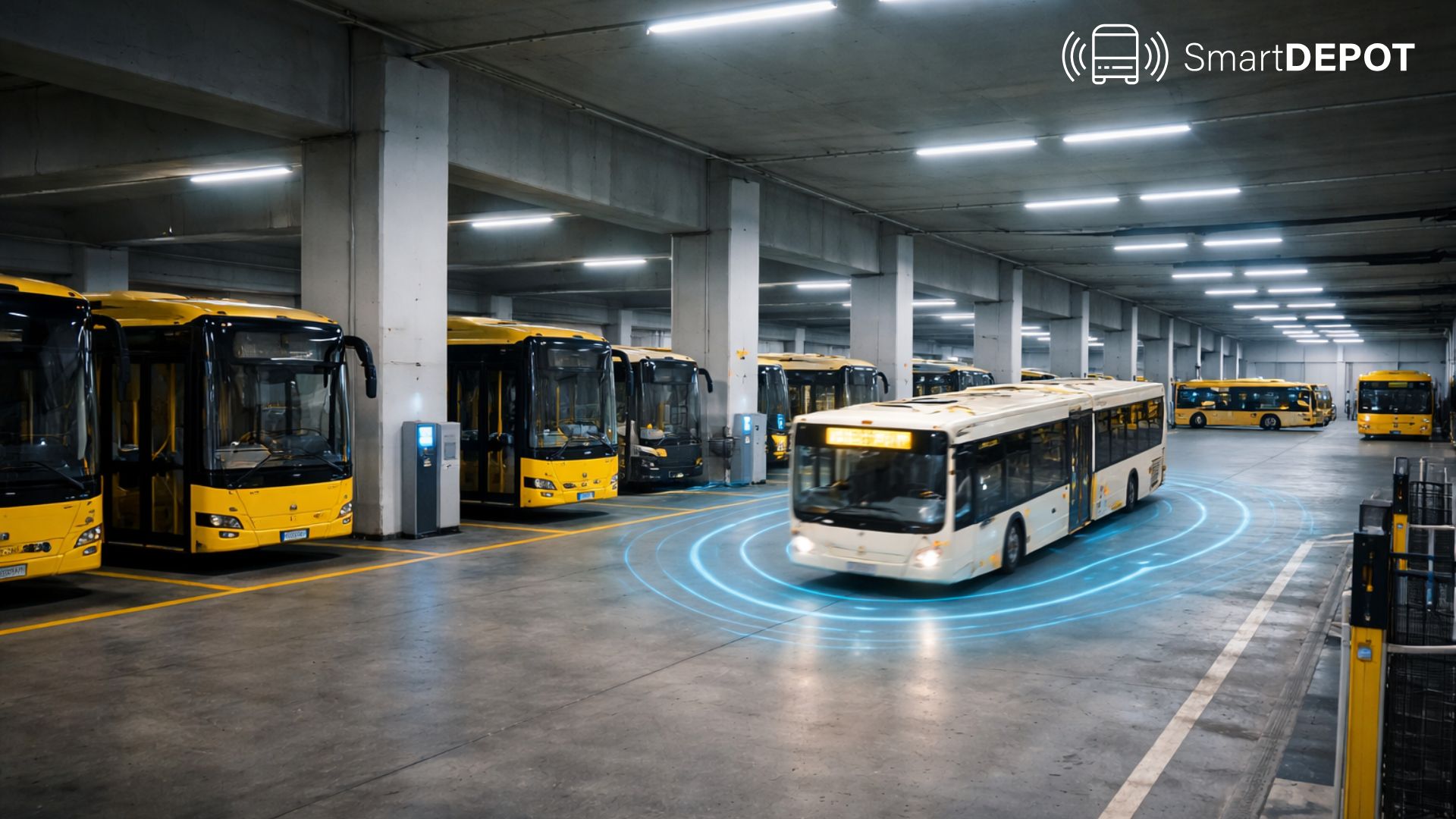
2 months agoAutonomous Systems: depot-first autonomy for smartbuses
For more than a decade, autonomous buses have been "almost ready." Demonstrations with safety drivers began around 2015, and ten years later, this is still largely what we see. The reason is not a lack of ambition - it is physics, safety, and economics. Autonomous buses on city streets are inherently difficult. They carry dozens of passengers, operate as heavy vehicles, and move through a chaotic urban environment.
Business
fromSocial Media Explorer
2 months ago10 Last Mile Technology Trends Transforming Urban Logistics in 2025 - Social Media Explorer
Urban logistics is entering a new era where practical technology drives meaningful results. Today, more than 55% of people live in cities, and urbanization is expected to rise to 68% by 2050, placing intense pressure on delivery networks to keep up with growing demand. U.S. e-commerce is projected to reach $1.1 trillion in sales by 2026, heightening expectations for faster and more reliable last-mile service.
E-Commerce
fromBusiness Insider
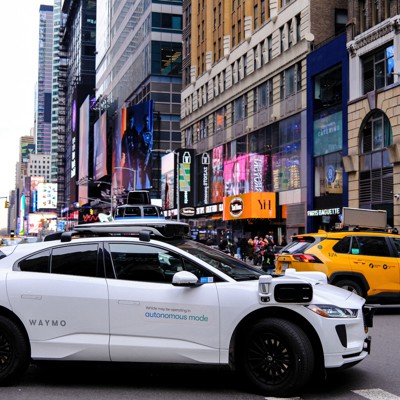
2 months agoRobotaxis are in a literal land grab moment
The robotaxi takeover - assuming they take over - will also be a real estate story. As Waymo, Uber, Tesla, and other competitors race to flood the streets with fully autonomous cars, robotaxi operators will need to find places to park, charge, and maintain their vehicles. Voltera, a charging infrastructure company based in Palo Alto that has partnered with Alphabet-backed Waymo, is buying up real estate now to prep for the AV boom.
Real estate
fromSocketsite
9 years agoSelf-Driving Truck Tech Headed for San Francisco's Waterfront
It has been almost three years since the Port of San Francisco awarded TMG Partners the redevelopment rights for San Francisco's Pier 38, with TMG winning over the Port with a pitch that emphasized the speed with which they planned to act and an "immediate revitalization" of the pier with a mix of public, office and maritime uses. But Pier 38, which has been shuttered since 2011, remains red tagged and inactive.
San Francisco
Alternative transportation
fromNature
2 weeks agoAffordable mobility for all: why we need smaller, cheaper electric vehicles
Low-speed electric vehicles offer affordable, practical decarbonization for underserved populations but remain overlooked due to bias toward expensive, high-tech solutions and nationalist trade policies.
Artificial intelligence
fromeLearning Industry
2 months agoArtificial Intelligence In Transportation Training And Education
AI enables individualized transportation training by evaluating trainee performance, tailoring instruction, simulating real scenarios, and measuring performance for targeted improvement.
fromSustainable Bus
1 month agoEvolution: the practical path to autonomous buses - Sustainable Bus
It's tempting to frame autonomous driving as a single leap. In public transport, adoption tends to be incremental - because the system is built for reliability, and new capabilities have to fit into daily operations without disrupting service. That is why a practical strategy is evolution, not revolution: introduce autonomy in a defined domain, learn safely in real operations, and expand capability step-by-step.
Artificial intelligence
Alternative transportation
fromSustainable Bus
2 months agoHSL selects INIT container-based on-board system for Helsinki's multimodal fleet of 1,700 vehicles - Sustainable Bus
HSL will deploy INIT's container-based COPILOTcontainer across about 1,700 multimodal vehicles to create a unified, updatable on-board technical platform.
[ Load more ]