#movie-perception
#movie-perception
[ follow ]
#film #filmmaking #relationships #zendaya #robert-pattinson #a24 #film-criticism #art #independent-film
#christopher-nolan
Independent films
fromThe Independent
1 day agoChristopher Nolan called this his 'most underrated' film - it's now on BBC iPlayer
Christopher Nolan's film Insomnia is considered his most underrated work, featuring a psychological thriller plot with strong performances from Al Pacino and Robin Williams.
Independent films
fromThe Independent
1 day agoChristopher Nolan called this his 'most underrated' film - it's now on BBC iPlayer
Christopher Nolan's film Insomnia is considered his most underrated work, featuring a psychological thriller plot with strong performances from Al Pacino and Robin Williams.
fromOregon ArtsWatch * Arts & Culture News
2 days agoFilmWatch Weekly: Camus' 'The Stranger' on screen, Christian Petzold's 'Miroirs No. 3,' and more * Oregon ArtsWatch
François Ozon's adaptation of The Stranger, while visually stunning, reveals the limitations of cinema in depicting the complex inner states of consciousness that Camus masterfully crafted in his text.
Writing
London music
fromwww.theguardian.com
2 days agoCurated chaos': Danny Boyle on the pop culture spectacular' he's bringing to London's Southbank Centre
Danny Boyle's 'You Are Here' celebrates 75 years of youth culture with a one-day immersive event featuring 1,000 performers at London's Southbank Centre.



fromIndieWire
3 days agoYou Can't Make a 'Cult Classic' with Marketing - Opinion
'Forbidden Fruits' has been widely hailed as a 'cult classic' by critics and fans, but labeling it as such too soon risks undermining the process that establishes a film's cultural significance over time.
Independent films
fromwww.theguardian.com
4 days agoThe Super Mario Galaxy Movie review bland screensaver of a movie that's actually worse than AI
This kind of stereotype is evidently the last in mainstream entertainment to be considered offensive. The film is intended for little kids, but it surely didn't need to be such a visually dull screensaver of a movie.
Independent films
Arts
fromThe Art Newspaper - International art news and events
3 weeks agoArtists agonise over when a work is finished-but should we viewers care?
Artists determine completion when they have successfully transformed visual memory and emotion into a physical object, at which point further work becomes unnecessary.
fromThe Verge
3 weeks agoWhat we're listening to, watching, and reading right now.
Whether it's a slept-on post-punk album from the '80s, a new sci-fi novel, or a cult classic horror movie, we're always finding new obsessions here at The Verge - and we want to share those obsessions with you. Sometimes that might be a new release, but often it's going to be something a little older, something not necessarily plastered all over TikTok or sitting at the top of the charts on Spotify.
Music production
fromSlate Magazine
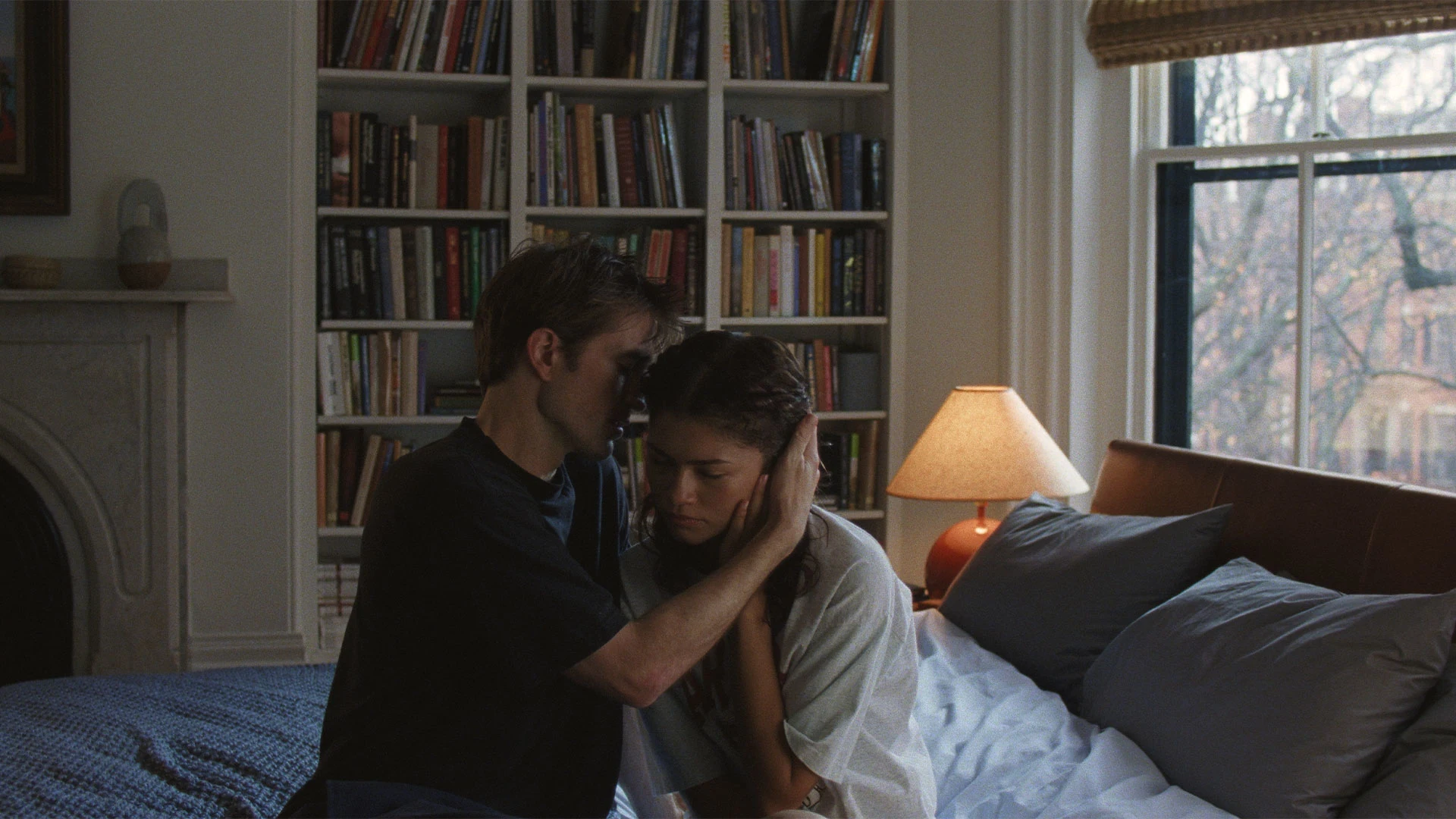
2 days agoWhy Have Zendaya and Robert Pattinson Been Hiding the Twist of Their New A24 Movie? Because It's a Disaster.
During a private tasting dinner, a game prompts guests to confess their worst actions, revealing hidden insecurities and creating tension between Charlie and Emma.
Film
fromApaonline
1 month agoRecently Published Book Spotlight: Anticolonialism, Ontology, and Semiotics: A Cinematic Exploration
Anticolonialism, Ontology, and Semiotics draws upon Africana anticolonial philosophy-especially the work of Frantz Fanon and two of his most influential interpreters, Eldridge Cleaver and Sylvia Wynter-to develop a basic analytical model for doing anticolonial political theory. I wanted to show that there is something distinctive, something special, to be found in this tradition of thought that has not been fully appreciated by philosophers and theorists in other fields.
Philosophy
fromIndieWire
2 weeks agoThierry Fremaux on Why 'Today, We Never Trust Images We See' - but We Can Trust the Lumiere Brothers and 'Apocalypse Now'
The invention of the Cinématographe was ready right away. The process of the invention was longer, and there were a lot of inventors before Lumière.
Independent films
Independent films
fromIndieWire
2 weeks agoIndie Film Has an Architecture Problem
The indie film model is structurally designed to fail, with misaligned incentives between investors, filmmakers, distributors, and audiences, resulting in only 0.025% of screenplays achieving profitable theatrical outcomes.
fromConsequence
4 days agoStephen Colbert's Lord of the Rings Movie Explained: Here's What Shadow of the Past Is About
New Line Cinema and Warner Bros. are determined to restore Middle-earth to its box office throne with projects including the newly announced The Lord of the Rings: Shadow of the Past, which will be co-written by Late Show host and famed Tolkien nerd Stephen Colbert.
Film
Silicon Valley
fromSilicon Canals
1 month agoPsychology says if you check movie reviews before watching you probably display these 9 distinctive traits - Silicon Canals
People who check reviews before watching movies tend to be highly conscientious, detail-oriented, time-conscious, and thorough, often researching extensively across decisions.
fromRaymondcamden
1 week agoChecking if a Movie has a Post or Mid Credit Scene
The app is incredibly simple. I made use of the wonderful SimpleCSS for my design and then made use of the TMDB API. The TMDB APIs are pretty easy to use, but finding out how to get this information did take a bit of digging.
Film
fromAnOther
1 week ago10 Reinvigorating Spring Films to Add to Your Watchlist This Season
Set on the blossom tree-lined fringes of Hyde Park in London, Herbert Wilcox's black-and-white rom-com blows in like a fresh spring breeze. The film charts the will-they-won't-they romance between Richard (Michael Wilding), a wealthy lord masquerading as a butler, and Judy (Anna Neagle), the niece of the family who employs him.
Film
Film
fromEntrepreneur
3 weeks agoThis Cult Filmmaker Learned Something About Audiences Every Entrepreneur Needs to Know'Make Them Feel Something'
Kevin Smith built a personal brand by connecting directly with fans, which created lasting career opportunities beyond individual film projects in an unpredictable industry.
fromVulture
4 weeks ago17 Movies With Exclamation-Point Titles, Ranked!
During a junket interview with OutNow, Gyllenhaal explained that the punctuation mark was included to represent the "whole lot of energy" that comes out when the historically muted Bride of Frankenstein is finally allowed to speak. That's all well and good, but to viewers the titular exclamation point is less of a metaphor and more of a golden arrow saying, "This movie is going to be crazy."
Film
Film
fromwww.mercurynews.com
1 month agoSirat:' is not the movie you think it is it's better
Sirat is a sensory-driven film that transcends conventional thriller storytelling through hypnotic sound design, unexpected plot developments, and exploration of universal themes like faith, death, and redemption.
Film
fromwww.theguardian.com
1 month agoPeople feel like they're in on the joke': the new wave of pseudo-biopics
Filmmakers increasingly create pseudo-biopics that borrow recognizable elements from real people and events while changing names and details to avoid legal liability and maintain creative freedom.
fromThe Independent
1 month ago17 great movies ruined by terrible endings
10 Cloverfield Lane Mary Elizabeth Winstead, John Goodman and John Gallagher Jr are locked in an underground bunker for the majority of this left-field sequel to Cloverfield, with thrilling results. In the film's final throes, Winstead's character exits the bunker, and finds that her captor was telling the truth about an alien invasion above - a twist that completely and ruinously dissipates the hard-earned tension that came before.
Film
Film
fromwww.theguardian.com
1 month agoLetterboxd's most eager reviewers are changing cinema etiquette: I was excited to pull out my phone'
Turning off a phone during films creates uninterrupted, luxurious solitude, while Letterboxd drives rapid, seat-side reviews and incentivizes cinephiles to produce immediate, polished critiques.
fromOpen Culture
2 months agoHow the "Netflix Movie" Turns Cinema into "Visual Muzak"
A quarter-century later, it's safe to say that those days have come to an end. Not only does the streaming-only Netflix of the twenty-twenties no longer transmit movies on DVD through the mail (a service its younger users have trouble even imagining), it ranks approximately nowhere as a preferred cinephile destination. That has to do with a selection much diminished since the DVD days
Film
fromThe Atlantic
2 months agoThe Real Story That 'Sentimental Value' Is Telling
Separating the art from the artist can be easier debated than done. In 1967, Roland Barthes infamously argued in his essay "The Death of the Author" that a writer's biography should be irrelevant to the meaning or value of their work. In 1983, Nora Ephron asserted the opposite in her novel, : "Everything is copy." Today's pop culture has tended to agree with Ephron's take: Confession fuels the biggest songs; celebrity memoirs dominate best-seller lists.
Film
[ Load more ]