#mud-shedding-design
#mud-shedding-design
[ follow ]
#sustainable-architecture #sustainability #architecture #sustainable-design #climate-change #biomimicry


#sustainable-architecture
Design
fromdesignboom | architecture & design magazine
13 hours agomud, bamboo, and tin craft a climate-responsive vernacular home in rural bangladesh
The Vernacular Home in Bangladesh utilizes local materials and techniques for climate-responsive design, emphasizing sustainability and cultural continuity.
Renovation
fromYanko Design - Modern Industrial Design News
3 weeks ago5 Greenhouse-Based Designs That Use 90% Less Water Than Yours - Yanko Design
Integrated greenhouse systems transform homes into self-sustaining structures that merge architecture with food production, reducing resource dependence and enhancing energy efficiency.
fromArchDaily
4 days agoColdefy Leads Winning Masterplan to Transform Budapest Brownfield into Rewilded Urban District
The regeneration plan includes over 10,000 apartments, new transportation links, and commercial and civic spaces, forming a comprehensive urban redevelopment strategy aligned with 15-minute city principles.
Renovation
fromwww.theguardian.com
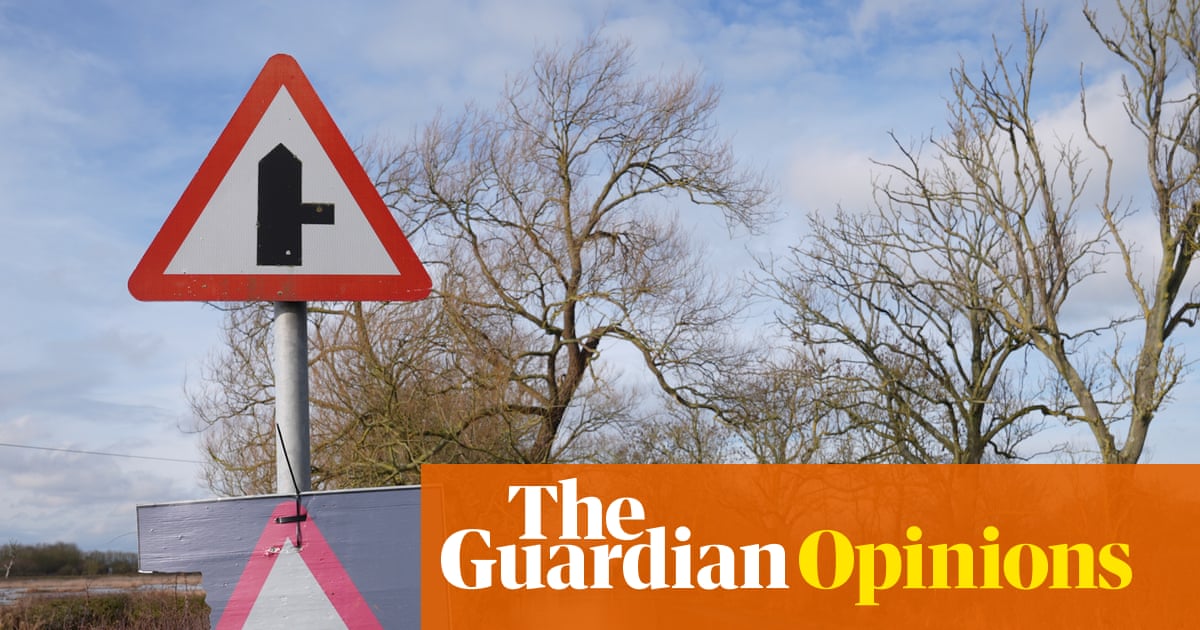
1 week agoEvery child wants to find joy': the scheme designing playground equipment for disaster zones
Meininger, who grew up in Germany but now lives in London, likes making things. So when he saw how much his young sons enjoyed the jungle gym and play forts at the local park, he made an indoor treehouse for them.
Parenting
#biomimicry
Design
fromYanko Design - Modern Industrial Design News
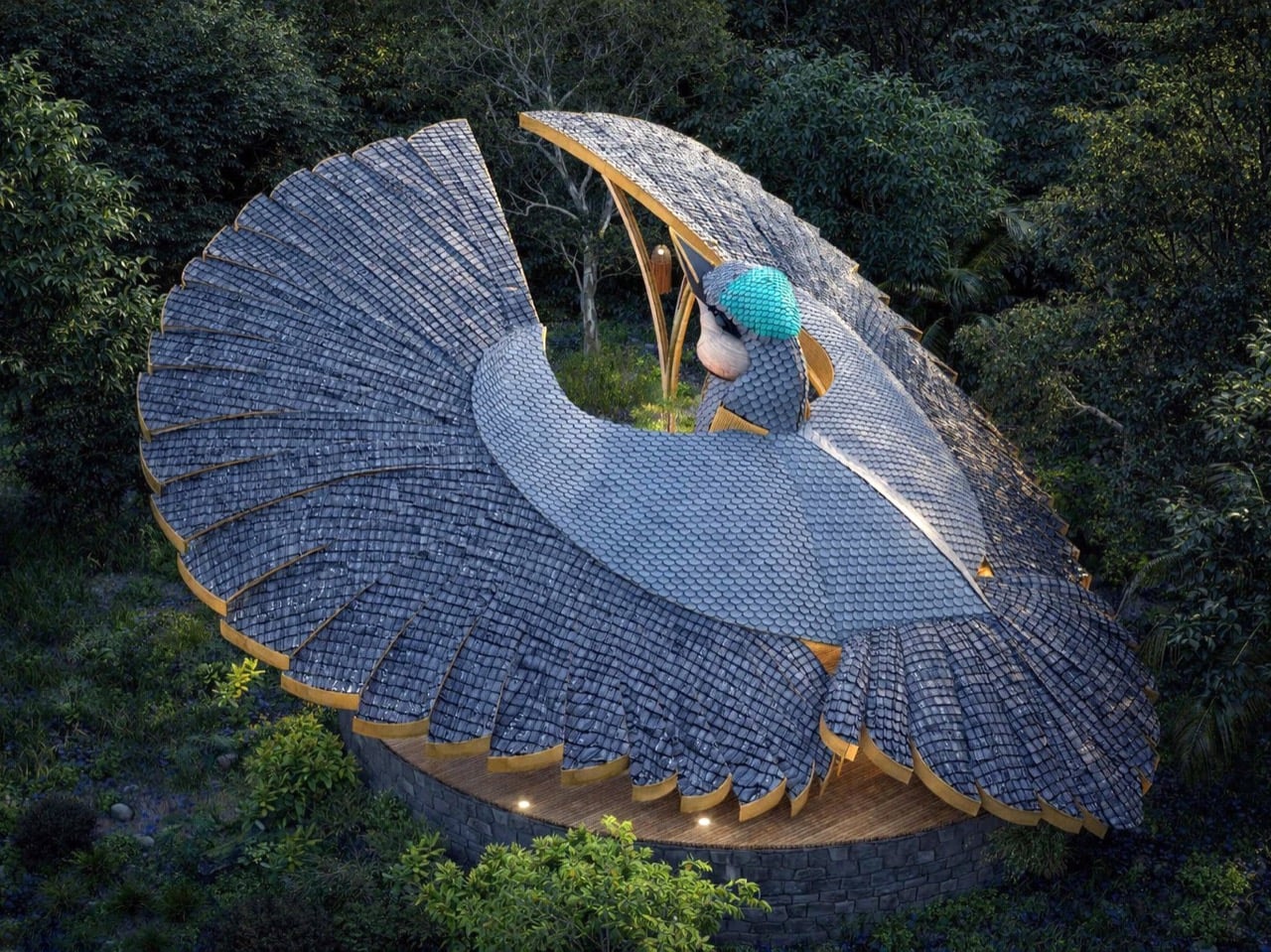
6 days agoBiomimetic Architecture Reaches New Heights With This Bird-of-Paradise Yoga Space - Yanko Design
Thilina Liyanage's architecture translates animal gestures into functional designs, exemplified by the Rifle Bird Yogashala inspired by the Victoria's riflebird's courtship display.
fromDefector
2 weeks agoDam It All To Hell | Defector
Hoppers, like Pixar's pre-Disney films, is a delight. The beavers' world is immersive and richly realized, grounded in science but never dry. The plot zigs and zags between moments of absurdity and emotional heft to stirring effect; I cried multiple times, and not just because of the low-hanging fruit of grandma death.
Independent films
#architecture
fromdesignboom | architecture & design magazine
1 week agoRenovation
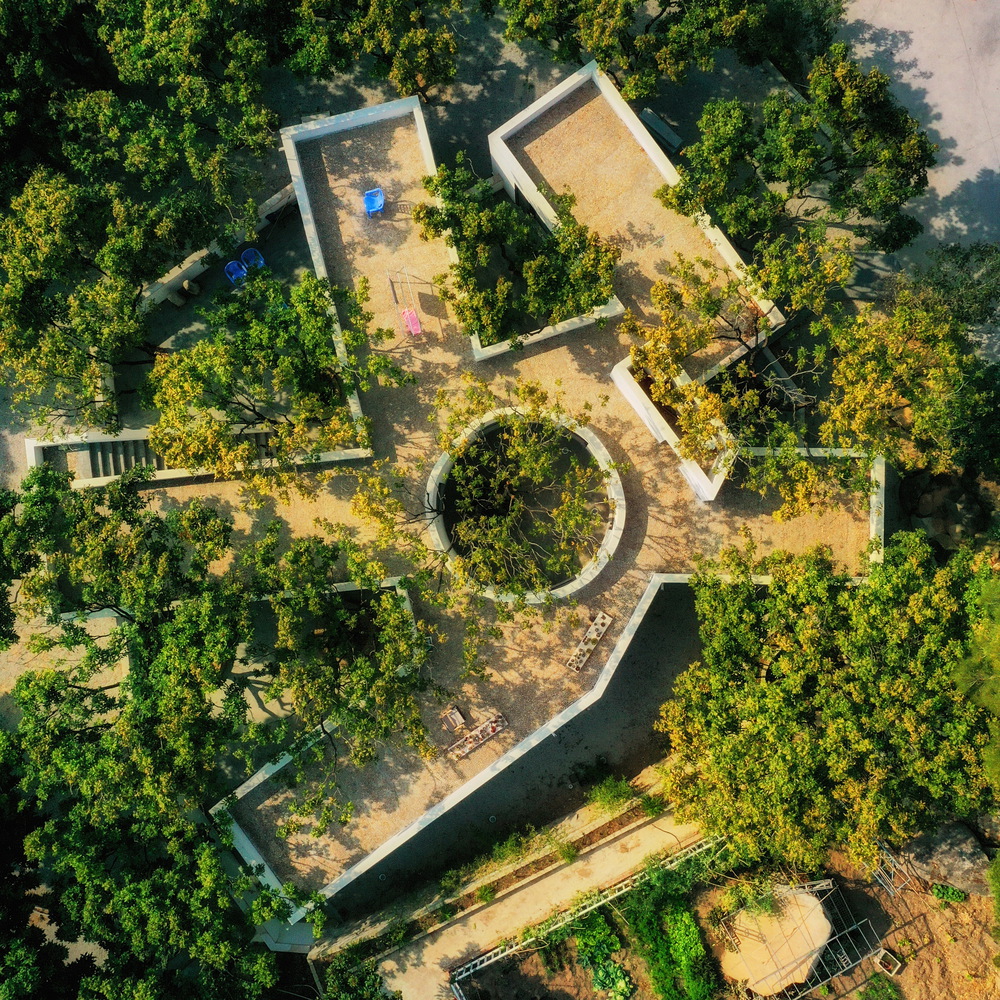
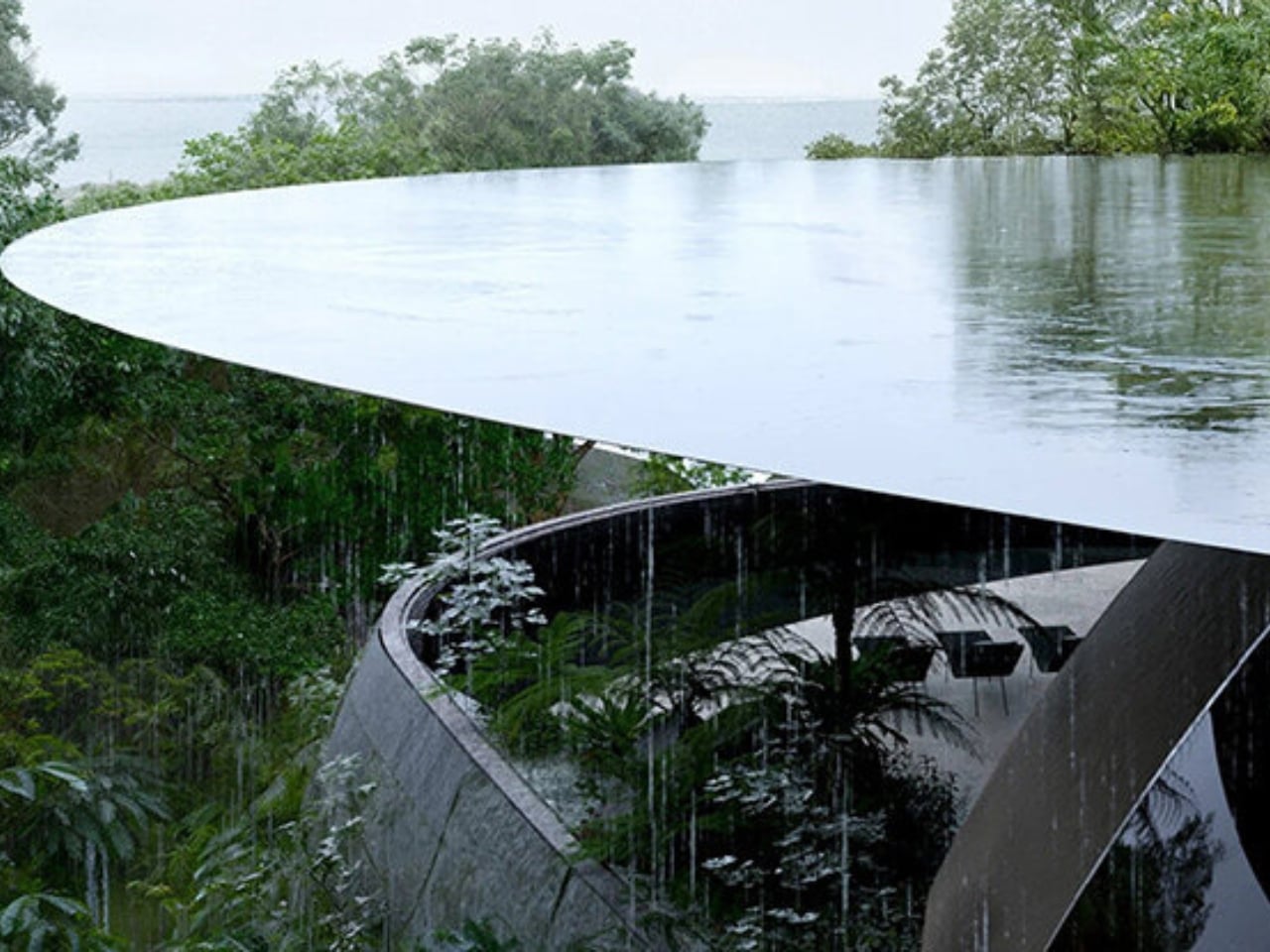
WORKac turns floodplain constraints into model for resilient domestic living in rhode island
WORKac's Riverhouse merges climate resilience with architectural clarity, utilizing floodplain constraints to create a compact, elevated, and expressive design.
Renovation
fromdesignboom | architecture & design magazine
1 week agoWORKac turns floodplain constraints into model for resilient domestic living in rhode island
WORKac's Riverhouse merges climate resilience with architectural clarity, utilizing floodplain constraints to create a compact, elevated, and expressive design.
Alternative transportation
fromStreetsblog
2 weeks agoWhy Some Congresspeople Want to Go Big on Greenways - Streetsblog USA
The Parks to People Act proposes $300 million in federal funding for walking and biking infrastructure as essential transportation tools, despite political opposition dismissing them as distractions.
fromWIRED
2 weeks agoA New Generation of Big Water Filters-Without the Plastic
Most water filter pitchers are made of BPA-free plastic. But as new research shows that bottled-water drinkers ingest tens of thousands of excess microplastic particles, wellness lovers have begun to look askance at water filters that are themselves made of plastic.
Beer
fromArchDaily
2 weeks agoDesigning for Obsolescence in an Age of Perpetual Upgrades
In the nineteenth century, entire railway networks became obsolete almost overnight, not due to physical deterioration, but because of changes in the technical standards that supported them. The expansion of railroads across Europe and North America adopted different track gauges, and as a dominant standard gradually emerged, these infrastructures became incompatible with one another.
Renovation
fromdesignboom | architecture & design magazine
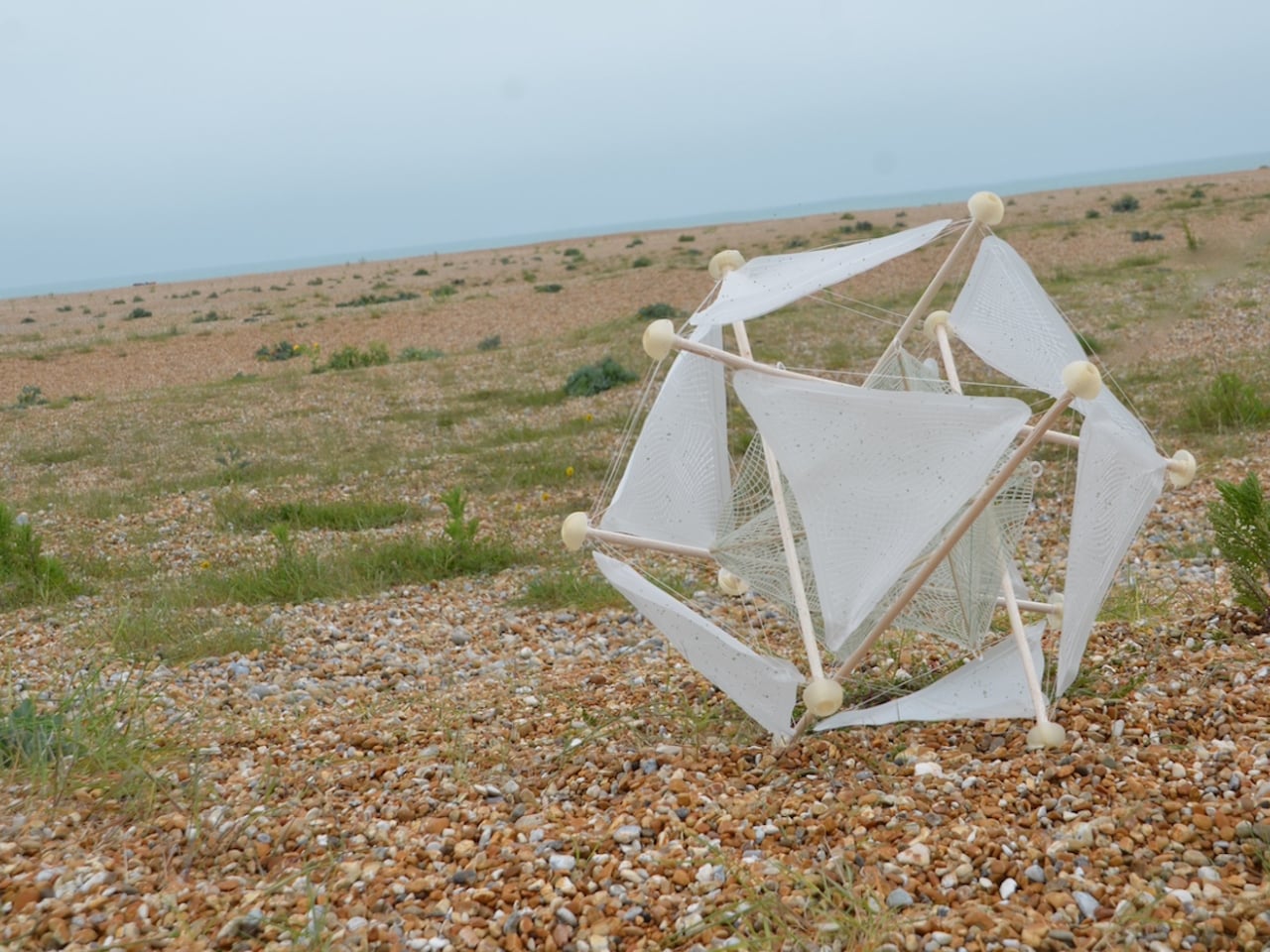
2 weeks agobionic tumbleweed ball heals damaged lands as it rolls around and plants seeds
The Wasteland Nomad is built from biochar and seeds of indigenous plants, which are both biodegradable materials. Biochar works like a sponge inside the soil, as it holds water, gives microbes a surface to live on, and locks carbon into the ground instead of letting it escape into the air.
Design
New York City
fromNew York Daily News
1 month agoWhat future for dining sheds?: Return our streets to their real purpose for vehicles
Permanent outdoor dining sheds in curbside parking lanes create operational problems for snow removal and street cleaning while providing unfair competitive advantages to some restaurants over others.
fromFast Company
1 month agoThis Berkeley building can snap back into place after a major earthquake
The rods are the central element of a novel seismic-responsive structural system that is designed to help the building snap back to its original shape in the event of a major earthquake. Their trick is an embedded cluster of taut cables made from a highly flexible compound called a shape-memory alloy that's capable of bending under tension-like the lateral shaking in a California earthquake-and then straightening out.
Science
Miscellaneous
fromArchDaily
1 month ago7 Unbuilt Masterplans Reimagining Urban Futures Through Ecology and Collective Space
Unbuilt urban masterplans explore adaptive spatial frameworks that recalibrate mobility, ecology, and collective life through climate-responsive design and public space integration across diverse global contexts.
Design
fromArchDaily
3 weeks agoRethinking Architecture at the Scale of Planetary Systems
Contemporary architecture operates within interconnected technological systems—energy networks, data infrastructures, and global logistics—that fundamentally shape what can be built, its affordability, performance, and waste production.
fromArchDaily
3 weeks agoBuilding with Earth: Traditional Knowledge in Contemporary Architecture
Rather than representing a simple return to the past, this renewed interest reflects a broader reconsideration of how architecture engages with materials, local resources, and environmental conditions.
Renovation
fromdesignboom | architecture & design magazine
2 weeks agocircular timber pavilion anchors wildlife and wetland restoration park in mexico
The pavilion is recognized as the first building in Mexico constructed using cross-laminated timber (CLT). This system replaces conventional concrete and steel structures with mass timber, reducing the carbon footprint of the construction process. CLT panels are composed of layered wood elements arranged in alternating directions, creating structural stability while enabling prefabrication and efficient assembly.
Environment
Environment
fromwww.npr.org
3 weeks agoMaking wastewater drinkable is a growing trend as water resources become more strained
Treated wastewater recycling for drinking water is becoming a viable solution in water-scarce regions, with Florida, Arizona, California, and Colorado now allowing direct potable reuse through regulated pilot programs.
Renovation
fromdesignboom | architecture & design magazine
3 weeks agothis 'underground house of the future' revisits ancient chinese cave dwellings
A University of Hong Kong team redesigned traditional underground 'dikengyuan' courtyard houses on China's Loess Plateau using modern construction methods and 3D printing to address climate challenges while preserving agricultural land and cultural living practices.
fromFast Company
1 month agoWhy urban planners should strive for 'the photo album standard'
My family had Slide Show Night when I was growing up. Not every Saturday, but a whole bunch of Saturdays. Either my sister or I would be in charge of setting up the projector, the screen, and loading the carousel. During the show, there'd be a few landscapes or skylines taken during vacations, but almost all the shots were up close. Like most dads, mine wasn't a professional photographer, but he did a good job of capturing memory triggers: faces, gestures, and decorations.
Photography
California
fromLos Angeles Times
1 month agoLong-awaited reports outline problems with Palisades infrastructure
Pacific Palisades remains largely noncompliant with evacuation standards and needs nearly $1 billion in infrastructure work—undergrounding power, water repairs, and brush clearance—for wildfire resilience.
Renovation
fromdesignboom | architecture & design magazine
4 weeks ago3D printed street furniture recycles concrete and brick waste from demolished urban villages
Construction waste from demolished urban villages is converted into 3D printable composite material containing up to 85% solid waste, creating functional urban furniture through a closed-loop production system.
fromArchDaily
3 weeks agoHow Architecture Is Learning to Generate Its Own Energy
Photovoltaic (PV) solar energy represents a modular technology that can be manufactured in large-scale facilities, generating economies of scale, while also being adaptable to small-scale applications. From residential rooftop systems to large-scale power generation installations, photovoltaic solar energy has established itself as a cost-effective option for electricity production in many countries around the world.
Environment
fromInfoQ
2 months agoHolistic Engineering: Organic Problem Solving for Complex Evolving Systems
I'll be talking about holistic engineering or the practice of factoring in your technical decisions, designs, strategies, all the non-technical factors that are actually forces that influence your organic socio-technical problem space. As much as you can see in this canyon how natural forces have influenced the shape of the earth, so you can see the color. You can see all the different layers.
Software development
fromAeon
1 month agoIn solarpunk cities of the future, tech follows nature's lead | Aeon Essays
In Indra's Net of pearls and jewels, every gem reflects every other, a shimmering image of interdependence. This ancient Vedic metaphor for connection across the cosmos also illuminates what the environmental philosopher Glenn Albrecht first proposed in 2014as 'theSymbiocene': the era after the Anthropocene, in which human technologies take their cues from living systems and work in partnership rather than through dominance.
Philosophy
fromArchDaily
2 months agoFrom Desert to Forest: 8 Unbuilt Houses Designed as Contemporary Retreats
Residential architecture remains one of the most active fields for unbuilt architectural exploration, offering a lens through which architects rethink how domestic space can respond to landscape, climate, and contemporary patterns of living. In this Unbuilt edition, submitted by the ArchDaily community, the selected proposals bring together a range of residential projects that engage with houses, villas, and retreats as sites of withdrawal, mediation, and everyday inhabitation.
Remodel
fromdesignboom | architecture & design magazine
1 month agocan desert sand with plant-based materials be used to build houses and roads?
Researchers at the Norwegian University of Science and Technology and the University of Tokyo have made a prototype of botanical cement made of desert sand and plant-based additives in hopes that it can be used to build houses and roads. Once mixed, the team adds tiny pieces of wood together and presses them all with heat to produce the cement.
Science
fromArchDaily
2 months agoFragile by Design: How Can Buildings Be Designed to Outlast Their First Purpose?
Having explored adaptability at the city scale, we are now zooming in on the building itself-and, crucially, on practice. How can architects, developers, and consultants embed adaptability as a measurable, mainstream outcome? This question will be on the agenda at the Adaptable Building Conference (ABC) on January 22 at the Nieuwe Instituut in Rotterdam, where architects, engineers, policymakers, and industry leaders will explore the potential of adaptable buildings-and how to deliver them at scale.
Remodel
fromdesignboom | architecture & design magazine
2 months agofuture farm: a vertical farming system frames architecture as hydro-ecological infrastructure
Future Farm is a modular vertical farming system designed by Qing Duan for integration within urban architecture, proposing a model where buildings function as hydro-ecological systems. Rainwater is collected, filtered, and redistributed to support plant growth and domestic needs, establishing a closed-loop water cycle that combines sustainable agriculture with everyday city life. The project incorporates public greenhouse spaces, shared kitchens, rooftop farms, and educational zones to enable collective care, learning, and interaction with urban farming processes.
Agriculture
Environment
fromArchDaily
1 month agoHow to Design with the Rain: Architectural Strategies for Rainwater Collection across Climates
Architecture must shift from water disposal to active rainwater collection, storage, and reuse through climate-specific design strategies that address distinct precipitation patterns and regional environmental demands.
Design
fromYanko Design - Modern Industrial Design News
1 month agoThis Roof Catches Water from Air: 5 Ancient Designs That Solve Modern Problems - Yanko Design
Blend ancestral craftsmanship and traditional motifs with modern functionality to create homes that evoke history, belonging, serenity, and enduring style.
Environment
fromEarth911
1 month agoClassic Sustainability In Your Ear: The Ocean River Institute's Natural Lawn Challenge for Climate Action
Natural lawn practices reduce water consumption, eliminate harmful chemicals, support pollinators, and store significantly more carbon than chemically-treated lawns, making healthy lawns powerful climate change solutions.
fromArchDaily
1 month agoHeritage Without Permanence: When Architecture Endures by Disappearing
A Gothic cathedral can take centuries to complete. A world exposition pavilion may stand for six months. A ritual structure in Kolkata rises and vanishes within five days. Yet each draws pilgrimage, shapes collective memory, and reorganizes urban life. If heritage has long been defined by what endures, architecture repeatedly shows that cultural authority can also belong to what gathers people.
Design
fromArchDaily
2 months agoUnearthing the Ground: Architecture and the Politics of the Subterranean
Beneath the visible surface of cities lies an invisible architecture. Subways, tunnels, water systems, data cables, and bunkers form a dense network that sustains urban life while remaining largely unseen. The ground beneath our feet is not a void but a complex territory that holds the infrastructures, memories, and anxieties of our age. In recent years, as land becomes scarce and climate pressures intensify, architects and urbanists have turned their gaze downward, rediscovering the subterranean as both a physical and conceptual frontier.
Design
fromArchDaily
2 months agoHealth, Habitat, and Civic Infrastructure: Designing the City as a National Park
Cities around the world share a common goal: to become healthier and greener, supported by civic infrastructure that restores ecosystems and strengthens public life. The question is how to reach this. Global climate targets, local building codes, and municipal standards increasingly guide designers and planners toward better choices. Still, many cities struggle to translate these frameworks into everyday, street-level comfort and long-term ecological protection.
Environment
fromwww.archdaily.com
1 month agoWaterfrom Design's Office / Waterfront Design
Studio Millspace Text description provided by the architects. Throughout eight months of design and on-site work, we realized that what truly matters is not the completeness of drawings, but the intuition shaped by being present. Around 70% of the layout was defined early on, while the remaining 30% was deliberately left without a set functionallowing light, behaviors, and moods to participate in forming the space.
Design
Design
fromdesignboom | architecture & design magazine
2 months agopermeable microhome proposal integrates groundwater recycling system in india
A prefabricated off-grid microhome captures, treats, and returns water to the aquifer, enabling hydro-positive habitation while minimizing ground disturbance.
fromwww.independent.co.uk
1 month agoConcerned about your home flooding? Here's a driveway tweak that could help
Whether it's investigating the financials of Elon Musk's pro-Trump PAC or producing our latest documentary, 'The A Word', which shines a light on the American women fighting for reproductive rights, we know how important it is to parse out the facts from the messaging. At such a critical moment in US history, we need reporters on the ground. Your donation allows us to keep sending journalists to speak to both sides of the story.
Environment
fromABC7 San Francisco
2 months agoPalo Alto's horizontal levee passes test, reduces flooding during storms
So, with this storm surge and the King tide event, it was a great opportunity for us to test this out. So, we came out here and we were able to further document and see how well it performed. So, we got to see that the king tide came up very close to where the pathway is behind you, and it did what it's supposed to do,
Environment
fromArchitectural Digest
2 months agoDesigning When Your City Is Under Siege
Life doesn't pause for grief or fear. You might be going through something devastating but you're still packing lunches, still driving your kids to baseball practice, still showing up to work. One minute I find myself prepping for a whole home presentation and the next minute I'm checking the news, hoping and praying that no one has been killed on the streets today.
Design
fromwww.theguardian.com
2 months agoIf you're flushing the toilet with grey water, people should know': how China turned rain into an asset
A worker sweeps the track at the National Stadium during the 2008 Beijing Olympics, which was disrupted by heavy rain. Photograph: AFP/Getty Images The secret weapon is a network of capillary-like tubes that weave through the Bird's Nest's outer lattice, which are specifically designed to siphon away rainfall. The pipes channel rainwater into one of three underwater storage tanks, where it is filtered and prepared for recycling within the building.
Environment
Environment
fromwww.theguardian.com
2 months agoWe can learn from the old': how architects are returning to the earth to build homes for the future
Unstabilised rammed earth provides a low-carbon, locally sourced building method with thermal mass, moisture control and potential for circular construction.
fromArchDaily
2 months agoDesigning Streets Through the Lens of Care
Jane Jacobs was also one of the voices that challenged this predominantly rationalist logic, arguing that truly vibrant streets are those capable of sustaining the diversity of everyday life, its informal exchanges, and the forms of care and natural surveillance that emerge from them. What these authors share is a fundamental insight: streets are not merely infrastructures for circulation, but social ecosystems, shaped by the relationships, uses, and encounters that take place within them.
Design
fromwww.theguardian.com
2 months agoSchools, airports, high-rise towers: architects urged to get bamboo-ready'
For many years, bamboo has been mostly known as the favourite food of giant pandas, but a group of engineers say it's time we took it seriously as a building material, too. This week the Institution of Structural Engineers called for architects to be bamboo-ready as they published a manual for designing permanent buildings made of the material, in an effort to encourage low-carbon construction and position bamboo as a proper alternative to steel and concrete.
Environment
fromApartment Therapy
2 months agoI'll Never Do Laundry When It's Raining - and Here's Why
When it's dreary outside, I usually hunker down and do household chores - running the dishwasher, catching up on laundry, maybe even taking a long shower and shaving my legs. These days, though, I take the opposite approach: I never do chores that require water use when it's raining outside. That's because I recently learned that my city, Milwaukee, has a shared sewer system - which means rainwater runoff, domestic sewage, and industrial wastewater collect in the same pipes.
Environment
Environment
fromEarth911
2 months agoSustainability In Your Ear: Milwaukee's Kevin Shafer on Circular Thinking in Wastewater Management
Municipal wastewater can be transformed into energy, fertilizer, and revenue through circular, co-digestion, and renewable strategies demonstrated by MMSD's Milorganite and digester programs.
[ Load more ]