#munipublic-transit
#munipublic-transit
[ follow ]
#new-york-city #public-transportation #public-transit #transportation #public-transport #transportation-policy

fromwww.amny.com
21 hours agoAsk the MTA | Redbirds, cell phone service and Steinway Street construction | amNewYork
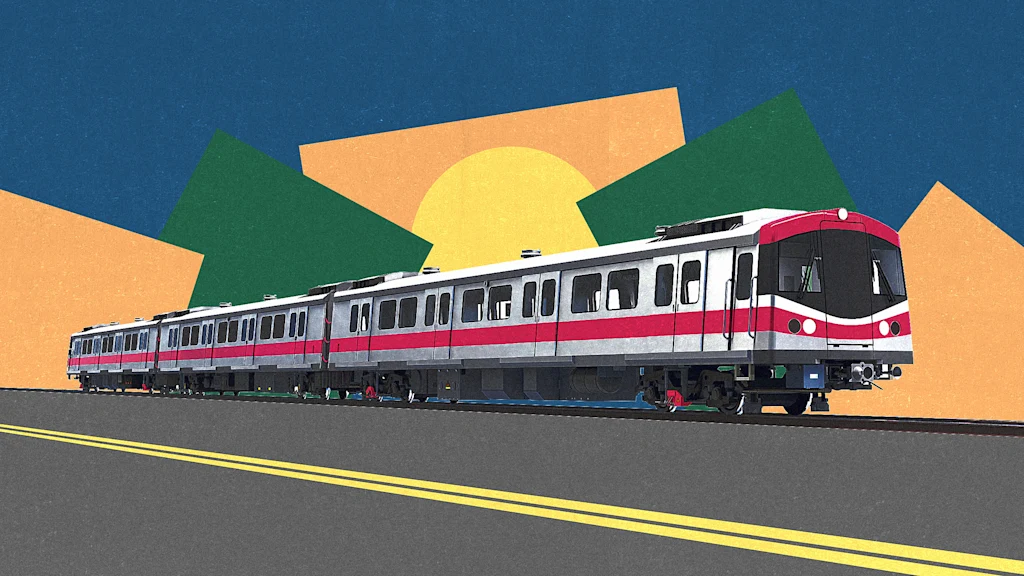
The Redbirds trace their origins to 1959, with the debut of the R26, the first of nine closely related subway car types that became synonymous with New York's transit system.
New York City
fromBoston.com
3 days agoWhat to know about the MBTA's free and discounted commuter rail plans for summer
"As we prepare for events like the World Cup, MA250, Tall Ships, and for millions of visitors to experience all that Massachusetts has to offer, we want to thank our regular riders that rely on us 365 days a year for your patience and continuing to choose transit during this unprecedented summer."
Boston
fromStreetsblog California
2 days agoBuffy Wicks Pushes Legislation to Cut Red Tape for Transformational Bicycle and Pedestrian Projects - Streetsblog California
"Too often, California makes the best transportation projects fight the hardest for approval. AB 1976 starts to change that by modernizing outdated rules, limiting unreasonable process hurdles, and creating a clearer path to safer, more people-oriented streets," said Marc T. Vukcevich, Director of State Policy, Streets For All.
California
Business intelligence
fromLondon Business News | Londonlovesbusiness.com
5 days agoWhy GIS matters in modern infrastructure and urban planning: Building smarter, future-ready cities - London Business News | Londonlovesbusiness.com
GIS is essential for effective urban planning, enabling data-driven decisions that enhance infrastructure and quality of life in rapidly growing cities.
#fair-fares
New York City
fromwww.brooklynpaper.com
1 day agoFare fight: Transit advocates push for expansion of Fair Fares program at Sunset Park subway station Brooklyn Paper
Expansion of the Fair Fares program aims to make transit affordable for over 2 million New Yorkers living at or below 150% of the federal poverty level.
fromPadailypost
1 day agoCaltrain to close stations if transit tax doesn't pass
"Caltrain and BART would very likely be looking at shutting down passenger service," Deputy Director of Policy Development Melissa Jones said. "In that case, the agencies would be focused on maintenance, trying to secure our assets, keep everything safe while we regroup for the future."
San Francisco
fromwww.amny.com
1 day agoAOC urges Hochul to scrap plan that would widen Cross Bronx Expressway | amNewYork
Ocasio-Cortez emphasized the need to protect the community, stating, 'On behalf of my constituents and nearly 64,000 local residents impacted by this project, I am requesting that your administration reject any plans to expand the Cross Bronx Expressway beyond its current footprint.'
NYC politics
fromFast Company
5 days agoHow Paris redesigned itself to be a city of bikes-not cars
"This project is symbolic of what we've done over the last 12 years, reshaping the streets and the city," Christophe Najovski, the city's deputy mayor in charge of green spaces, stated during the opening ceremony.
Paris food
fromTravel + Leisure
1 day agoAmerica's Fastest Trains Are Here-but Rail Experts Say High-speed Travel Is Still Years Away
True high-speed rail in the U.S. is still years away despite recent advancements and public support. Rail experts emphasize that actual high-speed rail requires dedicated infrastructure and faster trains, similar to systems in Europe and Asia.
Alternative transportation
fromStreetsblog New York City
2 days agoFriday's Headlines: Margin For Terror Edition - Streetsblog New York City
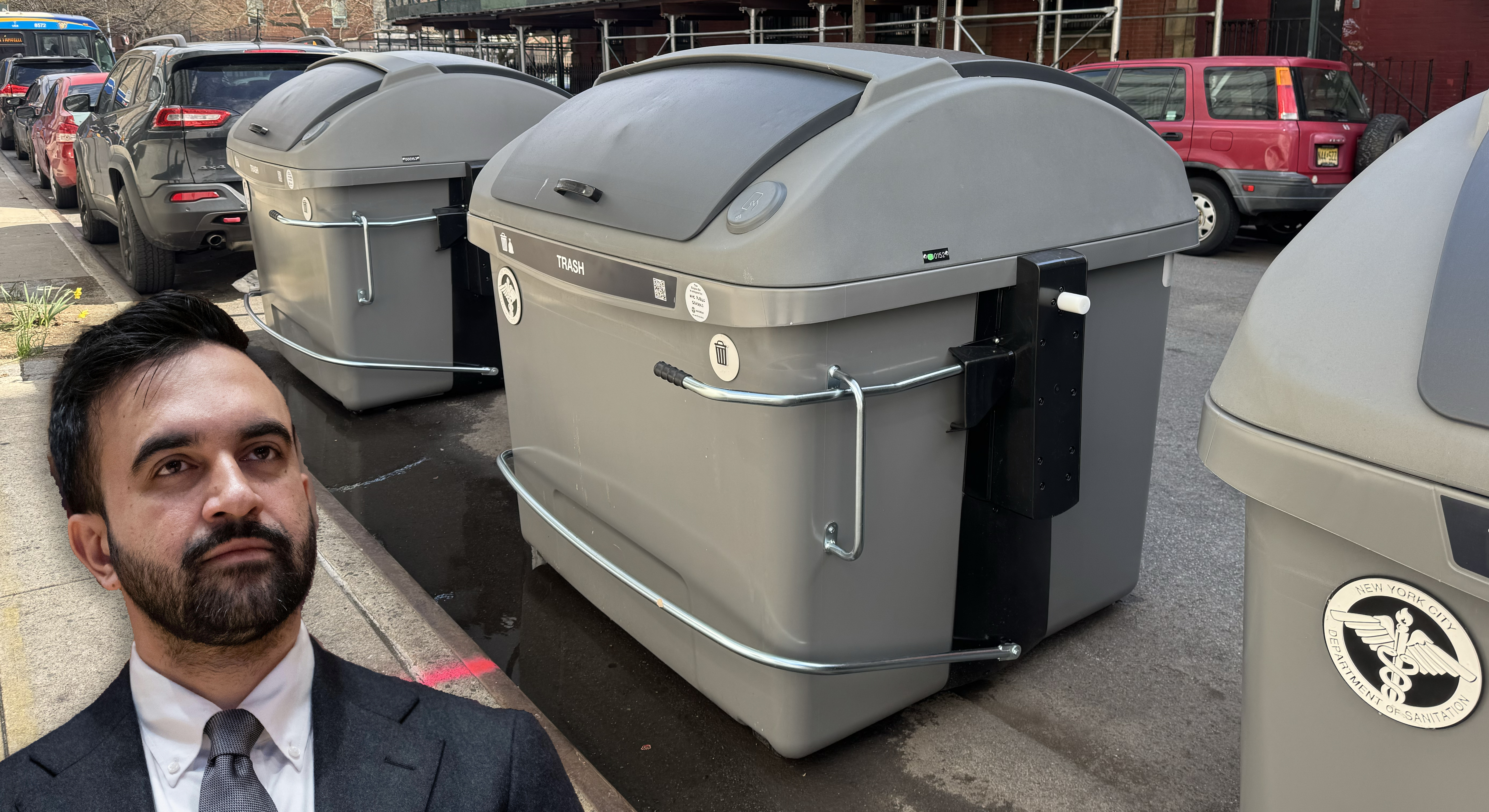
The first three months of 2026 were among the three safest first-three-month periods since records started being kept at the dawn of the Automobile Age, with only 42 fatalities from car crashes in New York City.
Alternative transportation

#mta
NYC politics
fromwww.amny.com
2 days agoTWU's 2-person subway train crew bill would derail progress, good government and business groups tell state pols | amNewYork
State legislative leaders should oppose the TWU's push for two-person crews on subway lines to allow MTA to implement one-person train operation.
Alternative transportation
fromSustainable Bus
4 days agoNew certified Ultrafabrics collections target durability and compliance in passenger transport interiors - Sustainable Bus
Ultrafabrics launches new certified collections for passenger transport, combining durability, aesthetics, and sustainability in high-performance upholstery fabrics.
fromForbes
1 month agoTransit-Oriented Housing On Track For Continued Growth
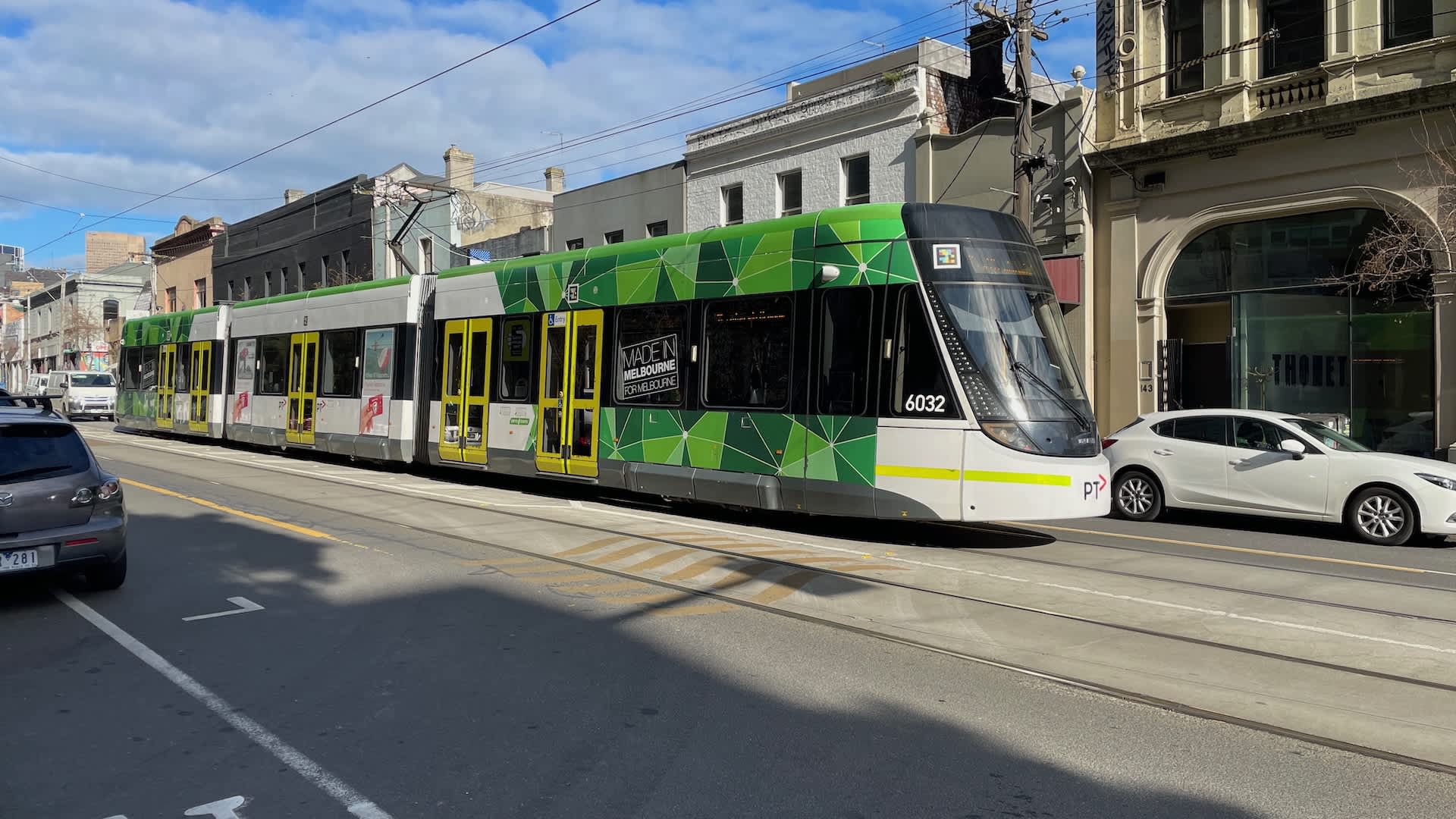
Once a nice-to-have niche urban design concept, TOD has become an essential part of many urban neighborhoods. It has helped address the shortage of housing by enabling the development of higher-density residential communities near transit stations. It has helped revitalize countless once-deteriorating or static urban enclaves near transit hubs by activating sidewalks near the developments. And it has spurred walking and transit use, enabling residents of TODs to reduce or eliminate automobile dependency.
Real estate

Alternative transportation
fromSustainable Bus
5 days agoZero-emission buses move beyond cities: intercity transition in Sustainable Bus' session at BUS2BUS - Sustainable Bus
Electrification of intercity and coach segments in Europe is advancing, requiring new infrastructure and operational strategies for zero-emission mobility.
fromStreetsblog
1 month agoWhen The Suburbs Want To Opt Out of Funding Regional Transit - Streetsblog USA
A vote six years in the making that would decimate the Dallas Area Rapid Transit system might soon be called off, potentially averting a major funding crisis for the agency - though advocates say there's more work to be done to make sure every DFW resident has the mass mobility options they deserve. Since the beginning of the decade, a handful of wealthy, sprawling suburban cities in the greater Dallas metro have been fighting
US politics
fromStreetsblog
2 weeks agoUCLA Study Shows How Ambiguous Definition of 'Major Transit Stop' Creates Wiggle Room for Municipalities - Streetsblog California
UCLA's research indicates that if the area surrounding a transit stop is included in the definition, it could add more than 1.3 million acres of land statewide where housing bonuses would apply, nearly tripling the amount of land currently eligible.
Alternative transportation
fromStreetsblog
3 weeks agoThursday's Headlines: Another Outlet Heard From Edition - Streetsblog New York City
Two decades ago, the state created a fund with tens of millions of dollars that was supposed to be in a lockbox to crack down on insurance fraud - but instead was funneled simply to law enforcement agencies' general operating funds. As a result only a tiny portion was spent actually fighting fraud.
NYC politics
fromSustainable Bus
1 month agoEvolution: the practical path to autonomous buses - Sustainable Bus
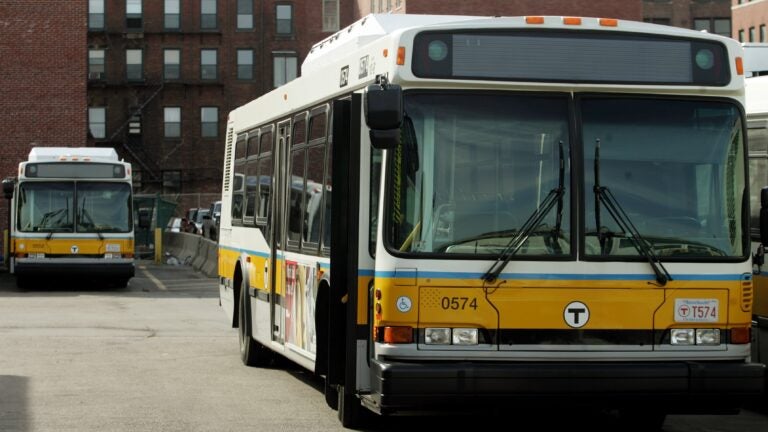
It's tempting to frame autonomous driving as a single leap. In public transport, adoption tends to be incremental - because the system is built for reliability, and new capabilities have to fit into daily operations without disrupting service. That is why a practical strategy is evolution, not revolution: introduce autonomy in a defined domain, learn safely in real operations, and expand capability step-by-step.
Artificial intelligence

fromArchDaily
3 weeks agoMobility Justice: Urban Equity in an Era of Innovation
Every city contains two transportation systems. One is the visible network of roads, rail lines, sidewalks, and bus routes mapped in planning documents. The other is the invisible geography of privilege and exclusion embedded within it: the neighborhoods that received highways instead of parks, the communities whose bus routes were cut, the sidewalks that abruptly end at the edge of a district.
Alternative transportation
fromwww.amny.com
1 month agoOp-Ed | It's time to bring updated transit to Harlem | amNewYork
Residents of East Harlem's El Barrio have waited 80+ years for the Second Avenue Subway. The Trump administration could force them to wait even longer as it withholds federal funding for regional infrastructure projects over an alleged naming issue, no less. It's outrageous, it's unfair, and the MTA backed by Governor Hochul won't stand for it. We're at a pivotal moment for the project sixth months after awarding our largest-ever tunneling contract back in August.
US politics
fromStreetsblog
1 month agoTalking Headways Podcast: The Future of Transit - Streetsblog USA
This huge law that we've passed in 2021 - which Joe Biden said was the biggest law for public transit ever and was this enormous investment in inner city rail - ultimately panned out to have very minimal effects. There has been some increase in highway construction. But when it comes to transit investment, unfortunately the country is going in the wrong direction.
Alternative transportation
[ Load more ]