#muscle-atrophy
#muscle-atrophy
[ follow ]

fromAlternative Medicine Magazine
3 days agoWhat You Do After Training Matters More Than You Think
After a tough workout, your body enters a state of stress: muscle fibers are damaged, energy stores are depleted, and hydration levels drop. This is a critical moment. If your body gets the right nutrients, it starts rebuilding immediately. If not, recovery slows down, and so does progress.
Alternative medicine

fromSnowBrains
1 month agoIt's Time to Stop Debating & Start Putting the Bar Down - SnowBrains
I have evolved from someone who didn't think much of the bar except for resting my legs to thinking of it as an obvious life-saving precaution. Dr. Bourne shared several examples from Mammoth in which the bar could have saved lives, including the death of her former ski coach, who fell from a chairlift to his death, most likely from a medical event which may have been treatable.
Snowboarding
fromStrength Running
1 month agoCross Training and Running: How to Add Other Sports to Your Training - Strength Running
Cross training and running go together like peanut butter and jelly. If you build it into your schedule intentionally, strategically, and with a clear understanding of what you're trying to accomplish, you'll thrive. Megan makes the case that cross-training serves runners for several distinct reasons, and the right reason for you will shape how you approach it.
Running
fromBusiness Insider
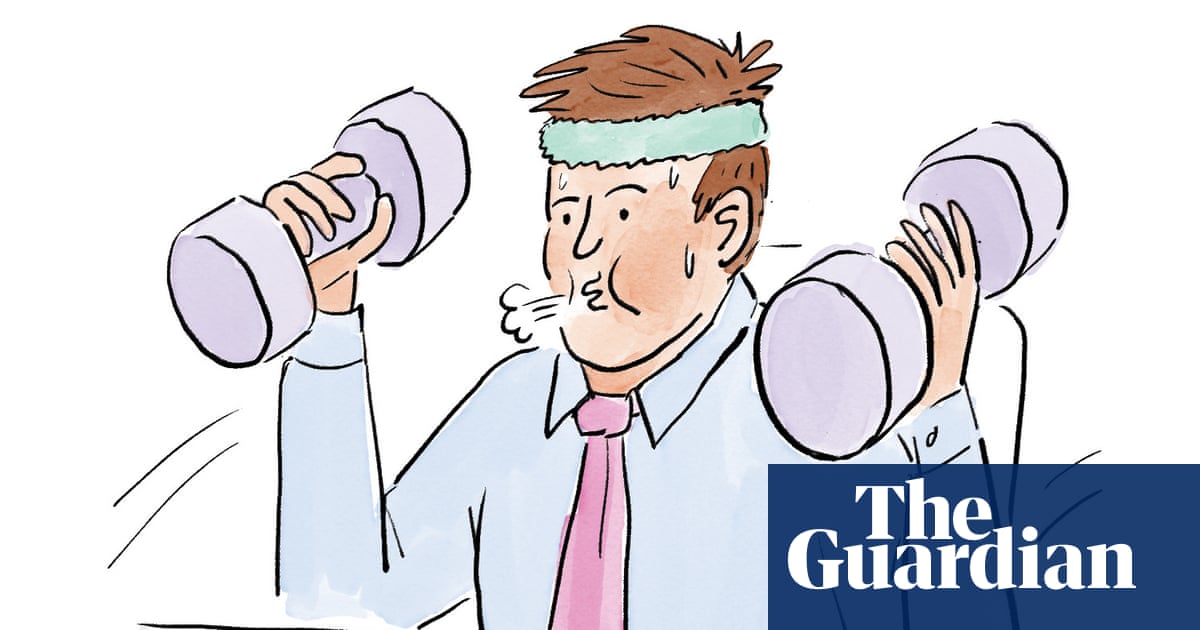
1 month agoA longevity and sports medicine doctor who completed 15 Ironmans shares his workout routine. It includes a run-commute.
It's the most ubiquitous, effective, totally no-side-effects drug in the world. Exercise is also something Metzl feels is sometimes overlooked in the longevity space, in favor of fancier products. A lot of this stuff we talk about with longevity is not validated, like full-body MRIs and these supplement stacks.
Health
fromwww.businessinsider.com
1 week agoAt 86, I still travel and I do headstands with my wife every day to stay mobile
Before I retired, I taught physics at a secondary school in China. While working as a teacher, I met my wife at an event. We were as active as the students we taught, spending our free time playing badminton, basketball, volleyball, and table tennis.
Exercise
fromNature
1 month agoDaily briefing: Stem-cell treatment strengthens people with age-related frailty
Researchers administered one of four doses of stem cells to 118 people between 70 and 85 years old, all of whom had frailty. In a timed walking test nine months after treatment, those who had received the highest dose could walk about 60 metres farther, on average, than they could before treatment.
Science
Health
fromScienceDaily
1 month agoScientists discover diet that tricks the body into burning fat without exercise
Reducing methionine and cysteine amino acids in diet triggers thermogenesis in mice, causing significant weight loss comparable to constant cold exposure without requiring increased exercise or reduced food intake.
#aging

fromwww.theguardian.com
2 months agoExercise
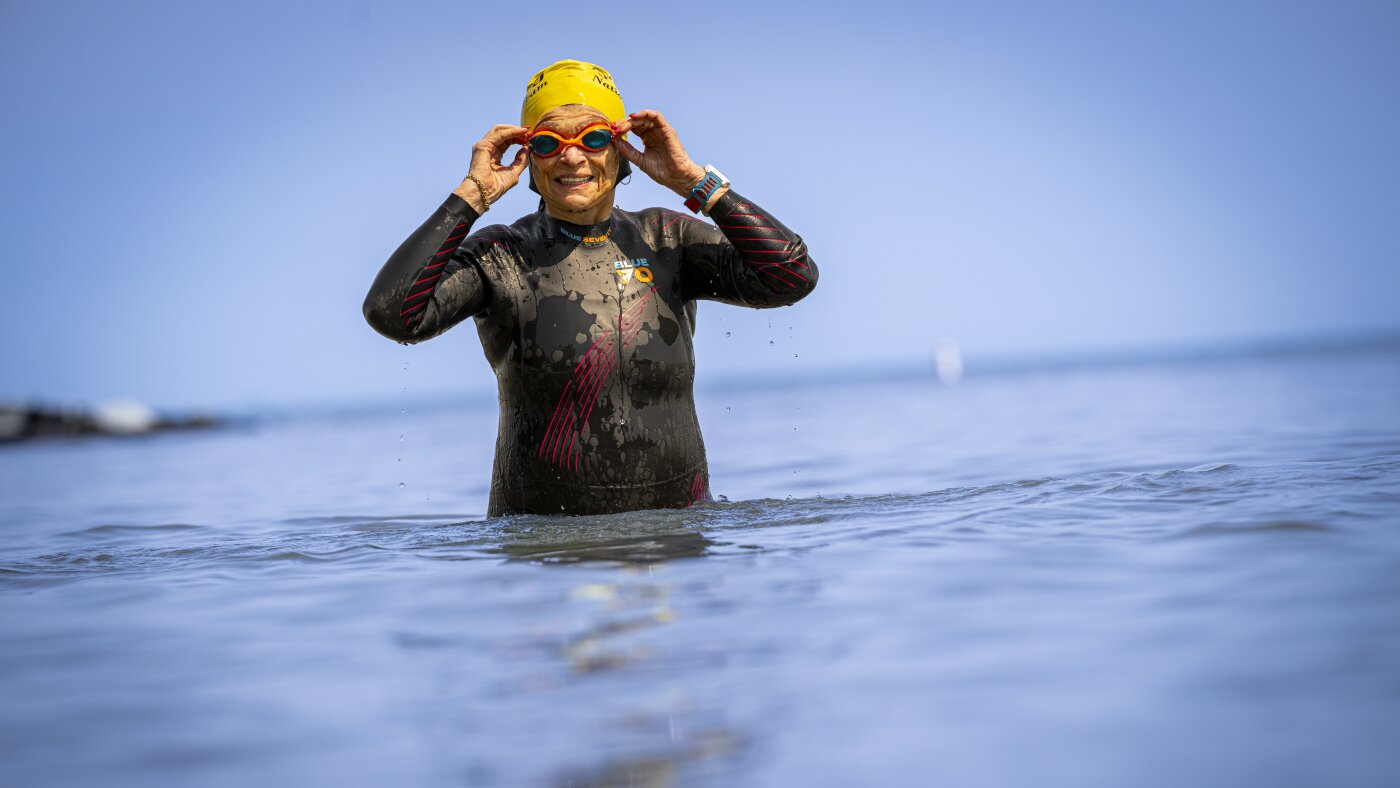
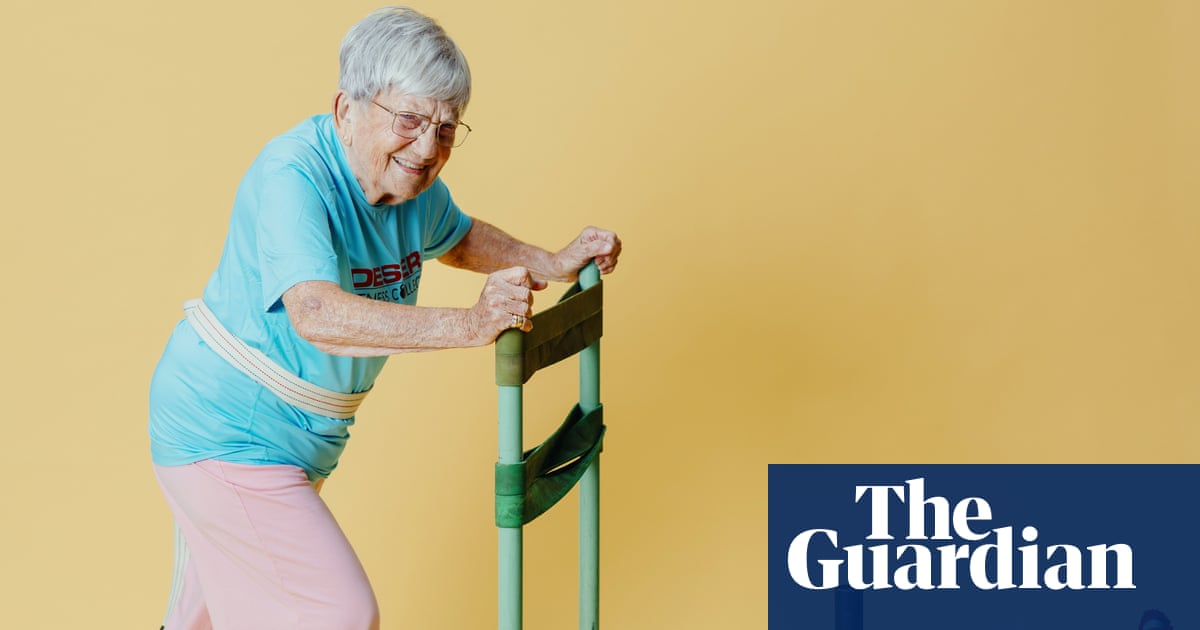
Without strength training I wouldn't survive': the woman who joined a CrossFit gym in her 80s
A 96-year-old regained significant strength and independence through consistent functional strength training, overcoming serious illness, accidents, and injuries while continuing to train twice weekly.
Psychology
fromSilicon Canals
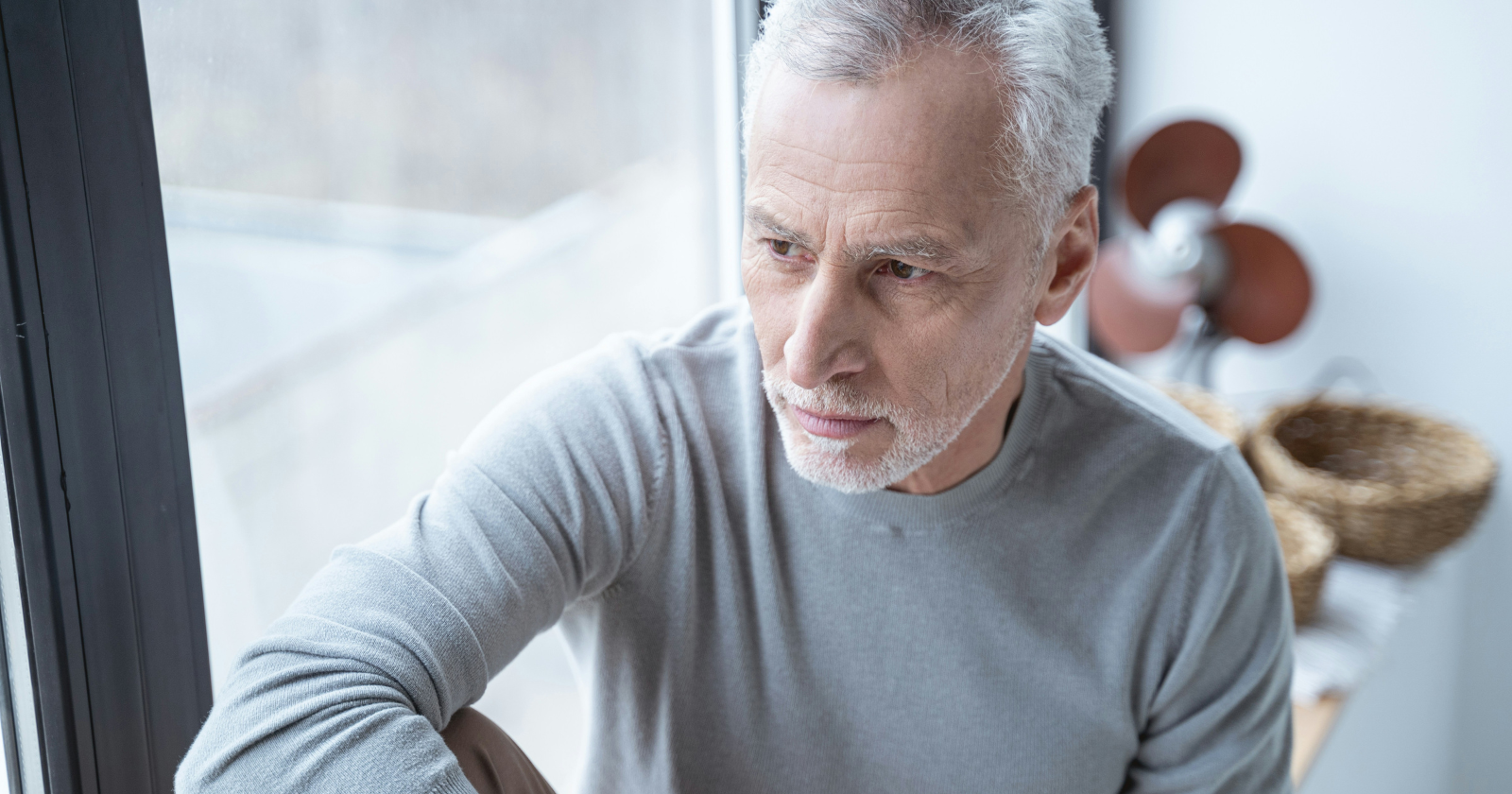
1 month agoIf a man in his 40s suddenly starts going to the gym every day, cooking his own meals, and spending time alone, something important is happening - and it's almost always the opposite of a crisis - Silicon Canals
Men adopting disciplined habits like regular strength training, cooking, and intentional solitude in midlife often rebuild themselves rather than experience a crisis.
Exercise
fromBusiness Insider
2 weeks agoI'm 76 and joined a fitness group in my 60s. I still train every day and can do 5 muscle-ups.
A 76-year-old maintains exceptional fitness through lifelong physical activity, part-time work, and community gym participation, demonstrating that age need not limit mobility and strength.
fromAlternative Medicine Magazine
1 month agoHealthy Lifestyle for Seniors: What to Prioritize After 60
As you age, your body gets less efficient at repair and recovery, as your: Immune system gradually loses some of its resilience Digestion slows Chances of chronic conditions like heart disease, type 2 diabetes, and osteoporosis increase Retirement can also impact your health in complex ways. While stepping away from work often reduces stress, it may lead to less physical activity and fewer social interactions-both of which can raise your health risks.
Alternative medicine
fromPsychology Today
3 weeks agoCardio Workouts Generate "Brain Ripples" Linked to Memory
By directly recording brain activity, our study shows, for the first time in humans, that even a single bout of exercise can rapidly alter the neural rhythms and brain networks involved in memory and cognitive function.
Exercise


fromwww.bbc.com
2 months agoWhy doing a mix of exercise could be the key to longer life
Don't put all your eggs in one basket when it comes to exercise - doing a variety of different physical activities every week is the key to boosting your health and living longer, a study suggests. After tracking the weekly exercise habits of 110,000 men and women in the US for 30 years, researchers found active people who did the greatest variety of exercise were 19% less likely to die during that time than those who focused on one activity. That effect was greater than for individual sports like walking, tennis, rowing and jogging. The total amount of exercise you do is still key, experts say, but doing a range of activities you enjoy can bring lots of benefits.
Public health

fromInsideHook
1 month agoThis AI-Powered Home Gym Acts As Your Own Personal Trainer
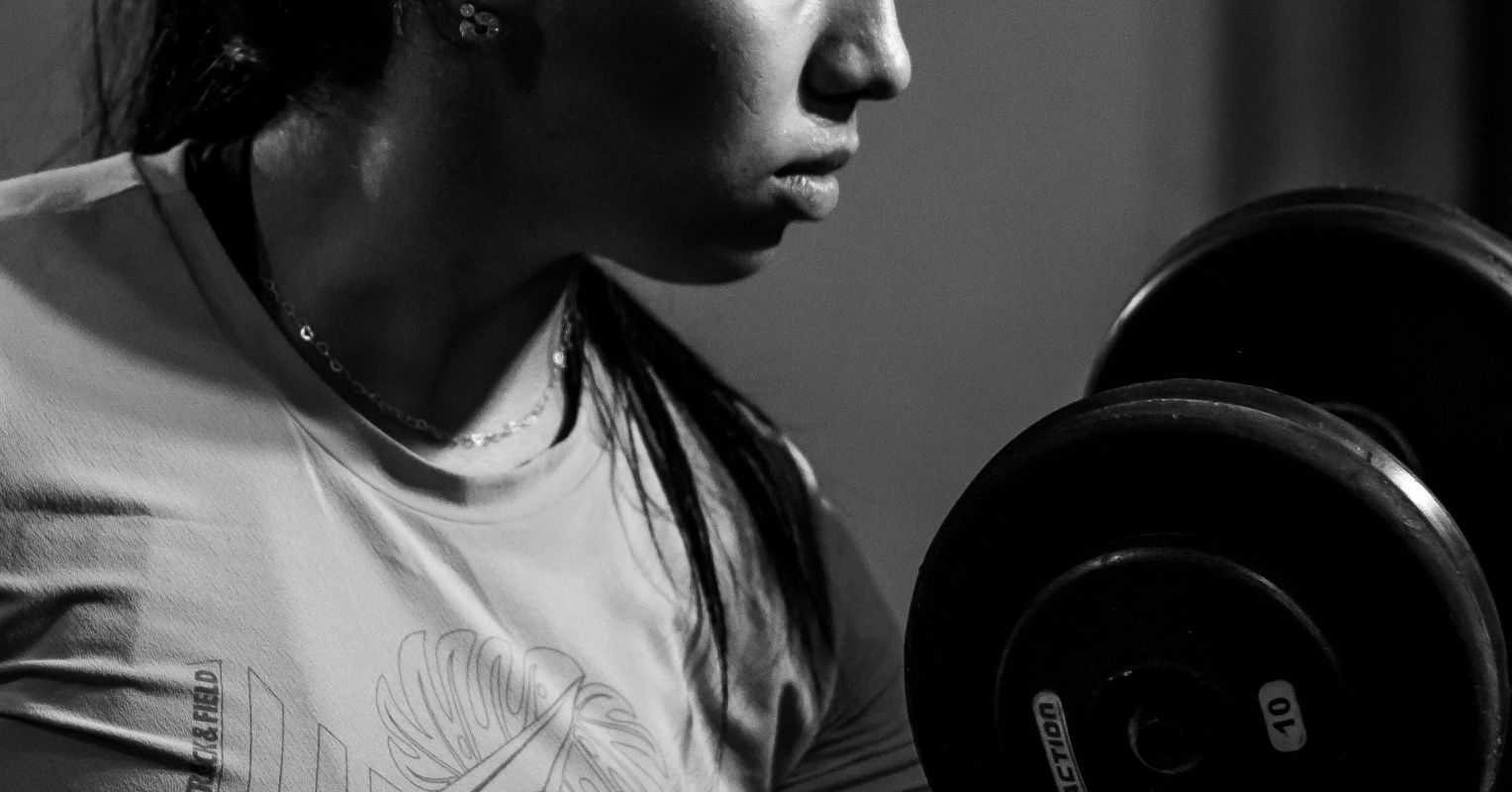
I felt too intimidated to try weight lifting again on my own, but wanted to experience the benefits those gym workouts provide, which is quite different to my typical routine of pilates, tennis and pole. Simultaneously, I've been working toward a solid home gym situation (while understanding my limited space in a one-bedroom in Queens). I began investigating full out home gym tech, and AEKE stood out as the most exciting of the bunch, because it most similarly aligned with having a personal trainer. I tried out the AEKE Smart Home Gym K1 with the Bench.
Gadgets
fromwww.theguardian.com
2 months agoI looked exceptional but I was out of breath': the bodybuilder who switched to mindful movement
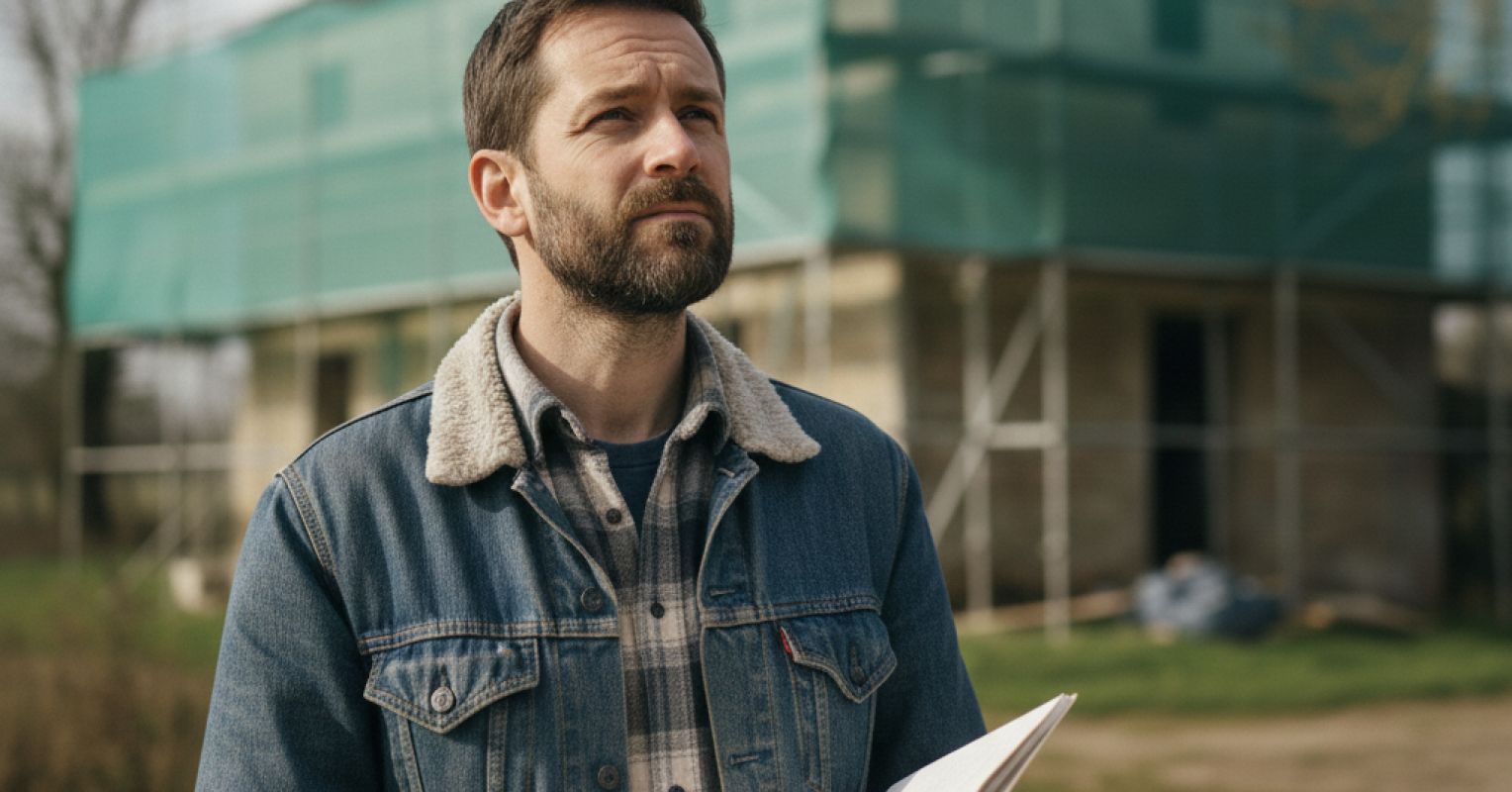
Eugene Teo, 34, began lifting weights at the age of 13, looking for validation. I was short, skinny and I thought it would give me confidence, he says. Bodybuilding for me was the ultimate expression of that. Now living on the Gold Coast in Australia, with his partner and daughter, the fitness coach spent from age 16 to 24 training and competing. At times, he lifted weights for up to four hours a day, aiming to get as muscular and lean as possible.
Mental health
fromDefector
2 months agoIdeologically Opposed To Proper Workout Form, With Patrick Wyman | Defector
"It's not great, if I'm being honest. From amending my answer to the question "how ya doing Roth" at the very beginning of this week's episode of The Distraction, it is clear that things are not going great. But for the second straight week, we found a way to split our episode between the Not Great stuff and being stupid about sports, with the result being one of the most enjoyable hours of my week."
US politics
fromwww.npr.org
2 months agoCan exercise and anti-inflammatories fend off aging? A study aims to find out
"As we get older, the immune system is shifting away from good inflammation," which is the body's short-term, acute response to fend off injury or infection and promote healing, explains Dr. Thomas Marron, one of the researchers leading the new study. Marron directs early phase clinical trials at The Tisch Cancer Institute at the Icahn School of Medicine at Mount Sinai.
Medicine
fromThe Atlantic
2 months agoYour Muscles Remember Your Strongest Moments-And Your Weakest
In 2018, Sharples and his research lab, now at the Norwegian School of Sport Sciences in Oslo, were the first to show that exercise could change how our muscle-building genes work over the long term. The genes themselves don't change, but repeated periods of exertion turns certain genes on, spurring cells to build muscle mass more quickly than before. These epigenetic changes have a lasting effect: Your muscles remember these periods of strength and respond favorably in the future.
Science
fromSilicon Canals
2 months agoWhy your hands shake slightly after 60 and when doctors say you should worry - Silicon Canals
Remember when you first noticed your parents' hands trembling slightly as they poured coffee or signed a check? I started paying attention after my mother mentioned it during one of our Sunday calls, brushing it off as "just getting older." But that conversation sent me down a research rabbit hole that revealed something fascinating: those tiny tremors that appear after 60 aren't always what they seem, and knowing the difference between normal aging and something more serious could change everything.
Medicine
Exercise
fromBusiness Insider
1 month agoI work out with my 87-year-old mother. Training with her has made me rethink the way I want to age.
Consistent exercise and proper modifications throughout life enable older adults to maintain strength, independence, and functional mobility for everyday activities.
Health
fromSilicon Canals
2 months agoWhy your balance gets worse after 55 and the simple exercise that reverses it - Silicon Canals
Balance declines after 55 from inner-ear, vision, proprioception deterioration and muscle loss, but a simple exercise can significantly restore stability without equipment.
fromScience of Running
1 month agoFit and Fast: Achieving Robustness in Training
In this episode of the On Coaching Podcast, Steve Magness and Jon Marcus discuss the concept of 'fit but flat,' exploring the phenomenon where athletes excel in metabolic fitness but fail to perform competitively due to a lack of neuromuscular coordination. Using examples like middle-distance runner Ingram Brion, the hosts delve into how metabolic training alone can lead to race failures.
Running
fromNature
1 month agoExercise rewires the brain - boosting the body's endurance
Betley and his colleagues were curious about what happens in the brain as people get stronger through exercise. They decided to focus on the ventromedial hypothalamus, a brain region that regulates appetite and blood sugar. The team then zeroed in on a group of neurons in that region that produce a protein called steroidogenic factor 1 (SF1), which is known to play a part in regulating metabolism. A previous study found that the deletion of the gene that codes for SF1 impairs endurance in mice.
Science
Wellness
fromBusiness Insider
2 months agoA doctor who studies metabolism said new research convinced him to make 3 changes to his routine
Gradual dietary and lifestyle changes—more diverse whole foods and fermented foods, strength training, better sleep, and reduced stress—support metabolic health and fat loss.
Health
fromSilicon Canals
2 months agoIf you're over 60 and hate the gym, these 8 movement snacks are perfect for you - Silicon Canals
Small, frequent 'movement snacks' integrated into daily routines can maintain strength, mobility, and health for adults over 60 without needing gyms or special equipment.
fromInsideHook
2 months agoHow One Athlete Chased a Pull-Up Bar Record at 81
When you see a pull-up bar, there's one physical activity that likely comes to mind: pull-ups. While they've lent this piece of equipment its name, they aren't the only physical feat that an athlete can accomplish using them. In 2022, for instance, Japan's Kenta Adachi set a new world record for hanging from a pull-up bar for well over an hour.
Health

fromwww.independent.co.uk
2 months agoThe simple exercise to boost weight loss while working
Your donation allows us to keep sending journalists to speak to both sides of the story. The Independent is trusted by Americans across the entire political spectrum. And unlike many other quality news outlets, we choose not to lock Americans out of our reporting and analysis with paywalls. We believe quality journalism should be available to everyone, paid for by those who can afford it.
Health
fromBusiness Insider
2 months agoHow to lose fat while maintaining muscle, according to the personal trainers of celebrities and business execs
When we say we want to lose weight, we typically mean shedding fat but not muscle. Muscle helps us to look "toned" and supports our metabolism. To lose fat without losing muscle, eat enough protein and strength train regularly, two top trainers said. If you want to lose fat without losing muscle, there are three things you need to know.
Health
fromSilicon Canals
1 month agoPeople who stayed physically active into their 80s share these 7 movement habits they started before it became trendy - Silicon Canals
It got me thinking. While everyone's obsessing over the latest fitness trends and biohacking protocols, these folks have been consistently moving their bodies for decades. No fancy equipment, no Instagram-worthy routines, just simple habits they picked up long before movement became a multibillion-dollar industry. So I started asking around, digging into research, and talking to people who've stayed active well into their golden years. What I found wasn't revolutionary or complicated. It was refreshingly simple.
Exercise
fromABC7 Los Angeles
2 months agoKick-start your year: 22 must-have essentials for an unstoppable fitness journey
Bala Bangles Wrist & Ankle Weights Fit in a workout whenever you have time. Keep Bala Bangles in your bag so they're easy to grab. Wear them on your wrists or ankles to add comfortable resistance to yoga, walking, or any home workout. Gymreapers Barbell Squat Pad This squat pad helps prevent sore shoulders during back squats or after leg day. It spreads out the bar's weight so you can focus on your lift.
Health
fromBusiness Insider
1 month agoI'm 81 years old, and I still love going to the gym. It's helped me stay social and physically healthy.
When our family moved to Oregon from Southern California in 1974 for my husband's new job, I fell in love with the Pacific Northwest. But there was one problem: There wasn't enough sunshine or swimming pools - both of which I had enjoyed in California. When the community college where I taught offered free memberships at a new gym, I quickly signed up. I expected exercise, but I got so much more.
Exercise
fromBusiness Insider
2 months ago10 years of running led to burnout. Walking helped me feel energized and lean again.
After 10 years of jogging, I officially ran out of steam. As much fun as I had finishing my first marathon in 2024, the training burned me out. In the months that followed, I had no desire to hit the track near my home, let alone sign up for another race. Plus, my go-to running buddies and I all moved, making running a more solitary and, frankly, boring activity. While I could join a new local run club, I resisted.
Exercise
[ Load more ]