#museum-directors
#museum-directors
[ follow ]

fromThe Art Newspaper - International art news and events
2 days agoThe Louvre's new director is inheriting a troubled, traumatised museum-can he repair the damage?
The Louvre accumulated considerable delays in the deployment of its security equipment, in favour of an event-driven policy, a judgment Des Cars said was unfair.
Arts
fromMedievalists.net
1 day agoGame On! Medieval Pastimes Featured in New Exhibition at the Aga Khan Museum - Medievalists.net
"Games have long brought people together across cultures and centuries, creating shared experiences that connect us beyond borders, languages, and differences. Whether played on boards, performed through physical skill, explored via the spoken or written word, or navigated in digital worlds, games carry educational, symbolic, and social roles that shape how we learn, connect, and make meaning through play."
History
Design
fromdesignboom | architecture & design magazine
3 days agoreversible cultural pavilion activates public space in frankfurt 2026
Spain's pavilion for World Design Capital 2026 emphasizes reversible cultural infrastructure and sustainable design through innovative materials and construction methods.
.png?trim=0,0,0,0&width=1200&height=800&crop=1200:800)
fromArchDaily
1 month agoArchiving the Technosphere: How Museum Architecture Mediates Human-Made Systems
The contemporary technology museum has emerged as a performative participant in the systems it seeks to document. The architecture of these institutions has become increasingly fluid and bold, often mirroring the velocity and complexity of the systems it houses. They operate as mediators between the human, the ecological, and the technological realms, transforming from encyclopedic warehouses into active educational engines.
Science
#museum-expansion
Brooklyn
fromThe Art Newspaper - International art news and events
2 weeks agoThe new New Museum: now with twice the space
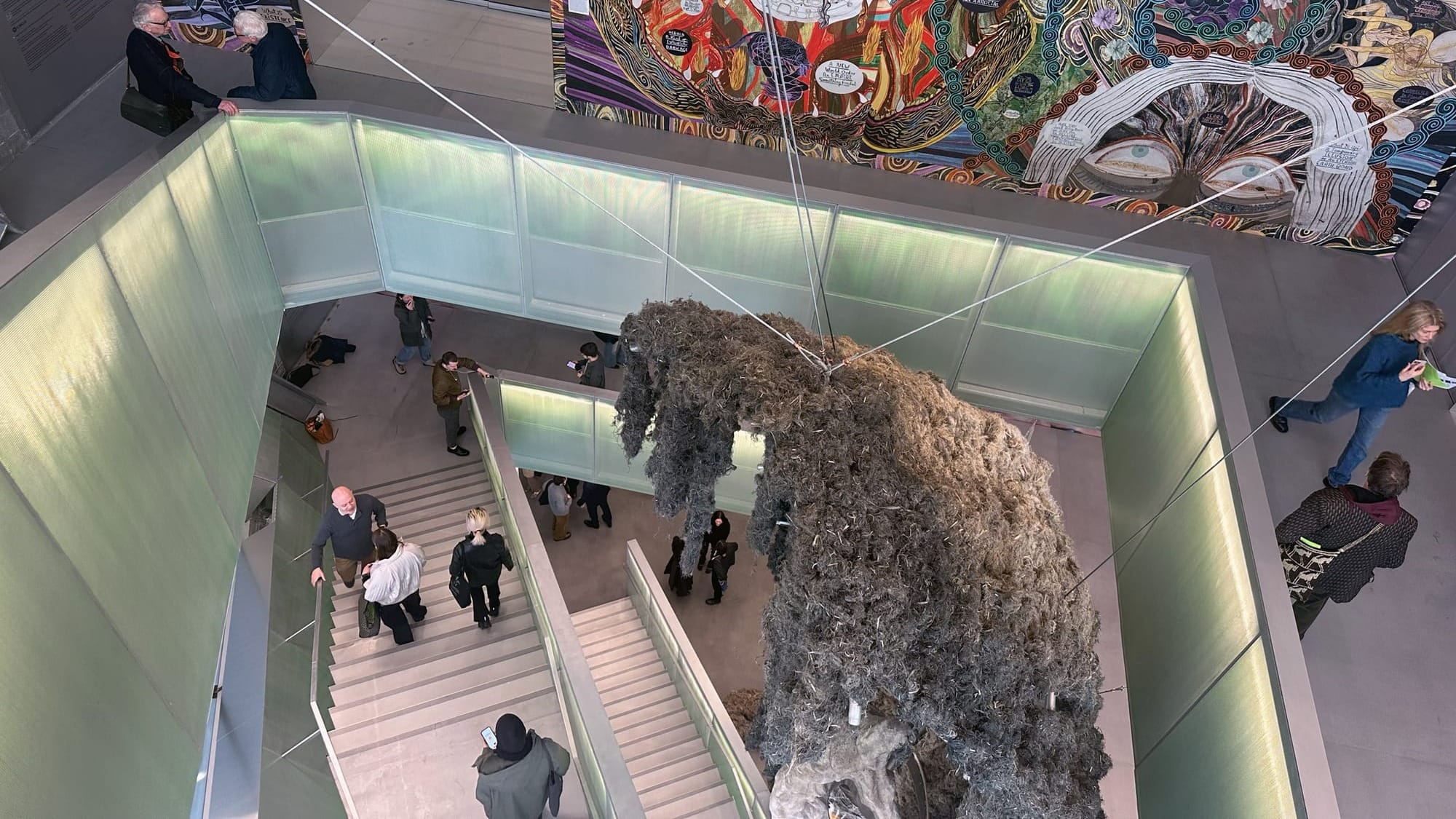
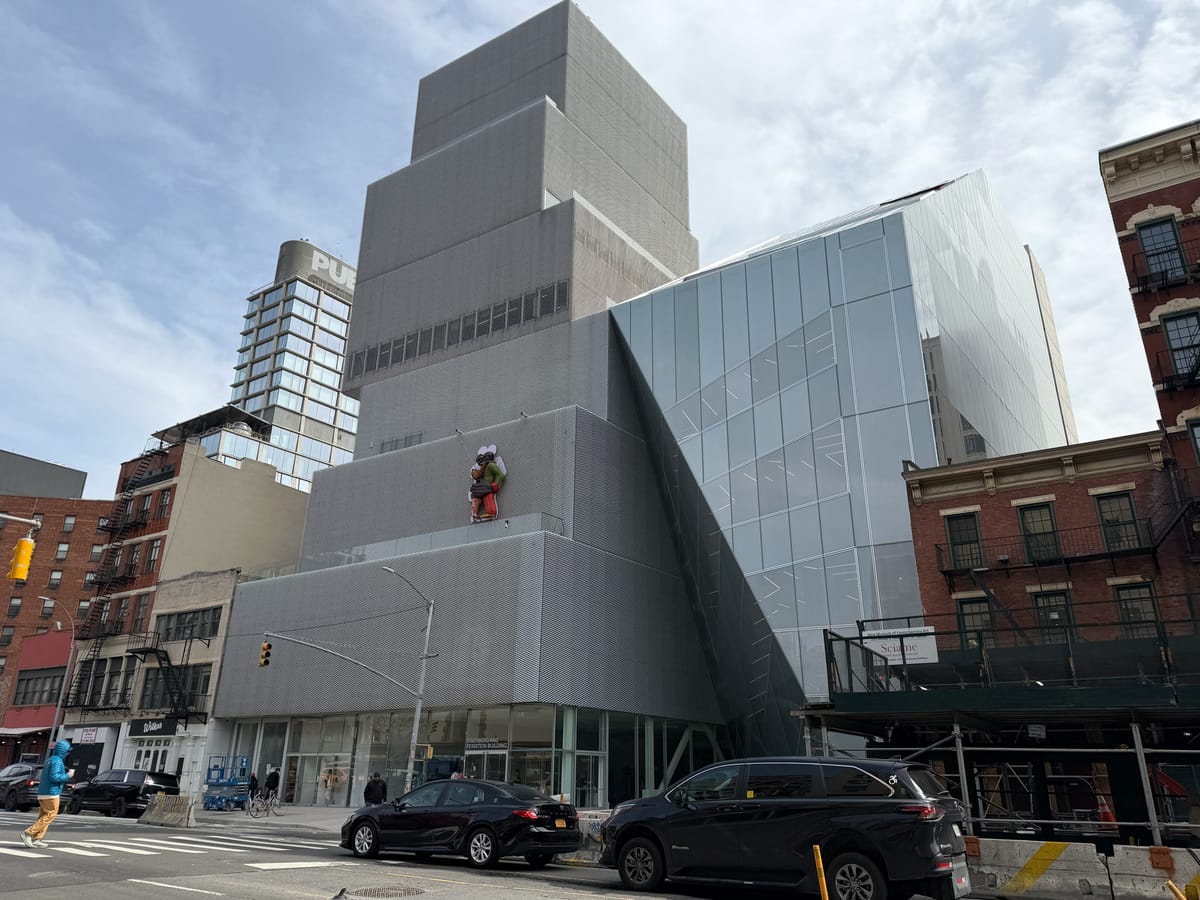
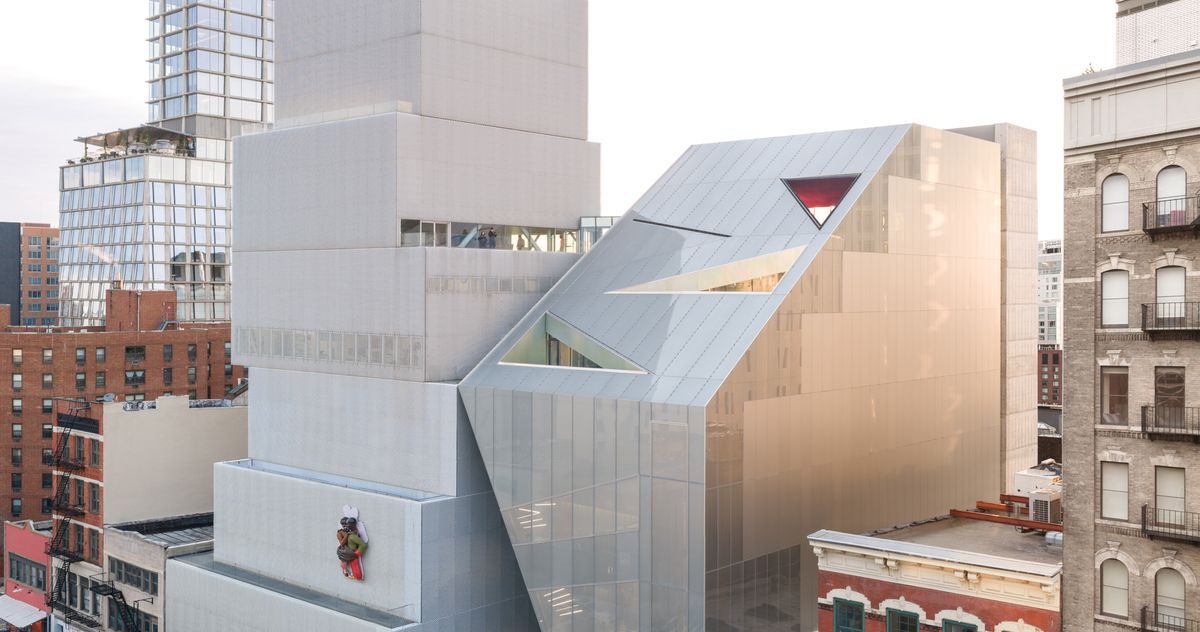
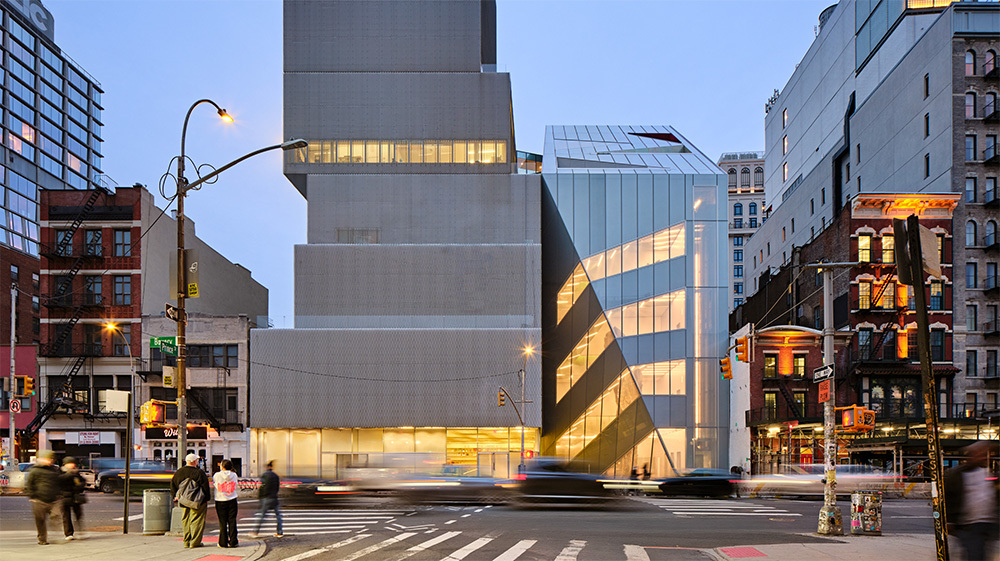
New York's New Museum opens an $82 million expansion on March 21, doubling its footprint to 120,000 sq. ft with new galleries, artist studios, and public spaces designed by OMA and Cooper Robertson.

Brooklyn
fromThe Art Newspaper - International art news and events
2 weeks agoThe new New Museum: now with twice the space
New York's New Museum opens an $82 million expansion on March 21, doubling its footprint to 120,000 sq. ft with new galleries, artist studios, and public spaces designed by OMA and Cooper Robertson.
#art
Arts
fromIrish Independent
5 days ago'You have to step in and experience it' - artists on the rise of AI-generated art and the 'essential' gallery visit
Miriam Fitzgerald Juskova's exhibit combines paper quilling with mathematics, showcasing intricate art that engages viewers and emphasizes the value of handmade creations.
fromThe Art Newspaper - International art news and events
1 week agoComment | Museums must be the leaders in a moral revolution
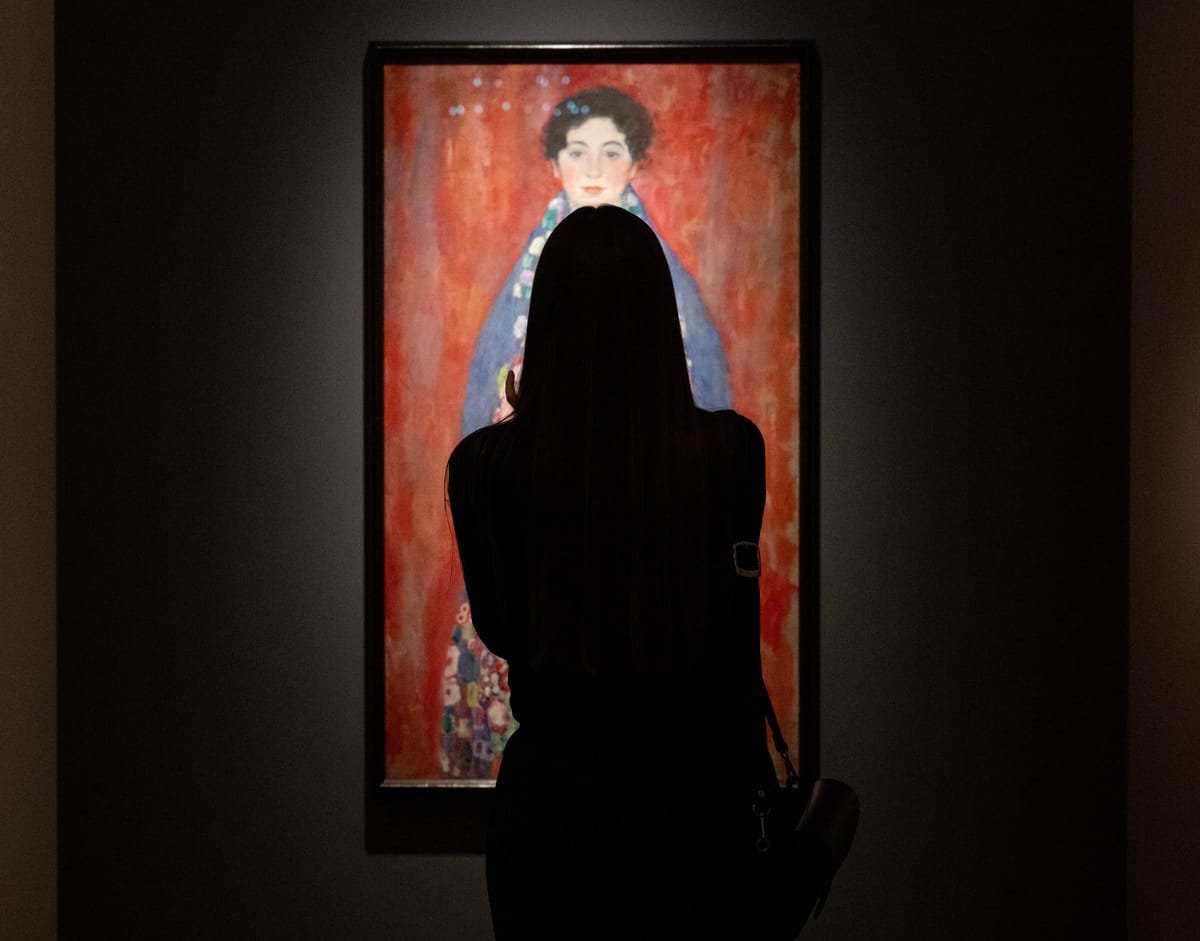
Bregman claims, 'Today the whole of Europe risks turning into one big Venice, a beautiful open-air museum. A great destination for Chinese and American tourists. A place to admire what was once the centre of the world.' This statement encapsulates the concern that Europe is losing its cultural significance.
Arts


US politics
fromwww.independent.co.uk
2 months agoInside the hunt for British Museum's missing treasures
The Independent funds on-the-ground, paywall-free investigative reporting while a six-person British Museum team celebrates breakthroughs in tracing missing Greek and Roman treasures with a golden bell.
fromArchDaily
2 months agoRethinking Museums: A Conversation with Beatrice Grenier on Architecture as Cultural Policy
As cultural institutions continue to proliferate worldwide in this digital era, the museum itself appears increasingly in need of redefinition. Rather than offering a single model or solution, Architecture for Culture: Rethinking Museums, written by architectural historian and curator Béatrice Grenier, argues for a more contextual and plural understanding of what a museum can be: an institution shaped by its environment, its public, and the specific cultural questions it seeks to address.
Remodel
Education
fromOregon ArtsWatch * Arts & Culture News
2 months agoPortland Art Museum's Bold New Vision for Youth and Community Education and Engagement * Oregon ArtsWatch
Portland Art Museum transformed spaces to prioritize K–12 education with transparent, tech-enabled learning studios and youth galleries integrated visibly into the museum.
Design
fromThe Art Newspaper - International art news and events
2 months agoHow an artist's sketch was turned into a museum
A museum design translates a blue-house and white-tower sketch into a tiled architectural language reflecting regional materials, cultural markers, and historic South–West Asian trade links.
Arts
fromHyperallergic
2 weeks agoMeet the Woman Who Made Museums More Accessible
Lorena Bradford, the National Gallery of Art's first head of Accessible Programs, transformed museum accessibility by creating intentional programs for disabled visitors, including ASL tours, memory loss programs, and medical student training initiatives.
Arts
fromThe Art Newspaper - International art news and events
3 weeks agoComment | Why museum leadership needs to decentralise
Traditional museum leadership models are failing under contemporary pressures, requiring a fundamental shift from centralized, individual authority to distributed, collaborative leadership structures.
Arts
fromThe Art Newspaper - International art news and events
2 months agoMuseum wall texts are an art in their own right-but will they survive the digital age?
Museums should balance providing contextual wall text and inviting wordless, personal interpretation to make art accessible and meaningful to diverse visitors.


Arts
fromThe Art Newspaper - International art news and events
3 months agoHow UK museums are embracing citizens' assemblies to help frame their futures
UK museums are using citizens' assemblies to involve the public in shaping institutional policy, priorities and funding decisions, leveraging museums' public trust.
fromHyperallergic
1 month agoThe Commissioner We Need
It's impossible to imagine New York City without art, or contemporary art without New York City. This is where you come to see the best of the best, or to take part in making it. This country's international standing is down in the gutter, thanks to Trump, but this city is still a living, rolling dream. Right now, we're waiting to see who's going to be Mayor Mamdani's pick for cultural affairs commissioner. It's an important role that determines where the city's budget priorities will lie and who'll get a seat at the table. Gonzalo Casals, who served as culture commissioner under Mayor de Blasio, and Mauricio Delfín, who co-directs the Culture & Arts Policy Institute with Casals, have some urgent thoughts on the matter. It's a must-read not just for Zohran (send him a link if you're on texting terms), but for everyone who cares about art in this city.
Arts
fromHyperallergic
2 months agoFor Which It Stands...
Featuring more than 70 works by a diverse array of artists, including June Clark, Jasper Johns, Faith Ringgold, Robert Rauschenberg, Shepard Fairey, David Hammons, Julie Mehretu, Dread Scott, and Hank Willis Thomas, For Which It Stands... challenges viewers to consider who the American flag truly represents, and whether justice is available to all. On view in Fairfield, Connecticut, from January 23 through July 25, the exhibition opens with Childe Hassam's "Italian Day, May 1918" - lent by Art Bridges - and concludes with a textile sculpture newly commissioned from Maria de Los Angeles. Emma Amos, Eric Fischl, Jane Hammond, and Glenn Ligon are among the many other artists whose work is represented.
Arts
[ Load more ]