Music production
fromFast Company
4 hours agoThe future of music is human-generated
The music industry's value is shifting from songs to the human connection behind performances as AI-generated music becomes abundant.
I love reading about bands. I've read the AllMusic reviews of my favorite albums multiple times over. If my Apple Music selection has a writeup to go with, I'll read it. And I can read a good band book in a matter of hours. I'm not a professional nostalgia whore, but reading about these bands really does put me back in that time, and in that headspace. Like the music itself! I can't get enough of that particular high.
R&B in the 21st century has been in a constant state of flux, tugged between safe traditionalism and blurry attempts at progression. For the last decade-plus that "progression" has seen R&B music become more indebted to trap records and the moody atmospherics of alternative bands like Radiohead, Coldplay, or My Bloody Valentine.
In Italy, the most common topic mentioned as a source of national pride was culture and the arts. These were cited by 38 percent of respondents, more than any other place. An Italian woman who took part in the survey said she was proud of 'the works in the churches, paintings, sculpture ... most places in Italy have something beautiful.' An Italian man said that 'Italy is an open-air museum.'
Whether it's a slept-on post-punk album from the '80s, a new sci-fi novel, or a cult classic horror movie, we're always finding new obsessions here at The Verge - and we want to share those obsessions with you. Sometimes that might be a new release, but often it's going to be something a little older, something not necessarily plastered all over TikTok or sitting at the top of the charts on Spotify.
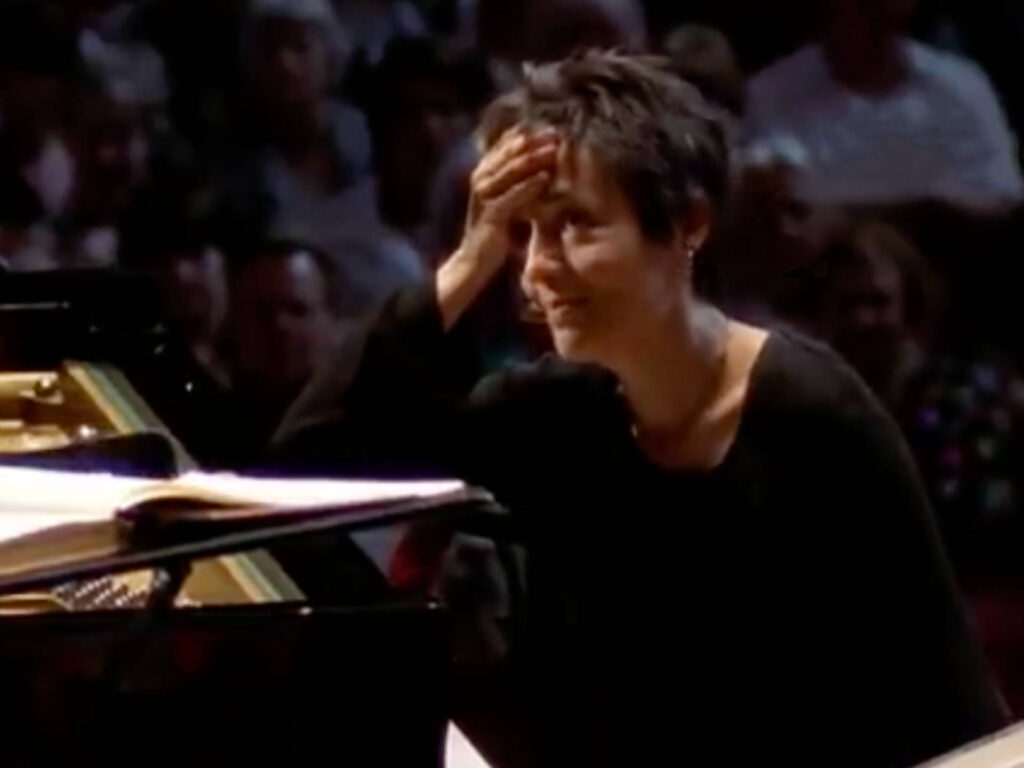
The Austrian pianist's expressive, emotional playing may grab the headlines, but it's the unerring sense of underlying architecture that's the thread through her long career. We heard that here, not just within each of the works, but in the shared foundations, and sometimes secret connecting passages, she revealed between them.
You know that song from 1987? The one you haven't heard in years? Start playing it right now and I bet you'll nail every word, every pause, every dramatic key change. Meanwhile, you're standing in front of your open refrigerator wondering if you already ate lunch today. This isn't just you being forgetful or having selective memory. There's actually fascinating psychology behind why your brain holds onto those old Backstreet Boys lyrics like precious gems while treating yesterday's breakfast like trash to be deleted.
"Piano piano" is an old Italian saying that sounds nonsensical, but is actually full of wisdom, especially if you, like me, are finding yourself wishing away these frigid winter days and hoping spring and summer gets here fast. These days, I've found myself rushing from one thing to the next, frustrated at the smallest things, from post office lines to just missing my train. And I'm ready to make a change.
I was immediately struck by his magnetic intensity, his fierce passion for music and his unique way of speaking English—punctuated by frequent utterances of er-er-er. Many years later, Kurtag was to tell me: 'Stuttering is my natural mode of expression.' He and Marta simply embodied—he still embodies—music. I had never met anyone to whom each note mattered so much.
Even in an era of CGI and AI, nothing is more vivid than the intimacy and imagination of radio or more direct than the connection radio has with listeners. I remember when the legendary Stan Freberg drained Lake Michigan and filled it with hot chocolate, a 700-foot mountain of whipped cream, and a 10-ton maraschino cherry. We didn't have to see it. We heard it on the radio. It was Freberg's demonstration of what radio can do better than television.
an Act of Killing-style re-enactment of the 1919 conquest of the Adriatic city of what is now Rijeka by a rag-tag army assembled by the proto-fascist dandy-poet Gabriele D'Annunzio. It was precisely the kind of quirky cinematic gem that the European film awards should be there to champion: a film ignored by the main festivals, about an overlooked but relevant episode in history.
The traditional museum experience, pausing in front of an object, and absorbing its history visually or by reading its description, has long shaped how collectors and others relate to cultural treasures. Yet, over the last few decades, digital technology has quietly rewritten many of those rules, changing not only how collections are exhibited but also how they are documented, preserved, and even inherited.
"When I read the fine print, it was 'an experience with REO Speedwagon's music.' It's none of the original members," Fletcher recalls. "I don't want to promote the show unless it's the real thing. I don't know why you would want to see that. It's just a cover band. To me, that's a little bit strange." He adds, with a sigh, "If there are no original members, who cares?"
The sheet is modest in size but immense in significance. Carefully inked across the page are the opening 20 bars of a fugue - not Mozart's own invention, but his transcription of a harpsichord work by George Frideric Handel, composed more than sixty years earlier. Mozart was 26 when he set to work on it in 1782-83, transforming Handel's keyboard fugue into the beginnings of a string quartet arrangement.
I'm a harmonica and accordion player and one half of folk-classical duo Stevens & Pound. As a multi-instrumentalist I am rooted in a folk tradition that is oral, aural and communal. Music and song are passed down by ear, either through recordings or more fun traditional music sessions. Here, players and singers get together to share, swap and play tunes, drawing from a repertoire that is always evolving.
Their gathering still had to be dispersed, but the enthusiasm that Ored Recordings inspires even among enforcers of the law speaks volumes about the power of what Khalilov and his friend and label co-founder Timur Kodzoko call punk ethnography: the recording of religious chants, laments and displacement songs at family gatherings, local festivals, in people's kitchens, to fight against the erasure of Circassian culture.
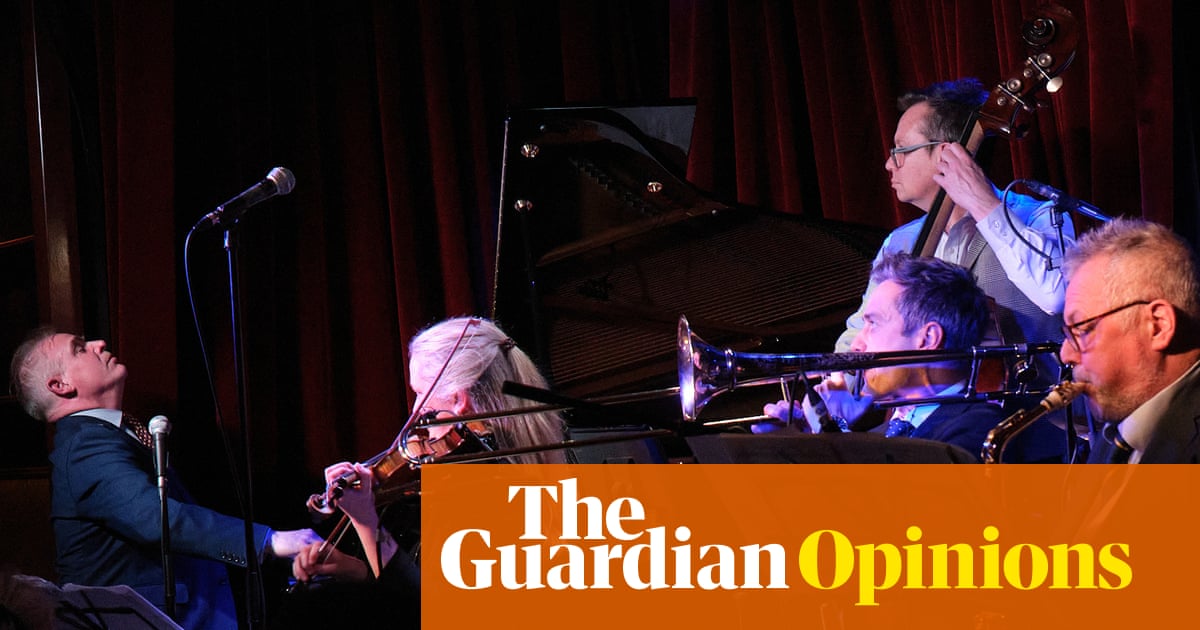
I noticed the swelling of the double bass first, quickly followed by the fluttering of brushed cymbals. A saxophone pushing against the edges of a melody swiftly married the notes together, chords drifting haphazardly before reaching a slow, pulsing groove. The jazz quartet performed in front of a liquor cabinet lined with whisky bottles; low-hanging lights teetered overhead, throwing shapes on the monochromatic marble-tiled floor. Outside, a leafy veranda was filled with diners, the music drifting through flung-open doors and windows.