Psychology
fromPsychology Today
44 minutes agoWhat Makes Painful Memories Stick
Painful memories linger because they signal threats to core psychological needs, making them psychologically urgent and demanding more cognitive processing.
Research shows that summertime conditions can lead to cognitive impairments, particularly in memory and concentration. Factors such as sleep disruption, heat, dehydration, and smoke exposure are significant contributors to these effects.
Cameron Toshack stated, 'It's a terrible disease. It's the short-term memory where we're seeing it. I speak to him most days and if we chat in the afternoon, he might not remember that we also spoke in the morning.'
In her latest book, Indignity, Ypi blends archival material with a fictionalized account of her grandmother's childhood in Thessaloniki and her arrival in Albania, exploring themes of memory and dignity.
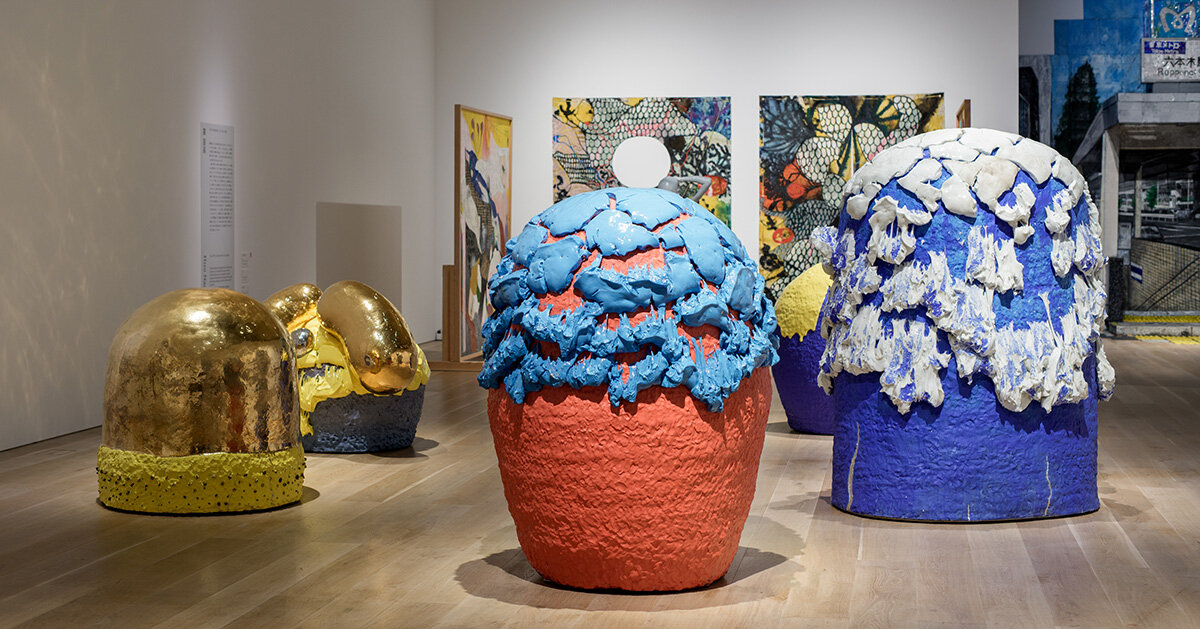
Monia Ben Hamouda's work weaves calligraphy, material transformation and ancestral memory into sculptures and installations that oscillate between language and form. In conversation, we traced the conceptual and sensory threads of her practice, unfolding through key works that reflect on heritage, embodiment and translation. Using materials such as iron, stone and pigment, her installations become sites where history is not only referenced but physically felt.
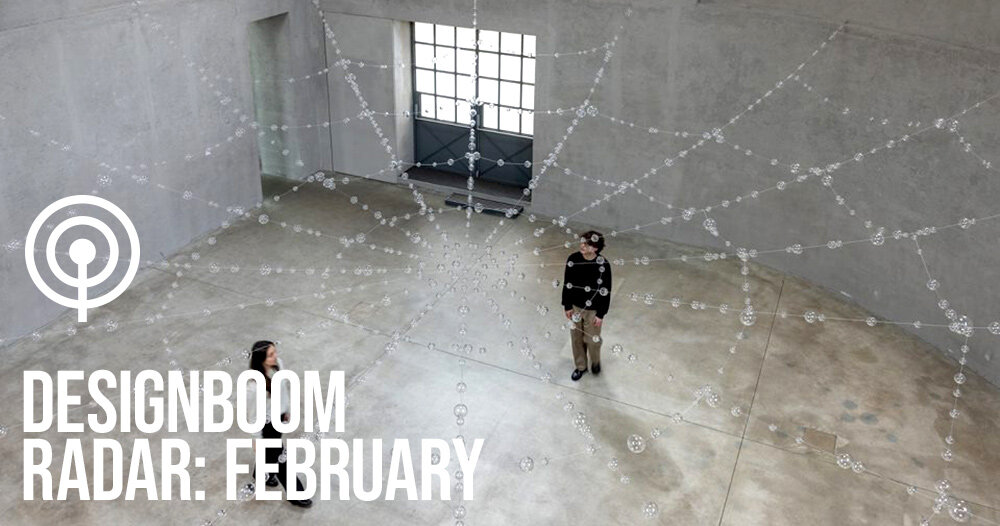
Known most for her large-scale artworks created from vast, intricate networks of thread, she developed her unique practice to make tangible the endless speculative configurations of human connections - something to be experienced rather than defined. But by asking her to describe her new exhibition, Threads of Life at the Hayward Gallery, I'm dragging her back into a reductive world of language. "If I wanted to express myself in words, if I could explain in words, I'd rather write," she says. "So I want to build visually, and I want to create visually. What I want to describe is beyond words."
Imagine being one of our Paleolithic ancestors and having to navigate the relative safety of the cave and all the presumably more dangerous places around it for food, forest bathing, and whatever else was on your cave-person mind. Your life would depend on having a detailed mental map of as much of the area around your dwelling as possible. If you were nomadic,
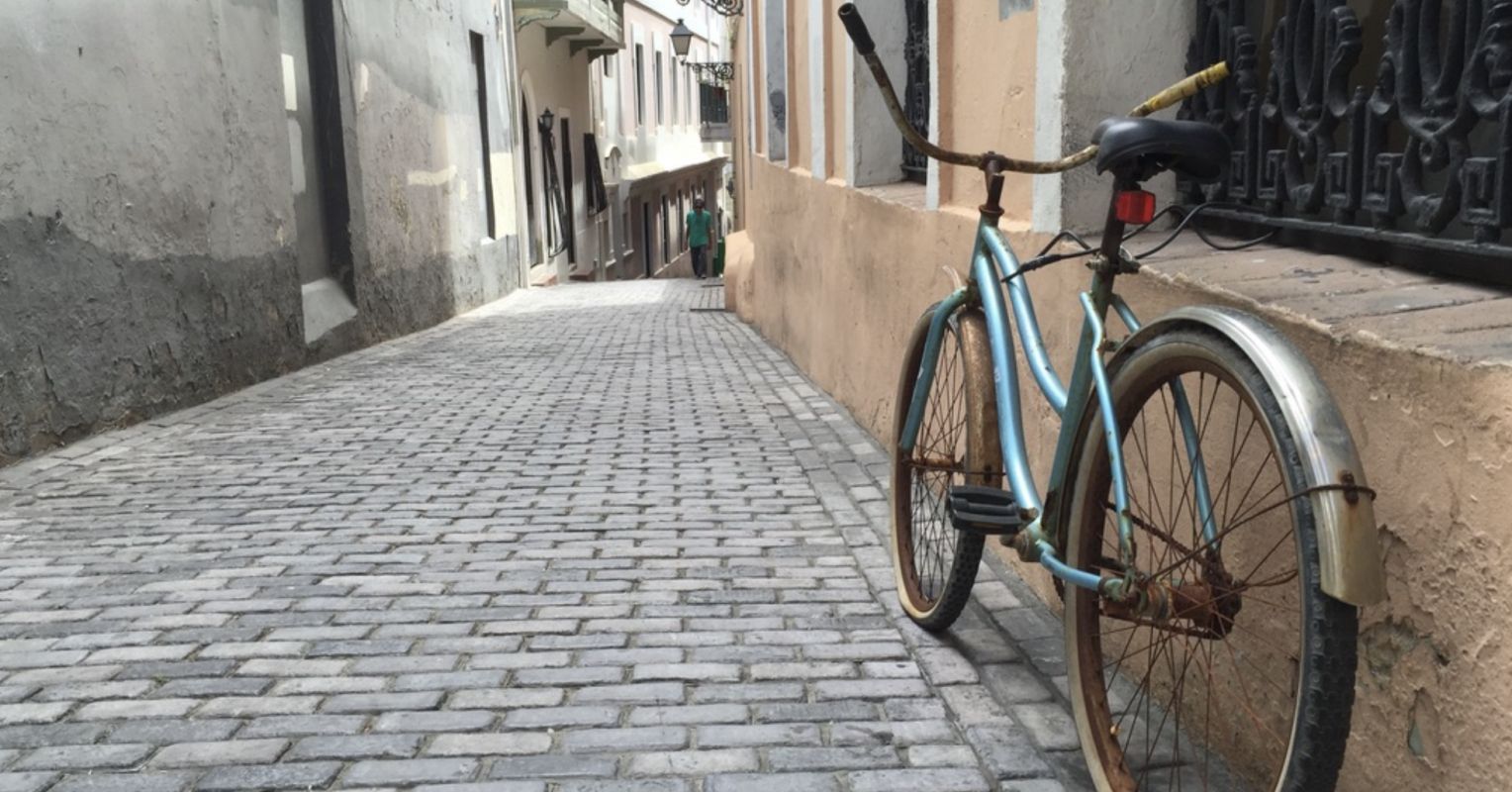
I remember the first time I remembered a smell. This was remembering to the extent that it stopped me in my tracks, taking me back to a specific moment, a specific place and a specific feeling. The smell was that of a bike shop. Mainly rubber, with notes of oil and plastic and a strong hint of sheer excitement. In that instant I was about 10 years old, in Bache Brothers Cycles at Lye Cross, near Stourbridge, in the West Midlands.
Most people will forget a name, misplace their phone, or lose track of a conversation at some point. Usually, those moments pass without much thought. But for many adults, especially as they age, small lapses can trigger a much deeper fear: Is this the beginning of cognitive decline? As a neurologist, I hear this concern often. And as a researcher, I have learned something important: Worry about cognition and cognitive disease are not the same thing.
Because, let's face it, creative work does require some form of faith. It is a tumultuous thing to launch an idea into a vast nothingness and hope that it makes a light bright enough to be found by others. Luckily, these luminaries were my light, and I hope they may become yours as well, and - more so - that these snippets lead you to more of their work.
Go these days to any independent bookshop or art gallery or zine fair, and you may find yourself asking: where are the humans? Title after title is devoted to clay and stone, trees and flowers, the riverine and the botanical, gardens and allotments. They share a vocabulary: care, tending, grounding, rootedness, nourishment, regeneration. Nature, however battered, is held up as an antidote to morbid modernity, its alienations, its amnesia.
Imagine, if you will, taking a seat at the piano before a full house of 2,000 music lovers ready to hear Mozart's Piano Concerto No. 20 in D minor - and, more importantly, on stage with an orchestra and conductor more than ready to play it. That would be difficult enough, but now imagine that you thought you were supposed to play the Piano Concerto No.23 in A major, another piece of music entirely. This is the stuff of nightmares, and indeed, the very situation in which pianist Maria João Pires found herself in 2013, after she'd been recruited to fill in for another player at an open rehearsal held at Amsterdam's Concertgebouw.
Already she remembers scenes, so many- her mother walking in through the front door with her wrapped-up baby brother; that time the big dog gobbled up her toast before she could take a single bite; that day a bad man pushed her so hard on the swing she spun out, landing face down in the dust. Also, sometimes, some first happy thing she barely senses anymore- a soapy bath toy, warm in her baby hands?
Funes could learn languages and recite books from memory. Recalling a single day took him an entire day, as every detail accumulated itself in his mind in its most meticulous insignificance. The poor wretch saw this as a gift, but as his story unfolds, it reveals itself more as a curse, for remembering in such detail prevented him from distinguishing the essential from the superfluous.
There's a nightmare I have that exists in my head almost as long as my earliest memories. My family and I are on our annual camping trip in New Hampshire's White Mountains. We are hiking and we get separated, leaving me with my dad and my older sister with my mom. As we are trying to find our way back to my mom and sister, my dad and I get chased by Smokey Bear.
In Need of Seawater is not simply a documentary about poetry-it is an experience shaped by memory, voice, and lived history. Directed with sensitivity by Richard Yeagley, the film follows poet, writer, and producer Mark Anthony Thomas as he revisits the poems that defined his early adulthood, written between his early twenties and mid-twenties, and now read aloud more than twenty years later.