#musicians-protest
#musicians-protest
[ follow ]
#protests #trump-administration #no-kings #protest #democracy #immigration-enforcement #civil-rights #activism
fromLGBTQ Nation
2 days agoBeloved children's singer melts hearts with message for trans kids: "You are a beautiful light" - LGBTQ Nation
I see you, and it makes me so happy to see you. There is such a disconnect between what we say America is about and what it is right now. True freedom is the freedom to be who we are, and it hurts my heart so much that in some parts of this country, it is unsafe for trans people to do that right now.
SF LGBT







Media industry
fromNonprofit Quarterly | Civic News. Empowering Nonprofits. Advancing Justice.
4 days agoPolitics in an Attention Economy | Nonprofit Quarterly | Civic News. Empowering Nonprofits. Advancing Justice.
Candidates must be cultural figures to succeed in today's American politics, navigating an attention economy shaped by algorithms.
Portland
fromPortland Mercury
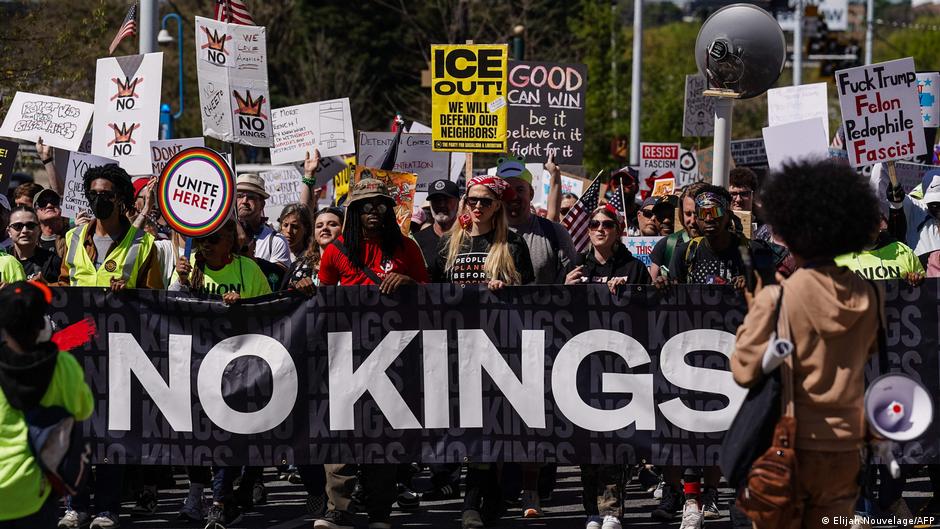
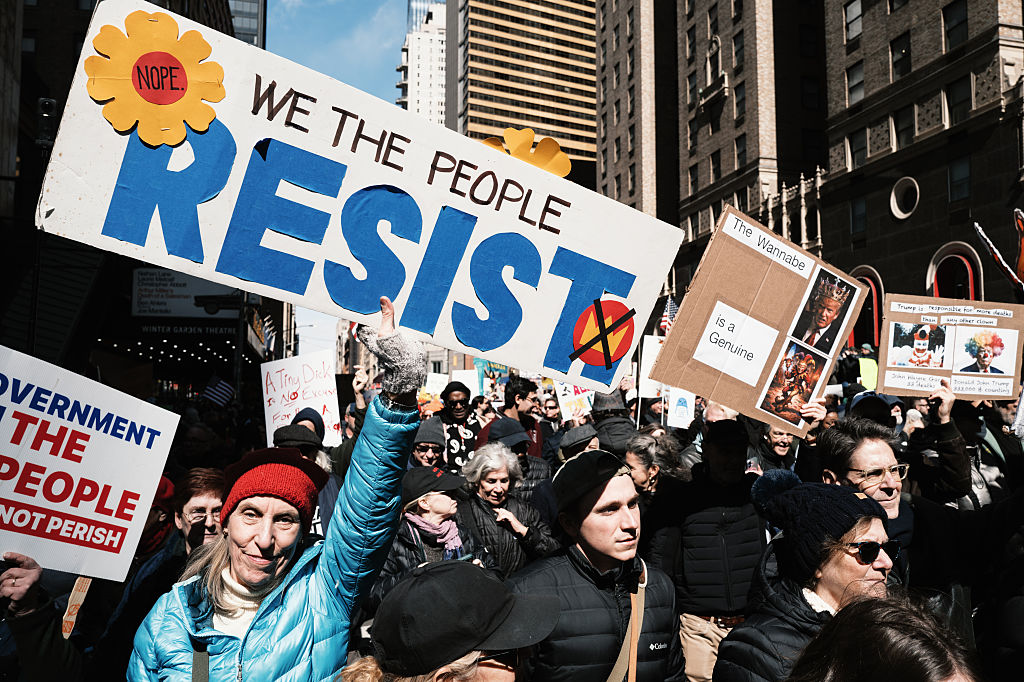
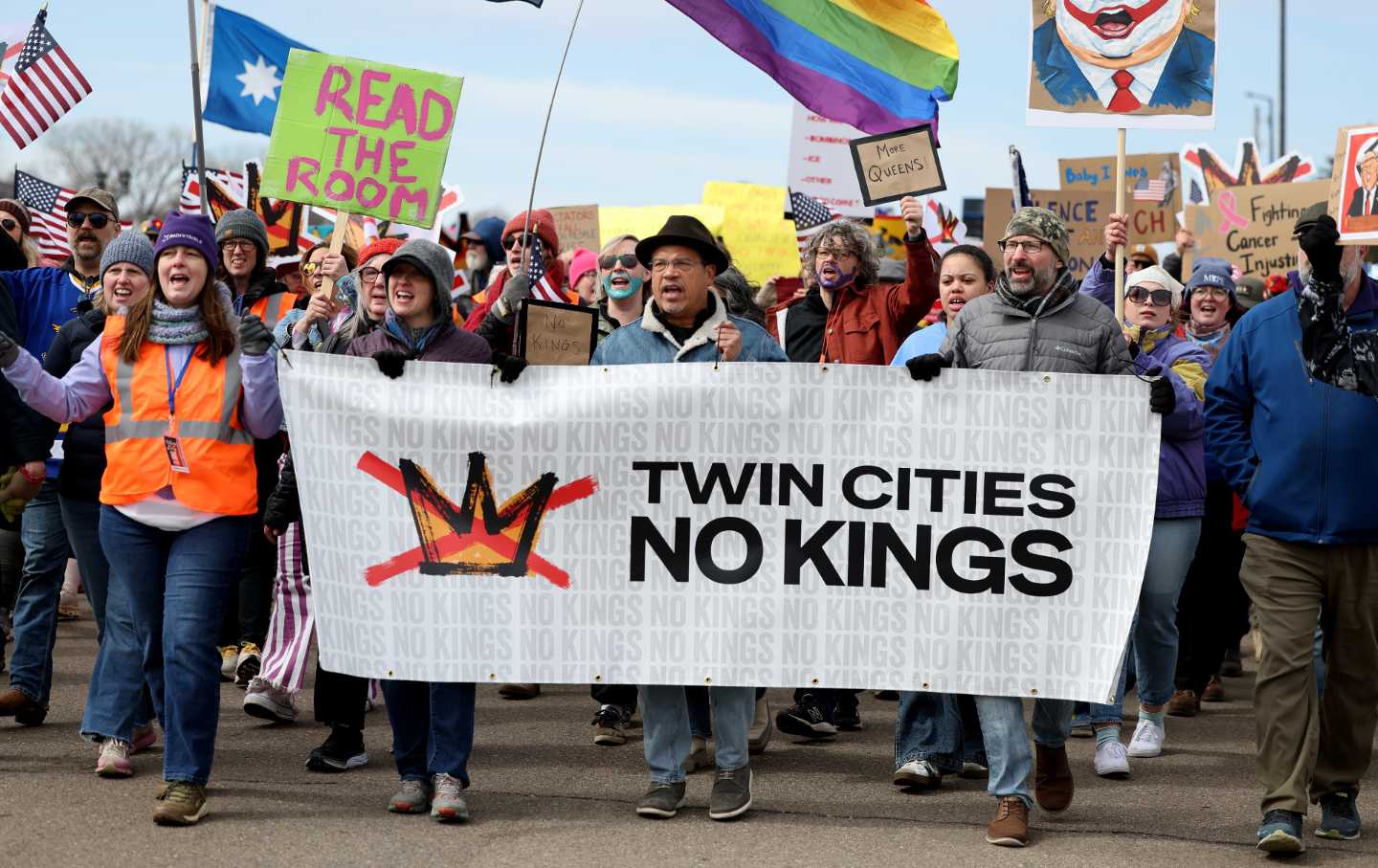
5 days agoGood Morning, News: Tens of Thousands Attend "No Kings" Protest, Another Disappointed Right-Wing Influencer, and Trump Threatens to Bomb Iran's Drinking Water
Support for local journalism and arts is crucial for community engagement and cultural enrichment in Portland.
Mindfulness
fromTNW | Opinion
2 weeks agoThe most radical act in an age of outrage is to play
Deliberate manipulation through social media and engineered news cycles creates division and emotional volatility, but reconnecting with simple human activities like play offers resistance to this conditioning.
fromOregon ArtsWatch * Arts & Culture News
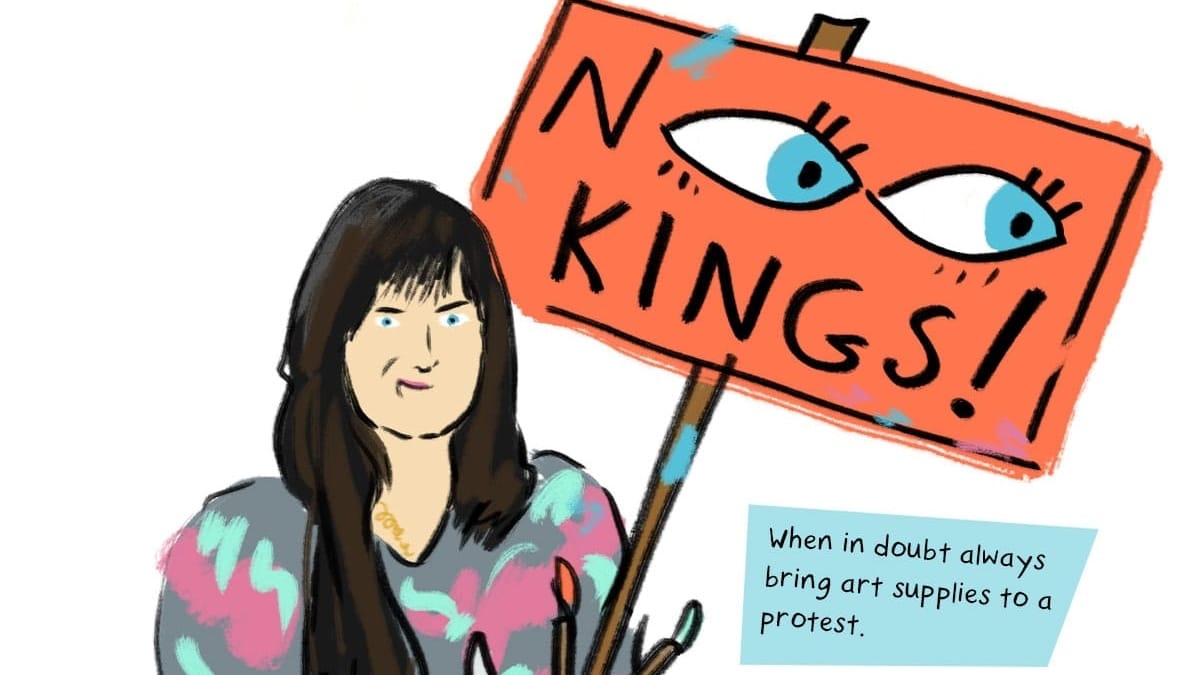
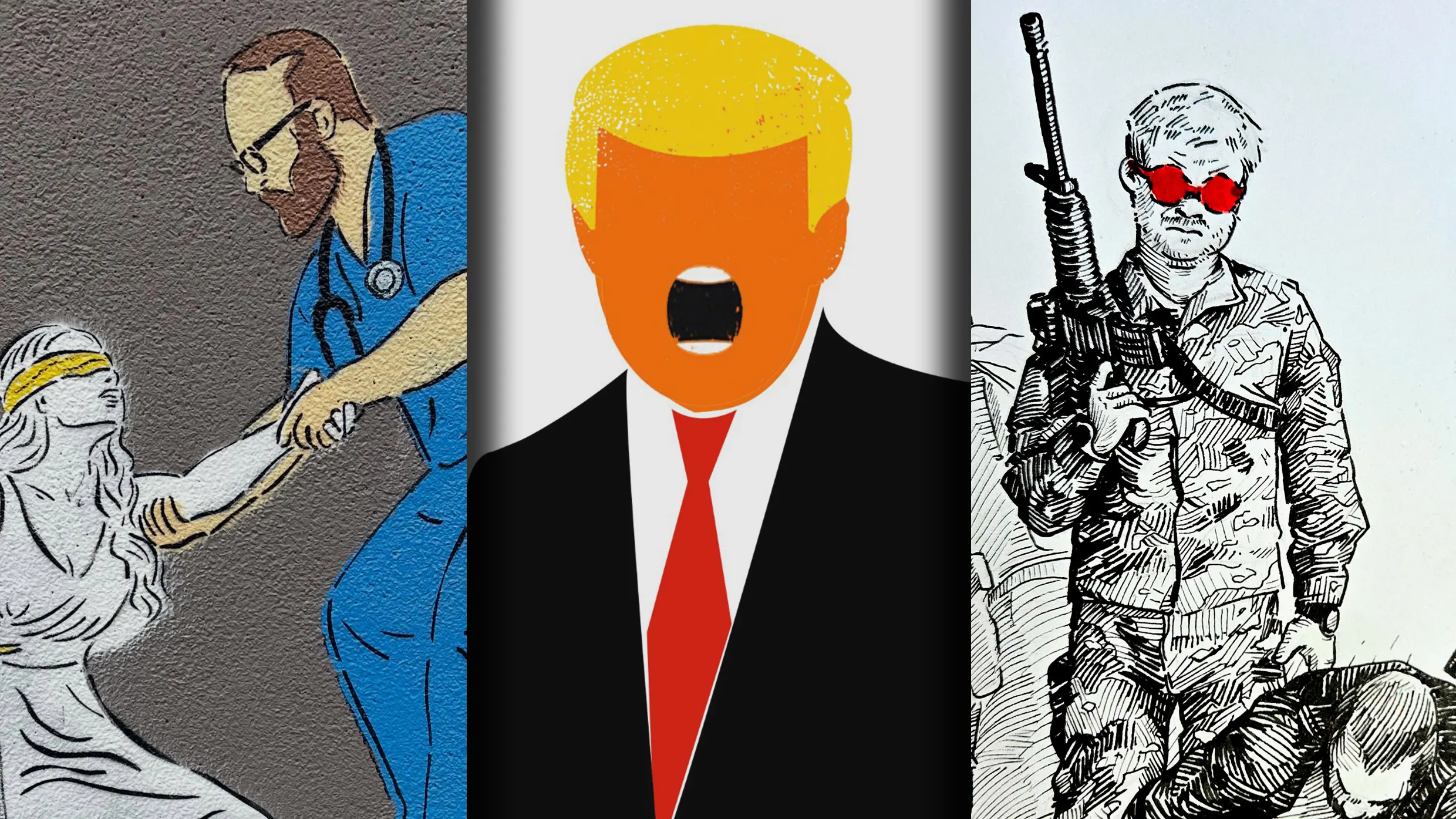
3 weeks ago'Riot Queens': The power of protest * Oregon ArtsWatch
Riot Queens, takes that real act - which sparked San Franciso's 1966 Compton's Cafeteria Riot, the first known full-scale riot asserting transgender and gay rights in the U.S. - and explores the emotional boiling point that led to it.
SF LGBT
fromThe Atlantic
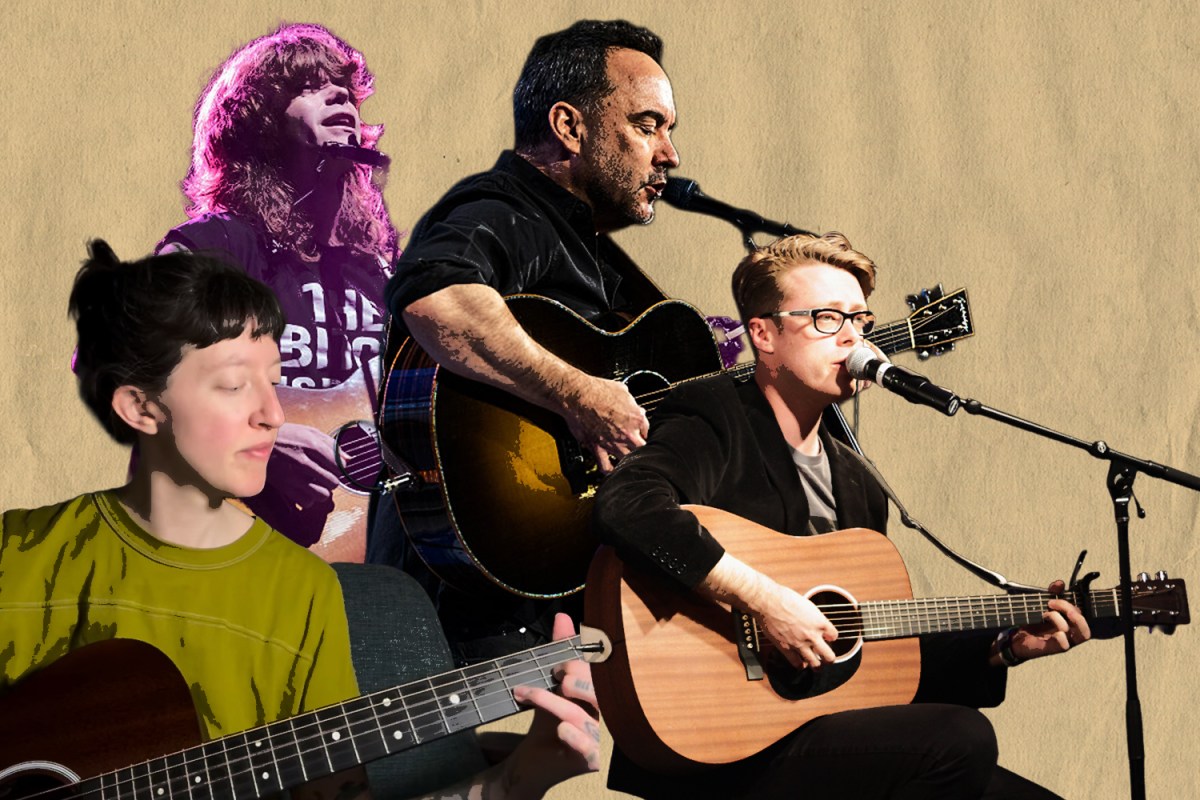
1 month agoProtest Concerts Are an American Tradition. The Gaza Ones Have Been Rather Quiet.
In early January, at the Shrine Auditorium in Los Angeles, a concert benefit for Palestine and Sudan conjured all the fury of an acoustic night at the local coffee shop. Musicians played stripped-down songs on a stage decorated with rugs, floor lamps, and couches. Members of the audience, mostly 20-somethings and teens, leaned in and filmed intimate performances by their favorite cult artists.
Music
fromHigh Country News
1 month agoHow community organizers are amplifying Oregon's Black music history - High Country News
When Norman Sylvester was 12, long before he garnered the nickname "The Boogie Cat" or shared a stage with B.B. King, he boarded a train in Louisiana and headed west, toward the distant city of Portland, Oregon. He'd lived all his life in the rural South, eating wild muscadine grapes from his family's farm, fishing in the bayou and churning butter at the kitchen table to the tune of his grandmother's gospel singing.
Social justice
fromBusiness Insider
1 month ago18 times musicians faced backlash from conservatives over their music
Bad Bunny's Super Bowl halftime show has drawn criticism from the country's top Republican: Donald Trump said it was "one of the worst, EVER!" in a post on Truth Social. Strong words from the president - but this isn't the first time a musician has drawn ire from right-wing politicians and conservatives. Stars like Lady Gaga, Cardi B, Taylor Swift, Beyoncé, and Bruce Springsteen have riled up conservatives, often over progressive themes or sexual lyrics in their music.
Right-wing politics
fromThe Conversation
1 month agoClergy protests against ICE turned to a classic - and powerful - American playlist
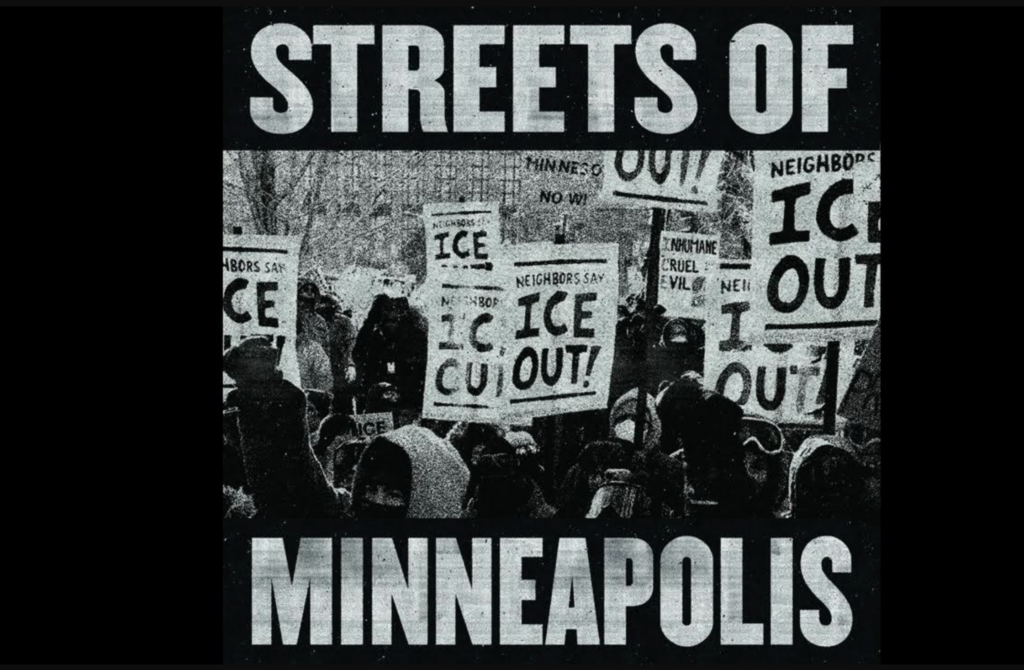
On Jan. 28, 2026, Bruce Springsteen released "Streets of Minneapolis," a hard-hitting protest against the immigration enforcement surge in the city, including the killings of Renee Good and Alex Pretti. The song is all over social media, and the official video has already been streamed more than 5 million times. It's hard to remember a time when a major artist has released a song in the midst of a specific political crisis.
Philosophy
Environment
fromThe Art Newspaper - International art news and events
2 months agoComment | In worrying times for politics and the environment, art can still provide hope
Olafur Eliasson confronts the climate emergency through art and action, urging practical engagement over passive hope while remaining committed to idealism.
fromThe New Yorker
1 month agoWhat Do We Want from a Protest Song?
He sings the names of the dead haltingly, as though he is reading them off a screen-which, judging from the recording-studio footage in the song's lyric video, he probably is. The song is about the news, but it is also, perhaps unintentionally, about the moment of lag when we absorb the names and images, when we try to assimilate atrocity into narrative.
Music
fromconsequence.net
2 months agoFive Anti-ICE Songs You Can Listen to Right Now
ICE killed another American citizen on Saturday, so here's a list of five anti-ICE songs you can listen to right now. As music journalists we often struggle with how to respond to tragedies like this one. I don't have unreleased facts to share, or some vast network of activists to call upon. What I do have is my anger, alongside decades of practice working through difficult emotions with music.
US politics
Social justice
fromLos Angeles Times
2 months agoAs ICE raids American cities, artists fight back before the Grammys with 'More teeth ... more rage'
Minneapolis rapper Nur-D (Matthew Allen) was assaulted and chemically sprayed by ICE during a protest, exemplifying artists mobilizing against ICE violence.
fromwww.theguardian.com
1 month agoAll the world's enraged: a new era of resistance theater' is rising as Trump attacks the arts
On a cool winter night in Los Angeles, dozens gathered to protest the Trump administration's attacks on the arts and the recent federal immigration raids in southern California. But these protestors didn't carry signs or chant in front of a government building they recited poems such as Antifa Tea Party and Love in Times of Fascism. They performed anti-fascist improv to a small but lively crowd at The Glendale Room, a library-themed theater, as part of the monthly show Unquiet: A Night of Creative Resistance.
US politics
fromHyperallergic
2 months agoArt for Dignity
As if demolishing the East Wing, gutting arts agencies, and slapping his name and face on several federal buildings weren't enough, the US president now wants to do away with a DC building known as the "Sistine Chapel of New Deal art." This week, we reported on a burgeoning campaign to save the Wilbur J. Cohen Federal Building, which houses murals by Ben Shahn, Philip Guston, Seymour Fogel, and other major American artists. We will continue to follow this story.
Arts
fromHyperallergic
1 month agoThe Political Power of Glitter
Last summer, I did face painting at a block party in my Brooklyn neighborhood. In the sweltering August humidity, I rendered pink butterflies and Spiderman webs on tiny, sticky faces; unsurprisingly, my designs didn't last very long in the bouncy castle. Except for the glitter. For weeks, I found it in my hair, on my cats, in my sink, and in random corners of the house, migrating to and fro like dandelion fuzz.
Arts
[ Load more ]