#narrative-painting
#narrative-painting
[ follow ]
#art #contemporary-art #photography #illustration #art-exhibition #street-art #art-history #surrealism


fromHi-Fructose Magazine - The New Contemporary Art Magazine
2 days agoKyle Cobban Draws From The Unknown - Hi-Fructose Magazine
"It's an amalgamation of the Chicago neighborhood aesthetic with a Bulls fan, quite literally. It's kind of on the nose, but that's how I juxtapose the elements of my work, with the structure of a home and then a figure who is around or in the home."
Chicago Bulls
fromdesignyoutrust.com
6 days agoAmazing Vibrant Worlds Blending Miyazaki Vibes With Traditional Gouache Painting
Jean Mallard's signature technique involves applying watercolors almost like oil glazes, layering colors from light to dark in a slow, meticulous process to achieve incredibly vivid colors and smooth gradients.
Paris food
#photography

fromdesignyoutrust.com
2 months agoArts
World Of Halos, Wings And Symbolic Props and Emotional Afterglow in Acrylic Portraits of Willow Benjamin
A wide-ranging collection of contemporary visual projects showcases photography, illustration, sculpture, street art, installations, and graphic design that blend creativity, humor, and social purpose.
Writing
fromwww.theguardian.com
3 weeks agoThe moment I knew: I was enchanted by her painting but we never spoke. I wouldn't see her again for 55 years
A man reconnects with a childhood classmate whose exceptional artistic talent impressed him decades earlier, leading to an unexpected reunion after 55 years of separation.



Music
fromPsychology Today
3 weeks agoArt as a Biological Bedrock of Shared Humanity
Humans are biologically wired for shared artistic experiences, which serve as essential connective tissue for our nervous systems and cultural identity, transcending the perceived obsolescence of performing arts in the digital age.
Graphic design
fromItsnicethat
2 weeks agoThese emotionally charged illustrations are here to make your imagination wander
Xiao Hua Yang creates illustrations that blend digital and analogue techniques to suggest emotions through subtle imagery rather than explicit statements, prioritizing implication over explanation.
Miscellaneous
fromThe Art Newspaper - International art news and events
1 month agoComment | Art is more than its original context
Understanding art's original context enriches appreciation, yet modern viewing conditions and lost contexts require adapting how we engage with artworks across different settings and time periods.
fromBOOOOOOOM!
3 days ago"Idling" by Artist Greta Kresse
"These paintings merge the landscape and the intimacy of windows through the framing of the car, bridging the two realms I've typically explored separately. The car becomes a meditation on transition, on existing simultaneously here and elsewhere."
Arts
fromAnOther
1 month agoGus Van Sant's Adventures in Painting
When I was a kid, I was painting, as a few of my classmates were, because my teacher was a painter. We were making paintings and different things as well - silkscreens for dances or basketball games, mobiles ... It was around 1963, so a lot of different types of artistic endeavours were happening, which played into what he was teaching us. That was kind of where I started.
Film
Books
fromwww.theguardian.com
1 month agoMy rookie era: I wasn't immediately good at oil painting, but it taught me to find pleasure in struggle
Returning to painting through oil classes helped overcome fear of judgment, teaching fundamentals, practice, and acceptance of possible failure to enjoy the creative process.
fromArtnet News
5 days agoRare Leonora Carrington Sketches of Her Inner Turmoil Resurface in London Show
While being treated for a serious mental breakdown in 1940, Carrington passed her days by filling sketchbooks with art that reimagined the hospital as an 'underworld' inhabited by strange, hybrid beasts.
Arts
fromBoard Game Quest
1 month agoSand Art Review
Sand Art is a game by Kory Jordan and published by 25th Century Games for two to four players ages 10 and up. It takes about an hour to play, and has you collecting resources and then coloring in a bottle, making art in a bottle out of sand, in case the name didn't give away the plot. Gameplay Overview: Sand Art has you gathering and mixing sand, which is used to fill your bottle.
Board games
fromHyperallergic
3 weeks agoEmbracing Friction in the Art World
On Franklin Street in Brooklyn's Greenpoint neighborhood, one non-commercial gallery fosters 'a small, stubbornly human space for friction.' Friction—the ubiquitous buzzword that captures the simultaneous delight and discomfort of doing things the slow way—is at the heart of artists Pap Souleye Fall and Char Jeré's current show at Subtitled NYC. It also reflects the overall spirit of this little exhibition space and of a burgeoning movement to reject our culture of optimization in favor of a bumpier, more intimate, less alienating experience.
Arts
Arts
fromThe Art Newspaper - International art news and events
3 weeks agoArtists agonise over when a work is finished-but should we viewers care?
Artists determine completion when they have successfully transformed visual memory and emotion into a physical object, at which point further work becomes unnecessary.
Arts
fromwww.jezebel.com
3 weeks agoThere's Not Enough Women Beheading Men in Art Anymore
Renaissance art frequently depicted women beheading men in biblical scenes, particularly Judith and Holofernes and Salome with John the Baptist's head, representing a powerful artistic tradition largely absent from contemporary art.
fromArtnet News
4 weeks agoLudovic Nkoth on Painting the 'Emotional Texture of Everyday Scenarios'
Stars under the border began with a simple image of people resting together in an open field, but that idea quickly expanded into something more complex, both visually and formally. I kept thinking about aspiration: how it persists beneath systems that try to define or limit us. The title suggests this tension. Stars suggest hope or possibilities existing in an endless veil of darkness, while a border implies a sense of limitation and separation.
Arts
Arts
fromThe Art Newspaper - International art news and events
1 month agoA short guide to the hidden meanings in great paintings
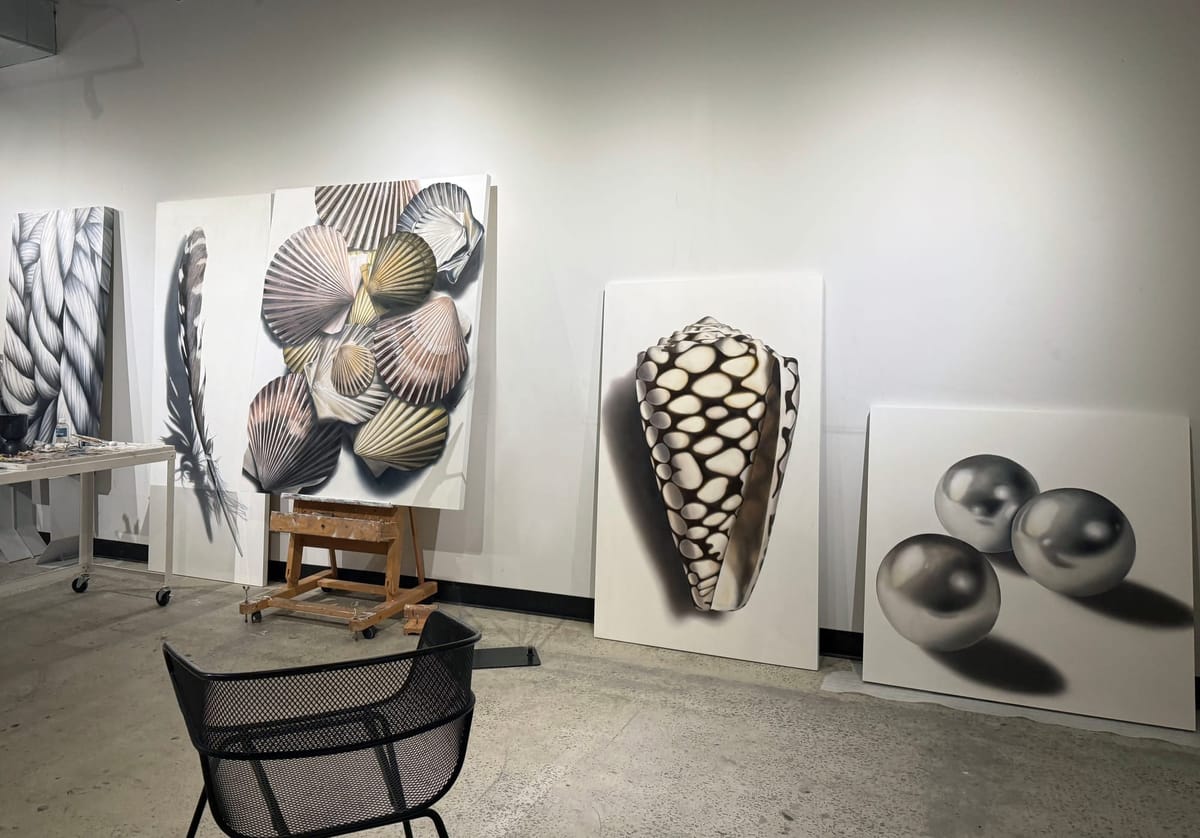
Historic paintings contain symbolic meanings and motifs that convey spiritual, moral, and philosophical messages through objects like apples, angels, books, butterflies, and candles.
Arts
fromSilicon Canals
1 month ago8 signs you appreciate art, music, and culture on a deeper level than most people - Silicon Canals
Some people experience art deeply, reacting emotionally and perceiving subtle artistic cues that reveal heightened sensitivity and meaningful connections to creative expression.

Arts
fromdesignyoutrust.com
2 months agoArtist Paints Smoky Lounges And Quiet Strangers, Letting Halffinished Details Turn Viewers Into Coauthors Of The Scene
A wide-ranging visual roundup showcases creative reinterpretations, vintage design, activist art, photography, illustration, and humorous cultural works spanning contemporary and historical styles.
fromHyperallergic
2 months agoA View From the Easel
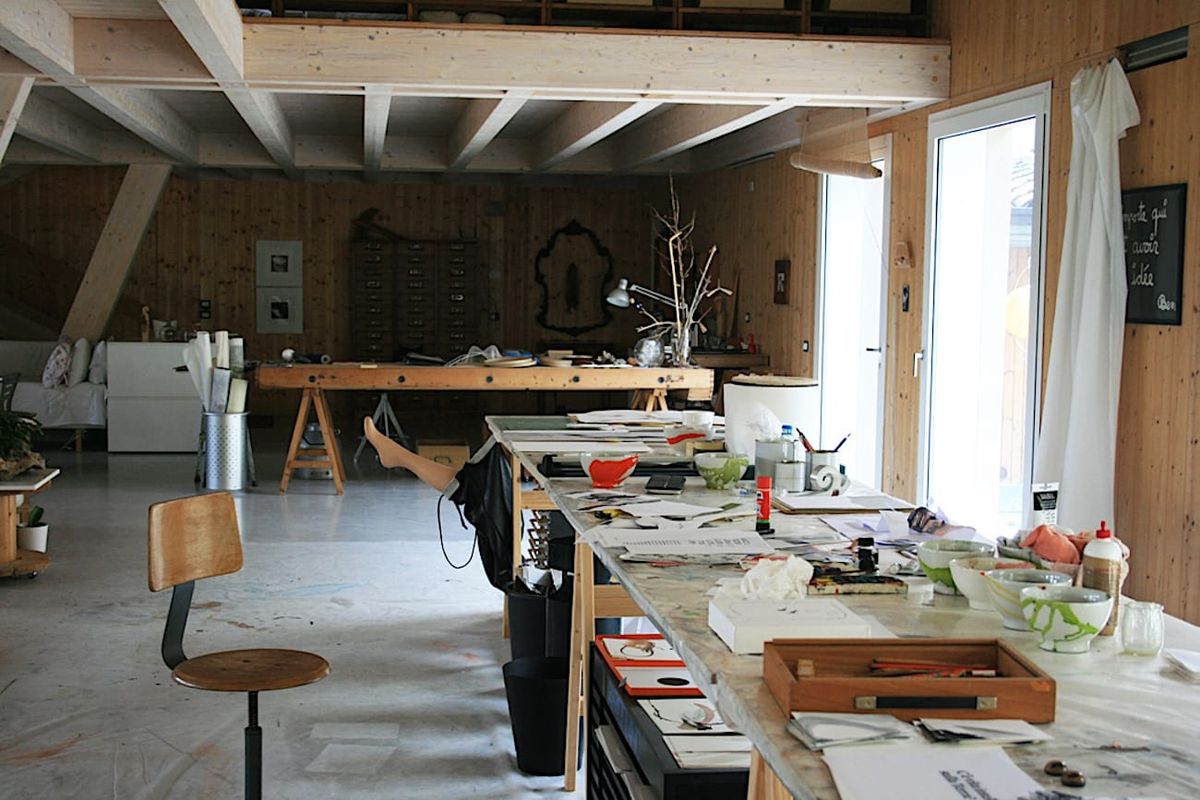
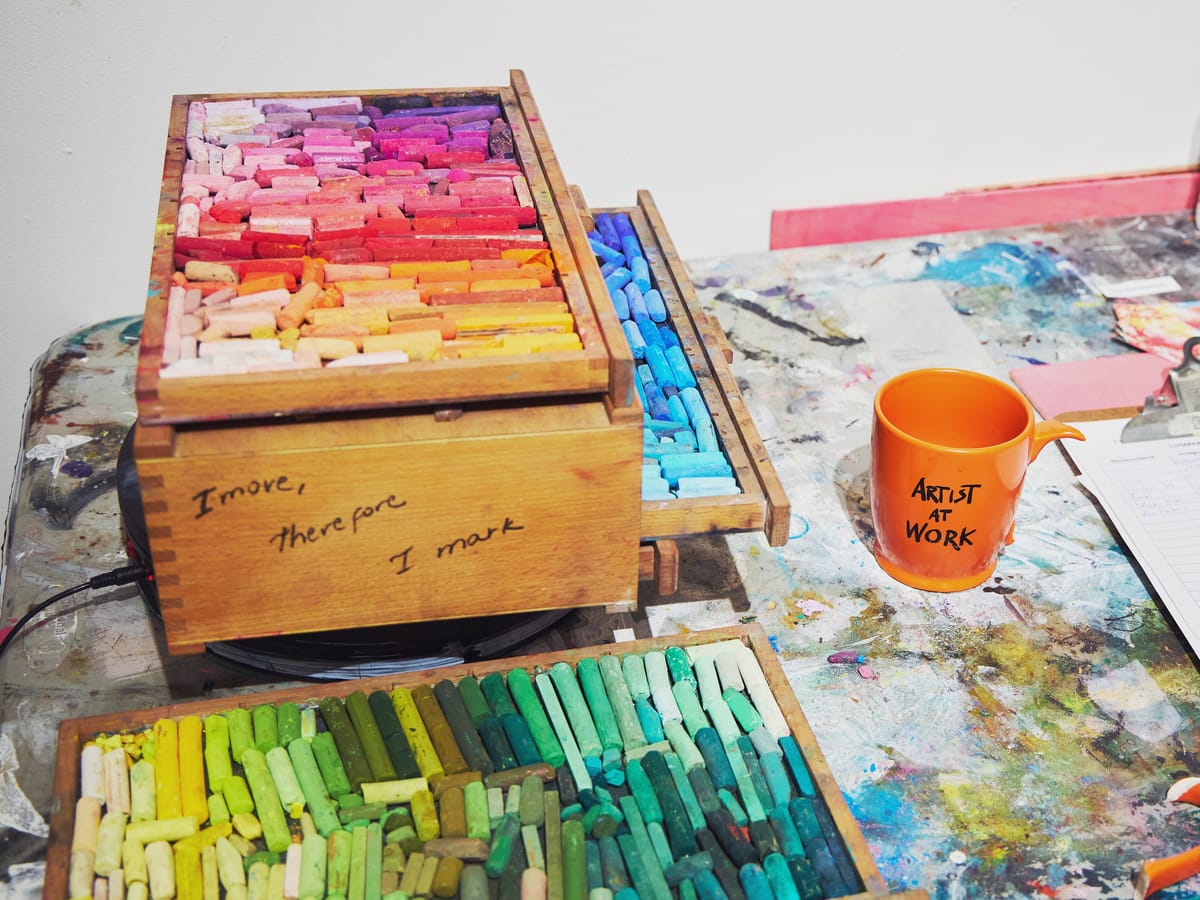
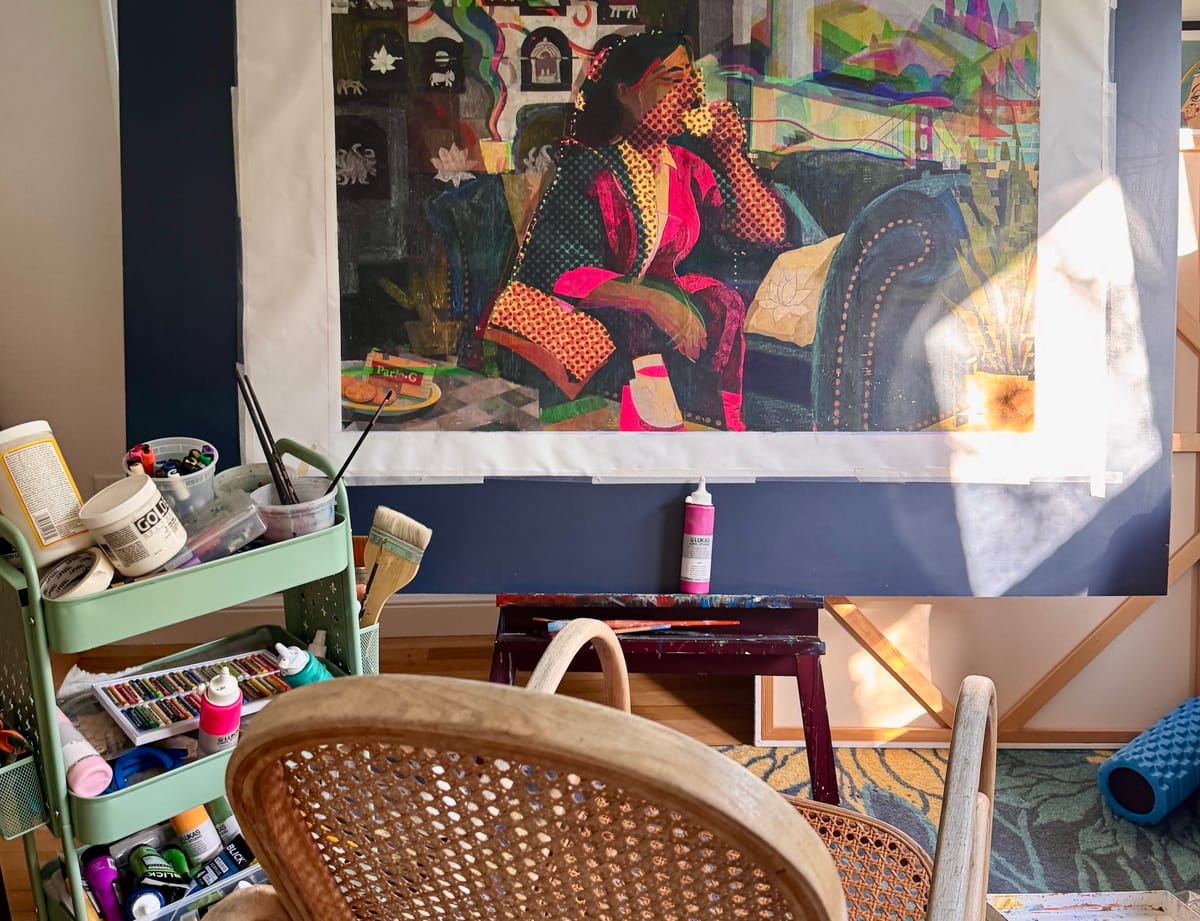
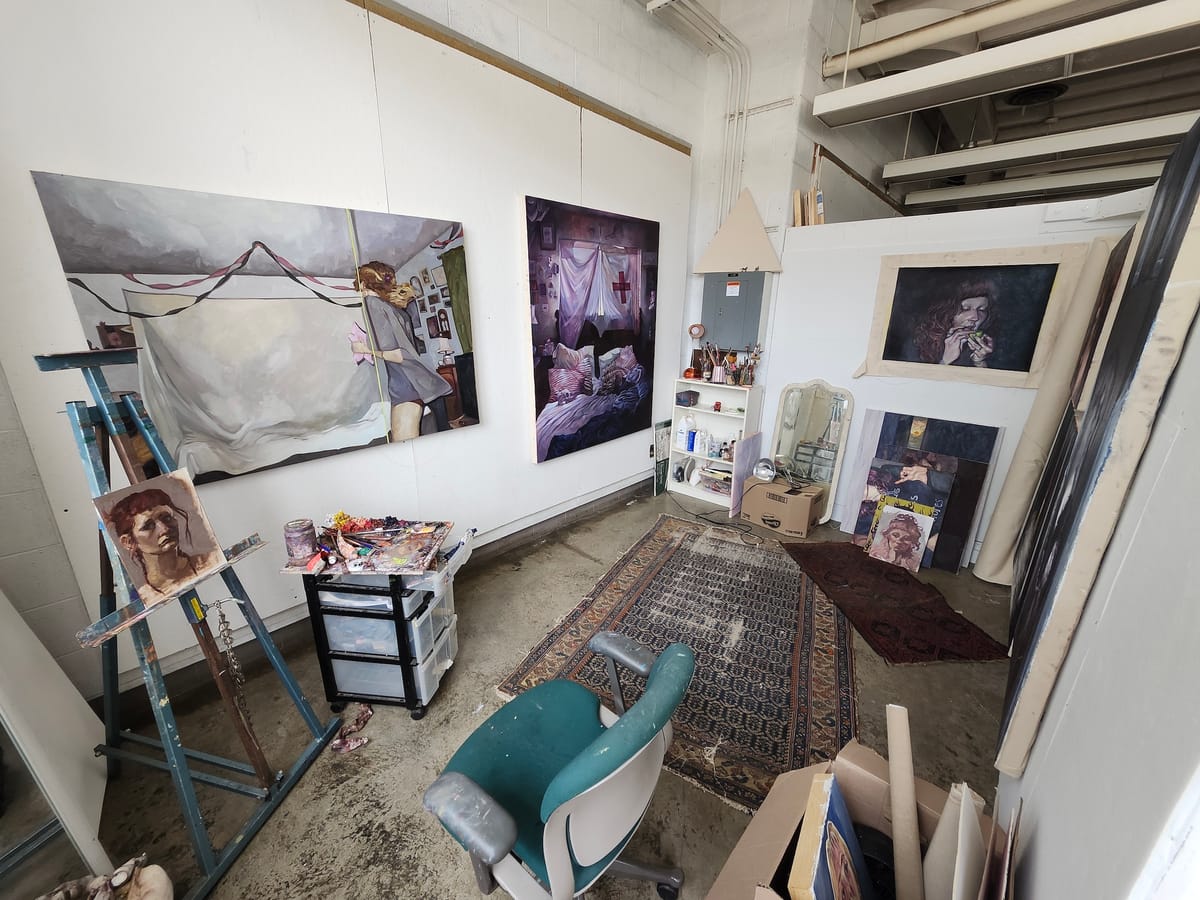
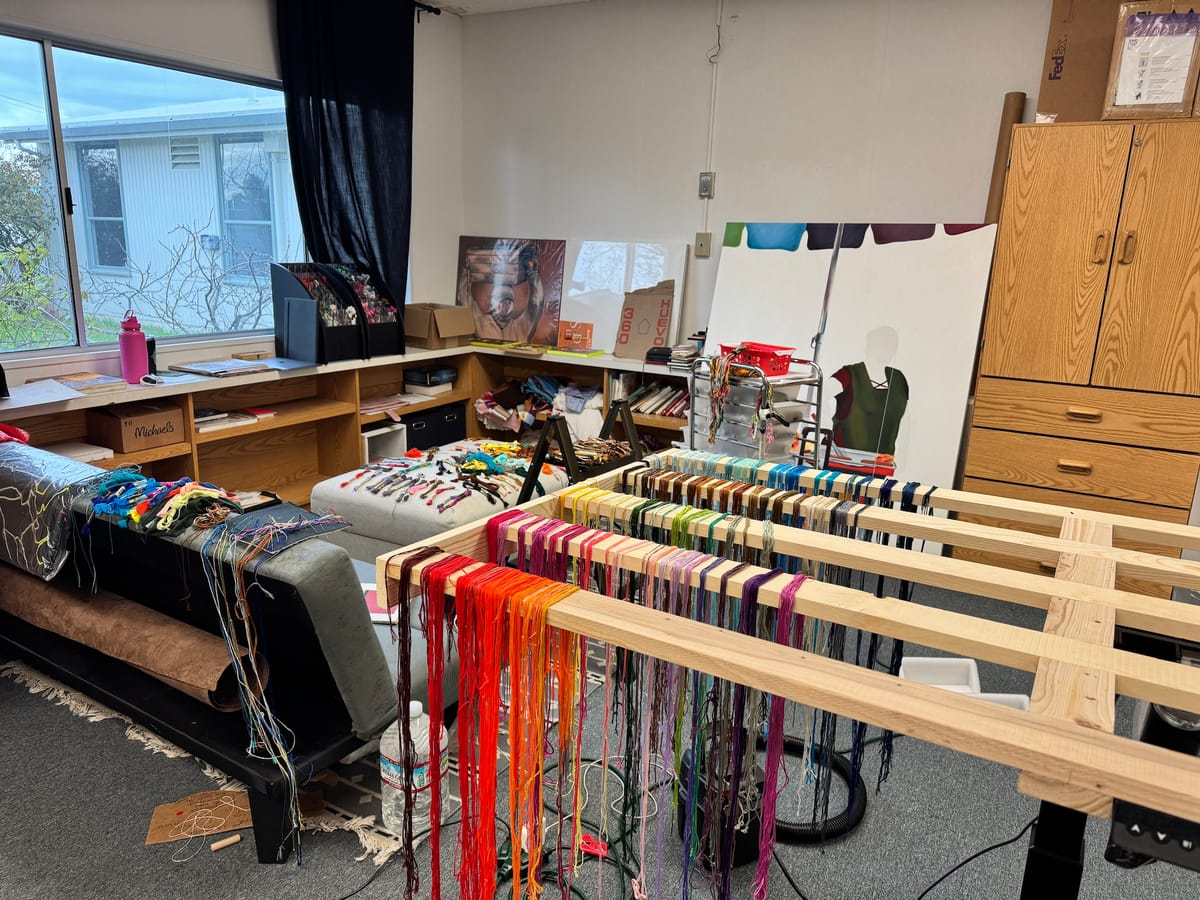
Mornings are best for concentrated work. In the winter, I turn on the heat at 8am and get started around 10am. Summer, I start around 9am. I have two areas in the studio for projects. The large, heavy wood sculptures are carved in the front section of the studio, closest to the roll-up wide door. Smaller sculptures are placed on a hydraulic workbench. Before I start, I focus, connect with the Source, and ask for guidance.
Arts
fromHyperallergic
1 month agoA View From the Easel
I work outside, carving and shaping the stone. Outside my house, I have a table, an extension cord, and tools. It's very cold and I have to wear all my winter clothes. When it's too cold, I do the filing and finishing work inside after I shape it outside. I listen to all kinds of music. I listen to Eminem all the time; his albums are all my favorites. For drawings, I work at Kinngait Studios or at home on my kitchen table.
Arts
fromHyperallergic
2 months agoThe Nightmares Beneath the Surface of "Dreamworlds"
The timing could not be better: We have much to learn in this moment from a movement that was both explicitly antifascist and radically hopeful - and from how the not-so-antifascist Dalí broke from it. But Dreamworlds presents precious little of the historical and political context - for example, the birth of the movement out of the grotesque terrors of World War I - that would help viewers grasp the relevance of what's in front of them.
Arts
fromHyperallergic
2 months agoAnselm Kiefer's Rustbelt Romanticism
"Spirit is Life. It flows thru the death of me endlessly like a river unafraid of becoming the sea." -Gregory Corso ST. LOUIS - At 2,340 miles, the "mighty" Mississippi River borders no fewer than eight American states. Missouri is among them, where the city of St. Louis has been the site of both tenacious (and pugnacious) expansionist gusto and, in the wake of midcentury de-industrialization, precipitous decline.
Arts
[ Load more ]