#national-army-museum
#national-army-museum
[ follow ]
#british-museum #cultural-heritage #exhibitions #exhibition #uk-museums #bayeux-tapestry #postal-museum #museum


fromMedievalists.net
3 days agoMedieval Gold Discovery Goes on Display in Newcastle - Medievalists.net
We are delighted to unite these incredible archaeological finds from across the North for our latest exhibition. From Roman silver discovered along Hadrian's Wall to 9th-century gold found by a Newcastle University student, this is a rare opportunity to see these scattered treasures displayed alongside one another.
History

fromianVisits
1 week agoIWM exhibition shows how Britain disguised its power stations during WWII
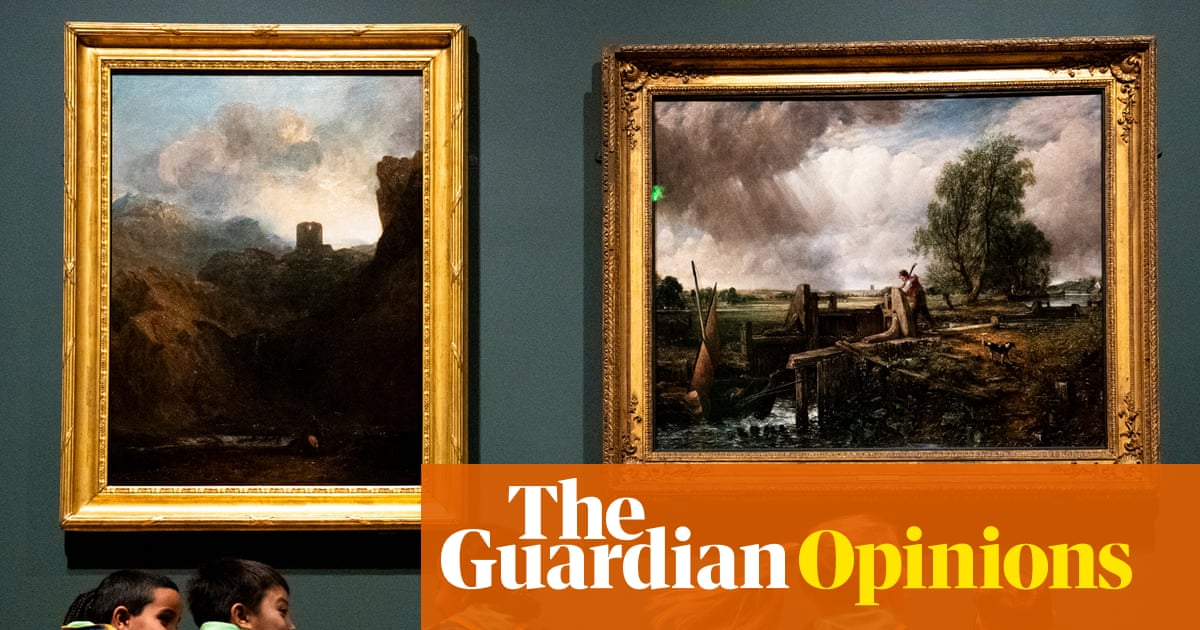
The paint effect was camouflage using mimicry and disruptive patterns to confuse enemy pilots. It's one image in an exhibition of around 45 paintings and posters, plus some letters and documents recording life in wartime London.
London
History
from24/7 Wall St.
2 weeks ago25 Weapons That Changed Warfare Over the Last Century
Technological breakthroughs over the last century transformed warfare by introducing tanks, missiles, stealth aircraft, and precision-guided weapons that forced armies to continuously adapt tactics and reshape military doctrine globally.
fromianVisits
2 weeks agoWorld's largest private Victoria Cross collection finds new home at National Army Museum
We are honoured to be entrusted with these VCs and GCs from the Lord Ashcroft Medal Collection. These medals, and the individual acts of extraordinary bravery and valour they represent, form a powerful part of the Army's story.
London
History
fromianVisits
3 weeks agoLooted from a royal palace: The medieval jug now on display in London
A medieval English bronze jug looted from Ghana's Asante kingdom reveals how European luxury goods became valued ceremonial objects through trans-continental trade networks before colonial appropriation.
fromianVisits
4 weeks agoThe church with anti-aircraft guns: Kilburn's unusual naval relics removed
The Grade II listed building is on Historic England's Heritage at Risk Register and is currently recorded as being in poor condition. The national Marine Society and Sea Cadets (MSSC), which held the lease, has confirmed that it can no longer meet the building's repair obligations and will surrender the lease so that restoration can be carried out by new occupants.
London music
History
fromBusiness Insider
4 weeks agoWorld War II museum ships suddenly feel less like history after a US submarine sank an Iranian warship
A US Navy submarine's recent sinking of an Iranian warship has revived interest in World War II museum ships, making historical naval combat vessels relevant to contemporary military strategy and public discourse.
fromwww.theguardian.com
1 month agoPrince William pays tribute to army medic found dead in barracks
I remember our meeting during her time with the Welsh Guards, where her warmth and compassion were unmistakable. She served with courage and distinction as a medic and sought always to help others. I send my heartfelt condolences to her family and friends.
UK news
History
fromwww.ocregister.com
1 month agoExhibit honors Japanese American who fought for US in WWII while their families were locked up
Japanese American Nisei soldiers fought for the United States in World War II while their families were imprisoned in internment camps, and a new traveling exhibit honors their service and sacrifice.
Arts
fromThe Art Newspaper - International art news and events
1 month agoRoyal Ontario Museum picks Nicholas R. Bell as next leader
Nicholas R. Bell becomes the new director and chief executive of the Royal Ontario Museum, taking over from Joshua Basseches on July 6, 2025, bringing experience from leading the Glenbow Museum in Calgary.
fromianVisits
1 month agoPlans unveiled to reopen Royal London Hospital Museum after five-year closure
After five years in storage, the archive linked to Joseph Merrick - the "Elephant Man" - could finally go back on display as part of plans to reopen the Royal London Hospital Museum in a new larger home. The medical museum, which closed at the start of the pandemic and never reopened, housed some of the most significant artefacts connected to Merrick's final years under the care of Sir Frederick Treves at the Royal London Hospital.
Medicine
#london-transport-museum
London
fromianVisits
3 weeks agoGo behind the scenes at London Transport Museum's vast Acton depot this April
The London Transport Museum's Acton warehouse opens April 9-12, 2026, showcasing 320,000 objects including trains and buses, with special programming celebrating the Bakerloo and Piccadilly lines' 120th anniversaries and the Routemaster bus's 70th anniversary.

US politics
fromwww.independent.co.uk
2 months agoInside the hunt for British Museum's missing treasures
The Independent funds on-the-ground, paywall-free investigative reporting while a six-person British Museum team celebrates breakthroughs in tracing missing Greek and Roman treasures with a golden bell.
Arts
fromThe Art Newspaper - International art news and events
1 month agoUK exhibition celebrates the artisans throughout history who went to war
Frontline-made objects salvaged from battlefields reveal the skills, identities, and lived experiences of ordinary soldiers across conflicts from the World Wars to modern wars.
London
fromCN Traveller
3 weeks agoThis fascinating new exhibition, an hour from London, is the hottest ticket for history buffs this summer
Hever Castle presents a comprehensive exhibition on Anne Boleyn, Henry VIII's second wife, marking 500 years since their courtship that led to the Church of England's establishment.
fromianVisits
1 month agoAmersham's fairground organ museum is starting to offer tours
The charming Amersham fairground organ museum, which is usually open a few Sundays per year, has now started offering guided tours. The occasional open days are more a chance to sit and listen to the old fair organs playing their pipes, and have a nice lunch at the same time. However, the guided tours, which will take place on Saturdays, will offer a deeper dive into their collection of organs and the music cards that control them.
Music
US politics
fromwww.independent.co.uk
1 month agoBritish Museum successfully raises millions to save Henry VIII marriage artefact
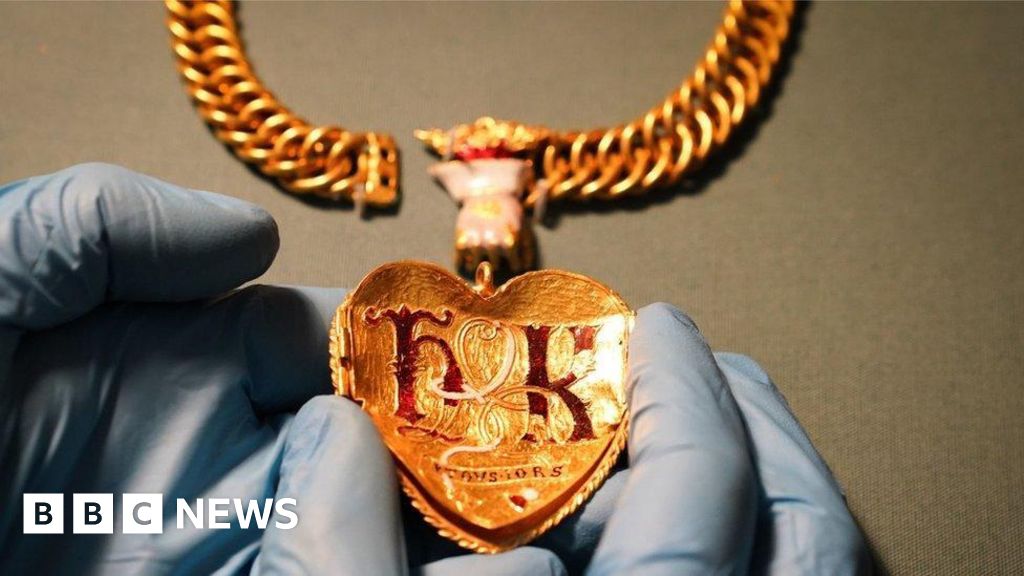
The Independent solicits donations to fund independent, paywall-free journalism; the British Museum raised 3.5 million to acquire a Tudor-era gold pendant linked to Henry VIII.
fromianVisits
2 months agoTickets Alert: Open days at Whitehall's Banqueting House
Whitehall's Banqueting House, one of the few survivors of the vast Palace of Whitehall, is due to reopen this summer, but is having a few preview days before fully reopening. Inside the highlight is the painted ceiling by Sir Peter Paul Rubens, commissioned by King Charles I and installed in 1636. That painted ceiling would also have been one of the last things the King saw when he was led out onto the scaffolding to be executed.
Miscellaneous
fromLondon Business News | Londonlovesbusiness.com
2 months agoGovernment warned UK 'can't win wars' with a small army - London Business News | Londonlovesbusiness.com
Unemployed graduates would be targeted for military conscription while defence-industry workers could be exempt or conscripted into industrial roles during a major war.





Arts
fromTime Out London
1 month agoThis underrated, tiny west London museum is celebrating its 100th birthday with a blockbuster year of exhibitions in 2026
Leighton House celebrates its 100th year with exhibitions and workshops showcasing its history, international influences, Arab Hall origins, and restored collections.
fromianVisits
2 months agoFive rare Lucknow swords go on display at the Wallace Collection
During the mid-18th century, while Delhi was rocked by instability, many of its leading poets, painters and craftspeople migrated to Lucknow and Faizabad in search of new patrons. Through this population shift, Lucknow flourished as a courtly capital, its wealth matched by a cosmopolitan atmosphere that attracted Indian elites and European adventurers alike. The ruling Nawabs of Awadh were keen to eclipse Delhi and supported the trades, commissioning many fine jewelled and decorated objects - including, of course, ceremonial swords.
History
Arts
fromThe Art Newspaper - International art news and events
2 months agoBritish Museum reports record-breaking year for finding treasure in the UK
UK metal detectorists recorded a record 79,616 archaeological finds in 2024, including 1,540 treasures such as a 179-coin hoard and a Roman vehicle fitting.
fromianVisits
2 months agoPikes at the Palace: English civil war re-enactors to march through London
So, on Sunday 25th January, members of the reenactment society will converge on The Mall from all across the country, some arriving already dressed in buff coats and broad-brimmed hats, others changing into period clothing on arrival. There are pikes to be shouldered, muskets checked, and a few tentative practice swings as old drill is recalled, before the ranks are set and order restored.
History
fromArtnet News
1 month agoBritish Museum's 'Samurai' Show Reveals the Untold Story of Women Warriors
The show, simply titled " Samurai," dives into the myth of the samurai and how it came to be, to teach viewers how this fierce warrior class emerged during the early medieval period in the 1100s and evolved over the next few centuries to become an elite class of bureaucrats. The exhibition also examines portrayals of samurai in modern-day popular culture, and how that compares to reality. Yes, the samurai started out as fierce fighters, but their identity is much more complex than that.
Arts
fromwww.bbc.com
2 months agoTreasures found on HS2 route stored in secret warehouse
Treasures unearthed by hundreds of archaeologists so far during work on the controversial planned HS2 train line have been shown exclusively to the BBC. The 450,000 objects, which are being held in a secret warehouse, include a possible Roman gladiator's tag, a hand axe that may be more than 40,000 years old and 19th Century gold dentures. It is an "unprecedented" amount and array of items, which will yield new insights into Britain's past, says the Centre for British Archaeology.
London
fromianVisits
2 months agoWellington Arch at 200: The monument that lost a statue and gained a tunnel
Originally called the Grand Triumphal Arch, it was built in part to commemorate Britain's victories in the Napoleonic Wars and as part of King George IV's remodelling of Hyde Park and Buckingham Palace. Announced in 1825, it would take a year of wrangling to settle on a design for the arch. The chosen architect, Decimus Burton, initially planned a triumphal arch modelled on the Arch of Titus in Rome,
History
fromwww.standard.co.uk
1 month agoBritish Museum raises 3.5million to save Henry VIII-linked pendant found by metal detectorist in field
It was discovered six years ago by a metal detectorist in a field in Warwickshire. Now the Tudor Heart - a gold pendant linked to Henry VIII's marriage to his first wife, Katherine of Aragon - will go on show to millions after the British Museum successfully raised 3.5 million to save it following a four-month fundraising campaign. The London museum launched an appeal in October as it was keen to save the Tudor Heart, which was discovered by a metal detectorist in 2019,
London
[ Load more ]